How to Get or Replace a Kansai Mirai Bank Passbook: Complete Fees and Branch Guide
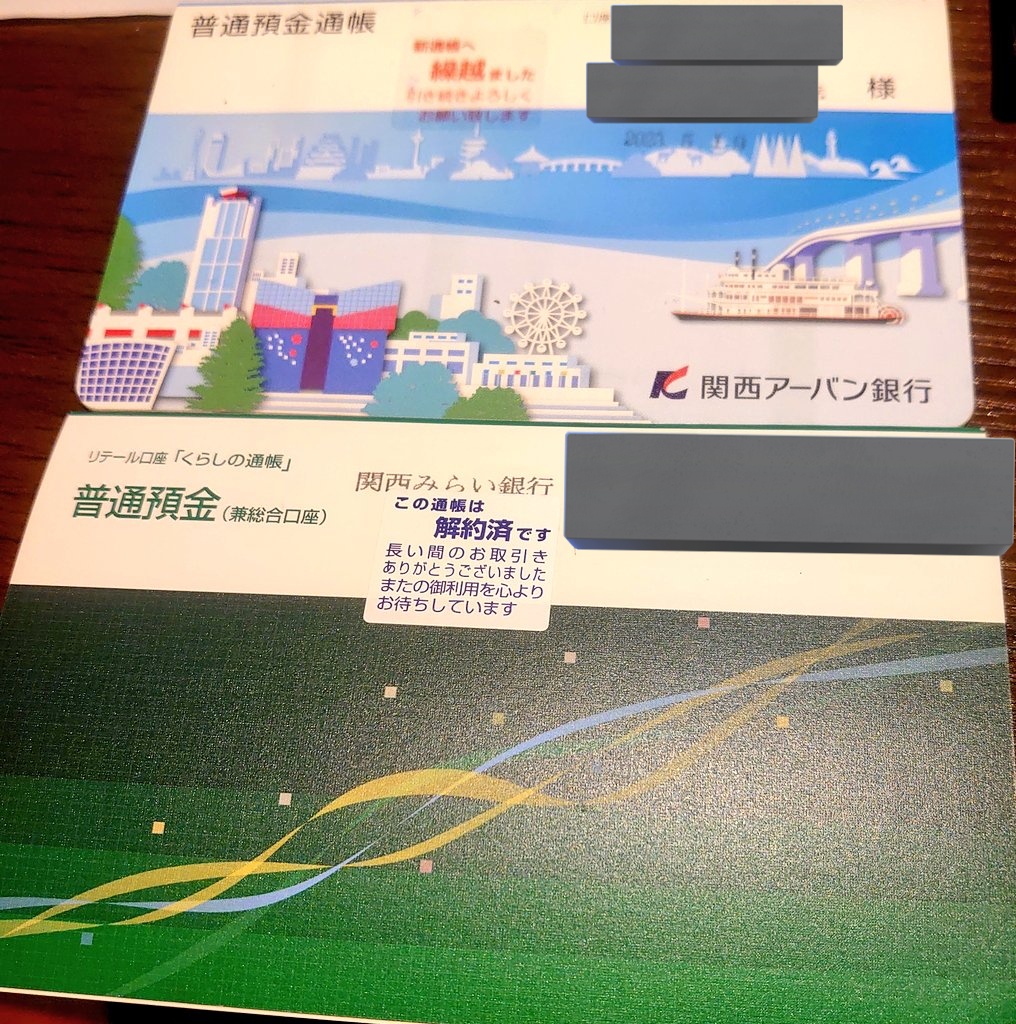
Opening an account or managing daily banking in Japan has changed dramatically over the past three years. Regional lenders like Kansai Mirai Bank, a key pillar of the Resona Group network alongside Resona Bank and Minato Bank, have fundamentally restructured their retail counter services. Physical paper passbooks (通帳, tsucho), once handed out automatically to every customer, now sit behind strict pricing barriers designed to accelerate Japan's shift toward paperless banking.
For international residents, expatriates, and local depositors across the Kansai region, requesting a paper passbook at a counter branch now carries immediate financial and procedural obligations. Whether you need a brand-new booklet, a replacement for a filled register, or emergency recovery for a lost bankbook, navigating branch procedures requires exact documentation and an understanding of where digital alternatives save both time and money.
📌 Key Takeaways:
- Issuance Pricing: New paper passbooks for accounts opened since early 2021 incur a ¥1,100 issuance fee, though seniors aged 70 and above remain exempt.
- Reissue vs. Carryover: Exchanging a completely filled passbook for a fresh volume is free at automated teller machines, whereas reissuing a lost or damaged booklet costs ¥1,100 at branch counters.
- Digital Shift: Switching to the Kansai Mirai digital passbook app permanently eliminates physical maintenance fees and retains transaction history for up to ten years.
The Drive Toward Paperless Banking Across the Resona Network
Japan's financial regulators and major banking conglomerates have spent decades subsidizing the operational overhead of physical paperwork. Under the Japanese Stamp Tax Act, financial institutions must pay a annual stamp duty of ¥200 for every active paper passbook on their ledger. Kansai Mirai Bank, formed through the integration of Kansai Urban Banking Corporation and The Kinki Osaka Bank under Resona Holdings, historically absorbed these fiscal costs alongside branch printing expenses.
That dynamic broke down as interest margins compressed and mobile infrastructure matured. Kansai Mirai Bank aligned its retail branch policies with parent Resona Group, introducing an explicit issuance fee for new paper bankbooks. The bank structured this policy to push everyday depositors toward app-based account management while maintaining teller accessibility for enterprise clients and elderly depositors who cannot navigate smartphone interfaces.
For foreign professionals and language students establishing financial roots in Osaka, Kyoto, or Kobe, this policy often creates initial confusion. Branch personnel at Kansai Mirai will routinely ask applicants whether they want a standard paper passbook or a digital account (Smart Passbook). Opting for paper without realizing the associated cost leads to unexpected deductions during initial branch processing.
Kansai Mirai Bank Passbook Issuance Fees and Exemption Rules
Kansai Mirai Bank passbook issuance falls into distinct regulatory categories depending on account age, customer demographics, and the physical state of the booklet itself. Understanding these categories prevents unnecessary teller counter charges.
For accounts opened after the policy rollout, securing a physical booklet carries an issuance fee of ¥1,100 (including consumption tax). This charge applies during initial account opening and whenever a customer opts to convert a previously digital account back to paper. However, key statutory and demographic carve-outs exist across the branch network:
Customers aged 70 and older do not pay the ¥1,100 fee for new passbooks, protecting older demographics who rely on physical printouts for pension tracking. Additionally, non-individual corporate accounts follow commercial fee schedules, and certain specialized trust or investment accounts remain paper-based without penalty.
Crucially, standard passbook renewal, known in Japanese banking as kurikoshi (繰越), remains free. When your existing booklet fills every printed transaction line, you do not pay a service fee to continue your transaction ledger. You only face counter fees if you lose the booklet, wash it in laundry, or request an optional paper conversion.
Passbook Lifecycles: Costs, Channels, and Branch Actions
Managing account registers involves different operational workflows depending on whether you complete the task at an automated terminal or through personal teller service.
| Passbook Action | Standard Fee (Tax Incl.) | Available Processing Channels | Mandatory Requirements |
|---|---|---|---|
| New Account Issuance | ¥1,100 (Free if age 70+) | Bank branch counter | ID document, official seal (inkan) or signature |
| Page Carryover (*Kurikoshi*) | Free | Resona / Kansai Mirai ATMs, branch counter | Full existing paper passbook |
| Lost Bankbook Reissue | ¥1,100 | Branch counter only | ID, registered inkan, cash card, incident report |
| Switch to Digital App | Free | Kansai Mirai Bank App | Cash card PIN, registered mobile phone |
| Revert Digital to Paper | ¥1,100 | Branch counter only | Primary identification, registered seal/signature |

Replacing a Lost, Stolen, or Damaged Kansai Mirai Passbook
Misplacing a bankbook in Japan requires immediate containment. Because a passbook paired with an unregistered personal seal (mitome-in) can theoretically expose accounts to counter fraud, Kansai Mirai Bank enforces a strict two-stage resolution protocol.
The initial step is freezing counter withdrawals. Contact the Kansai Mirai loss hotline immediately, available 24 hours a day, or lock transaction capabilities directly inside the Kansai Mirai banking app. This emergency freeze prevents anyone from presenting the passbook at a teller window to withdraw funds.
Once your funds are secure, visit a Kansai Mirai branch counter to initiate the reissue process. You must bring specific verification materials:
- Identification Documents: Foreign nationals must present an unexpired Residence Card (*Zairyu Card*) or Special Permanent Resident Certificate. Japanese nationals may present a My Number Card or Driver's License. Health insurance cards without photographic identification require supplementary documentation like a municipal tax receipt.
- Registered Bank Seal (*Ginko-in*): If you registered an *inkan* during account creation, you must present that exact seal. If you lost both the passbook and the seal simultaneously, inform the teller immediately; the bank will execute a seal-loss report (*kainkan todoke*) alongside the reissue.
- Cash Card: Presenting your active cash card speeds up terminal account verification.
- Reissue Processing Fee: Pay the ¥1,100 administrative replacement fee via account debit or counter cash.
Once teller review concludes, the branch prints and issues your replacement passbook immediately if you apply at your original home branch. Visiting a secondary branch within the Resona Group network may require up to one week for postal delivery to your registered residential address.
Updating Transactions and Executing ATM Passbook Rollovers
Many customers rarely visit a human teller, relying instead on automated teller machines across the Kansai Mirai and Resona networks. Running regular updates remains essential for those holding paper booklets.
If you let months pass without inserting your passbook into an ATM, Kansai Mirai Bank's core banking engine compresses extensive records into a single consolidated transaction block (o-matome kicho). Once combined into an aggregated lump sum, individual deposits, salary payments, and utility debits cannot be unbundled onto the physical paper. Updating your booklet every month or two prevents this aggregation.
Executing an automated carryover (kurikoshi) at an ATM requires no forms or fees. When the machine detects that your final page has run out of lines during an update:
- The ATM screen displays a notification stating that the booklet is full.
- The terminal checks whether its internal storage contains blank Kansai Mirai passbook stock.
- The machine retains the old booklet, punches a physical void hole through the magnetic strip, prints the residual balance onto the first line of a fresh passbook, and dispenses both booklets simultaneously.
Not every convenience store terminal supports this function. Seven Bank, Lawson Bank, and E-Net ATMs allow withdrawals and deposits via cash card, but they lack passbook transport modules. Complete updates and roll-overs must occur at Kansai Mirai branch ATMs or shared Resona Group machines.
Transitioning to the Kansai Mirai Digital Passbook App
For the vast majority of personal account holders, maintaining a physical paper passbook is an outdated liability. Carrying paper exposes you to theft, physical degradation, and avoidable service fees. Kansai Mirai Bank offers an integrated digital passbook within its smartphone application that completely replaces the printed register.
Switching to the paperless digital setup provides tangible operational benefits:
- Extended History: Physical booklets only hold around 20 to 30 transaction lines per page. The digital app securely stores up to 10 years of line-by-line financial records, allowing instant keyword searches and PDF statement downloads.
- Cost Elimination: No issuance charges, no replacement fees, and zero risk of ATM aggregation issues.
- Integrated Resona Network Security: Biometric login (Face ID / fingerprint authentication) replaces the physical vulnerability of carrying an *inkan* seal and booklet together.
Switching is straightforward. Download the official Kansai Mirai Bank App, choose account registration, and input your branch code, account number, name, and cash card PIN. Select the option to transition to the paperless account (Smart Account).
Be aware of one critical caveat: the moment your digital account activates, your physical paper passbook is permanently invalidated. Inserting that old booklet into an ATM afterward will trigger an error. Should you ever decide you need a paper passbook again, you will have to schedule an in-person branch appointment and pay the standard ¥1,100 counter fee.
Frequently Asked Questions (FAQ)
Q1: Can I update my Kansai Mirai Bank passbook at Resona Bank or Minato Bank ATMs?
A1: Yes. As core entities of the Resona Group, Kansai Mirai Bank, Resona Bank, and Minato Bank share ATM hardware. You can update transaction entries and complete standard balance inquiries across these branded terminals without incurring external processing surcharges.
Q2: What happens if my residence card expires before I request a passbook reissue?
A2: Under Japanese anti-money laundering regulations, banks freeze counter service requests if your visa status on file is expired. You must first renew your status with Immigration, bring your updated Residence Card to a Kansai Mirai branch to update your customer master record, and only then proceed with passbook reissue.
Q3: Is there any scenario where an adult under 70 gets a free paper passbook?
A3: If your Kansai Mirai account was originally opened prior to the implementation of the paper passbook fee structure (before early 2021), carryover (kurikoshi) from a filled booklet to a new one remains free. The fee applies only to new accounts opened after the policy start date or replacement of lost booklets.
Choosing the Right Account Path for 2026
Retail banking across Japan has made paper passbooks an optional luxury rather than a default service. While traditional paper registers provide a tactile ledger that some account holders prefer, they introduce recurring administrative frictions, strict branch documentation rules, and routine service fees.
For account holders who must retain a paper booklet for administrative filings, immigration proof, or personal accounting, safeguarding that document and keeping transactions updated prevents the ¥1,100 replacement penalty. For everyone else, embracing Kansai Mirai's digital app platform removes counter lines, protects transaction archives, and aligns personal banking with modern financial standards.
