How to Make and Pair Hamo Yakishimo-Zukuri at Home: Complete Guide
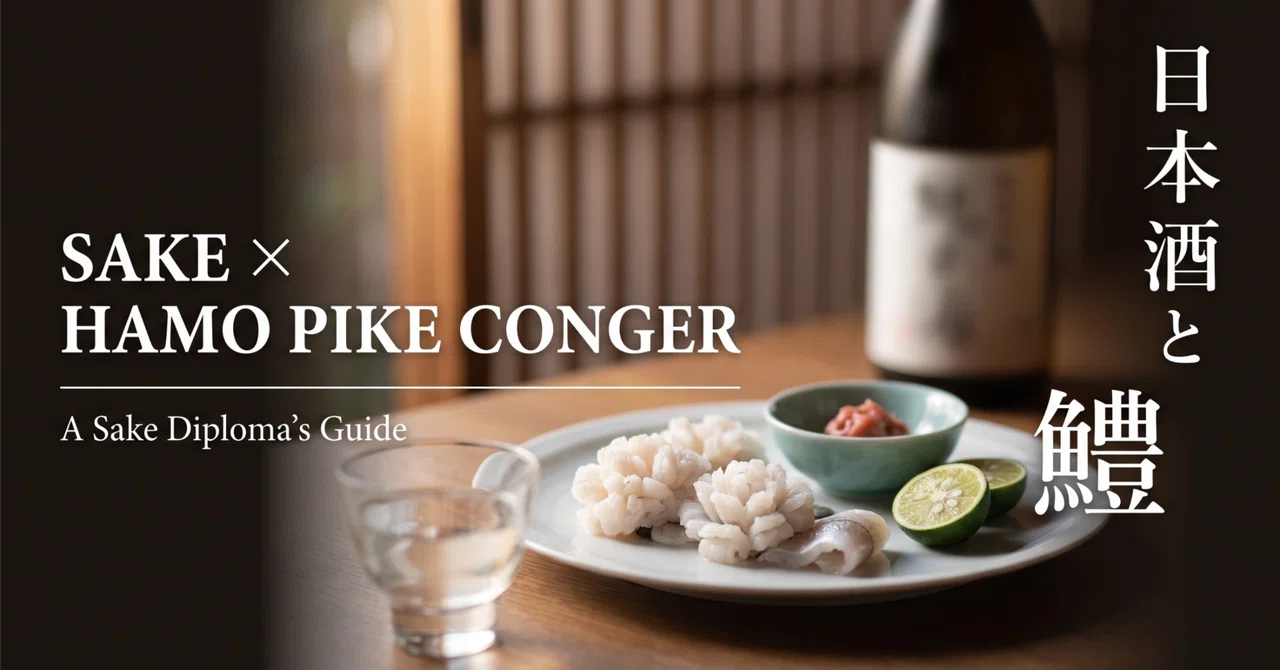
Every July, as humidity blankets the Kansai basin, Kyoto's kitchens turn entirely toward a ferocious, snakelike predator: the daggertooth pike conger. The fish is so deeply entwined with midsummer rituals that locals frequently call the historic Gion Matsuri the "Hamo Matsuri." While many diners are familiar with hamo otoshi, the poached, blooming white morsels chilled on ice, connoisseurs increasingly seek out hamo yakishimo-zukuri. This preparation blisters the tough, gelatinous skin over direct flame while preserving a translucent, raw core, turning a notoriously bony sea creature into an exquisite showcase of texture and marine sweetness. As highlighted in a recent culinary analysis by note Report exploring seasonal fish pairings, selecting the right preparation and beverage profile is essential because pike conger carries deceptive depth: it looks lean on the surface, but harbors rich subcutaneous fats and concentrated glutamic acid.
📌 Quick Summary:
- Core Technique: Yakishimo-zukuri scorches pike conger skin with high heat, rendering subcutaneous fats while keeping the delicate flesh raw beneath.
- The Essential Knife Work: Pre-cut fillets rely on honekiri, a micro-incising method that severs thousands of microscopic Y-shaped pin bones at 1-millimeter intervals.
- Table Presentation: Chilled over an ice bath, served alongside sharp condiments like sour umeboshi plum paste, citrusy ponzu, and crisp, mineral-forward dry junmai sake.
The Gion Matsuri Roots of Kyoto's Pike Conger Obsession
Pike conger earned its place in ancient Kyoto through sheer biological resilience. Before modern refrigerated transport linked the coast to inland Yamashiro basin markets, most ocean catches spoiled along the mountain trails from the Seto Inland Sea or Wakasa Bay. Hamo (Muraenesox cinereus) survived. Packed into wooden tubs with minimal damp straw, the creature pulled oxygen through its skin, arriving in the imperial capital alive, ferocious, and fresh.
Ancient cooks encountered a formidable hurdle: an anatomy cursed with dense networks of sharp, Y-shaped intermuscular bones that cannot be pulled out with tweezers without shredding the fillet. Rather than discard the fish, Kansai chefs developed honekiri, a rhythmic butchery discipline that slices through the meat down to the skin without piercing it. When summer heat peaks in July and August, rendering appetite scarce, Kyoto kaiseki summer cuisine highlights this seasonal staple for its restorative energy and light, savory finish.
The Science of Blistering Skin: Why Yakishimo Outshines Standard Sashimi
Raw pike conger sashimi is virtually impossible to chew unless the skin is removed or thermally transformed. Pike conger skin consists of dense structural collagen. Left completely raw, it chews like rubber. Boiled completely, the fillet loses its delicate springiness. The yakishimo (seared frost) technique solves this tension through controlled heat distribution.
By applying a high-temperature gas torch or radiant binchotan charcoal strictly to the skin side, culinary heat instantly liquefies the subcutaneous fat layer beneath the dermal sheet. This releases daggertooth pike conger umami directly into the adjacent flesh while the skin crisps and contracts. The immediate thermal shock of an ice bath stops cooking instantly, sealing the sweet juices and leaving the raw muscle firm, clean, and shimmering like rime frost.
Kitchen Blueprint: From Fillet to Table in Five Steps
Recreating this kaiseki standard at home does not require ten years of apprentice training if you buy pre-boned fish. Japanese fish markets and specialized Asian seafood distributors routinely sell fillets already treated with professional honekiri (labeled honekiri hamo).
| Phase | Process & Critical Timing | Culinary Objective |
|---|---|---|
| Preparation | Salt fillet skin; rest 10 minutes; pat dry | Purges surface moisture and neutralizes latent odors |
| Searing | Torch skin 15, 25 seconds at 1,200°C, 1,300°C | Crisps tough dermal collagen; triggers Maillard browning |
| Shocking | Submerge in ice-water bath for 5, 10 seconds | Halts internal thermal conduction; preserves raw interior |
| Portioning | Slice against fillet grain into 2, 3 cm segments | Maximizes mouthfeel balance between skin crispness and flesh |
Begin by laying your pre-boned fillet skin-side up on a heat-resistant surface or a metal grill grate set over a baking sheet. Dust the skin lightly with fine sea salt. This draws out trace moisture that would otherwise steam the skin rather than blister it.
Ignite your kitchen blowtorch. Hold the flame tip approximately 5 centimeters above the skin, sweeping smoothly from head to tail. The skin will curl, sizzle, and darken into speckled brown leopard spots within 20 seconds. Avoid aiming the flame at the flesh side; radiant heat penetrating through the skin is sufficient.
Immediately drop the seared strip into an ice-water bath. Keep it submerged for only 5 to 10 seconds, just enough to cool the skin without leaching water-soluble proteins into the bowl. Lift it out, transfer to paper towels, and pat dry with deliberate care. Slice crosswise into bite-sized segments using a sharp yanagiba or chef's knife, keeping the charred skin facing upward.
Classic Condiments: Umeboshi, Ponzu, and Wasabi Accents
Unlike tuna or salmon, which carry robust red fats, pike conger relies on sharp seasoning partners to cut through rendered skin oils while spotlighting the mild flesh.
The traditional Kansai condiment is baeniku, a tart paste beaten from salted umeboshi pickled plums mixed with a drop of mirin and dashi. The malic and citric acids in the plum cleanse the palate after each bite of charred skin. For a citrus-forward profile, serve with high-grade ponzu sauce containing real sudachi or yuzu juice alongside finely grated daikon radish and minced scallions. A speck of fresh wasabi mixed with micro-shiso leaves lends an herbal warmth that contrasts pleasantly against the cold, crisp meat.
Dry Junmai Pairing: Balancing Summer Heat and Seared Collagen
Pairing beverages with hamo yakishimo-zukuri requires balancing two opposing traits: delicate, subtly sweet raw meat and intense, smoky, gelatinous skin. Rich, fruity, floral sakes like heavy Junmai Daiginjo tend to overwhelm the white meat and leave a metallic aftertaste against the char.
The optimal partner is a bone-dry junmai sake (karakuchi) boasting an acidity score around 1.5 to 1.7 and a sake meter value (+SMV) between +4 and +8. Sakes brewed from Gohyakumangoku rice varieties deliver a lean, fast finish that scrubs the palate clean between courses. Chilled to roughly 10°C, 12°C, dry junmai matches the temperature of the cold sashimi while mirroring the savory umami unlocked by direct flame.
Frequently Asked Questions (FAQ)
Q1: Can I make hamo yakishimo-zukuri using a whole, unprepared pike conger at home?
A1: Preparing it from scratch is not recommended for home cooks unless you have professional Japanese culinary training. Severing the fish's hundreds of tiny intramuscular bones requires a heavy, wide-bladed honekiri bocho and years of practice slicing flesh at 1-millimeter intervals without piercing the delicate skin. Always purchase fresh fillets that are already pre-cut by a fishmonger.
Q2: What is the primary difference between hamo otoshi and hamo yakishimo?
A2: Hamo otoshi boils bone-cut pieces briefly in hot water until they curl into white blossom shapes before being chilled in iced water. Hamo yakishimo leaves the core meat raw while blistering only the exterior skin with high-heat flame, yielding a richer contrast between smoky crispness and sashimi-grade softness.
Q3: What should I use if I do not own a culinary blowtorch?
A3: A standard domestic oven broiler provides a viable alternative. Preheat your broiler on its highest setting, arrange the salted fillet skin-side up on an aluminum-lined tray placed on the top rack as close to the heating element as possible, and broil for 60 to 90 seconds before shocking immediately in ice water.
Bringing Kyoto's Prized Summer Craft to Modern Kitchens
Mastering hamo yakishimo-zukuri demonstrates how minimal heat can unlock complex textures in white fish. By using pre-boned fillets, a reliable blowtorch, and disciplined ice-bath chilling, home cooks can bypass hours of grueling butchery while capturing the essence of Kyoto's seasonal tables. Served alongside tart plum condiment and cold dry junmai, this dish turns simple ingredients into an unforgettable dining ritual.
