How to Make Viral Soupless Cheese Shin Ramyun: The Complete Guide

Broth used to define the instant ramen experience, but a fundamental shift in kitchen habits has turned that convention upside down. Across social feeds and casual dining counters in Tokyo and Seoul, cooks are systematically discarding the standard boiling broth in favor of a glossy, condensed emulsion of starch, fat, and fiery seasoning. Recent coverage from food culture outlets, including an insightful MSN Report detailing how diner secret menus transform traditional noodles into dry, high-impact meals, underscores how deeply brothless adaptations have entered mainstream culinary consciousness.
At the center of this trend sits Nongshim’s flagship red packet: Shin Ramyun. Known globally for its aggressive shiitake-and-chili punch, the classic noodle block transforms dramatically when drained and pan-glazed with melted mozzarella, butter, and raw egg yolk. Making this dish at home requires precise timing and balance. Without several cups of soup water to dilute the spice, dumping in a full seasoning sachet creates an unpalatable salt bomb. Mastering the dish demands an understanding of moisture retention, dairy fats, and starch physics.
📌 Key Takeaways:
- The Golden Ratio: Use exactly 50% to 60% of the Shin Ramyun soup powder packet to prevent extreme salt saturation when cooking dry.
- The Emulsion Factor: Reserve 60 to 80 ml of starchy cooking water; combine it with 15 grams of butter to bind the spicy seasoning into a velvety glaze rather than a chalky paste.
- Cheese Chemistry: Layer shredded low-moisture mozzarella for elastic pull alongside a single processed American slice for sodium citrate-powered creaminess.
The Brothless Evolution of Korean Instant Noodles
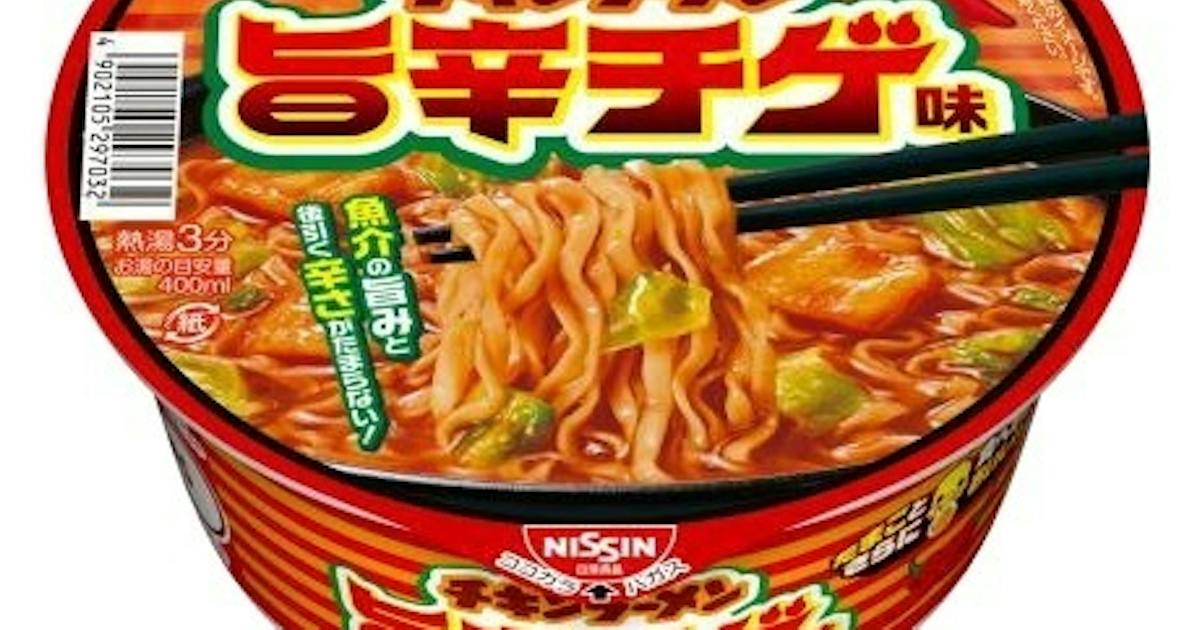
The move toward dry preparations reflects a broader change in retail noodle culture. Throughout 2026, manufacturers lean heavily into no-broth seasonal items. Nissin introduced dedicated brothless dry-curry Chicken Ramen bowls alongside sesame oil aburasoba variations to capture summer appetites, while specialty brands like Sugomen rolled out summer mala mazesoba lines. Even legacy conveyor-belt chains like Kappa Sushi experimented with crossover concepts, presenting sea bream seafood Shin Ramyun bowls in late 2026.
Yet homemade adaptations consistently outpace commercial releases in popularity. The soupless Shin Ramyun hack treats packaged Korean instant noodles as a base ingredient rather than a finished meal. Draining the boiling water removes the steam barrier that often mutes spice compounds on the tongue. When chilies and dehydrated bone broth flavors coat the noodle strands directly, heat perception intensifies. Dairy acts as the necessary foil. Casein proteins in cheese bind to capsaicin receptors, softening the blow without dulling the underlying umami profile.
The Powder Packet Dilemma: Solving Sodium Saturation
The single most common error in making cheesy soupless ramyeon is pouring the entire seasoning sachet into the pan. A standard packet of Shin Ramyun contains roughly 1,790 milligrams of sodium, engineered to season 500 to 550 milliliters of water. When reduced to a dry pan coating, that volume produces an aggressive, inedible salt concentration.
To achieve balanced flavor, use between half and two-thirds of the packet (approximately 5 to 7 grams). This provides enough chili heat, garlic powder, and MSG to thoroughly coat the noodles while leaving space for savory dairy additions. If you plan to incorporate salted butter or grated hard cheeses like parmesan, reduce the spice sachet portion strictly to 50%. Retain the dried vegetable mix (flakes) and boil them alongside the noodles so the shiitake mushrooms and scallions rehydrate fully before frying.
| Preparation Style | Powder Packet Ratio | Residual Water | Primary Fat / Binder |
|---|---|---|---|
| Classic Broth Style | 100% (Full Packet) | 500, 550 ml | None (Water Base) |
| Standard Cheesy Dry Hack | 50%, 60% | 60, 80 ml | Butter (15g) + Mozzarella |
| Dry Mazesoba Style | 40%, 50% | 30, 40 ml | Toasted Sesame Oil + Raw Egg Yolk |
| Creamy Carbonara Hybrid | 50% | 50 ml Milk / Cream | Processed American Slice + Garlic Butter |
Selecting and Melting the Ideal Cheese Blends
Not all cheeses behave identically when exposed to high-heat skillet conditions. Mozzarella provides visual appeal with long elastic strands, but it lacks emulsifiers. Cooked alone over direct heat, mozzarella separates into chewy protein clumps and pools of clear oil, creating a greasy bowl.
The solution lies in pairing cheese types. A single slice of yellow American cheese contains sodium citrate, an effective melting salt. When melted alongside shredded low-moisture mozzarella, the processed slice stabilizes the entire mixture, creating a smooth, velvety sauce that clings evenly to every noodle.
For an elevated finish, mix in a tablespoon of finely grated gouda or mild cheddar during the final tossing phase. The sharper cheeses enhance the beef extract notes inherent to the soup base, cutting cleanly through the heavy starch.
Step-by-Step Cooking Technique for Al Dente Texture
Achieving proper noodle texture requires strict timing. Shin Ramyun noodles are thicker than typical Japanese instant ramen, formulated with potato starch to yield a bouncy, chewy bite. Boiling them fully before transferring them to a frying pan guarantees mushy noodles.
- Undercook the Noodles: Bring water to a vigorous boil. Drop the noodle block and vegetable flakes. Boil for exactly 3 minutes and 30 seconds, one minute short of the package recommendation.
- Preserve the Starch Water: Before tipping the pot into a colander, scoop out half a mug (around 100 ml) of cloudy boiling water. This liquid contains gelatinized starch essential for building your sauce.
- Sauté the Base: Place a non-stick skillet over medium-low heat. Melt 15 grams of unsalted butter and add one clove of finely grated fresh garlic. Cook for 30 seconds until fragrant, ensuring the garlic does not brown.
- Build the Sauce: Pour 60 to 80 ml of your reserved noodle water directly into the pan. Stir in half of the Shin Ramyun seasoning packet. Whisk gently until the granules dissolve into a bubbling red broth.
- Combine and Emulsify: Add the drained noodles to the pan. Toss continuously using tongs for 45 seconds over medium heat, allowing the starches to thicken the liquid into an opaque glaze.
- Melt the Dairy: Lower heat to minimum. Lay a slice of American cheese and a handful of shredded mozzarella across the center of the noodles. Cover the skillet with a lid for 60 seconds to trap steam, melting the cheese without scorching the bottom.
Finishing Profiles: Egg Yolks, Aromatics, and Variations
Once plated, top the noodles immediately. A cold whole egg cools down the dish too quickly and dilutes the sauce excessively, but a single fresh raw egg yolk nestled into the warm center provides luxurious richness. Piercing the yolk just before eating creates a second layer of sauce, reminiscent of Tokyo-style dry mazesoba.
Garnish generously with finely sliced scallions, toasted white sesame seeds, and crushed seasoned seaweed (nori). The scallions cut through the butterfat, refreshing the palate between bites.
Home cooks seeking added protein can fry sliced pork belly, diced spam, or cocktail sausages in the skillet before blooming the garlic. The residual pork fat integrates directly into the emulsion, lending a robust, savory backbone that complements the fiery Korean chili base.
Frequently Asked Questions (FAQ)
Q1: Can I make this dish using Shin Ramyun Black or the Gold variety?
A1: Yes. Shin Ramyun Black works especially well because its secondary sul-lung-tang (ox bone broth) packet adds deep roasted garlic flavor and extra body. When using Black, use the full garlic-bone powder packet and half of the red spicy packet. Shin Ramyun Gold (chicken base) requires slightly less butter to avoid muting its delicate herbal profile.
Q2: Why did my sauce turn into a clumpy, greasy paste?
A2: This happens when the pan is too hot or dry. If the starchy cooking water evaporates completely before the cheese is added, dairy proteins break and separate into oil and grit. Maintain medium-low heat and ensure there is always a visible layer of bubbling liquid in the pan before introducing your cheese.
Q3: How do I lower the spice level without losing flavor?
A3: Reduce the seasoning packet to one-third, and substitute two tablespoons of the reserved water with whole milk or heavy cream. The added dairy fat buffers the capsaicin heat while preserving the savory mushroom and onion flavors of the base powder.
The Future of Modern Comfort Cooking
The rise of brothless, cheese-laden Shin Ramyun illustrates how home cooks routinely dismantle and reassemble mass-produced packaged foods to suit modern cravings. Instant noodles are no longer viewed merely as emergency rations meant to be eaten from disposable bowls. By managing boiling times, controlling sodium density, and applying standard pan-emulsion techniques, home chefs turn a humble pantry staple into an exceptionally satisfying comfort meal.
