How to Stop Waking Up at Night: The Complete Science-Backed Guide to Unbroken Sleep
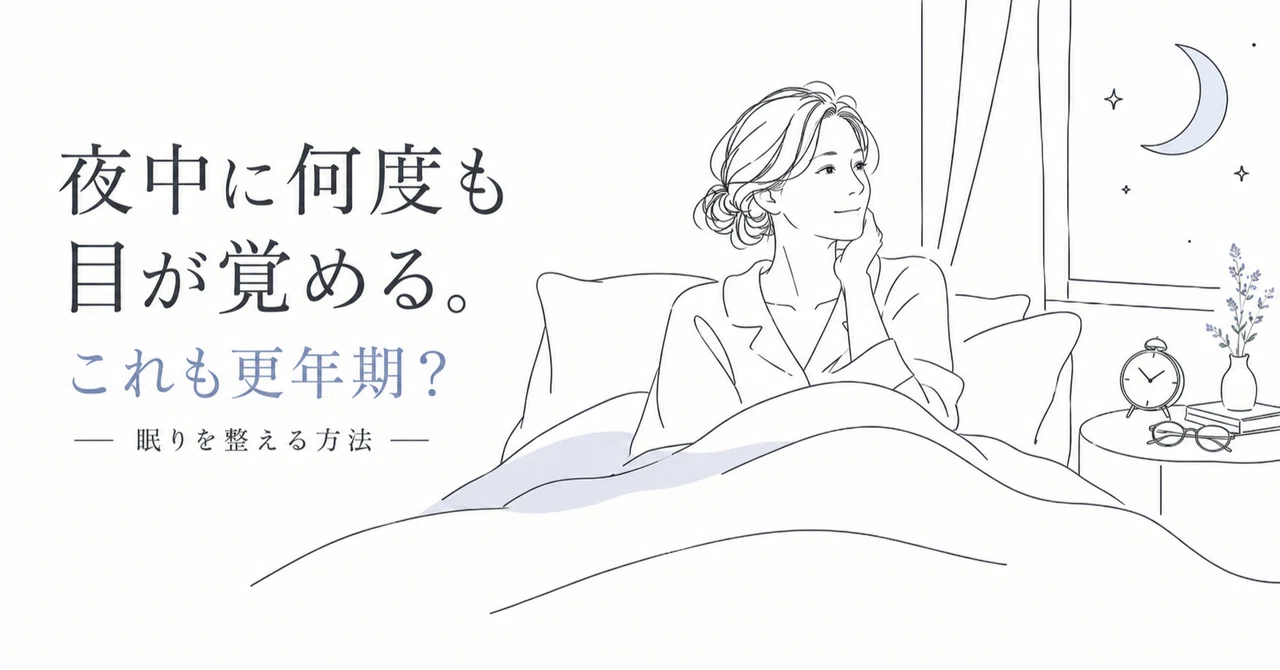
You open your eyes in pitch darkness, reach for your phone, and see the harsh glow: 3:17 AM. Two hours later, you startle awake again, heart thumping faintly against your ribs, fully aware that your alarm will ring in forty minutes. This pattern of broken rest, known clinically as nocturnal awakenings or sleep maintenance insomnia, afflicts millions of adults who fall asleep with ease but cannot remain under. While occasional waking is a natural facet of human biology, repeated fragmentation erodes daylight cognition, metabolic health, and emotional resilience.
Recent clinical wellness analyses, including a widely discussed note Report exploring mid-life sleep disruptions, document a sharp post-pandemic spike in nighttime arousal complaints across demographic groups. Understanding why consciousness intrudes during the dark hours requires examining the precise neurochemical triggers, circadian misalignments, and hormonal fluctuations that rip the brain out of restorative rest.
📌 Key Takeaways:
- The Core Mechanism: Waking up repeatedly stems from disruptions in sleep architecture, where shifts between deep slow-wave sleep and lighter REM phases leave the brain vulnerable to micro-arousals.
- The Hormonal Drivers: Premature spikes in the cortisol awakening response, paired with declining melatonin secretion or vasomotor instability, often trigger sudden alertness between 2:00 AM and 4:00 AM.
- Actionable Interventions: Stabilizing bedroom ambient temperatures to assist natural core body temperature drops, resetting light exposure timing, and removing stimulus feedback loops can rebuild continuous sleep blocks within two to three weeks.
The Biology of the 3 AM Wake-Up Call
Sleep is not a continuous, uniform state. Over an eight-hour night, the brain moves through multiple 90-to-110-minute cycles composed of non-rapid eye movement (NREM) stages and rapid eye movement (REM) sleep. During the first third of the night, the brain prioritizes deep slow-wave sleep, a state characterized by high-amplitude delta waves, physical tissue repair, and glymphatic clearance of metabolic waste. As the night progresses toward dawn, deep sleep stages shorten dramatically while REM and lighter Stage 2 NREM sleep expand.
This structural reality explains why almost nobody wakes up at 11:30 PM after turning in at 10:30 PM. The homeostatic sleep drive, the accumulation of adenosine built during waking hours, is at its peak during those early hours, anchoring the brain in deep sedation. By 3:00 AM, that adenosine pressure has largely burned off. The brain enters lighter sleep phases where sensory thresholds drop. A sudden ambient sound, an errant beam of street light, or a subtle internal physiological shift is suddenly enough to flip the thalamocortical switch from sleep to alert awareness.
When nocturnal awakenings occur, many individuals immediately assume they suffer from acute sleep pathology. In truth, waking briefly at the end of a sleep cycle is biologically normal. The pathology emerges when the brain detects that awakening, panics, releases adrenaline, and enters full cognitive arousal, rendering a return to sleep impossible for 45 to 90 minutes.
Hormonal Shifts: Cortisol Spikes, Night Sweats, and Mid-Life Disruption
Endocrine rhythms govern sleep continuity just as strictly as neural circuitry. Under healthy physiological conditions, cortisol, the body's primary glucocorticoid stress hormone, drops to its lowest baseline around midnight, slowly climbing during the second half of the night to reach its peak roughly thirty minutes after morning waking. This surge is known as the cortisol awakening response. Chronic psychological stress, elevated evening alcohol consumption, or erratic daytime schedules flatten this curve, causing a premature cortisol surge at 2:00 AM or 3:00 AM that shocks the nervous system into vigilance.
For individuals in their late 40s and 50s, endocrine fluctuations become even more pronounced. Menopausal sleep disturbance represents one of the most common yet chronically mismanaged causes of sleep maintenance insomnia. As systemic estrogen and progesterone levels decline, the brain's hypothalamic thermoregulatory center becomes hypersensitive. Minor ambient temperature shifts trigger intense vasomotor reactions, resulting in sudden night sweats and palpitations that jerk the nervous system into high alert.
Clinical data from public health agencies shows that over 50% of perimenopausal and postmenopausal women report frequent nighttime awakenings directly linked to these thermoregulatory spikes. Progesterone also acts as an endogenous neurosteroid that stimulates GABA receptors, the brain's primary calming neurotransmitter. When progesterone drops, the brain loses a vital chemical brake against midnight arousal.
The Age Factor: Tracking Sleep Fragmentation Over Decades
Age brings inevitable changes to the central nervous system's internal timekeeping mechanism. The suprachiasmatic nucleus (SCN), located in the hypothalamus, gradually loses cellular density over decades. This neurological wear alters the amplitude of daily rhythms, producing noticeable age-related sleep fragmentation. Longitudinal health data demonstrates that more than 33% of adults aged 60 and older experience persistent nocturnal awakenings, often waking three or more times per night.
Compounding this structural decline is the calcification of the pineal gland, which severely suppresses nightly melatonin secretion. While a healthy 20-year-old produces robust surges of endogenous melatonin that sustain sleep throughout the dark cycle, a 65-year-old produces a fraction of that baseline. Without sufficient melatonin signaling to suppress wake-promoting networks in the brainstem, sleep fragments into disjointed blocks.
| Awakening Type | Underlying Biological Driver | Targeted Clinical Solution |
|---|---|---|
| Early Morning Wake-Up (4:00, 5:00 AM) | Premature cortisol awakening response; phase-advanced circadian rhythm | Late-afternoon outdoor light exposure; high-protein evening meals |
| Mid-Cycle Jolt (2:00, 3:30 AM) | Alcohol rebound effect, reactive hypoglycemia, or autonomic vasomotor surge | Zero alcohol within 4 hours of bed; complex carbohydrate micro-snack before sleep |
| Sensory & Restless Arousal | Thermoregulation failure; deficiency in deep slow-wave sleep depth | Lowering room ambient temperature to 65°F (18°C); warm bath 90 minutes prior to bed |
| Menopausal Fragmentation | Estrogen withdrawal; sudden hypothalamic vasodilation (night sweats) | Hormone optimization therapy evaluation; breathable moisture-wicking bedding |

Core Body Temperature and the Bedroom Microclimate
To initiate and maintain sleep, human biology requires internal cooling. The central circadian clock orchestrates a mandatory drop in body temperature, sending blood flow to distal extremities, hands and feet, to radiate heat away from the vital organs. A successful entry into deep sleep requires an internal temperature drop of roughly 1°C to 1.5°C (2°F to 3°F). If the bedroom environment prevents this thermal dissipation, sleep architecture fractures.
Many individuals unknowingly sabotage this mechanism by keeping bedrooms too warm or piling on non-breathable synthetic blankets. When ambient room temperature exceeds 68°F (20°C), the body struggles to shed heat during the second half of the night, when metabolic rate dips to its lowest point. The autonomic nervous system responds by elevating heart rate and triggering micro-arousals to initiate sweating.
Taking a warm bath or shower 90 minutes before sleep leverages this physiological principle. While soaking in warm water temporarily raises peripheral skin temperature, stepping out into a cooler bathroom induces rapid vasodilation. Blood rushes to the surface, heat radiates away quickly, and internal core temperature drops, sending an unambiguous physiological signal to the brain that initiates deep, consolidated rest.
Protocol Revisions: Sleep Hygiene Fixes That Deliver Results
Reversing chronic nocturnal awakenings demands deliberate behavioral modifications rather than passive reliance on over-the-counter sleep aids. Sedatives like diphenhydramine or benzodiazepines knock out the cerebral cortex without restoring natural sleep architecture; they mask awakenings by inducing chemical stupor while completely destroying restorative slow-wave and REM sleep.
A functional intervention protocol centers on three behavioral pillars:
First, eliminate the clock-checking reflex. Looking at a clock when waking up in the middle of the night activates analytical processing in the prefrontal cortex: "It is 3:14 AM. If I fall asleep now, I get two hours and forty-six minutes." This rapid mental calculation triggers instantaneous sympathetic arousal, releasing noradrenaline that ensures you stay awake. Turn all clock displays away from view and banish smartphones from reach.
Second, deploy the twenty-minute stimulus control rule. If you find yourself awake for roughly twenty minutes and your mind begins racing, get out of bed. Remaining in bed tossing and turning conditions the brain to associate the mattress with frustration, hyperarousal, and vigilance. Move to a dimly lit room, sit in a supportive chair, and read a physical book under soft amber light until heavy sleep pressure returns.
Third, stabilize your circadian light-dark cycle. Nighttime awakenings are frequently caused by daytime circadian rhythm disruption. The human clock requires strong environmental anchors: view 10 to 15 minutes of direct morning sunlight within an hour of waking to set the pineal melatonin timer for 16 hours later. In the evening, dim overhead household lighting after 8:00 PM to protect fragile melatonin secretion from suppression by short-wavelength blue light.
Frequently Asked Questions (FAQ)
Q1: Why do I almost always wake up right before my alarm goes off?
A1: The brain runs an internal master clock regulated by the protein PER1. When your wake-up time is consistent, the nervous system anticipates the stress of rising by gradually elevating core body temperature and releasing cortisol roughly an hour before the alarm sounds. Waking up two to five minutes before your scheduled alarm is a sign of a well-entrained circadian rhythm, not insomnia.
Q2: Can drinking a glass of wine in the evening help me sleep through the night?
A2: Alcohol is one of the most potent disruptors of sleep continuity. While it acts as a central nervous system depressant that speeds sleep onset, its metabolic breakdown products, chiefly acetaldehyde, trigger severe autonomic rebound arousal four to five hours later. Alcohol completely fragments sleep architecture, suppresses REM cycles, and causes frequent mid-night awakenings accompanied by dehydration and elevated heart rates.
Q3: How can I tell if my nocturnal awakenings are caused by sleep apnea?
A3: If your nighttime awakenings are accompanied by gasping for air, choking sensations, a dry mouth, morning headaches, or loud snoring noticed by a bed partner, obstructive sleep apnea is a strong possibility. In these cases, airway collapse drops blood oxygen saturation, forcing the brain into panic-driven micro-awakenings to restart breathing. This condition requires a formal clinical sleep study rather than basic behavioral sleep hygiene adjustments.
Rebuilding Continuous Sleep Cycles
Curing sleep maintenance insomnia requires moving away from the hunt for quick fixes and addressing the underlying biological triggers: thermal regulation, hormonal spikes, and behavioral conditioned arousal. When the body's internal rhythms align with environmental cues, fragmented nights naturally coalesce into long, unbroken stretches of deep restorative sleep. Progress takes discipline, anchoring morning sunlight, eliminating late-night alcohol, cooling the bedroom environment, and training the mind to drop clock-watching anxiety. Within two to three weeks of consistent protocol adherence, the brain recalibrates, restoring the deep, continuous sleep that sustained health demands.
