Hype or Perfection? Fact-Checking the Acclaimed Shimada Seimen Shokudo in Toyonaka
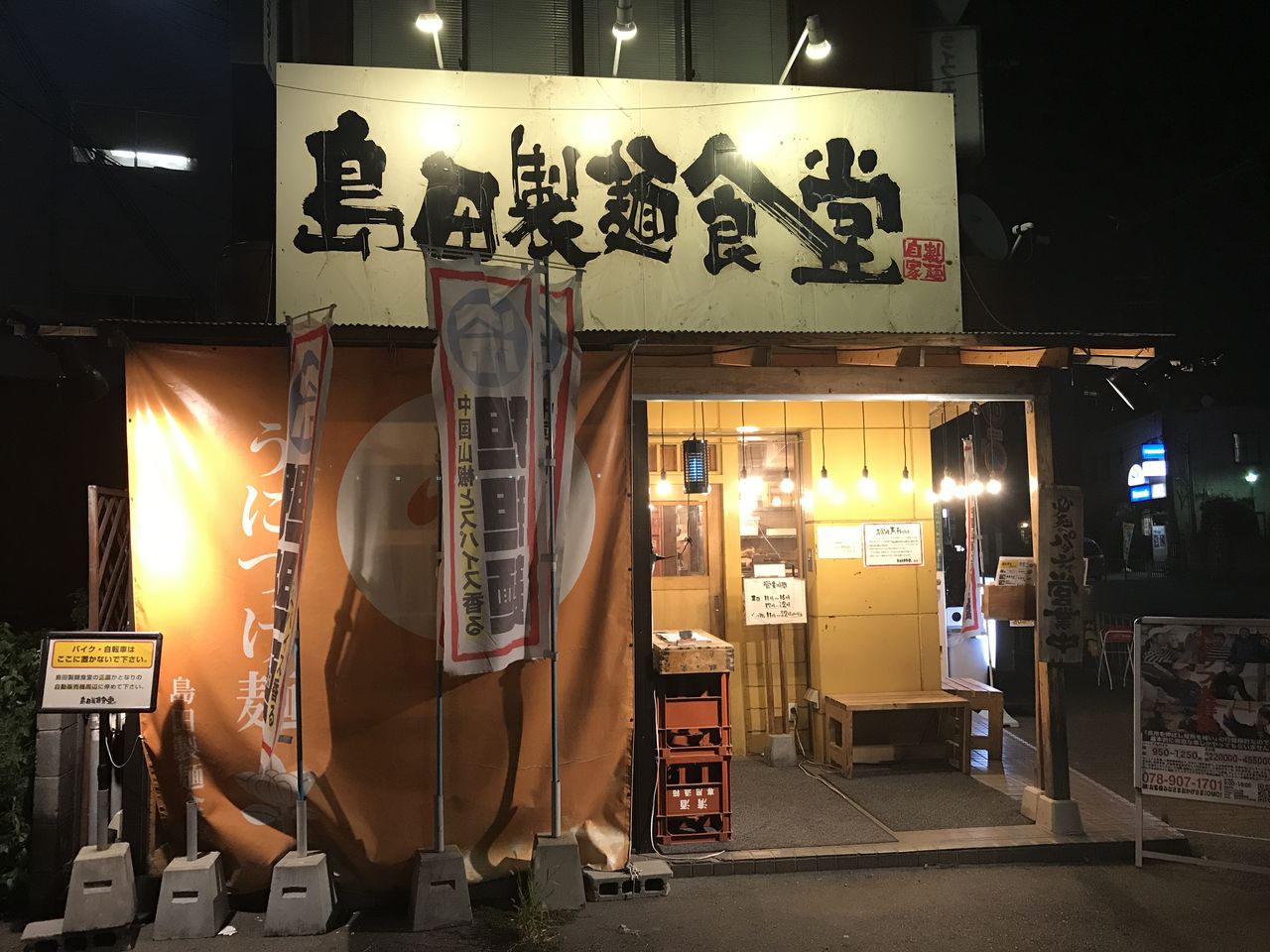
Stepping off the Hankyu train at Hotarugaike Station, most travelers head west toward the monorail link for Osaka’s Itami Airport. A steady drift of hungry commuters, however, turns east down Route 176, following an unmistakable scent of roasted flying fish and emulsified poultry fat. This quiet suburban strip in Toyonaka hosts Shimada Seimen Shokudo, a cramped temple of noodle craft that has maintained lines outside its sliding door for more than a decade. The shop earned international fame when the Michelin Guide awarded it Bib Gourmand status, transforming a neighborhood noodle counter into an obligatory pilgrimage for global broth obsessives.
Social media feeds across East Asia frequently frame the shop as a life-changing bowl, but long-term patrons know the realities of local dining are far more nuanced. Spikes in overseas tourism through Kansai have tested the kitchen's pacing, shifted pricing structures, and placed intense pressure on the kitchen's signature high-extraction boiling vats. Separating genuine culinary mastery from algorithmic hype requires looking directly at the chemistry of the stockpots, the sourcing of the wheat, and how the business handles the daily crush of patrons.
📌 Key Takeaways:
- The Core Distinction: Shimada Seimen Shokudo blends traditional stone-ground whole wheat noodles with an unusually dense ago dashi (flying fish) and chicken emulsion base that avoids synthetic stabilizers.
- The Wait Reality: Average peak wait times range between 35 and 65 minutes during lunch service, requiring strict adherence to ticket-vending queue rules.
- Value Assessment: While base bowls sit around ¥1,050, ¥1,450, the extreme broth viscosity caters primarily to devotees of rich, heavy-impact profiles rather than light Tokyo-style shoyu purists.
The Flying Fish Formula Behind Hotarugaike’s Famous Broth
The foundation of the shop’s reputation rests on its refusal to compromise on ago, charcoal-dried flying fish sourced primarily from Nagasaki and the Goto Islands. In standard Kansai dashi production, bonito flakes and kombu provide a gentle, rounded sweetness. Flying fish, by contrast, introduces a muscular, smoky salinity packed with naturally occurring inosinate compounds. Head chef and founder Kensuke Shimada recognized early on that marrying this coastal extract with a collagen-heavy base would produce a flavor profile distinct from the standard tonkotsu soups dominating western Japan.
The culinary team runs a multi-tier extraction process. They simmer raw chicken bones and pork knuckles over intense heat for upwards of ten hours, breaking down connective tissue until the soup reaches an exceptional umami broth density. They fold the concentrated seafood liquor into this bubbling base during the final cooking phase, preserving the volatile aromatic oils of the fish while preventing bitter off-notes. The result is neither a straightforward fish soup nor a conventional white chicken paitan, but a savory hybrid that clings aggressively to whatever it touches.
Tasting this broth reveals an immediate savory shock followed by the deep, lingering char of the dried fish. Salt levels sit higher than in traditional Kyoto noodle shops, calibrated intentionally to stand up against cold, thick noodles. For diners accustomed to delicate broths, the first spoonful can feel overwhelmingly rich. For diners who appreciate deliberate culinary power, it shows why this suburban counter remains an indispensable stop within the wider Osaka gourmet noodle scene.
Flour, Ash Content, and the Physics of the Stone-Ground Tsukemen
Broth generates visual appeal on camera, but noodles decide whether a shop retains repeat customers. Shimada Seimen Shokudo operates essentially as an artisanal mill, mixing flour on-site using stone-ground domestic wheat that retains a deliberate percentage of the grain's outer germ. Tiny brown flecks scatter across the surface of the pale, square-cut tsukemen strands, signaling an elevated ash content that translates to a rustic, toasted-grain flavor profile when chewed.
Hydration levels are kept strictly between 38% and 41%, producing a dense noodle that demands aggressive boiling before an immediate shock in ice water. This rapid temperature plunge halts cooking instantly, tightening the gluten matrix and yielding the firm, resilient chew prized by serious noodle reviewers. Unlike mass-manufactured yellow alkaline noodles that turn gummy within minutes, these strands maintain their structural integrity throughout an entire meal.
The portion sizes reflect an older, generous Kansai tradition. Diners can adjust their carb volume at the ticket machine without massive surcharges, receiving platters that range from a standard 200 grams up to hearty 300-gram portions. Dipping a cold bundle of these noodles into the steaming, emulsion-heavy dip basin drops the broth temperature gradually, yet the thick starch coating ensures each strand drags up a measurable film of rich pork bone seafood soup.
From Local Toyonaka Counter to Bib Gourmand Phenomenon
When the Michelin Guide inspectors first visited the modest storefront along Route 176 in the mid-2010s, they uncovered an establishment operating in direct defiance of corporate fast-casual shortcuts. The recognition catapulted Shimada Seimen Shokudo from an insider tip shared among Hankyu rail commuters into an international culinary landmark. That spotlight also forced the team to rethink production logistics, supplier agreements, and service flow to withstand sudden spikes in foot traffic.
| Operational Metric | Early Era (2014, 2018) | Current Operation (2024, 2026) |
|---|---|---|
| Base Bowl Price Range | ¥780, ¥950 | ¥1,050, ¥1,450 |
| Average Peak Wait Time | 15, 30 minutes | 40, 65 minutes |
| Flour Sourcing Focus | Standard domestic blend | Custom stone-ground domestic blend |
| Kitchen Workflow | Single-batch manual boil | Precision digital-timer batch system |
The shop adapted by expanding its operational footprint across the Kansai region through sister locations and specialty noodle consulting, but the Toyonaka flagship retained its independent soul. Regular customers noted that while prices gradually climbed to absorb soaring fuel and domestic wheat costs, the ingredient quality in the signature chashu toppings actually improved. The kitchen replaced conventional braised pork belly with low-temperature sous-vide pork shoulder, delivering tender, pink slices finished with an aromatic torched rim.
Navigating the Line: Peak Hours and Practical Etiquette
Securing a bowl at Shimada Seimen Shokudo requires navigating an orderly dance common to elite Japanese street dining. The shop operates on a shokenki (automated ticket vending machine) protocol. During peak hours, entering the queue requires specific timing to keep pedestrian walkways clear along the busy road outside.
Staff members periodically emerge from behind the noren curtain to inspect the ticket line and guide waiting patrons toward the machine. Diners purchase their meal tickets before returning to their designated spot on the pavement outside. Cash remains necessary for the traditional mechanical machines, though updated terminals increasingly accept local transit IC cards and QR-based smartphone payments. Attempting to save places for friends arriving later breaches basic line conduct; parties must assemble in full before joining the queue.
Inside the restaurant, eight to ten counter seats face directly into the open steam kitchen. Space is tight, leaving minimal room for rolling suitcases or oversized travel backpacks. Savvy diners traveling to or from Itami Airport store their luggage in coin lockers at Hotarugaike Station before walking the five minutes down the road. Water is self-service from counter dispensers, and slurping noodles briskly is both culturally expected and practically necessary to pull cooling air across hot bites of tsukemen.
Deconstructing the Signature Menu Options
First-time visitors often face a confusing array of options on the ticketing terminal. While seasonal variations appear, the culinary core splits into two distinct categories: rich seafood-pork dipping noodles and thick poultry-based ramen.
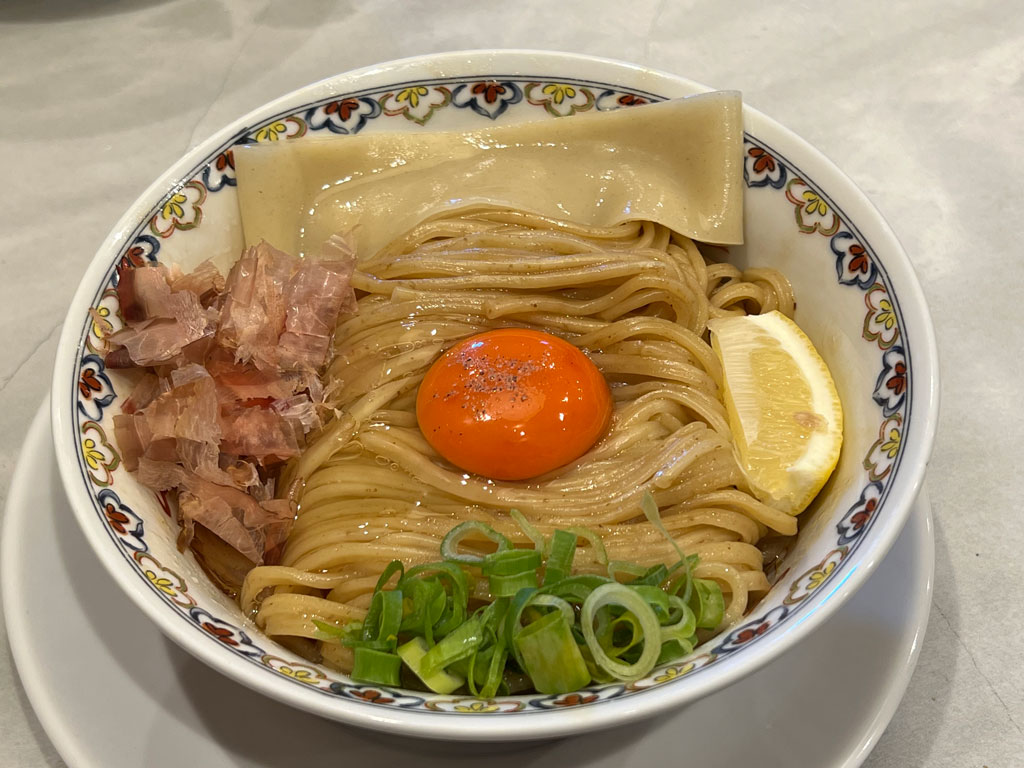
The undisputed flagship is the Uonyu Tsukemen. This dish pairs stone-milled noodles with a concentrated dip bowl layered with flying fish oil, soft pork cubes, and fresh scallions. The broth arrives at a near-boiling temperature, thick enough to hold dipping spoons upright for a moment before they sink. Diners can request soup-wari at the end of the meal, prompting cooks to dilute the leftover dip with hot, clear kelp stock so it can be consumed as a finishing soup.
For diners seeking traditional ramen bowls rather than dipping formats, the Tori Paitan offers an emulsion built on pure chicken fat and bone marrow, topped with purple onions, bamboo shoots, and thin cuts of rare chashu. The broth drinks like a French velouté, coats the palate instantly, and relies heavily on the sharp bite of raw scallions to cut through the richness. Those seeking a lighter footprint should order the standard Ago Dashi Shoyu Ramen, which swaps thick poultry fats for a clear, resonant fish dashi base seasoned with aged Kansai soy sauce.
Evaluating the Criticisms: Salt Levels, Wait Times, and Hype
No restaurant sustains viral fame without drawing legitimate criticism. A review of verified customer sentiment across culinary platforms like Tabelog reveals persistent complaints regarding sodium saturation and ambient shop comfort. The dense umami broth density that excites dedicated ramen enthusiasts strikes occasional diners as excessively salty, particularly toward the bottom of the tsukemen bowl.
The tiny counter setup also limits comfort. Ventilation works hard against boiling broth vats, keeping the small dining room warm and humid during humid Osaka summers. Stools are fixed and backless, discouraging leisurely conversation. The staff prioritizes swift table turnover, meaning patrons who finish eating are expected to clear their counter space, wipe down their station with provided cloths, and vacate their seats for waiting customers outside.
Diners who appreciate delicate, clear broths like Tokyo shio ramen or those looking for a relaxed sit-down dinner may find the experience intense and rushed. Those who love powerful, heavily concentrated stocks, rich wheat textures, and classic counter dining will discover one of the most mechanically sound noodle operations in the prefecture.
Frequently Asked Questions (FAQ)
Q1: What is the closest train station to Shimada Seimen Shokudo, and how long is the walk?
A1: The restaurant is located approximately 4 to 6 minutes on foot east of Hotarugaike Station, which connects directly to the Hankyu Takarazuka Line and the Osaka Monorail.
Q2: How much should visitors expect to spend per person?
A2: Most standard bowls of ramen and tsukemen cost between ¥1,050 and ¥1,450. Adding extra chashu toppings, ajitama seasoned eggs, or side orders of rice brings an average meal cost to roughly ¥1,500 to ¥1,850.
Q3: Can travelers bring large suitcases directly into the dining room?
A3: Space inside the shop is extremely limited, with narrow counter aisles that cannot comfortably hold large rolling luggage. Visitors traveling to or from nearby Itami Airport should leave heavy bags in station lockers at Hotarugaike Station before joining the line.
Q4: Is there a vegetarian or vegan option available on the menu?
A4: No. Every broth base at the shop relies on animal stocks, fish dashi, or blended poultry reductions, and the ticket machine does not offer meat-free or fish-free alternatives.
The Verdict on Hotarugaike's Craft in 2026
Shimada Seimen Shokudo confirms that culinary longevity requires substance well beyond viral videos. The kitchen’s dedication to stone-ground domestic milling produces a noodle that competes with the finest tsukemen in Tokyo or Kyoto. Anchoring those hearty strands in a complex, flying-fish-driven reduction delivers an assertive regional identity that justifies its spot in Osaka’s competitive dining landscape.
The experience is undeniably focused, demanding that visitors trade personal dining comfort and time for deep, uncompromised umami. For diners stepping off the monorail hungry for culinary grit, this unassuming Toyonaka storefront remains well worth the wait.
