Inside Adachi Ward's Newest Dog Hub: Atmosphere, Menus, and Amenities

For decades, urban dog ownership across Tokyo meant navigating tight high-rises and tiny pedestrian alleys. Pet owners in search of a sit-down meal with their animals routinely squeezed into cramped storefronts in Shibuya or Meguro, where space was tight and energetic dogs quickly became stressed. That dynamic is shifting rapidly across northeastern Tokyo. According to an official company announcement documented in a PR TIMES Report, Saitama-based canine specialist Tokyo DOGS, led by CEO Hiroto Matsuo, opened its first metropolitan location in Adachi Ward. The venue marks a deliberate shift away from novelty animal attractions, pairing positive reinforcement training with roomy, leash-friendly dining.
Adachi Ward is known for its wide residential tracts and riverbank greenbelts along the Arakawa. It has quietly turned into one of the most practical hubs for canine living in Tokyo. The opening of specialized venues like Tokyo DOGS Adachi brings an integrated model to the neighborhood: an indoor dog lounge, dedicated puppy socialization hubs, and health-focused dining for both species under one roof.
📌 Key Takeaways:
- The Venue: Tokyo DOGS brought its regional footprint into Adachi Ward, pairing behavioral training facilities with everyday pet-friendly dining.
- The Method: The space replaces standard leash-and-sit cafe mechanics with positive reinforcement training programs, offering free neighborhood trial sessions.
- The Shift: Tokyo dog owners are moving away from congested city-center micro-cafes toward spacious outer-ward lounges that provide canine gourmet menus and socialization routines.
The Shift from Central Tokyo Micro-Cafes to Shitamachi Lounges
Central Tokyo pet cafes long suffered from an unavoidable real estate crunch. Most venues in Roppongi, Harajuku, or Omotesando operate on tight floor plans averaging under 40 square meters. In those settings, leashed dogs sit inches from unfamiliar tables, creating sensory overload, territorial barking, and constant owner stress.
Adachi Ward provides a workable alternative. With direct transit access via Kitasenju and suburban-scale footprints, neighborhood commercial properties allow operators to build actual breathing room. At Tokyo DOGS Adachi, the emphasis sits on cohabitation rather than commercial novelty. CEO Hiroto Matsuo founded the concept in Koshigaya, Saitama, centering the brand on homeru shitsuke, praise-based, force-free canine education.
Expanding across the prefectural border into Adachi allowed the team to build an indoor dog lounge that doubles as an educational center. Instead of running a showroom where tourists pet resident animals, the location functions as an owner-dog community anchor. Free trial workshops regularly introduce basic obedience routines to local residents, helping dogs adapt to shared public spaces without anxiety.
Inside the Layout: Positive Training Meets Cafe Hospitality
The physical setup of the Adachi venue balances owner comfort with behavioral design. Slip-resistant flooring with high impact absorption covers the entire public area, protecting patellas and hips across small breeds like Toy Poodles and Shiba Inus. Acoustic baffling along the ceiling dampens sudden barks, preventing the echoing panic common in minimalist concrete cafes.
Seating sections maintain a minimum clearance of 1.8 meters between tables. That buffer creates a clear decompression zone, allowing reactive dogs to settle without feeling cornered by neighboring parties. Low-profile partition planters block direct, prolonged eye contact between unfamiliar animals, a primary trigger for leash aggression.
Beyond the dining floor sits the enclosed socialization zone. Supervised by certified behavior specialists, this area hosts puppy socialization hubs tailored for dogs under 10 months old. Owners learn to read subtle stress signals, lip licking, yawning, stiff postures, while their pets explore novel textures, obstacle ramps, and calm playmates. Rather than using corrections or choke chains, trainers direct animals through reward markers, reinforcing relaxed body language with high-value treats.
Comparing Tokyo's Dog-Friendly Formats: Space, Menus, and Costs
Understanding the differences between Tokyo's pet dining models helps owners choose the right environment for their dog's temperament and training level.
| Operational Model | Average Floor Area | Hourly Cost / Cover | Primary Focus |
|---|---|---|---|
| Central Tokyo Rental Cafes (Shibuya/Minato) | 25, 45 sq meters | ¥1,800, ¥3,200 | Tourist interactions, resident pet petting |
| Kitasenju Riverside Bistros | 50, 80 sq meters | Menu order only (¥1,200, ¥2,500) | Terrace seating, casual post-walk dining |
| Adachi Hybrid Lounges (Tokyo DOGS model) | 110, 180 sq meters | Free entry to ¥2,500 (workshops extra) | Force-free training, socialization, nutrition |
Canine Gourmet Menus and Owner Amenities
The culinary options at modern Adachi Ward dog cafes go far beyond pre-packaged dry kibble. In-house pet kitchens prepare balanced, human-grade dishes calculated by certified veterinary nutritionists. Salt, onions, garlic, and artificial preservatives are strictly absent.
A typical canine gourmet menu highlights regional, seasonal ingredients:
- Steamed Ezo venison terrine paired with pumpkin puree (¥750, ¥950)
- Low-temperature poached chicken tenderloin served with dashi broth and grated carrots (¥600, ¥850)
- Lactose-free goat milk gelée topped with freeze-dried strawberry powder (¥500)
Each dish comes with a printed macronutrient card detailing protein, moisture, and caloric density. That clarity lets owners log exact caloric intakes against their pets' daily energy needs.
Human visitors order specialty pour-over coffee, seasonal teas, and balanced lunch sets featuring locally sourced vegetables. Sanitation rules remain stringent. Tables feature dual hook mounts rated to 35 kilograms of pull force, keeping dogs anchored safely without owners looping leashes around drinkware or wobbly chair legs. Clean-up stations line the perimeter, stocked with enzyme deodorizing sprays, organic wet wipes, and touchless disposal bins.
Neighborhood Etiquette and Socialization Standards
Tokyo dog owner community standards are rigorous, and Adachi venues maintain clear rules to protect every visitor. Understanding dog cafe etiquette Tokyo conventions keeps visits seamless:
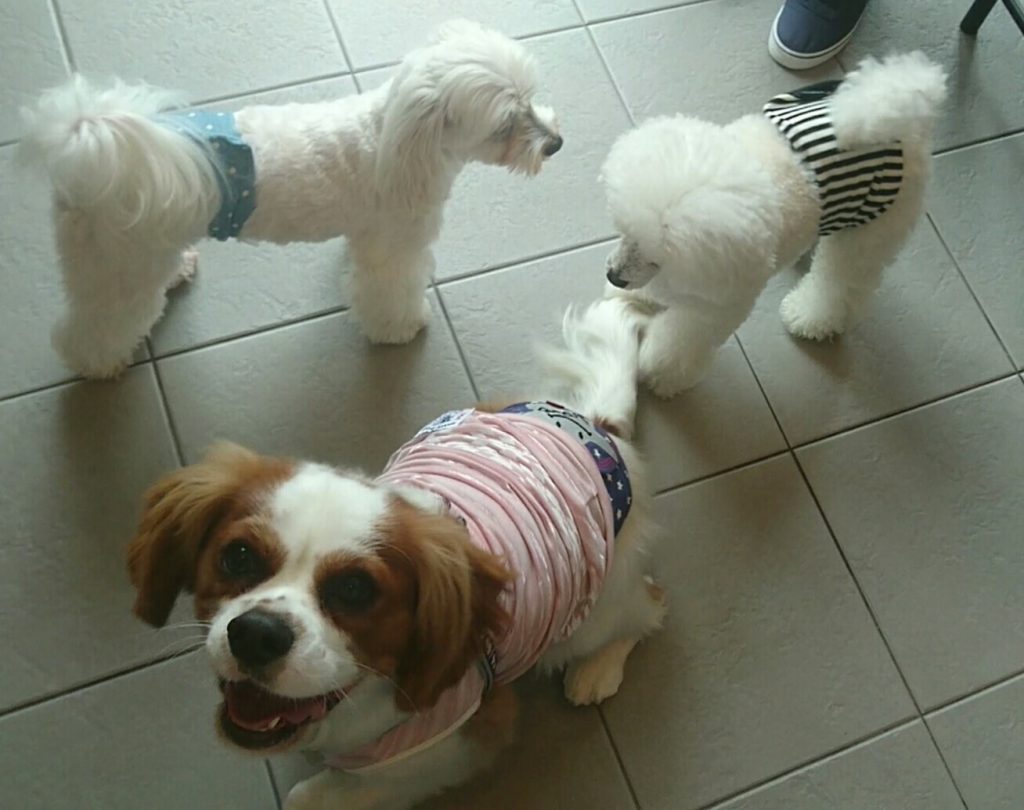
- Manners Belts and Diapers: Male dogs frequently wear belly bands indoors to eliminate marking on table legs. Female dogs wear diapers if in season. Most venues provide these at the reception counter for a nominal fee of ¥100, ¥200.
- Leash Mechanics: Retractable flexi-leads are prohibited inside the lounge. Handlers must use non-extendable leads kept at a length of 1.2 meters or shorter until an authorized trainer approves entry into the off-leash play pen.
- Feeding Protocol: Never offer treats to another customer's dog without direct verbal confirmation from their owner. Food allergies, chronic pancreatitis, and resource guarding are real risks in close quarters.
- Health Documentation: First-time registrations require proof of annual rabies vaccination and a 5-way or 8-way combination vaccine certificate administered within the past 12 months.
Adachi’s close proximity to Toneri Park and the Arakawa river trails makes it easy to drain a dog's excess physical energy with a long walk before stepping into a dining lounge. A tired dog settles faster, stays quieter, and processes unfamiliar social stimuli with far less anxiety.
Frequently Asked Questions (FAQ)
Q1: Can reactive or nervous dogs visit Tokyo DOGS Adachi?
A1: Yes, provided they remain on a fixed lead and wear proper identification. The facility employs certified trainers who assess dogs upon arrival. Staff can seat reactive pets in low-traffic, partitioned corners away from busy pathways, or suggest attending quiet morning training blocks rather than peak weekend rush hours.
Q2: Are there entry fees for owners who do not participate in training clinics?
A2: General cafe access does not carry mandatory membership charges, though most venues expect each human guest to order at least one drink or food item. Specialized behavioral assessments, puppy socialization hubs, and obedience workshops require separate advance bookings, typically priced between **¥3,000 and ¥6,500** per session.
Q3: How accessible are Adachi Ward dog spots via Tokyo public transit?
A3: Most hubs sit within a 10 to 15-minute walk of major rail hubs like Kitasenju Station (served by the JR Joban, Tokyo Metro Chiyoda, and Hibiya lines) or stops along the Nippori-Toneri Liner. While small dogs can ride Tokyo trains inside fully enclosed soft or hard carriers weighing under **10 kilograms**, walking or taking a pet-taxi remains the standard approach for medium and large breeds.
The Evolution of Tokyo Dog Ownership Toward 2026
Tokyo's relationship with companion animals has matured past ornamental status. Families increasingly view their dogs as integrated household members requiring cognitive development, emotional support, and legitimate neighborhood space. The emergence of hybrid models in outer wards like Adachi marks a departure from novelty entertainment in favor of practical animal welfare.
By giving owners direct access to positive reinforcement training while providing relaxed, leash-friendly dining, venues like Tokyo DOGS Adachi bridge the gap between apartment living and responsible pet care. As more residential neighborhoods along the Arakawa adapt their infrastructure, the blueprint built in Adachi offers an enduring framework for urban canine life across the metropolitan capital.
