Inside Hananomai Shinjuku West Exit: Atmosphere, Seafood Specials, and Floor Layout
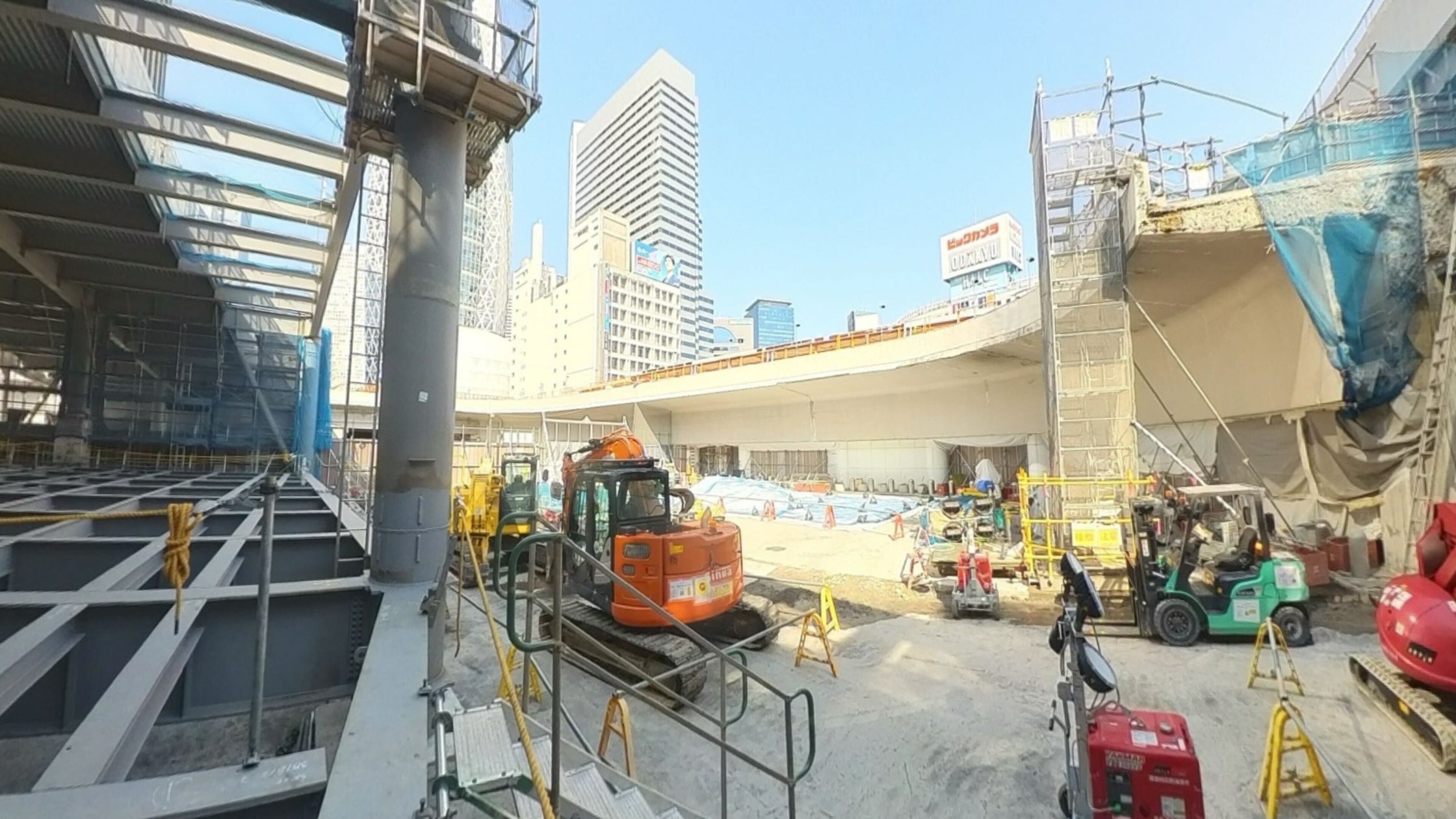
Massive construction walls and towering cranes define the current skyline outside Tokyo's busiest transit terminal. As documented in a recent PR TIMES Report detailing the joint Shinjuku West Exit redevelopment project spearheaded by Odakyu Electric Railway, Tokyo Metro, and Tokyu Land Corporation, the entire western precinct is undergoing its most dramatic architectural transformation in half a century. Yet amid shifting corridors and temporary walkways, classic corporate drinking culture remains firmly anchored around the subterranean exits. For local office workers, engineers from the skyscraper district, and international travelers, finding a reliable table for twenty people without paying luxury hotel premiums requires knowing precisely where the neighborhood's legacy taverns stand.
Hananomai Shinjuku West Exit sits right at this intersection of urban overhaul and traditional nightlife. Operated by Chimney Co., Ltd., this expansive seafood izakaya Tokyo institution functions as a reliable hub for team banquets, casual counter drinks, and post-shift debriefs. Understanding its interior layout, reservation rules, and seasonal fish program makes the difference between an effortless night out and wandering aimlessly through crowded alleyways.
📌 Key Takeaways:
- Location Advantage: Steps from Toei Oedo Shinjuku-nishiguchi Station and the JR West Exit, avoiding the maze-like walk to the outer skyscraper district.
- Seating Versatility: Floor plan features sunken-floor horigotatsu tables, semi-private booths, and fully partitioned private dining rooms (koshitsu) accommodating up to 60 guests.
- Budget Predictability: Standard group banquet seating packages with two-hour nomihoudai drink specials range between ¥4,000 and ¥6,500 per person.
Navigating the West Exit Hub: Location and Underground Connections
The western gateway of Shinjuku often confuses first-time visitors due to subtle transit naming conventions. In local reporting published by Livedoor News, urban commuters frequently debate the boundary between JR Shinjuku Station's West Exit, Toei Oedo Shinjuku-nishiguchi Station, and Tokyo Metro Marunouchi Line's Nishi-Shinjuku Station along Ome-kaido Avenue. While Nishi-Shinjuku proper stretches past high-rise hotels and corporate headquarters, Hananomai occupies the immediate, high-density retail zone directly facing the station plaza.
This positioning makes Hananomai Shinjuku West Exit uniquely convenient during inclement weather or when herding large tour groups. Taking the underground concourse toward the Toei Oedo Line D4 and D5 exits brings patrons within a two-minute walk of the venue's entrance. The immediate perimeter is alive with electronics retail giants, yakitori stalls, and subterranean ticket barriers, creating an unmistakable izakaya atmosphere that starts the moment you step off the escalator.
Interior Layout: Private Rooms, Sunken Tables, and Group Capacity
Stepping inside reveals an expansive footprint rarely seen in central Tokyo's tighter entertainment quarters. The restaurant divides its layout across several zones designed to prevent loud office celebrations from disrupting quieter dining parties. Warm wooden lattice screens, paper lanterns, and subdued downlighting establish an unpretentious, traditional aesthetic.
For mid-sized and large gatherings, the rear sections offer authentic private dining rooms known as koshitsu. These spaces utilize traditional sliding doors and removable partitions, allowing management to configure rooms for intimate groups of 4 to 8, or expand them into contiguous banquet suites for 40 to 60 attendees. Most group dining utilizes horigotatsu seating, low tables set over recessed floor pits that allow diners to stretch their legs comfortably without sitting cross-legged on tatami mats.
Solo diners and pairs are accommodated toward the front of the restaurant at dedicated counter seats and high-backed wooden booths. This separation keeps the dining experience functional: business travelers can enjoy a quick draft beer and a side of salted edamame in quiet comfort while end-of-quarter corporate parties celebrate across the hall.
The Kitchen Program: Seafood Sourcing and Signature Sashimi Boats
The culinary identity of Hananomai rests on direct supply routes from regional coastal fisheries. Rather than relying solely on frozen distribution, the kitchen sources seasonal fish through corporate purchasing channels connecting directly with ports across Chiba, Shizuoka, and Hokkaido. This scale allows the venue to deliver high-turnover freshness at prices significantly lower than specialized Ginza sushi bars.
The visual centerpiece of any formal table booking Shinjuku gathering here is the fresh sashimi boat (funamori). Served atop carved wooden vessels, these platters display thick cuts of Pacific bluefin tuna (maguro), sea bream (tai), yellowtail (buri), sweet shrimp, and seasonal squid garnished with shiso leaves and fresh wasabi. For gatherings seeking hot comfort food, the kitchen serves whole simmered flounder (karei no nitsuke), charcoal-grilled mackerel, and crisp tempura baskets alongside standard izakaya favorites like garlic-fried chicken (karaage) and dashi-rolled omelets.

Pricing Structures and All-You-Can-Drink Packages
Budget predictability drives the enduring popularity of Hananomai among local corporate event organizers. Tokyo pub dining often carries surprise table charges (otoushi) or hidden service fees. Hananomai keeps its pricing structure transparent, pairing course menus with standard two-hour all-you-can-drink (nomihoudai) access covering draft beer, highballs, sake, shochu, and soft drinks.
| Dining Package Tier | Price Range (Per Person) | Primary Inclusions & Menu Highlights |
|---|---|---|
| Casual After-Work Set | ¥3,500, ¥4,200 | 7 dishes, 3-cut sashimi plate, yakitori skewers, 120-minute standard drink package |
| Signature Seafood Course | ¥4,500, ¥5,500 | 8 dishes, 5-piece sashimi boat, seasonal grilled fish, hot pot (winter), full draft beer nomihoudai |
| Premium Executive Banquet | ¥6,000, ¥7,500 | 9 dishes, deluxe sashimi boat with sea urchin & scallops, wagyu tataki, premium regional sake selection |
| À La Carte Walk-In | ¥2,800, ¥4,000 (Average) | Individual dishes (¥390, ¥1,290 each), individual drinks (¥450, ¥650), ¥400 cover charge |
Ordering is streamlined via digital touchscreen tablets available at every table. These systems feature full English-language toggles, clear allergen listings, and real-time running tab calculations, completely eliminating language barriers when ordering refills or reviewing the final bill.
Table Booking Strategies for Peak Hours and Corporate Seasons
Dining traffic across Nishi-Shinjuku follows predictable corporate rhythms. Thursday and Friday evenings see heavy demand from 6:30 PM onward, especially during March (fiscal year-end farewell parties) and December (annual year-end bonenkai celebrations). Booking strategies must adjust depending on group size and the specific calendar window.
For parties of six or more requiring a private partitioned room, advance reservations via Japanese booking platforms like Hot Pepper, Gurunavi, or direct phone inquiry are recommended at least ten days ahead. Same-day walk-ins are routinely accommodated on Mondays through Wednesdays, but weekend late-night shifts frequently operate at full capacity due to Shinjuku's proximity to regional commuter train lines.
Frequently Asked Questions (FAQ)
Q1: How do I find the restaurant from the main JR Shinjuku Station concourse?
A1: Exit JR Shinjuku via the West Exit gates on the underground level. Follow signs toward the Toei Oedo Line / Odakyu line connections, heading northwest toward ground exit D4. Hananomai is located in the commercial commercial building block directly above the subway access corridors.
Q2: Does Hananomai Shinjuku West Exit accommodate vegetarians or strict vegan diets?
A2: Options are limited for strict vegans. While side dishes like edamame, chilled cucumbers, salted cabbage, and French fries are available, the vast majority of cooked sauces, broths, and main items contain fish stock (dashi) or seafood derivatives.
Q3: Is smoking permitted inside the dining areas?
A3: Under Tokyo's revised passive smoking prevention ordinances, smoking is prohibited at standard dining tables. Hananomai maintains a fully enclosed, ventilated indoor smoking booth on-site for tobacco and heated tobacco users, keeping the main dining floor smoke-free.
Planning Your Shinjuku Gathering with Confidence
As the multi-year transformation of Shinjuku's western terminal reshapes street patterns and pedestrian routes throughout 2026, the demand for straightforward, dependable gathering spaces remains unchanged. Hananomai Shinjuku West Exit succeeds because it delivers exactly what it promises: abundant seafood, fast service, clear pricing, and flexible private rooms that handle parties of nearly any size. When an evening calls for cold beer, fresh sashimi, and easy transit connections back to the hotel or train platform, this stalwart izakaya remains one of the most practical reservations in Tokyo's busiest district.
