Inside Koyabu Sonic 2026: Live Stage Moments Honoring Deceased Shinkigeki Legends
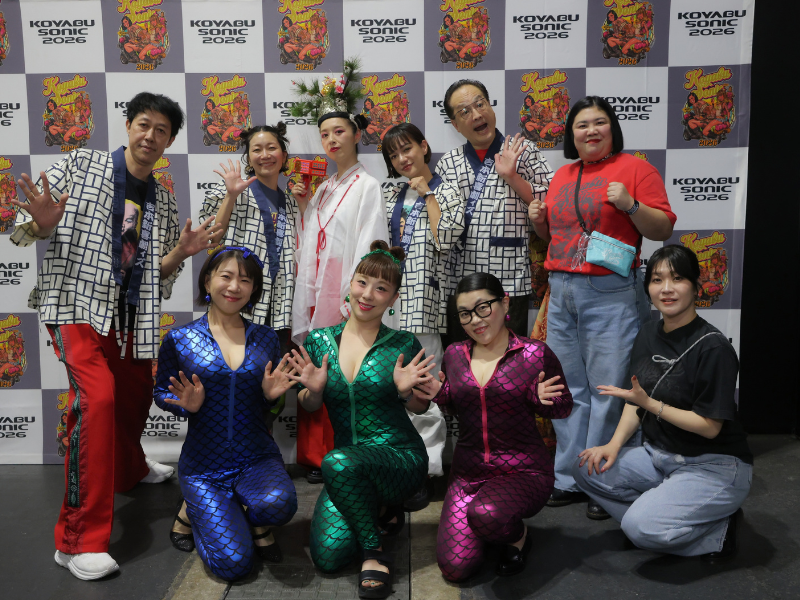
On September 22, 2026, inside the cavernous halls of Intex Osaka, Kazutoyo Koyabu took his seat behind the drum kit for what festival organizers billed as the final installment of his hybrid music and comedy showcase. Six years after their last public appearance in 2019, his five-piece rock outfit Yoshimoto Shinkigeki-is walked onto the main stage to close Day 2. The tone inside the venue shifted rapidly from late-afternoon revelry to genuine reverence as Koyabu leaned into the microphone.
As documented in a live performance dispatch by the Lmaga.jp on MSN Report, Koyabu dedicated the set to the departed veteran actors of Yoshimoto Shinkigeki who shaped Osaka's slapstick tradition over several generations. Despite his recent formal departure from Yoshimoto Kogyo's primary talent roster, the former troupe chairman delivered an emotionally grounded set that laid bare his lasting debt to Kansai theatrical history.
📌 Key Takeaways:
- A Six-Year Reunion: Yoshimoto Shinkigeki-is reunited for the first time since 2019 to headline Day 2 of Koyabu Sonic 2026 at Intex Osaka.
- A Solemn Dedication: Bandleader Kazutoyo Koyabu explicitly dedicated the performance to late Shinkigeki veterans who mentored younger troupe generations.
- The Festival Finale: Originally established in 2008, Koyabu Sonic reached its announced final year, ending an 18-year run of bridging rock music and Kansai comedy.
A Drummer's Dedication at Intex Osaka
Koyabu did not waste time with festival pleasantries. He adjusted his snare, glanced across at his bandmates, and addressed the thousands standing across the concrete floor. "Our allotted stage time is limited," Koyabu told the audience, his voice carrying the direct Kansai cadence fans know well. "I want to perform today with the feeling of mourning and honoring our departed veteran comedians."
That single remark cut through the festival's noisy atmosphere. Over the preceding decade, Yoshimoto Shinkigeki lost several pillar performers who sustained daily routines at the Namba Grand Kagetsu theater. Performers like Charlie Hama, Kazuya Inoue, and numerous beloved senior character actors passed away, leaving a generational void in the ensemble company. For Koyabu, who led the troupe as *za-cho* (troupe chairman) from 2006 until stepping down in 2022, these figures were mentors rather than historical footnotes.
The dedication turned an ordinary festival encore into a communal memorial. Shinkigeki operates on rigid timing, precise comedic cues, and unyielding stage discipline passed down through oral tradition. By directing the room's energy toward those deceased mentors, Koyabu transformed raw percussion into an act of remembrance.
Six Years on Ice: The Return of Yoshimoto Shinkigeki-is
Yoshimoto Shinkigeki-is was never an ordinary vanity project. Formed as a legitimate live band featuring core theatrical troupe members, the group earned critical respect across the Japanese festival circuit during the late 2010s for tight instrumental chops and self-deprecating lyricism. Lead vocalist Maki Utsunomiya brought theatrical projection, while acoustic-electric guitarist Shin'ya Matsuura delivered the intricate guitar riffs that made him famous on theater stages.
The unit had remained inactive since 2019. Backstage interviews with media outlets revealed a mixture of relief and bittersweet resignation about dusting off the material. Utsunomiya expressed vocal disappointment that this return coincided with the festival's final bow. "Is this really our last live show?" she asked backstage, reacting to the reality of the festival's conclusion. "It feels far too sad."
On stage, the rust disappeared within the opening four bars. Matsuura attacked his fretboard with customary abandon, driving the tempo as Utsunomiya commanded the center microphone. The performance balanced the inherent humor of their theater sketches with genuine musical grit, delivering an unrelenting pace that kept the crowd on its feet throughout the 40-minute set.
Milestones in the Evolution of Koyabu Sonic and Shinkigeki-is
The arc of Koyabu Sonic traces how Osaka's stage comedy culture integrated into Japan's modern rock circuit over nearly two decades:
| Timeframe | Key Event | Cultural and Production Impact |
|---|---|---|
| 2008 | Inaugural Koyabu Sonic Festival | Koyabu established the event to merge mainstream indie rock with traditional Kansai comedy sketches. |
| 2017, 2019 | Rise of Yoshimoto Shinkigeki-is | The troupe band performed across major domestic music festivals before entering a planned hiatus. |
| 2021, 2024 | Loss of Key Shinkigeki Pioneers | Successive passings of iconic veterans accelerated conversations around generational succession inside Yoshimoto Kogyo. |
| September 2026 | The Final Festival Edition | Koyabu returned to Intex Osaka to stage the final festival weekend, hosting an explicit public tribute to deceased comedians. |

Remembering the Kansai Giants Who Defined Shinkigeki
Yoshimoto Shinkigeki's distinct flavor relies entirely on archetypes: the blustering landlord, the gullible cop, the unhinged mobster, and the deadpan straight man. These tropes were not invented in scriptwriting boardrooms. They were forged live on stage through thousands of unrecorded performances during the mid-20th century by comedians who dedicated their entire lives to daily theater repertory.
When veterans such as Charlie Hama passed away, audiences lost the architects of Kansai catchphrase comedy. Hama's nonsensical verbal deflections were cultural touchstones throughout the 1990s. Similarly, performers who served as steady secondary anchors provided the structural bedrock that let younger stars experiment. Without them, the entire comedic engine stalls.
During the set at Intex Osaka, Koyabu's heavy, steady percussion functioned as a rhythmic salute. He played without the manic clowning that often defines television comedy. Instead, he maintained focused, driving tempos, reminding those watching that the foundation of great slapstick is precise timing and absolute seriousness about the craft.
Backstage Reflections and Broken Guitar Strings
The intensity on stage brought practical casualties. During the climactic moments of the band's final song, guitarist Shin'ya Matsuura played with such aggression that multiple guitar strings snapped in rapid succession. "On that very last track, the strings just went pop, pop, pop," Matsuura admitted during the post-set press conference. The technical mishap did not derail the performance; Matsuura simply shifted positions and kept playing the rhythm on the surviving strings.
Reporters in the press scrum noted the palpable camaraderie among the performers. While Koyabu joked that the band was headed straight back into "freeze-dried storage," the underlying tone reflected genuine emotional weight. The musicians had shared theater dressing rooms for decades before sharing a rock stage. That level of professional intimacy showed in their unscripted interactions between songs.
Matsuura's broken strings served as a fitting metaphor for the performance. Nothing was manicured for broadcast gloss. The set remained raucous, slightly volatile, and deeply earnest, mirroring the exact spirit of the theater district where these performers learned their trade.
Independence Without Estrangement
Koyabu's departure from Yoshimoto Kogyo's talent roster in recent years sparked speculation across entertainment media regarding his relationship with the agency. Traditional Japanese talent management transitions can often leave lingering professional freezes. Koyabu's actions in Osaka proved that creative roots transcend contractual paperwork.
His deep ties to Shinkigeki remain untouched by agency changes. Koyabu spent over fifteen years protecting the institutional integrity of the troupe, regularly demanding younger performers study the classic tapes of deceased masters. By organizing this tribute at his self-produced festival, Koyabu demonstrated that his loyalty belongs to the craft of Osaka comedy rather than corporate management.
The festival's final weekend brought that truth into plain view. The audience did not gather to celebrate corporate contracts. They arrived to watch a veteran drummer and his longtime troupe companions pay their respects to the ghosts who taught them how to make an audience laugh.
Frequently Asked Questions (FAQ)
Q1: Why did Kazutoyo Koyabu dedicate the 2026 performance to deceased Shinkigeki comedians?
A1: Koyabu led Yoshimoto Shinkigeki for over 15 years and learned the intricacies of slapstick timing directly from veteran troupe actors who passed away over the last decade. He used the platform of his final festival to publicly honor their foundational contributions to Kansai comedy culture.
Q2: Is Yoshimoto Shinkigeki-is disbanding permanently after Koyabu Sonic 2026?
A2: While the band humorously described themselves as returning to "freeze-dry storage," the members confirmed that this performance marked the end of their regular festival appearances alongside the conclusion of the Koyabu Sonic event itself.
Q3: Did Kazutoyo Koyabu's departure from Yoshimoto Kogyo affect the staging of Koyabu Sonic?
A3: No. Koyabu maintained strong creative relationships with fellow comedians and troupe members. Active Yoshimoto performers appeared throughout the 2026 festival, underscoring that his respect for the theater ensemble remains intact regardless of management arrangements.
The Enduring Resonance of Osaka's Slapstick Heritage
As the final reverb faded inside Intex Osaka on September 22, the festival came to its logical conclusion. Koyabu stood up from behind the drum kit, bowed deeply toward the crowd, and thanked the production crew that supported the event across its 18-year history. The applause that followed carried genuine weight, recognizing both the end of an era for Koyabu Sonic and the enduring legacy of the performers who paved its way.
Comedic trends shift rapidly, yet the fundamental architecture of Japanese slapstick remains tethered to the discipline of daily theater work. The veterans who lived and died on the boards of Namba Grand Kagetsu created a comedic language that still resonates across modern music festivals. By dedicating his final festival set to those departed legends, Kazutoyo Koyabu ensured their contributions received the public, heartfelt recognition they earned.
