Inside Osaka's Seaside Oyster Hut: A First Look at the BLUE PARK Winter Experience
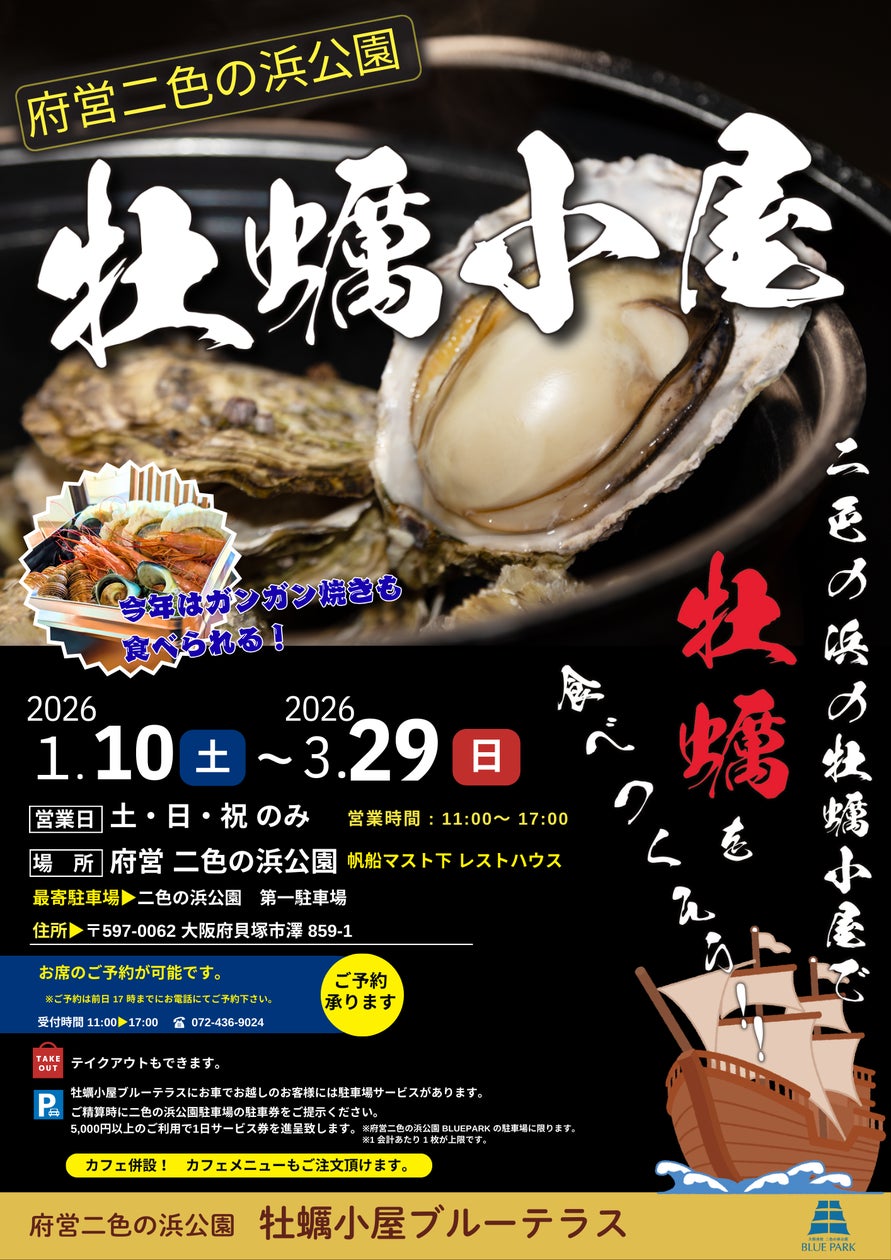
Winter along Osaka Bay brings crisp air and quiet beaches, but inside the sailboat mast rest house at Nishikinohama Park, tabletop grills hiss with plump shellfish. Operated by Nishikinohama PX, the seasonal setup at BLUE PARK Kaizuka converts what is traditionally a summer swimming shore into a bustling winter seafood pop-up. As highlighted in a recent MSN Report on Kaizuka City food events, the venue draws visitors seeking authentic coastal dining in Japan without braving freezing offshore winds.
The winter oyster hut trend has swept coastal ports across western Japan for decades, but urban travelers often face drafty vinyl tents and uneven heat. Nishikinohama Park takes a different approach. By anchoring the operation inside a permanent coastal pavilion, BLUE PARK delivers an enclosed, all-weather dining experience in Osaka that pairs panoramic sea views with charcoal heat.
📌 Key Takeaways:
- Opening Timeline: Operations officially launched on January 10, 2026, following formal operator announcements in late December 2025.
- The Venue: Housed within the landmark sailboat mast rest house, offering an insulated indoor seafood shack with floor-to-ceiling vistas of Osaka Bay.
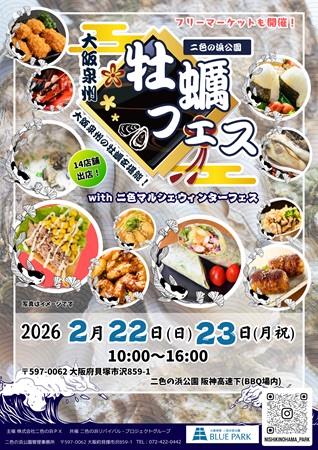
- Flagship Gathering: Anchored by the Osaka Senshu Oyster Festival and Nishiki Marche Winter Fest across February 22, 23, 2026, featuring regional food stalls and traditional rickshaw rides.
Transforming Nishikinohama Park into a Cold-Weather Draw
For generations, Nishikinohama Park earned fame for white sands, pine groves, and summer clam digging. Come November, foot traffic plummeted. Coastal concessionaires shut down until spring. BLUE PARK Kaizuka flipped this calendar by leaning directly into western Japan's winter bivalve harvest.
Oyster shacks, known locally as kakigoya, originate around fishing harbors in Hiroshima, Mie, and Hyogo. Traditional setups utilize raw docks, drafty vinyl canopies, and plastic beer crates for chairs. While atmospheric, those locations can be punishing during mid-winter cold snaps. Kaizuka City recognized that modern urban diners, particularly young families and day-trippers from central Osaka, wanted the tactile fun of self-grilled seafood with actual insulation. The initiative keeps the public park economically vibrant throughout January, February, and March.
Inside the Sailboat Mast Rest House
The centerpiece of the dining complex sits directly beneath the park's iconic architectural feature: the soaring sailboat mast rest house. Walking inside, you are greeted by warm air, fragrant ocean steam, and the steady rhythmic clatter of metal tongs striking wire grill mesh.
The interior design solves the primary complaint travelers have about seaside shacks: unpredictable weather. Thick glass paneling wraps the perimeter, blocking salt spray while keeping the sparkling Osaka shoreline in plain view. Each table features a dedicated grill unit, industrial-grade smoke ventilation hoods, and safety equipment for handling hot shells. Diners receive cotton work gloves, specialized oyster knives, and protective aprons before the first galvanized bucket arrives at the table.
The Senshu Oyster Festival and Winter Marche Experience
While the indoor oyster hut runs as a continuous seasonal attraction, the grounds peak during the Osaka Senshu Oyster Festival held in tandem with the Nishiki Marche Winter Fest. On February 22 and February 23, 2026, park grounds expanded outward into a multi-vendor culinary celebration.
Festival organizers kept admission completely free, allowing patrons to roam outdoor vendor stalls before heading inside for sit-down meals. Local culinary teams presented grilled seasonal oysters finished with citrus ponzu, garlic butter, and house-made miso glazes, alongside fried oyster cutlets and steaming rice bowls. Adding a historical touch to the festival grounds, the "Makotoya" rickshaw service relocated from the historic temple quarter of Mizuma Monzenmachi to offer rides along the coastline, giving diners a relaxed tour of the waterfront between courses.
Logistical Breakdown: Planning Your Visit
Planning an outing requires understanding how the permanent indoor restaurant contrasts with the pop-up festival grounds. Walk-ins are common during weekdays, but weekends regularly hit capacity by noon.
| Experience Feature | BLUE PARK Indoor Oyster Hut | Senshu Oyster Festival & Marche |
|---|---|---|
| Dates Active | January 10, 2026, Late March 2026 | February 22, 23, 2026 (Annual Peak) |
| Facility Type | Insulated indoor rest house with full heating | Open-air food stalls & park promenade |
| Pricing Model | Pay-per-kilogram or structured set courses | Free admission; à la carte food tickets |
| Dining Style | Self-grilling tabletop wire grates | Street-food portions & grab-and-go boxes |
Getting to the venue is straightforward. From central Osaka, riders take the Nankai Main Line from Namba Station directly to Nishikinohama Station in approximately 35, 40 minutes. From the station exit, the waterfront pavilion sits an easy 10-minute walk down quiet residential avenues. Ample paid park lots accommodate drivers arriving via the Hanshin Expressway Wangan Route.
Flavor Profile and Regional Shellfish Sourcing
The oysters served at BLUE PARK Kaizuka benefit from the rich nutrient cycles of western Japan's coastal currents. In mid-winter, bivalves store high concentrations of glycogen, resulting in a plump texture, ivory color, and clean sweetness balanced by natural brine.
Grilling them requires a simple technique taught by staff upon arrival. Place the deep cup of the shell downward against the heat for roughly two to three minutes until steam builds inside. Flip briefly, then use your shucking knife to sever the adductor muscle once the shell begins to crack open. Savor the first oyster plain to taste the untreated sweetness of the ocean broth. For the second round, add a squeeze of fresh sudachi or a dash of dark soy sauce directly into the bubbling shell.
Who Should Go vs. Who Should Skip
The BLUE PARK setup fills an important niche, but it suits certain travel styles better than others. It is an exceptional match for seafood lovers, weekend day-trippers seeking a relaxed meal outside central Osaka, and travelers traveling with children or older relatives who cannot stand outside in freezing harbor winds. The climate-controlled indoor space makes dining pleasant regardless of rain or temperature drops.
Travelers seeking high-end fine dining with plated service should look elsewhere. This is an active, hands-on meal where you grill your own food and wear protective aprons to deflect shell pops. Similarly, those looking for wild, rugged fishing-dock shacks deep in the countryside may find the modern park infrastructure somewhat polished compared to rustic northern docks.
Frequently Asked Questions (FAQ)
Q1: What are the opening hours and operational dates for the winter hut?
The venue opened its doors on January 10, 2026, and typically runs through late March, mirroring peak winter oyster harvest cycles across Osaka Bay. Seating operates daily from late morning through early evening, with extended dinner slots on weekends.
Q2: Is admission required to enter the park or the seafood venue?
General admission to Nishikinohama Park and the accompanying Nishiki Marche grounds is completely free. Guests pay only for the food, beverages, and set courses ordered at the indoor hut or outdoor vendor stalls.
Q3: How bad is the smoke inside the indoor seating area?
Unlike makeshift outdoor tents that trap smoke at eye level, the sailboat mast rest house uses integrated commercial exhaust canopies over each table station. While clothing will retain a faint wood-grill aroma, the room remains well-ventilated and comfortable throughout the meal.
What Lies Ahead for Kaizuka's Waterfront Scene
The success of winter dining at BLUE PARK demonstrates how public coastal facilities can remain energetic year-round. Instead of shuttering when swim season wraps, Nishikinohama Park has established itself as an accessible hub for regional seafood, drawing visitors across southern Osaka and Kansai. For anyone looking to enjoy sweet, sizzling shellfish over an open grill without braving winter rain, Kaizuka's seaside rest house delivers one of the most comfortable food stops along the bay.
