Inside the Classrooms: How Kuriyama Care Welfare School Redesigned Training for Busy Workers
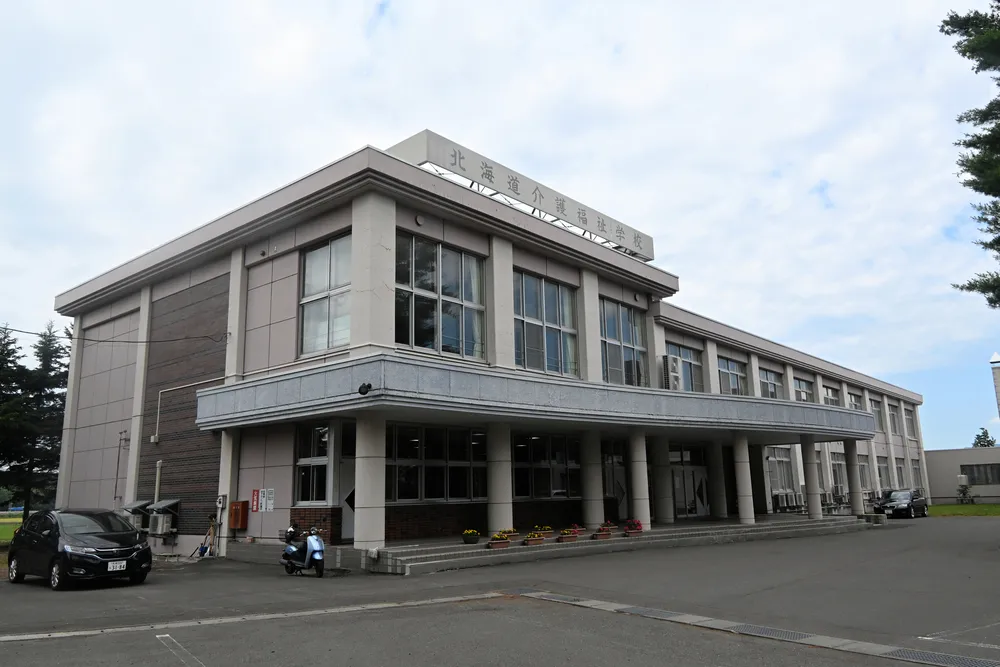
Public vocational training in Hokkaido has reached a decisive turning point. Confronting severe personnel shortages in eldercare facilities across northern Japan, the Kuriyama Town-operated Hokkaido College of Care Work has overhauled its foundational certification tracks to accommodate full-time working adults. According to an investigative update by the hokkaido-np.co.jp Report, the municipal institution transitioned its core Care Worker Initial Training Program (shoninsha kenshu) away from rigid, day-long obligations toward modular evening, hybrid, and condensed practical sessions aimed directly at mid-career professionals seeking certified caregiver qualifications.
The strategic overhaul arrives as rural municipalities struggle with demographic aging that outpaces recruitment. Operating as the only public care welfare vocational school in Hokkaido, the Kuriyama campus serves as both an educational anchor for Sorachi Subprefecture and an essential talent pipeline for distant jurisdictions. By eliminating rigid attendance barriers, the school allows retail clerks, hospitality workers, and family caregivers to earn state-recognized credentials without sacrificing weekday shifts.
📌 Key Takeaways:
- Schedule Overhaul: Kuriyama Care Welfare School restructured its intensive 130-hour initial caregiver curriculum into flexible modules tailored for employed mid-career adults.
- Municipal Expansions: Cross-regional alliances, including a formal cooperation pact signed with Nakashibetsu Town in early 2026, provide remote housing subsidies and direct job placement guarantees.
- Career Trajectory: Completing the program lowers barriers toward the national Certified Care Worker (Kaigofukushishi) examination, bridging entry-level training directly with long-term healthcare retention.
The Rural Shortage Driving Kuriyama's Classroom Redesign
Hokkaido's demographic trajectory has intensified pressure on community nursing homes and assisted-living facilities. In Sorachi Subprefecture, where agricultural communities feature populations where over 38% are aged 65 and older, residential facilities frequently cap their intake simply because they lack certified floor staff. Commercial vocational academies in major urban centers like Sapporo charge steep tuition fees, pricing out rural adult changers who cannot afford to abandon their primary incomes during training.
Kuriyama Town Council leaders identified this structural barrier during budget reviews in 2025. Standard initial caregiver certifications mandate 130 hours of blended lecture and direct physical training under national health ministry guidelines. Historically, institutions clustered these sessions into consecutive eight-hour daytime blocks across three weeks. For someone clocking shifts at a local processor or retail store, taking nearly a month off without wages was impossible. Kuriyama's revised model breaks practical coursework into evening blocks and weekend practical intensives, opening the door to working adults previously locked out of the welfare sector.
Inside the Modular Curriculum: From Theory to Bedside Mechanics
The revised training structure splits the statutory 130 hours into self-paced digital lectures and focused, hands-on clinical laboratories. Trainees master body mechanics, dignity maintenance, infection prevention, and transfer techniques inside simulated residential suites on the Kuriyama campus. Rather than sitting through passive recitations, candidates run rotational shifts handling modern mobility lifts, ergonomic slide sheets, and specialized communication strategies for advanced dementia care.
Instructors emphasize physical self-preservation alongside patient safety. Lower back injuries account for a massive share of early retirements among Japanese long-term care staff. Kuriyama integrates kinematic transfer techniques into every lab hour, training students to minimize mechanical strain during transfers from beds to wheelchairs. Students complete continuous skill checkpoints under clinical preceptors before entering facility rotations, ensuring that adult trainees transition smoothly into operational nursing homes.
Cross-Regional Partnerships: The Nakashibetsu Town Alliance
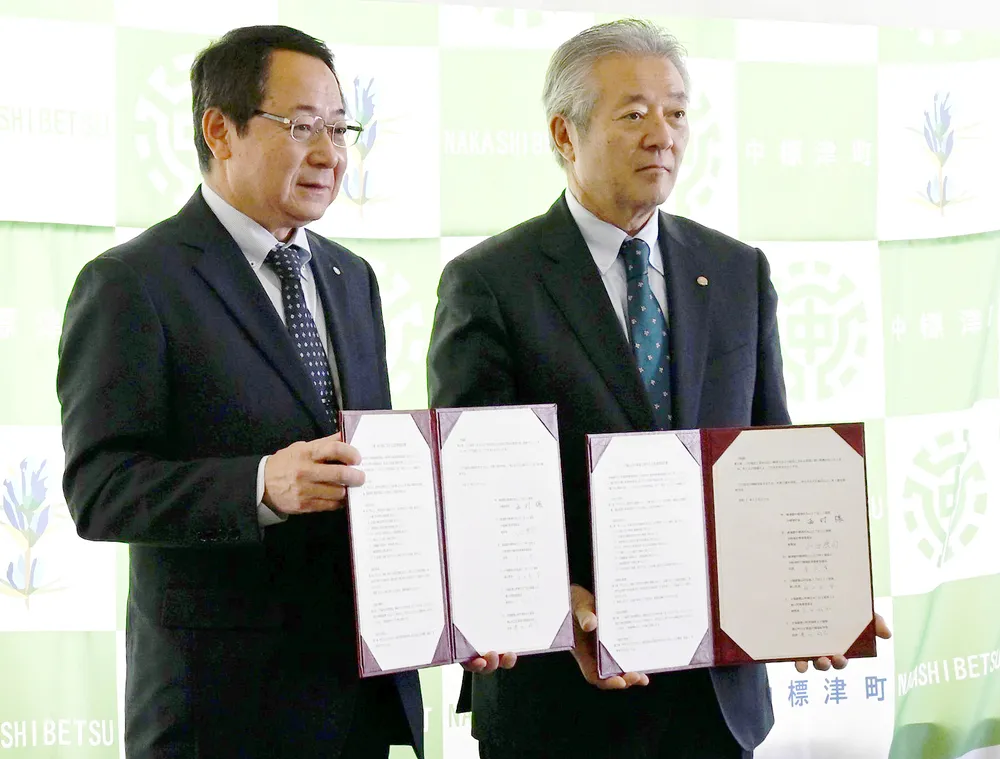
Municipalities across eastern Hokkaido now view Kuriyama as an indispensable regional asset. In January 2026, town administrators from Nakashibetsu, located more than 350 kilometers away in the Nemuro Subprefecture, signed an unprecedented comprehensive cooperation agreement with Kuriyama to secure certified staff. Facing immediate staffing deficits across its municipal care infrastructure, Nakashibetsu agreed to finance training costs, provide practical housing allowances, and guarantee direct public or non-profit placement for graduates willing to deploy east upon graduation.
These inter-municipal frameworks alter the economics of vocational training in Japan. Rural towns lacking their own specialized schools no longer attempt to establish duplicate campuses. Instead, they funnel municipal funding into Kuriyama, establishing a shared talent infrastructure that protects regional welfare services.
Curriculum Shift: Traditional Schedules vs. The 2026 Kuriyama Model
The operational adjustments implemented at the school eliminate structural roadblocks that historically forced working-age candidates out of the healthcare qualification funnel.
| Curricular Factor | Legacy Format (Pre-2026) | Revised Working-Adult Format |
|---|---|---|
| Class Timetable | Full-day intensives (9:00 AM, 5:00 PM) | Evening modules (6:30 PM, 9:30 PM) plus weekend labs |
| Lecture Delivery | 100% mandatory classroom presence | Hybrid theoretical coursework with verified online study |
| Tuition Subsidies | Individual out-of-pocket payment | Up to 70, 100% municipal grants via regional pacts |
| Target Enrollment | Recent high school graduates | Employed career-switchers, returnees, and caregivers |
| Qualification Path | Terminal introductory certificate | Direct credit transfer toward national license exam |
Bridging Shoninsha Kenshu to the National Caregiver Exam
Completing the Care Worker Initial Training Program represents the foundational rung on Japan's caregiving ladder. Once registered, workers enter elderly facilities as legally recognized entry-level staff. The revised program at Kuriyama connects directly with subsequent professional levels, most notably the Practitioner Training (Jitsumusha Kenshu), which serves as a mandatory prerequisite for sitting the national Certified Care Worker (Kaigofukushishi) examination.
For candidates, the national license unlocks higher pay scales, institutional supervisory roles, and access to the government's care worker wage enhancement funds (shogu kaizen kasan). Public care institutions in Sorachi routinely sponsor the second phase of training for Kuriyama alumni. Rather than treating initial training as a standalone seminar, Kuriyama structures its modules to ladder directly into long-term professional status.
Who Benefits Most from Kuriyama's Flexible Schedule
The program targets distinct candidate profiles, though it carries logistical demands that prospective students must weigh carefully before enrolling.
Ideal Enrollees:
- Current part-time or full-time workers in hospitality, retail, or office sectors seeking recession-proof career stability within Hokkaido's social infrastructure.
- Family caregivers needing clinical skills to assist aging parents while securing an official qualification that leads to paid positions.
- Mid-career residents in Sorachi and partner municipalities like Nakashibetsu eligible for full training reimbursements and placement guarantees.
Poorly Suited Candidates:
- Individuals seeking pure distance learning. The Ministry of Health, Labour and Welfare mandates strict face-to-face physical lab attendance for body mechanics, transfers, and hygiene protocols; physical presence in Kuriyama is non-negotiable.
- Students unable to commit to regular evening attendance and weekend clinical practical shifts across a three-month training arc.
Frequently Asked Questions (FAQ)
Q1: What qualification do students earn upon completing this training track?
A1: Graduates receive the official Care Worker Initial Training Program certificate (Kaigo Shokuin Shoninsha Kenshu). This credential is state-recognized throughout Japan, qualifying recipients to provide physical care across nursing facilities, group homes, and home-visit agencies.
Q2: How much does the program cost for working adults?
A2: Standard enrollment fees typically range from ¥50,000 to ¥80,000 depending on course materials. However, residents of Kuriyama and partner towns such as Nakashibetsu can access municipal sponsorship programs and hello-work training subsidies covering up to 100% of these expenses upon completing verified service terms.
Q3: Can candidates living outside Sorachi Subprefecture take part in the courses?
A3: Yes. While local residents receive priority enrollment, individuals from across Hokkaido may register. Trainees residing farther away must arrange transportation or temporary lodging for weekend on-campus clinical evaluations.
The Road Ahead for Hokkaido's Municipal Training Model
The tactical shifts underway at Kuriyama Care Welfare School illustrate how rural communities can salvage essential public services amid compounding demographic pressure. Instead of passively observing enrollment drops, the institution reengineered its classrooms to meet adult students where their realities sit: between working hours, family obligations, and the pursuit of stable, meaningful careers. As partnerships with towns like Nakashibetsu demonstrate, municipal public vocational models can build durable bridges across hundreds of kilometers, maintaining care capacity where commercial private schools refuse to invest.
