Inside the Love License Test: How Personalized Result Cards Turned Dating into Shareable Art
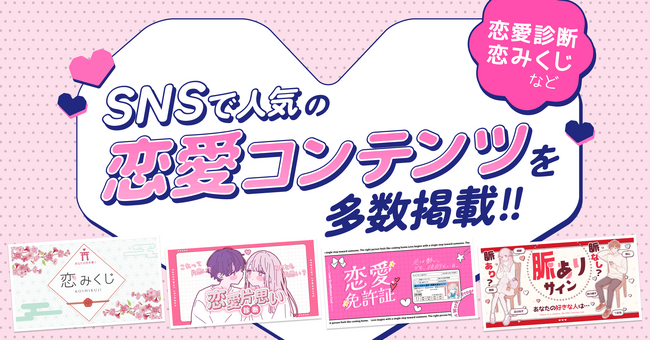
Social feeds across East Asia and Western digital circles have recently been inundated with crisp, official-looking driver's licenses. Instead of granting authorization to drive motor vehicles, these pastel-toned cards grade the user's romantic temperament, complete with expiration dates, classified relationship tiers, and hilarious penalty infractions like "excessive texting speed" or "chronic emotional unavailability." At the center of this movement is the Makko diagnosis portal, an interactive entertainment platform engineered by Tokyo-based production studio Gimmick Plus. As detailed in a MANTANWeb Report on the company's platform expansion, the viral boom of the Ren'ai Menkyosho (恋愛免許証), or Love License Test, highlights a profound shift in how young adults package their intimate personalities for public display.
The quiz does not merely provide text-based feedback. It turns subjective introspection into a tangible, high-resolution graphic designed specifically for mobile stories and direct messaging. By pairing quirky questionnaires with automated image generation, the system provides users with an instant, badge-like artifact of self-expression.
📌 Key Takeaways:
- The Mechanic: Makko's Love License Test translates a user's candid responses into a customized mock driver's license detailing dating habits, flaw classifications, and romantic compatibility scores.
- The Technology: Automated dynamic image rendering generates ready-to-share digital cards instantly, driving organic peer-to-peer distribution without ad spend.
- The Commercial Model: Studio Gimmick Plus turned viral consumer traffic into an enterprise B2B service, creating bespoke interactive quizzes for brands starting at ¥150,000.
The Mechanics Behind the Japanese Viral Phenomenon
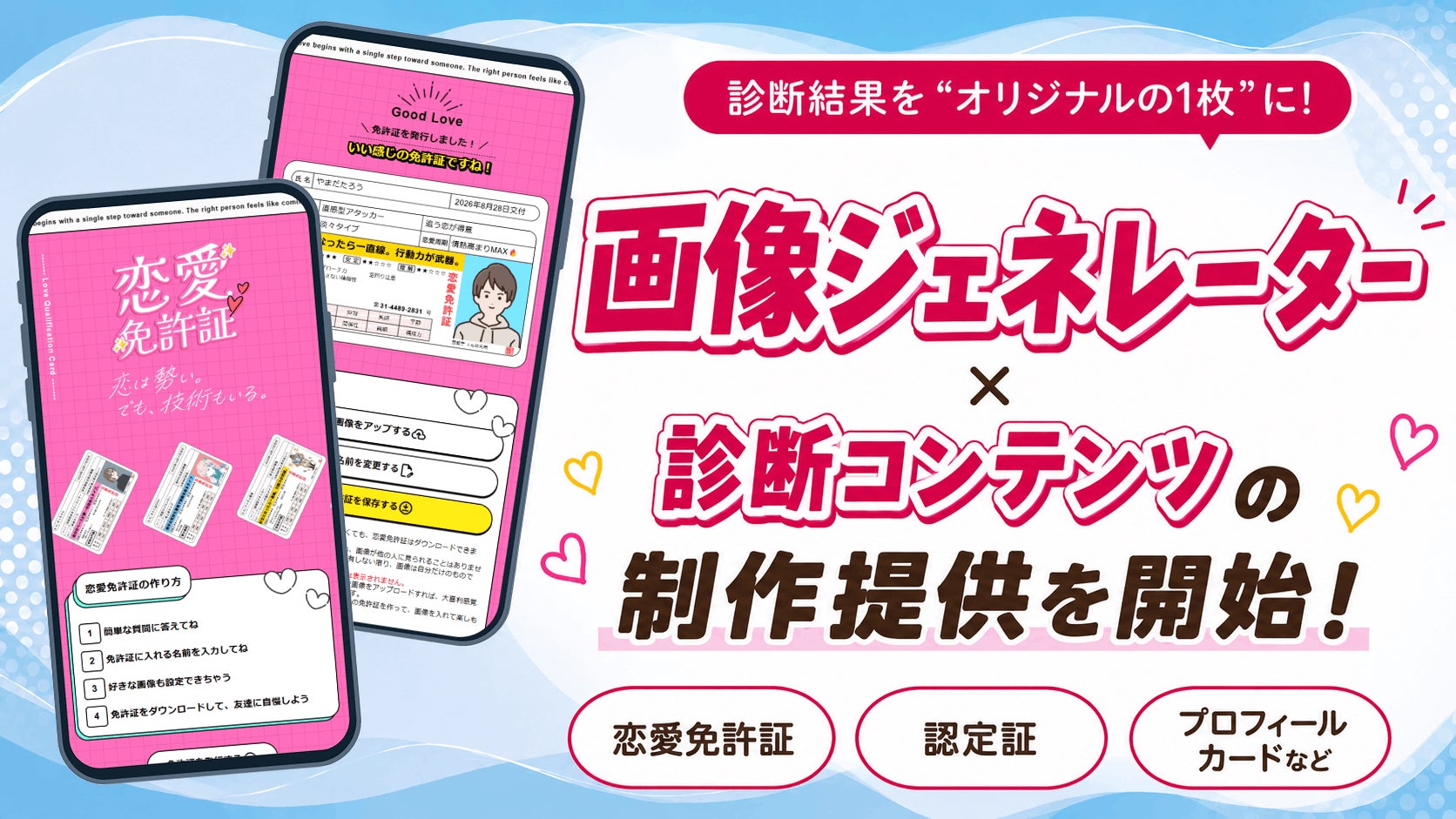
The Love License Test operates on a straightforward interface: users navigate roughly twenty scenario-based questions assessing how they react to ghosting, awkward silences, split checks, and long-term commitment. Yet the output looks nothing like the lengthy paragraphs generated by classic Western personality inventories. The Makko diagnosis portal condenses those psychological signals into an official state-issued driver's license template.
The card features an assigned "license class" based on your romantic archetype, a renewal date tied to emotional maturity, and a detailed breakdown of personality quirks disguised as traffic laws. An anxious dater might find themselves flagged for "tailgating partner emotions," while an avoidant individual earns a license marked with an "unauthorized parking in personal bubbles" infraction.
Originating from Nakano-ku, Tokyo, developer Gimmick Plus harnessed an established Japanese appetite for social media fortune telling and everyday divination. Shrines have dispensed paper omikuji fortunes for centuries. Makko modernizes that ritual for smartphone screens, converting behavioral assessments into playful digital tokens.
Engineering the Mock Driver's License Card
The card format resonates because its visual layout is universally understood. Driver's licenses are universally associated with scrutiny, regulatory standards, and legal accountability. Applying those bureaucratic aesthetics to the messy reality of courtship creates an instant comedic contrast.
The technical architecture handles this translation seamlessly. When a user completes the quiz, an automated image generation pipeline composites dynamic text overlays onto pre-designed high-resolution templates. The layout includes:
A designated license portrait box where users can upload an avatar or display an automatically assigned relationship animal archetype. A prominent relationship compatibility score indicates which personality types provide smooth driving conditions and which cause total emotional collisions. Fine-print conditions specify mandatory habits, such as requiring three text updates daily or demanding complete silence on Sunday mornings.
Because the generated graphic fits mobile display dimensions, users export it with one tap. It bypasses the friction of long-form reading, allowing followers to process a friend's romantic profile in seconds.
The Evolution of Shareable Dating Tests
Interactive self-assessments have dominated digital culture for two decades, yet the medium keeps mutating. The journey from plain-text forum surveys to Makko's automated rendering illustrates how internet visual culture demands increasing levels of brevity and polish.
| Diagnostic Format | Era & Dominant Medium | Primary User Hook | Friction Point |
|---|---|---|---|
| Text Inventories (MBTI, Enneagram) | 2014, 2019 (Web forums, blogs) | Deep analytical self-reflection | Requires reading dense 800-word write-ups |
| Slide Carousels & Stories | 2020, 2023 (Instagram, TikTok) | Color-coded aesthetic snapshots | Generic templates with minimal personalization |
| Identity Object Mockups (Makko) | 2024, 2026 (Story stickers, Messaging apps) | Tangible, satirical real-world certificates | Surface-level psychoanalysis |
The progression shows a relentless reduction in reading requirements. Audiences want immediate visual proof of their quirks. Rather than posting a four-letter acronym, users share an authoritative badge that operates as self-deprecating satire.
Commercializing the Viral Quiz Engine
While millions take the test for amusement, the platform represents a calibrated business model. Corporate filings and promotional packages revealed by Gimmick Plus leadership, including key executives Yasushi Okamoto and Yuki Okubo, show how the agency transformed casual clicks into a sustainable enterprise software service.
Developing viral quizzes traditionally involved hiring boutique agencies, costing enterprise brands millions of yen per rollout. In mid-2026, Gimmick Plus disrupted that model by offering customized corporate diagnostic tools starting at ¥150,000 without monthly recurring retainers. Brands license the automated rendering engine to craft promotional campaigns, mapping consumers to skin care routines, consumer goods, or entertainment releases.
Because the outputs feel like interactive collectibles rather than advertisements, engagement metrics regularly outpace standard sponsored content. The viral mechanics self-fund customer acquisition, delivering low-cost user capture across consumer demographics.
Why Digital Singles Flaunt Their Flaws
Self-deprecation drives the emotional connection of the license. Classical matchmaking platforms push users to project flawless, hyper-curated versions of themselves. That standard has driven documented dating app fatigue across Gen Z and Millennial audiences.
The mock driver's license inverts that dynamic. By humorously displaying behavioral penalties, it grants permission to acknowledge human imperfections. Flaunting an official-looking document that labels you "prone to emotional speeding" or "liable to sleep through weekend dates" functions as a conversational disclaimer.
Friends repost results to roast each other or compare their compatibility ratings. Posting the license on an Instagram story or messaging group acts as an implicit, low-risk invitation for romantic prospects to reach out.
Frequently Asked Questions (FAQ)
Q1: Is the Love License Test a legitimate psychological assessment?
A1: No. The test is a satirical entertainment quiz combining elements of pop astrology, social media fortune telling, and behavioral questionnaires. It does not replace clinical psychological profiling or professional relationship counseling.
Q2: Does the Makko diagnosis portal charge users for their results?
A2: The core consumer assessments, including the Love License, love omikuji, and basic compatibility diagnoses, are free. Monetization occurs through enterprise brand campaigns and custom production services.
Q3: How do the personalized result cards maintain data privacy?
A3: Most iterations process user answers transiently through client-side rendering or temporary cloud functions that generate the JPEG card on demand, without permanently binding responses to personal identifying information.
Navigating Micro-Identity Diagnostics
The Love License Test illustrates how modern social platforms handle personal identity. Identity is no longer static. It is assembled through modular, bite-sized artifacts that can be shared, replaced, and laughed off within twenty-four hours.
Makko succeeded by giving abstract human emotions a concrete, tactile wrapper. As interactive diagnostics grow more prevalent in digital marketing, the line between casual divination and corporate engagement continues to blur. Audiences will keep taking these tests as long as they provide a clever, self-effacing mirror to show the world who they are.
