Inside the Most Elaborate Touken Ranbu Ita-Bag Layouts Spotted Live
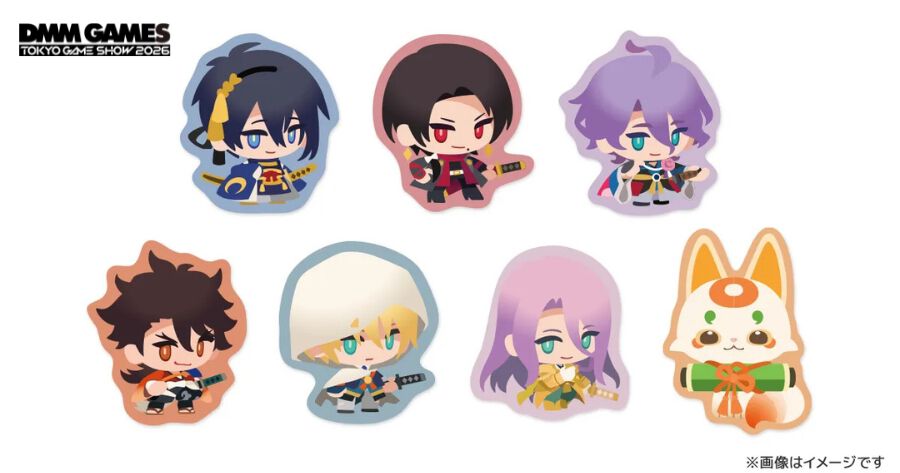
Outside Tokyo Dome during the Musical Touken Ranbu 10th Anniversary celebrations, the morning sun catches thousands of circular flashes across the concourse. Hundreds of saniwa, the dedicated players and fans of Nitroplus and EXNOA’s sword-personification franchise, stand shoulder to shoulder, carrying transparent vinyl carriers packed with pristine pins. What began a decade ago as chaotic fan excess, early documented as chaotic badge clusters in a SoraNews24 Report, has transformed into an exacting design discipline.
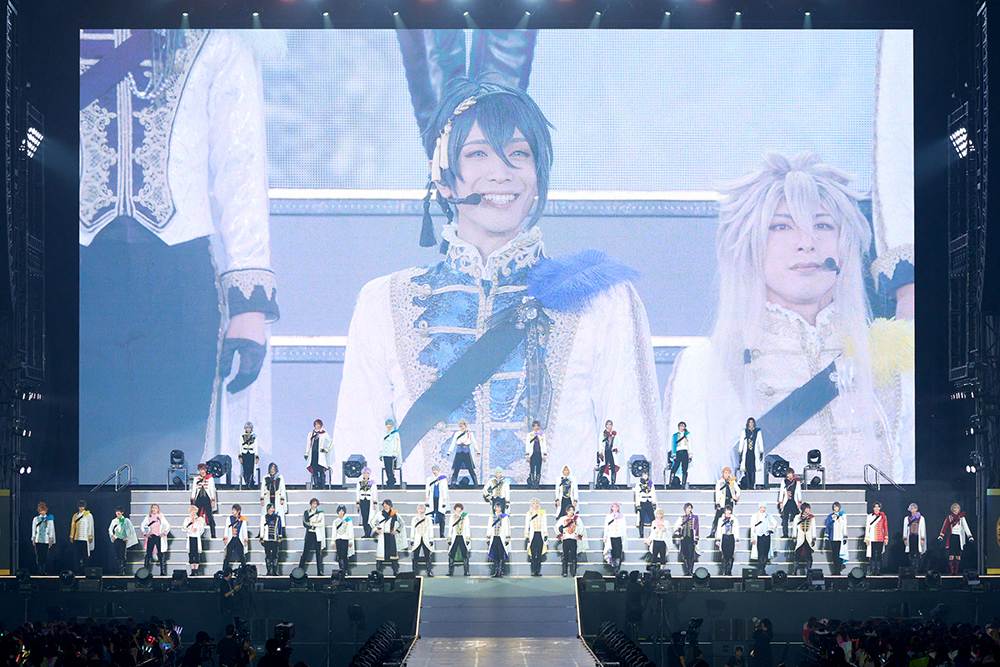
Modern Touken Ranbu ita-bag layouts combine mathematical grid planning, custom textile construction, and archival-grade preservation. At massive gatherings like the Tokyo Dome shows, where 42 sword actors performed simultaneously, and promotional venues for the puzzle title Touken Ranbu Pazugiri, these bags function as wearable shrines. They display an intense visual language where character loyalty meets extreme craftsmanship.
📌 Key Takeaways:
- The Structural Standard: High-end builders use plastic canvas sheets, custom silicone spacers, and clear protective sleeves to maintain millimeter-perfect pin alignments without fabric tearing.
- The Color Discipline: Rather than crowding random items, elite builders anchor bags around official Touken Ranbu goods using traditional Japanese color palettes matching historical blade mountings.
- Weight and Investment: An average A3 showcase bag carries 54 to 70 tin badges, weighs between 2.5 and 4.2 kilograms, and often represents $400 to $1,200 in aftermarket trading costs.
Arena Floor Standards from Tokyo Dome to TGS Showcase Stages
The staging grounds for Touken Ranbu fan gear have expanded dramatically. When Musical Touken Ranbu (Toumyu) hosted its historic 10th-anniversary production at Tokyo Dome, thousands of attendees queued for merchandise under clear instructions regarding bag dimensions and arena etiquette. At events of this scale, your ita-bag is your calling card. It silently signals when you entered the fandom, your financial dedication, and your preferred character clan.
The sheer density of official merchandise trading outside live venues drives this visual culture. Inside the convention halls of Makuhari Messe for Tokyo Game Show, where voice actors Kosuke Toriumi (Mikazuki Munechika) and Kento Hama (Mutsunokami Yoshiyuki) drew massive stage crowds for upcoming franchise releases, the bags on display reflected character-specific eras. Fans of the Douchtanuki Masakuni school favor rugged canvas with raw brass accents, while those backing noble Heian blades build opulent, multi-layered displays.
Carrying these setups through arena turnstiles requires stamina. Bags must withstand crowded commuter trains, long lines under direct sunlight, and sudden rainfall. The modern Touken Ranbu carrier is not an improvised tote bag; it is an engineered accessory built around reinforced handles, industrial transparent vinyl windows, and internal anchor systems.
Structural Anatomy: Pin Alignments and Grid Engineering
The hallmark of an amateur build is sagging. Tin badges are heavy, and when pinned directly onto flimsy fabric inserts, gravity pulls them down into a cluttered, drooping pile within an hour of walking. Veteran builders solve this problem with rigid substrates.
Plastic needlepoint mesh sheets, known in Japanese hobby shops as sokonuke net, form the foundation of professional grid spacing. Builders measure the diameter of their Touken Danshi can badges, typically 54mm, 57mm, or 75mm, and plot the insertion points on the grid with surgical accuracy. By threading badge safety pins through rigid plastic mesh rather than fabric, every single badge remains locked at an identical angle.
The mathematics of an A3 clear display tote bag dictate the layout:
- A standard 54mm badge layout uses an 8 × 7 grid (56 badges) or a 7 × 6 grid (42 badges) with staggered spacing.
- A 75mm badge arrangement usually accommodates a 5 × 4 grid (20 badges), leaving sufficient breathing room for decorative borders.
To eliminate gaps between round badges, builders utilize the "fish scale" technique (uroko-baki). Badges overlap slightly from top to bottom, hiding the top rim of the lower pin beneath the bottom rim of the upper pin. This creates an unbroken wall of glossy character artwork. Cable ties, safety pin protectors (pin covers), and silicone stoppers lock the pins behind the mesh, preventing expensive limited-edition event pins from falling loose inside the vinyl compartment.
Color Harmonies and Character Palettes in Saniwa Styling
The aesthetic rules of Touken Ranbu bags depart from typical pop-idol merchandise through their connection to traditional Japanese design principles. Because the franchise centers on historical bladed weapons dating from the Heian to the Bakumatsu periods, collectors construct their palettes around character clothing, clan crests (kamon), and sword scabbards.
Mikazuki Munechika merch demands a regal, restrained visual scheme. Master builders balance his midnight blue (konjou-iro) robes with deep gold silk ribbons, cream-colored tassels, and subtle crescent-moon charms. An elite Mikazuki setup rarely relies solely on badges; it frames a central arrangement of rare promotional tin pins with woven cords mimicking sageo (sword scabbard cords).
Conversely, a bag dedicated to Kashuu Kiyomitsu leans into Bakumatsu romanticism. Builders contrast glossy black vinyl with vivid crimson ruffles, matte velvet backings, and white lace trim that mirrors his signature scarf. Fans of Yamanbagiri Kunihiro weave pale gold brocade behind silver-bordered badges, offsetting the layout with distressed grey fabrics that reference the character's ragged cloak. Color harmony is non-negotiable; introducing an off-palette merchandise item breaks the immersion and disrupts the visual balance of the entire ensemble.
Layout Formats and Preservation Hardware Across Eras
Over the past decade, ita-bag construction has evolved from uncurated scrapbooks into distinct design philosophies. The table below outlines how display methods differ across live concert settings and convention floors.
| Display Style | Typical Hardware Count | Approximate Weight | Primary Focus |
|---|---|---|---|
| Uniform Grid ("The Wall") | 42, 70 identical badges | 2.8, 4.2 kg | Monolithic devotion; rarity through sheer volume of duplicate event pins. |
| Rosette Centerpiece | 1, 3 focal pins + 12, 16 perimeter badges | 1.4, 2.2 kg | Artisanal ribbon crafting, mixed textures, lace framing, and jewel accents. |
| Diorama & Plushie Mix | 6, 12 badges + 2 plushies + acrylic stands | 1.0, 1.8 kg | Three-dimensional storytelling; integrating character figures into scenic environments. |
The transition toward the Rosette Centerpiece layout gained momentum as the price of blind-box badges spiked on secondary markets like Mercari and Surugaya. As collecting 70 identical lottery badges climbed past the $800, $1,000 threshold, fans shifted toward craft-heavy alternatives that elevate a single prized badge using bespoke ribbon borders rather than brute volume.
Fabric Origami: Handcrafted Rosettes and Character Charms
The centerpiece of a modern high-tier ita-bag is often an intricate tin badge rosette design. These are hand-folded ribbon brooches made to house 57mm or 75mm can badges without puncturing or scratching them.
Builders use pleated satin, grosgrain, and organza ribbons layered in concentric circles. A rosette dedicated to Tsurumaru Kuninaga, for example, combines pristine white silk with silver metallic edges, delicate chain garlands, and miniature white feather charms draping along the base. The badge itself slides into a fabric pocket backed with a heavy magnet, holding the tin steel backing securely without requiring the user to open the pin clasp.
Complementing these rosettes are external hanging items. A plushie strap pouch affixed to the bag’s shoulder strap or side D-rings houses an official palm-sized mascot (nuidori or もちもちマスコット). These plushies are frequently dressed in custom, fan-tailored outfits, miniature yukatas, hakamas, or tour jackets matching the actors' real-life stage wear from Musical Touken Ranbu concerts.
Preservation Strategies and Weight Management in Crowds
Preserving official Touken Ranbu goods inside an ita-bag requires defensive engineering. Clear PVC tote windows protect merchandise from outdoor grit, but vinyl carries hidden risks: heat trapping, moisture accumulation, and plasticizer migration.
Direct contact between PVC and the printed mylar surface of a can badge can cause the badge face to stick to the window. In summer heat, peeling them apart can strip the character art entirely. Experienced collectors fit every single badge with an individual, archival-safe clear cover before assembly. Brands like Coade produce thick polypropylene badge sleeves with scalloped back closures that seal the metal edges, preventing edge rust and surface abrasions caused by metal-on-metal friction inside the pack.
Weight distribution is another logistical hurdle. A loaded A3 bag packed with 60 tin badges and acrylic stands easily surpasses 3.5 kilograms (7.7 pounds). Carrying that weight on one shoulder through an 8-hour convention shift causes immediate muscle strain. As a result, the community has embraced hybrid accessories:
- Padded Shoulder Sliders: Wide leather or neoprene cushions distributed along the strap to prevent painful cutting.
- Dual-Strap Backpack Conversions: Hidden D-rings allowing an over-the-shoulder tote to quickly convert into a balanced backpack for transit.
- Removable Internal Boards: Complete displays mounted to hook-and-loop fabric inserts that can be detached in seconds, letting fans store the heavy display panel flat in a hotel room while using the outer tote as a casual purse.
Frequently Asked Questions (FAQ)
Q1: How do fans collect enough identical badges for a full grid display?
A1: Official Touken Ranbu badges are predominantly sold in blind-box packages or lottery gacha machines. To obtain 40 to 60 identical badges of a specific character, collectors spend weeks coordinating box-splits (*torihiki*) on platforms like X (Twitter), swapping unwanted character pulls with other collectors, or buying surplus stock in bulk via secondary marketplaces such as Mercari and Mandarake.
Q2: What is the best method to avoid damaging rare pins when assembling a display?
A2: Never pin badges directly into the canvas lining of the bag. Instead, cut an A4 or A3 plastic mesh canvas (available at craft stores) to fit the display window. Place every badge inside an archival polypropylene badge cover, and use the pin clasp only to hook through the mesh holes. Fasten the pin clasps on the back with small silicone tubing segments to ensure the pins never bend or open accidentally.
Q3: How do conventions and concert halls regulate ita-bags?
A3: Most concert venues, including arena tours for Musical Touken Ranbu, require bags to fit completely beneath your seat or in small lockers. When seated in tight performance areas, fans must stow large A3 bags at their feet or flip the display window inward against their body to avoid distracting other attendees with reflected stage lights or snagging delicate costumes.
The Evolution of Wearable Otaku Curation
The Touken Ranbu ita-bag has long outgrown its origins as a raw, chaotic display of pop obsession. What stands on display outside concert halls and convention stages today is an articulate, highly specialized craft. Through precise millimeter spacing, historical color curation, and complex textile fabrication, fans turn commercial merchandise into deeply personal installations.
As franchise offerings continue to expand across stage plays, console titles, and live arena spectacles, the design language of these bags grows increasingly sophisticated. Saniwa builders treat their collections not merely as souvenirs to keep inside a drawer, but as dynamic, portable tapestries that carry the legacy of their chosen blades into the public sphere.
