Is 'Asu e no Tobira' the Same as 'Tabidachi no Hi ni'? The True Origin Explained

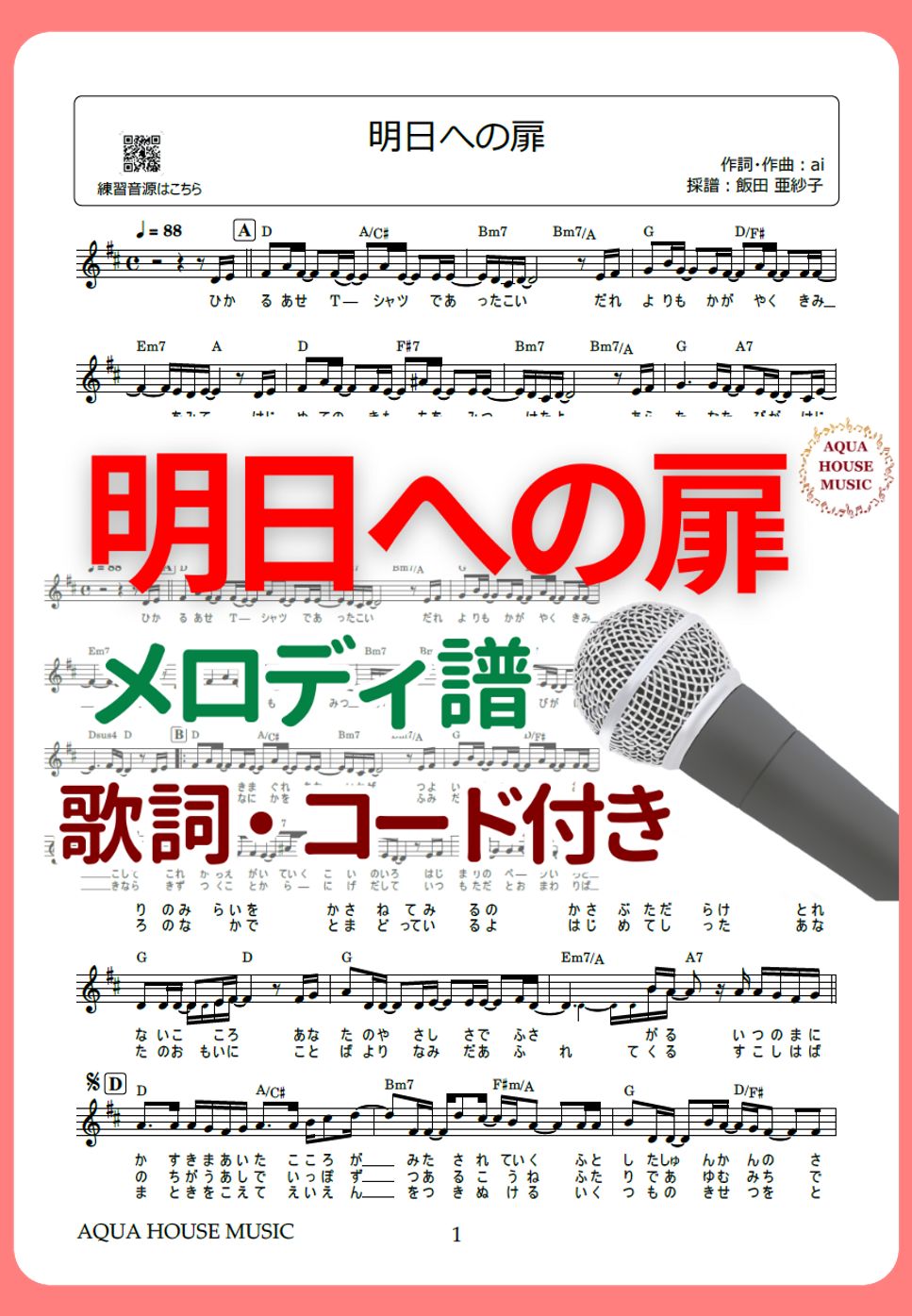
Every spring across Japan, karaoke lounges, school gymnasiums, and streaming playlists experience an identical spike in searches for the lyrics to "Asu e no Tobira" (明日への扉 / Door to Tomorrow). The opening piano chords strike an immediate emotional chord for millions who grew up in the early 2000s. Yet, whenever the song plays at an end-of-year ceremony, an inevitable debate erupts online: is this breezy love track actually the solemn farewell anthem "Tabidachi no Hi ni..." (旅立ちの日に… / On the Day of Departure), or did one simply rip off the other?
The relationship between these two tracks remains one of the most misunderstood chapters in modern J-Pop history. While Western pop analysis often studies structural virality through modern lenses, such as the breakdown of narrative persona highlighted in the Wikipedia (en) Report tracking the global breakout of Yoasobi's hits, the dual identity of "Asu e no Tobira" represents an older, distinctly Japanese phenomenon: an artist operating simultaneously under two public identities with one shared musical skeleton.
📌 Key Takeaways:
- The Chronological Truth: "Tabidachi no Hi ni..." was written first by a teenage Ai Kawashima; "Asu e no Tobira" was later retooled as a commercial pop single for television.
- The Dual Identity Strategy: Kawashima performed "Asu e no Tobira" anonymously as "ai", the frontwoman of the duo I WiSH, while maintaining her grueling solo busking career on the streets of Shibuya.
- Opposing Lyrical Narratives: Though they share their chorus melody, "Asu e no Tobira" is a declaration of budding romantic devotion, whereas "Tabidachi no Hi ni..." reflects the bittersweet finality of high school graduation and maternal loss.
The Shibuya Pavement Roots of Ai Kawashima's Signature Melody
The melody that defines both tracks was born not inside a Tokyo record studio, but on the cold concrete outside Shibuya Station. In 2002, a 16-year-old singer-songwriter named Ai Kawashima made an extraordinary public pledge: she would stage 1,000 street performances (rojo live) and hand-sell 100,000 copies of her self-produced CDs to earn a major-label debut.
Her backstory was tragic. Orphaned at a young age after losing her birth mother, Kawashima was raised by foster parents in Fukuoka. When her adoptive mother also passed away while Kawashima was in middle school, the grieving teenager poured her emotional isolation into songwriting. Sitting in front of a portable keyboard, she wrote "Tabidachi no Hi ni..." as an intensely personal hymn to grief, parting ways with youth, and honoring the loved ones she had lost.
Crowds around Shibuya grew week after week. Commuters stopped in their tracks as the petite teenager sang with piercing clarity through cheap battery-powered amplifiers. The raw emotional weight of "Tabidachi no Hi ni..." quickly made it her signature underground ballad, selling hundreds of CD-Rs directly from her guitar case before corporate scouts caught wind of her talent.
How the Reality TV Phenomenon Ainori Re-Engineered a Schoolyard Ballad
When executives at Sony Music and Fuji TV took notice of Kawashima's melodic instincts, they faced a commercial puzzle. The network was searching for a fresh theme song for *Ainori* (あいのり), its flagship Monday night reality dating program where seven young travelers journeyed in a pink minibus across foreign countries searching for love. A mournful graduation ballad about parental loss did not fit the lighthearted romance of reality television.
Producers paired Kawashima with keyboardist and composer Nao, creating the pop duo I WiSH. Under this corporate banner, Kawashima masked her public persona under the lowercase moniker "ai." The team took the exact chorus and melodic progression of "Tabidachi no Hi ni...", brightened the tempo, swapped out minor-key undertones, and completely rewrote the verses into an upbeat, infectious celebration of young romance.
The result was "Asu e no Tobira" (Door to Tomorrow), released on February 14, 2003. The track exploded across Japan. Powered by *Ainori*'s massive weekly television viewership, the debut single shot straight to #1 on the Oricon charts, ultimately logging over 900,000 physical copies sold and establishing itself as one of the definitive J-Pop 2000s classics. Crucially, the public had no idea that the glowing pop star on television was the exact same girl still singing under street lamps in Shibuya every weekend.
Lyric by Lyric: Deconstructing Romance Against Graduation Farewells
The core source of confusion for modern listeners checking the Japanese graduation song lyrics is the radical contrast in emotional architecture. The two songs occupy completely different thematic universes despite sharing their vocal cadence.
"Asu e no Tobira" frames human connection through the lens of summertime courtship. The lyrics open with an intimate, sensory portrait of teenage attraction:
"Hikaru ase, T-shatsu, deatta koi / Dare yori mo kagayaku kimi wo mite..."
(Glistening sweat, a simple T-shirt, the love we found / Watching you shine brighter than anyone else...)
The chorus of "Asu e no Tobira" serves as a direct invitation to build a romantic future together. When the hook peaks, Kawashima sings: "Tatoeba dareka no tame ja naku, anata no tame ni utaitai kono uta wo" (I don't want to sing this song for just anyone; I want to sing it for you). It is an optimistic, forward-looking pop manifesto centered on emotional companionship.
By contrast, "Tabidachi no Hi ni..." strips away romantic tropes in favor of existential parting. The song opens by establishing seasonal inevitability:
"Sakura saku toki ga kureba, tsugeru sayonara..."
(When the time for cherry blossoms comes, it announces our goodbye...)
Where the *Ainori* anthem looks toward walking down the aisle together, "Tabidachi no Hi ni..." accepts the divergence of human paths. Kawashima sings about cleaning out an empty classroom, returning borrowed uniforms, and recognizing that childhood friends must scatter across separate futures. Its emotional crescendo honors the lingering presence of those who are gone, turning what could have been a simple school hymn into an elegy for lost family.
Side-by-Side Breakdown: Composition, Context, and Commercial Legacy
To untangle the overlapping release dates and sonic differences between both iterations, the following matrix breaks down how the original street composition evolved into a multi-platinum television phenomenon.
| Core Dimension | Asu e no Tobira (明日への扉) | Tabidachi no Hi ni... (旅立ちの日に…) |
|---|---|---|
| Credited Artist | I WiSH (duo featuring ai & Nao) | Ai Kawashima (Solo) |
| Original Date Penned | Late 2002 (Adaptation phase) | 2001, 2002 (Written during junior high) |
| Official Release Date | February 14, 2003 (Commercial single) | April 9, 2003 (Indie mini-album) / 2006 (Single) |
| Arrangement & Tempo | Mid-tempo J-Pop, acoustic guitar, synths | Slow orchestral ballad, acoustic piano, strings |
| Primary Subject Matter | Budding romance, falling in love, marriage | School graduation, parting ways, honoring lost family |
| Cultural Tie-In | Fuji TV reality show Ainori theme song | Japanese nationwide school graduation ceremonies |
Why Japanese Graduation Culture Kept Both Tracks Alive for Decades
Most commercial pop hits that air on reality television fade after the program leaves the broadcasting schedule. Yet "Asu e no Tobira" and its counterpart achieved rare permanence within the Japanese music landscape. This survival comes down to how Japan approaches its transitional spring seasons.
Every March, schools across Japan hold their formal graduation ceremonies (sotsugyoshiki). For decades, these events were dominated by classic choral hymns like "Aogeba Totoshi." By the mid-2000s, educators and students began adopting modern J-Pop pieces that carried genuine emotional resonance. Because "Tabidachi no Hi ni..." was composed by an actual student navigating real personal loss, middle school and high school choirs embraced its choral arrangements across the country.
At the exact same time, students who belted out the somber choral arrangement in the school auditorium would walk to a karaoke booth two hours later and sing the upbeat, romantic "Asu e no Tobira" with their classmates. The two tracks formed a synchronized cultural loop: one validated the tears shed over leaving an old life behind, while the other provided the buoyant optimism required to step into university or the workforce.
Frequently Asked Questions (FAQ)
Q1: Did Ai Kawashima plagiarize "Asu e no Tobira" to make "Tabidachi no Hi ni"?
A1: No. Ai Kawashima wrote the lyrics and melody to "Tabidachi no Hi ni..." first as a middle school student before I WiSH ever existed. The commercial track "Asu e no Tobira" was an officially sanctioned pop adaptation created by Kawashima and producer Nao to serve as the theme song for the television show Ainori.
Q2: Why did Ai Kawashima hide her identity when I WiSH debuted?
A2: Kawashima had made a public promise to her street-performance fans in Shibuya that she would earn her major solo debut by independently selling 100,000 CDs. Joining I WiSH under the anonymous pseudonym "ai" allowed her to fulfill corporate television opportunities with Sony Music without abandoning her independent busking pledge, which she officially completed on August 20, 2003, at Shibuya Public Hall.
Q3: Are the verses identical between the two songs?
A3: No. The verses feature entirely different melodies, tempos, and poetic structures. The two songs primarily intersect at the iconic chorus hook, which uses identical melodic rises but applies completely distinct Japanese lyrics, one detailing mutual romantic devotion and the other narrating a bittersweet graduation departure.
The Enduring Double Life of a J-Pop Masterpiece
The shared legacy of "Asu e no Tobira" and "Tabidachi no Hi ni..." represents a masterclass in musical duality. What began as a lonely teenager's grief-stricken diary entry on the sidewalks of Shibuya transformed into both a 900,000-selling romantic pop sensation and an immortal schoolyard farewell hymn.
Rather than canceling each other out, the two songs complete each other. When Japanese listeners search for the lyrics today, they are rarely looking for just a television theme song or a simple classroom ballad. They are revisiting a foundational melody that taught an entire generation how to say goodbye to the past while gathering the courage to open the door to tomorrow.
