Is Hotel Sunplaza Osaka Truly Haunted? Inside the Chilling Rumors That Terrify Budget Travelers
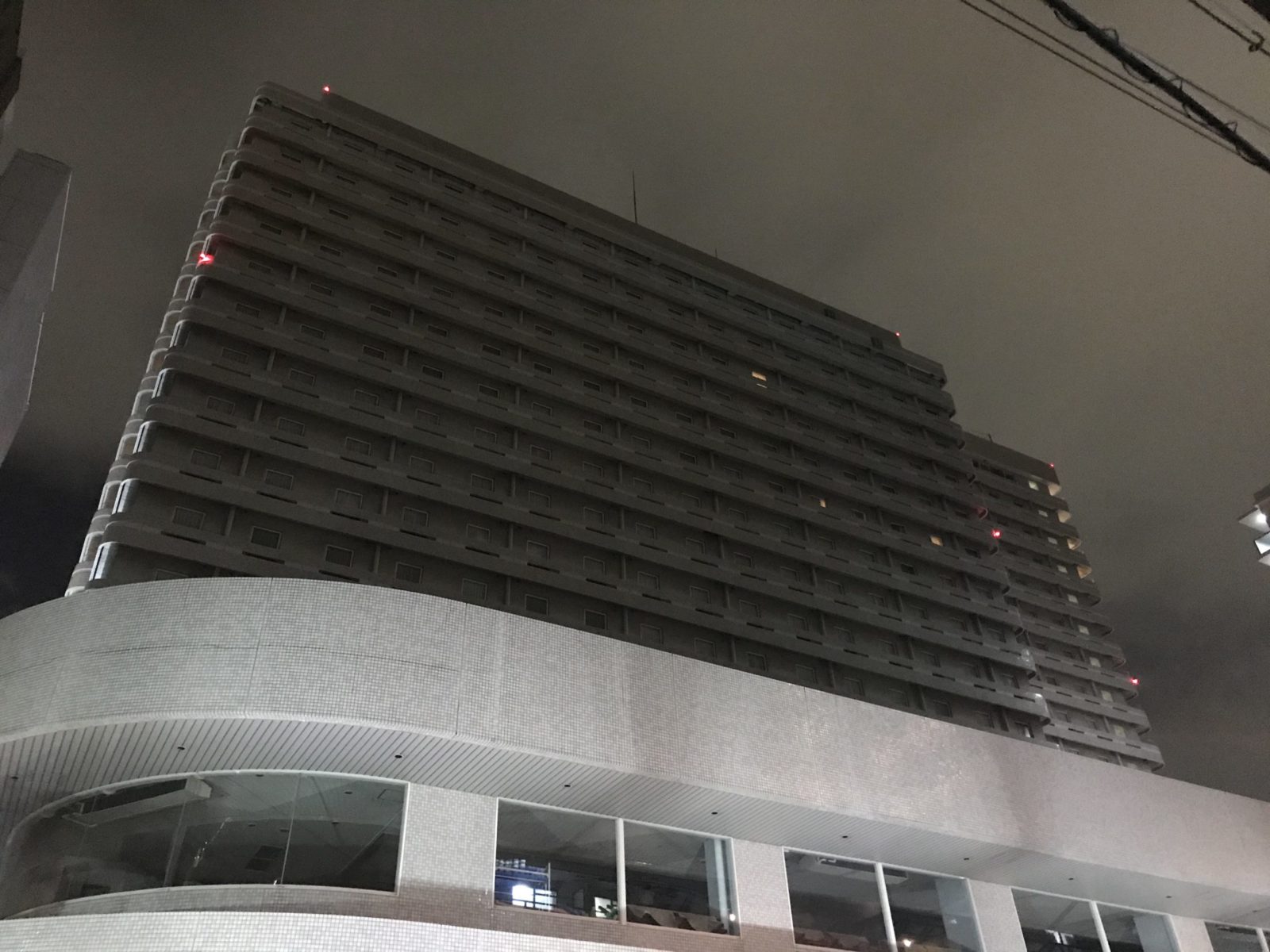
Stepping off the platform at JR Shin-Imamiya Station past midnight, travelers encounter an Osaka far removed from the neon glow of Dotonbori. Across the street stands Hotel Sunplaza, an imposing monolith known across international travel forums for offering private rooms at roughly ¥2,000 to ¥3,500 ($13 to $23) per night. For decades, foreign backpackers, domestic solo travelers, and railway enthusiasts have celebrated the property as an unbeatable bargain. Over the past three years, however, a darker narrative took hold across TikTok, Reddit, and Japanese bulletin boards: claims that Sunplaza and its sister annex, Hotel Sunplaza 2, harbor restless spirits that terrorize guests in their sleep.
Viral clips and travel logs describe sudden temperature drops, heavy footsteps pacing narrow hallways at 3:00 AM, and inexplicable scratching behind compact tatami walls. The speculation frequently collides with the gritty folklore of Nishinari ward, transforming standard budget accommodations into the subject of spine-chilling occult rumors. Yet an investigative look past the supernatural hype reveals a collision of historical displacement, claustrophobic mid-century architecture, and sensory psychology that produces ghost stories out of thin air.
📌 Key Takeaways:
- The Core Reality: Official property registries and municipal records show no evidence that Hotel Sunplaza is registered as an official jiko bukken (stigmatized property) tied to violent incidents.
- The Real Culprit: Ultra-thin partition walls, central ventilation shafts, and sleep disruption common to tiny 3-mat tatami layouts generate the phantom noises documented in viral guest reviews.
- District Stigma: The lingering reputation of Kamagasaki as a former laborers' flophouse district heavily feeds traveler anxiety, transforming mundane ambient sounds into paranormal lore.
The Viral Rise of Shin-Imamiya Budget Hotel Ghost Stories
The legend of the haunted budget hostel did not emerge in a vacuum. It gained widespread traction as foreign backpackers returned to Japan en masse between 2023 and 2026, hunting for affordable alternatives to soaring hotel rates across Kansai. Travel influencers seeking sensational content converged on Nishinari, booking single rooms the size of a walk-in closet and uploading late-night video logs.
Online forums, particularly Reddit's r/JapanTravel and 5channel's occult boards, began filling with identical accounts. Solo travelers staying on upper floors reported the sound of marbles dropping on the ceiling above them, shadows darting past door grates, and feelings of severe sleep paralysis. Japanese search volume for "ホテル サン プラザ 大阪 心霊" spiked alongside these video uploads, sparking arguments over whether the building sat atop consecrated burial grounds or witnessed unrecorded tragedies during the bubble economy collapse.
The narrative quickly snowballed into an internet urban legend. What started as travelers asking about odd knocks in thin-walled corridors morphed into claims that certain corner rooms were permanently blocked off with talismans. In the digital ecosystem, budget travel hacks and amateur paranormal investigations became profitable partners.
Shadows, Knocks, and Hallway Whispers in Guest Reviews
Browsing aggregate booking portals reveals a clear split in guest sentiment. While thousands of budget-conscious travelers praise the clean communal baths and reliable air conditioning, a distinct subset of reviews highlights unsettling nighttime encounters. Solo traveler horror reviews often cite identical sensory details: distinct shuffling sounds outside locked doors, handles jiggling in the dead of night, and phantom murmurs filtering through concrete partitions.
At Hotel Sunplaza 2, similar reports emerge regarding the long, fluorescent-lit corridors. Guests mention waking up to an overwhelming sense of being watched from the foot of their futons. Because the layout consists of rows of nearly identical doors lining narrow hallways, disoriented travelers wandering at 2:00 AM searching for shared toilets frequently test the wrong doorknobs. To someone half-asleep inside a dimly lit three-mat room, an accidental tug on a door handle feels unmistakably sinister.
Physical design plays an outsized role in these encounters. The rooms at Sunplaza maximize efficiency, leaving guests mere inches away from hallway foot traffic. Shared restrooms, coin-operated showers, and vending machines run continuously throughout the night, sending mechanical hums and metal reverberations straight through the building's skeleton.
Kamagasaki's Doya Town Past and the Stigmatized Property Myth
To understand why paranormal rumors cling so stubbornly to this property, one must examine the history of Nishinari ward, historically known as Kamagasaki. During Japan’s postwar economic miracle, this neighborhood functioned as the country's primary day-labor capital. Thousands of construction workers lived in simple lodgings called doya, earning Nishinari the title of Japan's largest "doya town."
When economic bubbles burst in the early 1990s, Kamagasaki faced severe destitution, homelessness, and municipal marginalization. Decades of societal neglect spawned grim urban folklore throughout the Kansai region, branding the district as dangerous or cursed. When former flophouses modernized into budget hostels during the 2010s to serve foreign backpackers, the historical stigma transferred onto the new structures.
Online sleuths often check Oshima Teru, Japan's crowdsourced registry of stigmatized properties (jiko bukken), attempting to link Sunplaza to sudden deaths or suicides. While Nishinari as a wider district carries historical records of elderly day laborers passing away unattended in aging apartments, Hotel Sunplaza itself does not carry fatal incident flags. The grim rumors rely almost entirely on broad neighborhood history rather than documented events inside the hotel walls.
| Reported Anomaly | Paranormal Claim | Structural & Physical Reality |
|---|---|---|
| Repetitive clicking & marble sounds | Spirits pacing or playing games on the floor above | Water hammer effect in aging pipes and HVAC thermal expansion |
| Late-night doorknob rattling | Poltergeist activity attempting room entry | Disoriented guests mistaking room numbers after using communal facilities |
| Heavy chest pressure & sleep paralysis | Malevolent entity sitting on the sleeping guest | Jet lag, confined 3-mat layout claustrophobia, and poor ventilation CO2 buildup |
| Sudden cold drafts | Supernatural temperature drops | Drafts from exterior stairwells and sub-door gaps designed for air circulation |
Dissecting the Architectural Triggers of Ghost Sightings
Human perception bends easily under physical exhaustion. Most international guests arriving at Hotel Sunplaza have survived intercontinental flights, long train transfers, and sensory overload in central Osaka. They check into a room measuring roughly 4.8 square meters (three tatami mats), lay down on a thin futon, and enter a state of high acoustic vulnerability.
Standard construction in mid-tier doya-converted hotels features hollow-core partition walls. These barriers lack the heavy acoustic insulation found in modern commercial high-rises. If a guest three doors down rolls over or unzips a backpack, the noise travels laterally across the floor joists.
The human brain relies on auditory spatial cues to determine threat proximity. When a dull scraping sound reaches the ear through shared ventilation ducts, the mind struggles to pinpoint its origin, often projecting the noise into the immediate room. Pair this acoustic bleed with low-frequency mechanical infrasound from nearby Nankai and JR railway tracks, and the biological conditions for dread, visual hallucinations, and panic spikes are fully met.
Safety, Neighborhood Transformation, and the Backpacker Reality
Travelers asking whether Hotel Sunplaza is safe often blend worries about ghosts with worries about street crime. Nishinari has undergone major urban renewal over the past decade. The opening of major hotel developments, such as the luxury OMO7 Osaka by Hoshino Resorts right beside Shin-Imamiya Station, marks a massive demographic and economic transition across the district.
The streets surrounding Hotel Sunplaza remain distinctly working-class, but violent crime rates across Nishinari are exceptionally low, mirroring broader Japanese safety trends. The true adjustments required of travelers are logistical rather than physical or spectral:
- Noise Tolerance: Earplugs are mandatory. Trains run along elevated tracks until midnight and resume at 5:00 AM, while communal foot traffic continues throughout the night.
- Spatial Expectations: Rooms are micro-sized. Those prone to claustrophobia should book private western twin rooms or seek standard business hotels in Namba.
- Amenity Sharing: Showers, restrooms, and kitchen facilities are communal, requiring patience and comfort with shared residential norms.
Travelers who understand these realities rarely encounter issues. Those seeking immaculate, quiet hotel corridors on a shoe-string budget often walk away unsettled, projecting their discomfort onto the unseen.
Frequently Asked Questions (FAQ)
Q1: Is Hotel Sunplaza officially registered as a stigmatized property (jiko bukken)?
A1: No. Public incident maps like Oshima Teru and municipal records do not show violent crimes, suspicious deaths, or official stigmatization tied to the Hotel Sunplaza structure.
Q2: Why do so many guests report hearing unexplained noises at night?
A2: The building's layout features thin partition walls, gaps beneath doors for airflow, and shared ventilation. Everyday sounds from adjacent guests, railway vibrations, and plumbing pipes travel easily between rooms.
Q3: Is the Shin-Imamiya area safe for solo female travelers?
A3: Yes. While the neighborhood exhibits visible poverty and differs markedly from tourist centers like Umeda, street violence is rare. Hotel Sunplaza also features dedicated female-only floors with secure electronic access.
Navigating Osaka's Cheapest Rooms Without the Ghost Stories
The persistent ghost stories surrounding Hotel Sunplaza Osaka demonstrate how easily physical architecture and neighborhood history can distort human perception. The property is not an active paranormal site or a haunted flophouse. It is a no-frills, highly utilitarian budget facility operating in one of Japan's most misunderstood urban districts.
For budget-conscious backpackers, railway travelers, and digital nomads visiting Osaka in 2026, the hotel remains a reliable, ultra-cheap home base. The knocks in the night belong to train commuters and tired travelers shifting in their futons, not ghosts. Pack a pair of high-density earplugs, leave the urban legends at the train gate, and Hotel Sunplaza simply delivers what it promises: an unbeatable price in the heart of Kansai.
