Is Ikaho Onsen Really Spirited Away's Bathhouse? The Truth Behind Gunma's Red Bridge
Every autumn, thousands of travelers climb the misty mountain roads of Shibukawa City Gunma Prefecture with a singular cinematic vision in mind: crossing the vermilion wooden bridge where Chihiro held her breath to enter the spirit world. Perched at the upper rim of Ikaho Onsen's historic townscape, Kajika Bridge glows crimson against golden maple foliage, prompting countless social media claims that Hayao Miyazaki sketched the Oscar-winning animated feature right here. As domestic and international tourism rebounds across Japan, Ikaho has emerged as a premier anime sacred site pilgrimage, drawing travelers eager to pinpoint the physical origins of Studio Ghibli's fantastical bathhouse, Aburaya.
Yet the physical geography of Japan's hot spring culture often blurs fact and folklore. While local lore and travel guides frequently crown Ikaho as the definitive Spirited Away red bridge origin, the production history of the 2001 classic tells a far more nuanced tale of architectural composites, regional rivalries, and mythological world-building. Recent travel analysis from a Yahoo!ニュース Report highlights how travelers actively weigh Ikaho's distinct iron-rich springs and cinematic streetscape against nearby heavyweights like Kusatsu, sparking renewed scrutiny over what Studio Ghibli actually borrowed from Gunma's iconic waters.
📌 Key Takeaways:
- The Direct Inspiration Myth: Hayao Miyazaki never confirmed Ikaho Onsen as the sole visual model for Aburaya; the bathhouse is an intentional composite drawn from historic structures across Japan.
- The Gunma Connection: Kajika Bridge served as aesthetic inspiration for the bridge leading into the spirit realm, while neighboring Shima Onsen Sekizenkan provided the architectural cues for the bathhouse exterior.
- Visitor Scale: Drawing roughly 1.25 million visitors annually to Shibukawa City, Ikaho ranks second only to Kusatsu in Gunma Prefecture's historic hot spring hierarchy.
The Visual Spark: Kajika Bridge and the Spirit World Boundary
The visual parallel between Kajika Bridge and the bridge in Spirited Away is unmistakable to anyone standing above Ikaho's stone stairway. Arched delicately over a mountain stream fed by hot thermal runoffs, the wooden railing is lacquered in rich vermilion. In the film, Chihiro must walk across an identical arched span alongside Haku, pinching her nose so the ghostly residents do not catch the scent of a human. At Kajika Bridge, the rising steam from the hot spring source directly below creates an ethereal haze that mimics the movie frame almost stroke for stroke.
Timing amplifies this illusion. In late October and early November, municipal lights illuminate the surrounding Japanese maples, casting deep red reflections across the wooden planks. Studio Ghibli staff visited numerous hot spring resorts across Kanto and Tohoku during pre-production in the late 1990s. While the studio has never issued a single-location decree, production sketches preserved from the era show clear structural studies of arched wooden spans identical to Ikaho's hallmark landmark.
Deconstructing the Aburaya Bathhouse: Architecture Across Japan
The towering, labyrinthine bathhouse where spirits wash away human pollution is not a single building. Hayao Miyazaki built Aburaya as a nostalgic architectural collage. It blends Edo-period communal bathhouses, Meiji-era multistory timber inns, and the opulent, pseudo-Western flourishes of early 20th-century entertainment quarters known as yūkaku.
Studio Ghibli's official exhibition notes confirm several specific models. The grand interior, with its sliding wooden doors, tiled soaking tubs, and ornate banisters, draws heavily from the Edo-Tokyo Open Air Architectural Museum in Koganei, Tokyo, specifically a Meiji-era public bath named Kodakara-yu. For the imposing exterior, Miyazaki cited Dogo Onsen Honkan in Ehime Prefecture. Yet within Gunma Prefecture itself, another historic ryokan holds an equally legitimate claim to the cinematic legacy.
| Location & Property | Design Element in Spirited Away | Official Ghibli Status |
|---|---|---|
| Ikaho Onsen: Kajika Bridge (Gunma) | Arched vermilion entry bridge, misty thermal ravine setting | Strong stylistic reference; widely cited by regional tourism |
| Sekizenkan: Shima Onsen (Gunma) | Multistory timber facade, red bridge over river, underground tunnel | Confirmed site visit by Miyazaki; recognized design influence |
| Dogo Onsen Honkan (Ehime) | Central multi-tiered roofline, ornate timber watchtower | Formally acknowledged by Studio Ghibli production diaries |
| Kodakara-yu (Tokyo) | Interior bath hall, painted tile murals, classic shoe lockers | Formally cited as primary interior layout reference |
The Gunma Battle: Ikaho Onsen vs. Shima Onsen Sekizenkan
Within Gunma Prefecture's storied "Joshu Hyakuto" (the hundred hot springs of ancient Joshu province), two destinations wage a friendly tug-of-war for anime pilgrims: Ikaho and Shima. Just 45 kilometers northwest of Ikaho lies Shima Onsen, home to Sekizenkan. Built in 1691, Sekizenkan is recognized as the oldest surviving wooden hot-spring inn structure in Japan.
Sekizenkan boasts its own red bridge crossing the Shima River directly into the ryokan's front doors. It also houses an eerie, dimly lit transit tunnel connecting the main wooden wing to the hillside mountain pavilion, evocative of the railway and drainage tunnels Chihiro traverses. Miyazaki stayed at Sekizenkan prior to writing the film's storyboard, confirming to staff that the architectural density influenced his creative vision.
Where does that leave Ikaho? While Sekizenkan claims the physical inn facade, Ikaho provides the broader spiritual atmosphere. The 365 Ishidan-gai stone steps, lined with shooting galleries, steaming sweet stalls, and dark wooden merchant fronts, embody the dense, vertical ghost town Chihiro's parents wander through at twilight. The two towns represent two halves of the same animated canvas.

Kogane no Yu: The Healing Lore Fueling Japanese Bathhouse Myths
Miyazaki's bathhouse was not merely a hotel; it was a purification sanctuary rooted in Shinto ritual, where exhausted kami shed environmental grime. This concept mirrors Ikaho's ancient hydrology. Ikaho is powered by two distinct thermal waters: Kogane no Yu ("Golden Water") and Shirogane no Yu ("Silver Water").
Kogane no Yu emerges crystal clear from the earth and oxidizes upon contact with air, turning a deep, murky amber due to its rich iron and sulfate content. For over four centuries, samurai wounded in civil conflicts and pilgrims seeking relief from chronic ailments traveled to these hillside tubs. Glass viewing domes embedded directly into the central stone steps allow travelers to see the brownish-red torrent rushing beneath their feet. In the film, Chihiro drains foul-smelling, murky herbal waters to cleanse the Stink Spirit, unveiling an ancient river guardian. The visceral materiality of Ikaho's iron-soaked springs breathes life into that exact folklore concept: water as a heavy, restorative medicine.
Economic Revival and Modern Pilgrims in Shibukawa City
The cultural resonance of the Ghibli mythos has become an economic pillar for Shibukawa City. According to official Gunma Prefecture tourism records published by the Mainichi Shimbun, Ikaho welcomed approximately 1.25 million visitors in 2023, trailing only Kusatsu Onsen within the prefecture. The town has actively embraced pop-culture tourism to rejuvenate its aging hot-spring infrastructure.
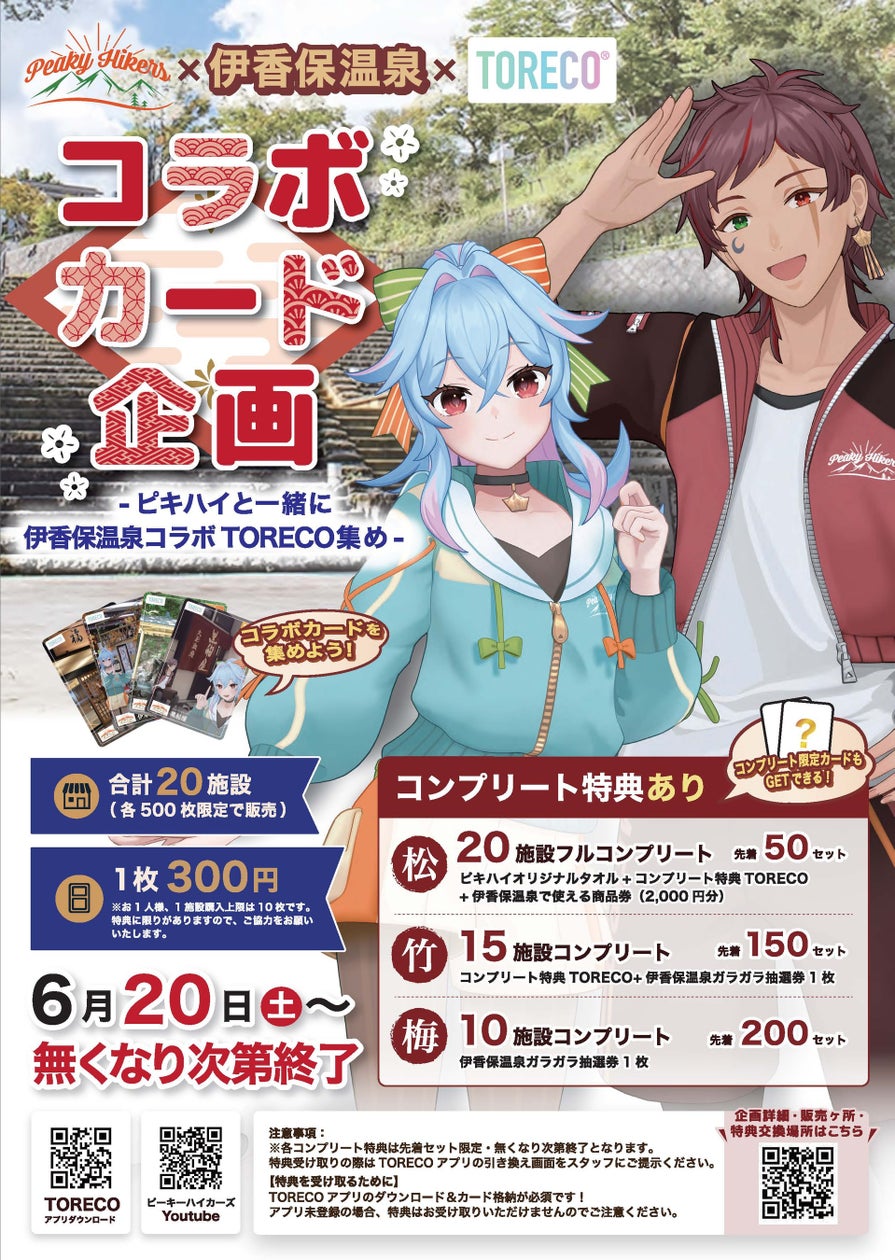
Rather than relying purely on nostalgia, the local commercial association has diversified its promotional outreach. Recent regional initiatives include character-driven partnerships, such as a multi-facility campaign with Gunma-based VTuber unit PeakyHikers across 20 local businesses, pairing traditional ryokan stays with digital stamp rallies. For international travelers navigating from Tokyo via the Joetsu Shinkansen to Takasaki Station, Ikaho serves as an accessible gateway into rural Japanese folklore, combining anime curiosity with authentic onsen leisure.
Navigating the Pilgrimage: Who Should Visit Ikaho
Ikaho Onsen delivers an exceptional travel experience, but setting proper expectations prevents disappointment:
Ideal For:
- Lovers of Historical Atmosphere: Travelers who appreciate tiered topography, historic footbaths, and evenings spent wandering lantern-lit stone stairs in traditional yukata robes.
- Autumn Foliage Enthusiasts: Visitors traveling between late October and mid-November, when Kajika Bridge's maple canopy peaks alongside seasonal night illuminations.
- Accessible Onsen Escapes: Those seeking an easy two-hour transit link from central Tokyo without the remote multi-leg rail journeys required by northern Tohoku resorts.
Who Should Look Elsewhere:
- Literalist Film Pilgrims: Anyone expecting an official Studio Ghibli theme park or a single ryokan that matches every room of the animated Aburaya will find themselves disappointed; the setting is an impressionistic mosaic.
- Travelers with Limited Mobility: The iconic heart of Ikaho requires scaling hundreds of stone stairs; despite modern bypasses, the historic core is challenging for wheelchairs and strollers.
Frequently Asked Questions (FAQ)
Did Hayao Miyazaki officially state that Ikaho Onsen is the model for Spirited Away?
Studio Ghibli has never designated Ikaho as the sole model. Official studio statements confirm that Aburaya is a composite inspired by multiple locations, including Dogo Onsen Honkan, Kodakara-yu in Tokyo, and Sekizenkan in Shima Onsen. Kajika Bridge provided visual inspiration for the entry bridge.
How far is Kajika Bridge from Ikaho's famous stone steps?
Kajika Bridge sits roughly a 10-minute walk past the summit of the 365 Ishidan-gai steps. After passing Ikaho Shrine at the top, a quiet paved trail through the forest leads directly to the bridge and the public open-air bath source.
Can travelers visit both Ikaho Onsen and Shima Onsen in one trip?
Yes. Both resorts sit in Gunma Prefecture, roughly 45 kilometers apart. By rental car, the drive takes approximately one hour. Via public transit, travelers can take local buses back to Shibukawa Station and connect via the JR Agatsuma Line toward Nakanojo Station, making a combined weekend itinerary feasible.
The Living Folklore of Gunma's Thermal Waters
The enduring belief that Ikaho Onsen is Chihiro's bathhouse speaks to the power of Miyazaki's world-building. Studio Ghibli did not duplicate real Japanese towns; it captured their collective memory. When the evening mist settles over Kajika Bridge and thermal steam rises from the wooden runnels of Ishidan-gai, the boundary between everyday life and spirit realm genuinely feels porous. Whether Ikaho provided every wooden beam or simply the arched red span across the gorge, standing at the foot of its amber waters reveals why this mountain retreat continues to haunt the global imagination.
