Is Ippudo Still Delicious? The Truth Behind the 41-Year Tonkotsu Legend Revealed
Walk past Ippudo’s flagship in Fukuoka’s Daimyo district at peak lunch hour, and the aroma tells an unexpected story. Unlike the pungent, sulfurous blast typical of old-school Hakata pork bone stalls, the air here smells mellow, rounded, and lightly sweet. That delicate scent helped Shigemi Kawahara upend Japan's ramen hierarchy in 1985 by designing clean, jazz-filled dining rooms that welcomed solo female diners into what had long been an abrasive, male-dominated subculture. Fast forward to 2026, and the operational machine behind that original counter, Chikaranomoto Holdings, faces a skeptical modern dining public asking whether industrial scale has compromised the craft.
The pressure on the brand is palpable. Following the bittersweet closure of its historic Shiobaru Honpo shop in mid-2025 after 31 years of continuous service, the company launched a sweeping operational push. As highlighted in an 朝日新聞デジタル Report, President Tomoyuki Yamane coordinated an unprecedented simultaneous rollout of a specialty bowl across 16 countries and regions, spanning 96 domestic restaurants and 55 overseas locations to commemorate Ippudo's 41st anniversary milestone. When an artisanal ramen house scales to hundreds of locations across New York, London, Paris, and Tokyo, the question among discerning soup purists is inevitable: does the bowl still deliver on its legendary reputation, or has commercial expansion diluted its soul?
📌 Key Takeaways:
- Consistency Under Pressure: Multi-stage emulsion techniques and temperature-controlled noodle transport allow Ippudo to maintain its signature silky pork bone broth across global franchises without sacrificing texture.
- The 41st Anniversary Shift: To mark its 41-year history, parent company Chikaranomoto Holdings introduced the "Meguru Toripaitan" across 151 global locations alongside a World Food Day charity initiative.
- The Purist Verdict: While commercial scaling inevitably smooths out the rustic funk prized by regional purists, Ippudo’s technical mastery of noodle density and custom fat balancing keeps it comfortably ahead of standard commercial chains.
From Daimyo Jazz to Global Outposts: How Ippudo Reshaped Hakata Tonkotsu
In the mid-1980s, traditional Hakata ramen shops in Kyushu were notorious for greasy floors, overpowering animal odors, and gruff customer service. Shigemi Kawahara deliberately dismantled that environment. He introduced polished timber counters, muted lighting, modern jazz acoustics, and porcelain bowls shaped specifically to retain surface heat. More importantly, he re-engineered the soup base. Instead of boiling pork heads and marrow bones down to an aggressive, sticky sludge, Kawahara implemented a sequential, multi-pot extraction method that yielded a creamy emulsion without bitter scorched notes.
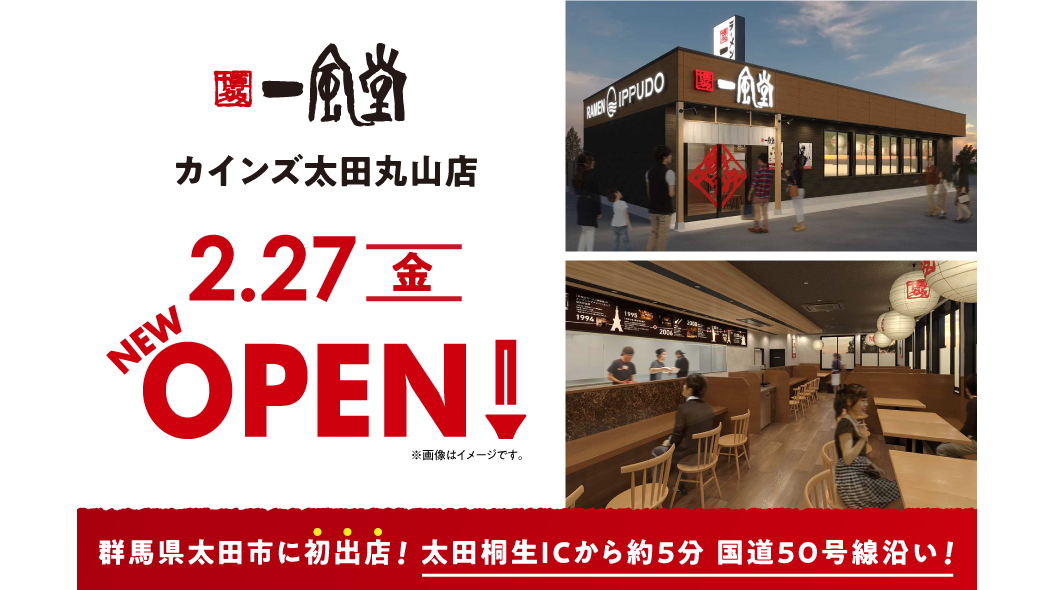
That architectural and culinary formula allowed Ippudo to conquer Tokyo in the 1990s and launch its aggressive global rollout during the 2010s. Yet rapid growth brings logistical friction. Opening regional storefronts in suburban locations like Gunma’s Ota City or expanding across Ishikawa Prefecture requires a high degree of centralized processing. Traditional critics often argue that modern Ippudo broth tastes too polished. However, operational audits show the company maintains dedicated regional production hubs to ensure collagen breakdown matches the exact Brix density standards established at the Hakata original.
Tasting the Core Trinity: Shiromaru, Akamaru, and Karaka
Assessing whether Ippudo remains delicious requires evaluating the core bowls that built its reputation: Shiromaru Motoaji, Akamaru Shinaji, and Karaka Spicy Ramen.
Shiromaru Motoaji remains the standard bearer. The broth arrives pale ivory, carrying microscopic droplets of rendered back fat suspended across the surface. Its first sip delivers clean umami, driven by pork femur marrow smoothed out with a subtle dried fish and kelp seasoning base (*kaeshi*). The pork avoids gamey aftertastes entirely. Paired with ultra-thin, round Hakata noodles, each bite carries just enough broth to coat the palate without feeling heavy.
Akamaru Shinaji introduces controlled complexity. Built on the identical tonkotsu base, this preparation layers a dark, fragrant garlic oil (*chiyu* and *mayu*) alongside a dollop of spiced fermented bean paste. Stirring these elements inward transforms the pale soup into a deep, savory broth with noticeable allium bite and lingering pepper warmth. For diners who find classic tonkotsu monotonous halfway through the bowl, Akamaru provides dynamic shifts in flavor profile as the condiments blend into the base.
Karaka Spicy targets palates seeking aggressive heat. Ground pork simmered with sweet bean paste, Sichuan peppercorns, and red chiles sits crowned in the center. The numbing, spicy chili blend cuts cleanly through the pork fat, though heavy capsicum heat slightly masks the delicate marrow balance that defines the house broth.
Evaluating the Menu: Flavor Profiles, Techniques, and Ideal Diners
Deciding which bowl to order depends heavily on personal tolerance for richness, regional style preferences, and ingredient layering. The following breakdown maps the technical differences across Ippudo's core and limited offerings.
| Menu Selection | Broth Formulation & Technique | Noodle Profile & Texture | Best Suited For |
|---|---|---|---|
| Shiromaru Motoaji | Classic pork marrow emulsion, gentle extraction, low funk | Ultra-thin straight wheat (26-gauge), snappiest bite | Purists seeking balanced, delicate Hakata-style comfort |
| Akamaru Shinaji | Tonkotsu base enhanced with burnt garlic oil and spiced miso | Slightly thicker cut (22-gauge) for higher sauce cling | Diners wanting multi-layered allium depth and contrast |
| Karaka Spicy | Tonkotsu fortified with chili oil, sansho pepper, and spiced mince | Standard thin Hakata noodle with high starch retention | Spicy food enthusiasts and cold-weather comfort seekers |
| Meguru Toripaitan | High-collagen chicken bone reduction, ginger, clean finish | Custom whole wheat blend, springier chew | Non-pork diners and those seeking velvet-textured poultry soup |
The 41st Anniversary Pivot: Meguru Toripaitan and Global Uniformity
To celebrate its 41st anniversary milestone, Chikaranomoto Holdings executed a logistical feat that signals where modern ramen operations are heading. Led by President Tomoyuki Yamane, the company unified kitchens across North America, Europe, Southeast Asia, and Japan to prepare a single commemorative dish: **Meguru Toripaitan**.
Pivoting away from pork for a flagship anniversary release represents a calculated operational shift. Chicken paitan relies on extracting gelatin from avian carcasses under rapid rolling boils, yielding a texture as rich as tonkotsu but with a brighter aromatic baseline. Because it contains zero pork products, the bowl broadens dining accessibility across international markets with varying dietary restrictions. Early reviews confirm that the broth maintains an exceptional, velvety viscosity without artificial thickeners. By pairing this release with a kaedama donation pledge on World Food Day, Chikaranomoto successfully balanced corporate scale with genuine community outreach.
The Customization Playbook: Noodle Firmness and Table Condiments
One primary reason Ippudo continues to perform well among local Japanese diners is the granular level of personal customization available at the table. Ordering like a seasoned patron changes the entire dining experience.
Noodle firmness dictates how the bowl performs over time. Thin Hakata noodles absorb hot broth rapidly, softening within two to three minutes. Ordering *Katame* (firm) or *Barikata* (very firm) ensures the center retains a crisp, starchy core from the first slurp to the last. For secondary noodle orders, the time-honored Hakata tradition of *kaedama*, diners should call for the refill when roughly one-third of their original broth remains, requesting *Barikata* to compensate for the broth's declining temperature.
Countertop condiments provide another layer of tuning. Ippudo’s signature seasoned bean sprouts (*moyashi*), pickled mustard greens with chili (*karashi takana*), and raw garlic cloves crushed fresh through a hand press are essential tools. Adding takana midway through a bowl of Shiromaru cuts the rich fat with sharp acidity. Dropping crushed garlic into Akamaru heightens the garlic oil's pungent profile, effectively turning an ordinary commercial bowl into a customized, high-potency meal.
Frequently Asked Questions (FAQ)
Q1: Why do some ramen purists criticize Ippudo's soup?
A1: Purists accustomed to classic Kyushu roadside stalls often miss the funky, pungent aroma (*tonkotsu-shu*) that comes from traditional rolling boils. Ippudo filters and clarifies its broth meticulously, resulting in a cleaner, milder flavor designed to appeal to general audiences rather than hardcore enthusiasts of rustic offal notes.
Q2: What is the optimal noodle firmness setting for beginners?
A2: Order *Katame* (firm). It provides the ideal balance: firm enough to avoid turning soggy in the boiling soup, yet tender enough to release natural wheat starches that help the broth cling to each strand.
Q3: Is the anniversary Meguru Toripaitan entirely pork-free?
A3: Yes, the broth base is formulated entirely from high-collagen poultry reductions. However, cross-contact policies vary by region, so diners with severe dietary restrictions or allergies should always verify regional kitchen practices directly with staff.
The Road Ahead for Chikaranomoto Holdings in 2026
Ippudo occupies a rare middle ground in global dining: a massive publicly traded corporate chain that still commands genuine respect from serious culinary writers. While rapid expansion naturally standardizes subtle regional nuances, the baseline execution across its global network remains remarkably tight. The broth arrives piping hot, the wheat quality in the noodle lab remains uncompromising, and the operational precision under Tomoyuki Yamane keeps standards high from Fukuoka to London.
For diners seeking an extreme, pungent tonkotsu baptism, neighborhood independent shops in Hakata backstreets will always hold greater rustic charm. Yet for anyone seeking flawless noodle texture, refined broth extraction, and consistent quality across borders, Ippudo continues to prove that massive scale doesn't have to ruin a great bowl of ramen.
