Is Iroha Sushi Nakameguro Really Worth the Hype? An Unfiltered Look at Quality and Costs
Step off the Tokyu Toyoko Line into Nakameguro after midnight, and the neighborhood shifts from sleek designer boutiques and specialty coffee roasters to a shadowy grid of izakayas and neon-lit alleyways. Long before the district became famous for cherry blossom crowds and high-end omakase counters charging ¥30,000 a seat, late-night workers and bar-hoppers gathered for raw fish, cold beer, and unpretentious service at Iroha Sushi. Today, visitors frequently debate whether this neighborhood institution still delivers genuine culinary value or simply survives on vintage nostalgia.
Tokyo's dining landscape has grown increasingly stratified, leaving casual sit-down sushi counters caught between industrial conveyor-belt chains and prohibitively expensive tasting menus. Chronicled in a detailed retrospective by a note Report exploring personal Tokyo culinary milestones, Iroha Sushi traces back decades to its gritty roots under the old train tracks. As food lovers weigh escalating city prices against authentic neighborhood culture, evaluating the restaurant's freshness, pricing structure, and daily execution reveals exactly where this iconic stop fits into contemporary Tokyo dining.
📌 Key Takeaways:
- The Core Reality: Iroha Sushi is not an artisan omakase temple; it is a raucous, izakaya-style sushi house prioritizing high-tempo hospitality, generous portions, and midnight availability.
- The Cost Equation: An average dinner budget runs between ¥4,500 and ¥6,000 per person, offering solid value compared to Nakameguro's upscale dining alternatives.
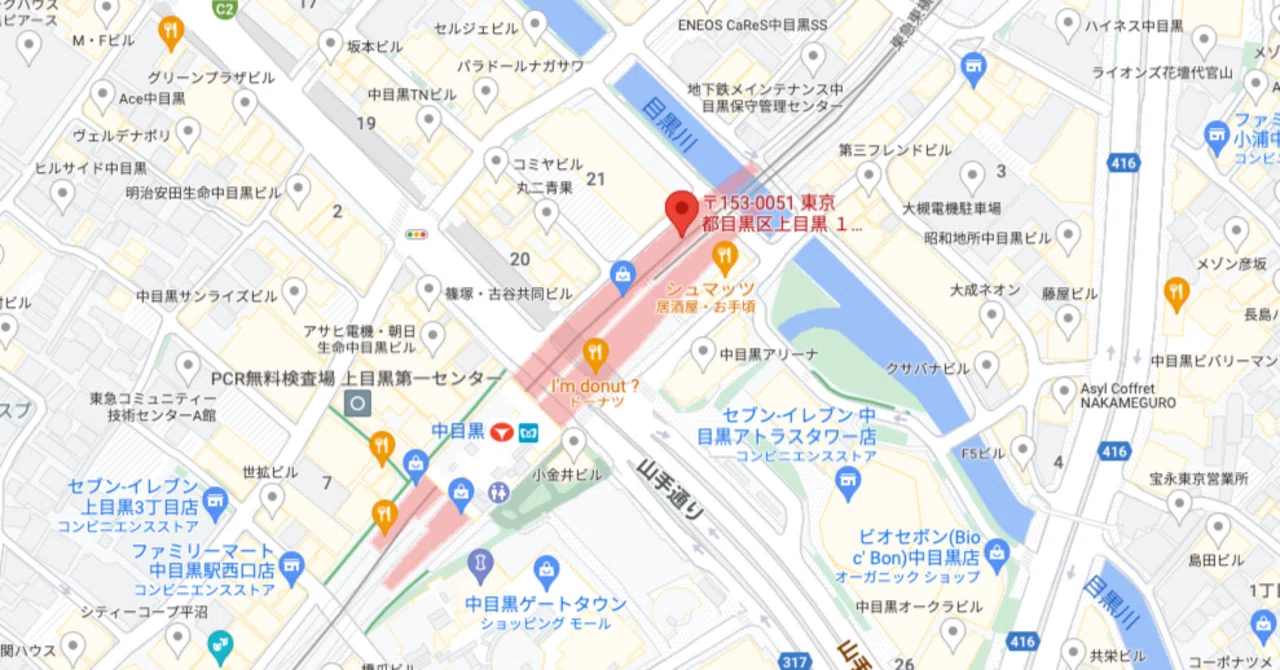
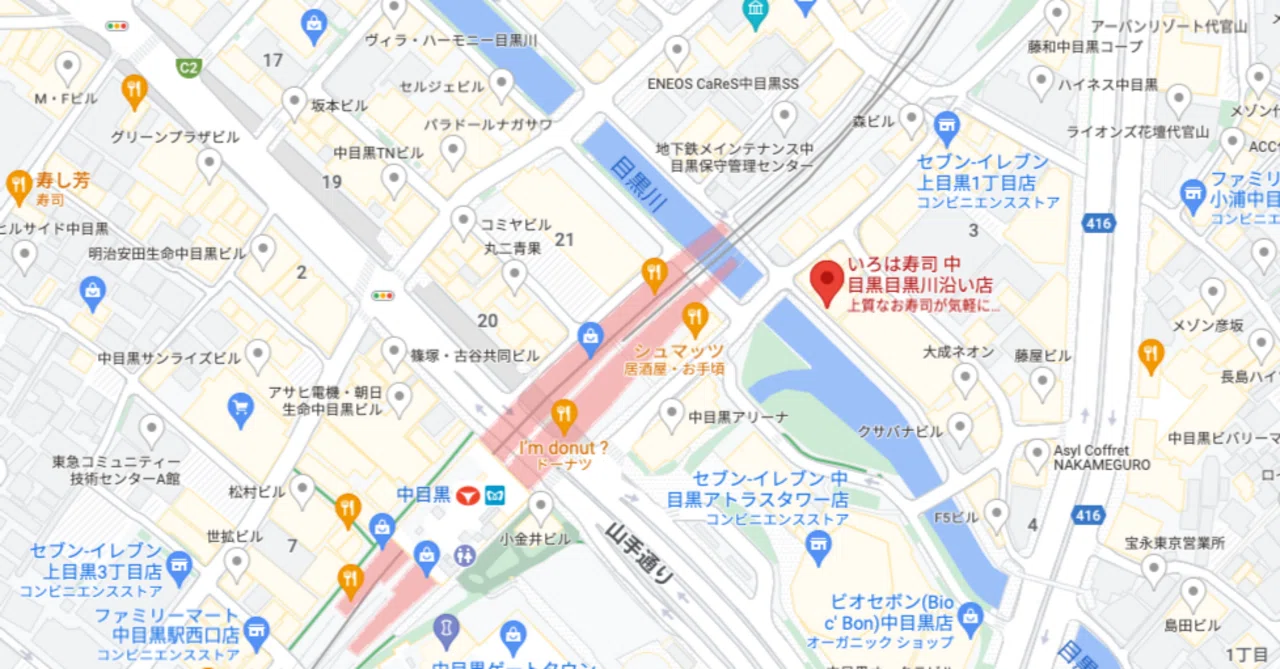
- The Footprint: Following historic redevelopment, the business operates across two core storefronts: the street-facing Nakameguro Honten on Yamate-dori and the scenic Meguro River branch.
From Railway Viaduct Relic to Cult Midnight Fixture
The modern identity of Iroha Sushi is inseparable from the Nakameguro railway viaduct history that shaped the district throughout the late twentieth century. Decades before the sleek concrete renovation known as Nakameguro Koukashita opened beneath the tracks in late 2016, the space under the Tokyu lines held a chaotic, smoke-filled enclave of tiny drinking holes and weathered counters. Iroha operated squarely within that ecosystem, serving fresh nigiri platters and carafes of cheap sake until daybreak to musicians, commuters, and hospitality staff finishing their own shifts.
When urban renewal forced businesses out of the viaduct corridor, the shop chose not to dissolve into memory. Instead, ownership expanded into two distinct addresses within walking distance of the station: the flagship Nakameguro Honten along Yamate-dori and the Meguro River branch sushi venue nestled along the canal. Rather than pivoting toward high-concept modern decor, both venues preserved the brisk, casual atmosphere of classic Showa-era dining rooms. Linoleum accents, hand-written wooden menu placards, and the steady clatter of ceramic plates keep the original spirit alive.
Deciphering the Tabelog Score and Neighborhood Reputation
International diners accustomed to Western review systems often misinterpret Japanese dining aggregators. The official Tabelog rating for Iroha Sushi hovers around 3.45 out of 5.00, a figure that uninformed tourists occasionally dismiss as mediocre. On Tabelog, however, scores above 3.50 represent the top percentile of all registered restaurants across Japan, reserved almost exclusively for destination-grade culinary temples. A score of 3.45 signals an exceptionally dependable, above-average local establishment that regulars return to week after week.
Locals do not visit Iroha seeking silent, monastic sushi masters who brush nikiri soy sauce with tweezers over aged tuna. They arrive for a lively Meguro River izakaya sushi experience where plates of fatty salmon, sea urchin, and vinegar-cured mackerel land on crowded tables alongside grilled yellowtail collars and chilled dry sake. Diners who walk in expecting the whisper-quiet reverence of a Ginza counter walk out disappointed. Those who embrace the loud room, swift service, and casual energy generally leave satisfied with the quality-to-yen ratio.
Balancing Cost and Quality Across Nakameguro Counters
Understanding whether Iroha represents good value requires examining how its pricing stacks up against the broader spectrum of Tokyo sushi dining. On one end sit budget conveyor-belt giants; on the other sit the area's increasingly gentrified tasting counters that require months of advance booking.
| Dining Category | Average Dinner Budget | Operating Hours | Typical Dining Atmosphere |
|---|---|---|---|
| Conveyor Belt Chains (Kura, Sushiro) | ¥1,500, ¥2,500 | Closes at 22:00, 23:00 | Family-heavy, automated ordering, rapid turnaround |
| Iroha Sushi Nakameguro | ¥4,500, ¥6,000 | Open Late (until 03:00, 05:00) | Bustling, izakaya hybrid, drinks-forward, social |
| Mid-Tier Neighborhood Counters | ¥8,000, ¥14,000 | Closes at 22:00, 23:00 | Quiet, semi-formal, traditional counter seating |
| High-End Omakase | ¥20,000, ¥38,000 | Fixed seatings (18:00 / 20:30) | Whisper-quiet, chef-dictated progression, reservations mandatory |
The math explains why the seats stay full. A realistic dinner budget Nakameguro sushi outing at Iroha lands around ¥5,000 per guest when ordering six to eight pieces of nigiri, a side of fried seasonal fish, and two drinks. Paying that price point inside one of Tokyo's trendiest residential wards without a reservation feels like an increasingly rare luxury.
What Lands on the Plate: Freshness and Execution
The food at Iroha bridges the gap between traditional raw fish counters and full-service drinking houses. Fish arrives daily from Tokyo's Toyosu Market wholesale channels, guaranteeing baseline freshness that easily clears standard conveyor-chain benchmarks. Cuts of chutoro (medium fatty tuna) feature clean marbling, seasonal buri (yellowtail) carries the necessary richness, and shell options like hotate (scallop) are served plump and sweet.
Where the kitchen differs from high-end counterparts is in the treatment of the rice (shari). The grain seasoning here leans neutral, avoiding the pungent red vinegar blends common in contemporary Edo-mae revival joints. Portions are generous, pairing well with beer and cold sake rather than competing with them for attention. A standard sashimi and sake pairing ordered from the wall board delivers thick, rustic slices rather than delicate, aged slivers. The side dishes, including simmered fish heads, dashimaki tamago, and crab miso, reinforce the venue's dual role as an evening drinking hub.
Choosing Between Yamate-dori Honten and the Meguro River Outpost
First-time visitors often wonder which location to pick. While the menu and kitchen philosophy remain virtually identical, their neighborhood environments create different dynamics:
- Nakameguro Honten (Yamate-dori): Situated along the bustling main avenue, this branch absorbs heavy walk-in traffic from nearby offices and train commuters. The room feels wider, slightly louder, and caters heavily to groups looking for classic Nakameguro casual sushi dining.
- Meguro River Branch: Tucked into the side streets adjacent to the canal, this storefront draws foot traffic from daytime shoppers and couples strolling along the water. During late spring, demand spikes dramatically as the cherry trees bloom, creating massive wait times that contrast with its relaxed late-night rhythm during the rest of the year.
Both venues function as reliable Tokyo midnight dining spots, often serving food well past midnight when subway services cease and night owls look for sustenance between bar visits.
Frequently Asked Questions (FAQ)
Q1: Do I need a reservation to eat at Iroha Sushi in Nakameguro?
A1: Walk-ins are the norm, especially late at night. During prime dinner hours (19:00 to 21:00) on Fridays and weekends, tables fill up rapidly, making brief waits common. For prime-time weekend dining with larger groups, stopping by earlier in the evening to put your name down is recommended.
Q2: Is the restaurant accessible for English-speaking travelers?
A2: While the interior relies on traditional handwritten Japanese boards, photo menus and translated ordering aids are available. Ordering individual pieces of nigiri or combination sets by pointing works seamlessly thanks to the accommodating staff.
Q3: How late does Iroha Sushi stay open?
A3: Hours can fluctuate based on seasonal shifts and staffing, but the venues typically operate until 03:00 to 05:00 on peak operating nights. This makes them among the few full-service sit-down sushi options operating in the Meguro area past the midnight train rush.
The Cultural Staying Power of Casual Counter Culture
Tokyo dining is undergoing rapid modernization. Automated order pads, tourist-tailored set menus, and pristine omakase rooms have displaced many neighborhood staples across Shibuya and Meguro wards. Within this high-pressure landscape, Iroha Sushi Nakameguro occupies an essential middle ground. It does not chase Michelin stars, nor does it cut corners down to automated factory standards.
By delivering fresh fish, approachable prices, and late-night availability, the restaurant offers an authentic slice of Tokyo drinking culture that outlasts shifting culinary trends. For diners who appreciate lively banter, cold beer, and a table loaded with freshly pressed sushi after midnight, Iroha remains well worth its enduring reputation.
