Is Kato Mochi-Mugi Bread Worth the Hype? Investigating the Health Claims and Bakery Recipes
Tucked into the rolling farmland of Hyogo Prefecture's Kita-Harima region, Kato City has become the staging ground for a quiet agricultural rethink. Across local bakeries, cooling racks display loaves distinct from typical Japanese shokupan: dense, moisture-heavy crusts yielding a deep, roasted-malt aroma. Rather than relying entirely on high-protein North American wheat, local bakers are turning to mochi-mugi, a traditional six-row glutinous barley whose culinary footprint has long been confined to rice-pot additions and boiled-bean delicacies.
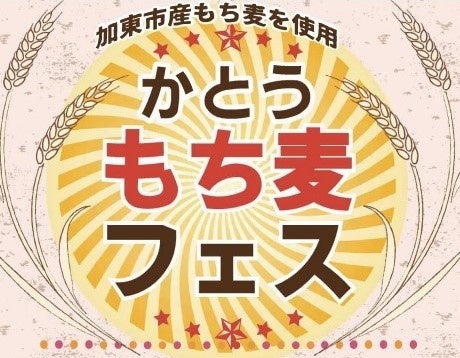
The push gained municipal momentum when regional authorities, farm cooperatives, and food processors formed a coordinated commercial pact. As detailed in a PR TIMES Report on the municipal initiative, bean and traditional foods processor Maruyanagi Oguraya joined forces with Kato City Mayor Tadashi Iwane, JA Minori leadership, and the Kita-Harima Citizens' Bureau to run the annual Kato Mochi-Mugi Festival. The coalition's objective is straightforward: establish Kato City as a national hub for glutinous barley processing, expanding local bakery recipes and building a distinct identity within Hyogo artisan bread culture.
📌 Key Takeaways:
- The Agricultural Initiative: Kato City, JA Minori, and Kobe-based manufacturer Maruyanagi Oguraya built an integrated regional supply chain to bring locally grown glutinous barley into the prefecture's artisanal bakery lines.
- The Nutritional Profile: Mochi-mugi contains up to four times the dietary fiber of brown rice, driven by high concentrations of water-soluble beta-glucan that flatten post-meal blood sugar spikes.
- The Baker's Challenge: Because mochi-mugi lacks gluten-forming prolamins, master bakers employ extended autolyse methods and precise 20% to 30% blending ratios to maintain loft without sacrificing its signature chewy crumb.
The Kita-Harima Agricultural Alliance Behind the Grain
The agricultural logic of Kato City rests on regional succession. For generations, Kita-Harima farmers have cultivated Yamada Nishiki, the reigning benchmark grain of high-end sake brewing. Yet balancing seasonal crop rotations and addressing abandoned arable land required an equally resilient companion harvest. Enter mochi-mugi (glutinous barley), a winter-sown cereal that thrives in the moisture-retaining soils of central Hyogo.
Commercialization stalled for years due to processing hurdles. Raw barley hulls require abrasive pearlization before milling, a technical bottleneck that kept most harvests locked within raw-grain distribution. The partnership between JA Minori Chairman Tomoshige Kanzawa, Mayor Tadashi Iwane, and Maruyanagi Oguraya CEO Yuji Yanagimoto established dedicated regional post-harvest cleaning and micronized milling operations. This infrastructure allowed local grain processing to supply fine-screen mochi-mugi flour directly to local independent bakehouses within 48 hours of milling, preserving the grain’s delicate unsaturated lipid fractions from oxidation.
Nutritional Mechanics: Beta-Glucan Versus Refined Flour
Glutinous barley behaves differently from conventional wheat on a metabolic level. Where standard hard red wheat stores its carbohydrate reserve as easily hydrolyzed amylose and amylopectin starches wrapped around storage proteins, mochi-mugi concentrates substantial amounts of mixed-linkage (1→3)(1→4)-beta-D-glucan within its endosperm cell walls.
Beta-glucan is a viscous soluble fiber. Upon entering the gastrointestinal tract, it hydrates into a thick gel matrix that slows enzymatic starch breakdown, stabilizing postprandial blood glucose levels. Clinical data from Japan's National Institute of Biomedical Innovation, Health and Nutrition shows that a daily intake of 3 grams of barley beta-glucan measurably reduces visceral adipose accumulation and lowers circulating LDL cholesterol. Unlike standard whole-wheat flour, where insoluble bran is often filtered out to aid loaf rise, mochi-mugi maintains its soluble fiber payload throughout the entire grain kernel, meaning even sieved barley flours retain their core therapeutic benefits.
Baking Science: Managing Hydration and Crumb Integrity
For artisan bakers, working with mochi-mugi introduces clear structural challenges. Barley lacks glutenin and gliadin in the ratios necessary to form a self-supporting viscoelastic gluten matrix. Substitute more than 35% of wheat flour with raw barley meal in a conventional bread formula, and the dough collapses into a dense, gummy brick with an underdeveloped crumb.
To overcome this limitation, Hyogo bakers treat mochi-mugi as an active hydrator rather than a structural flour. Many utilize an adapted tangzhong (water-roux) or an extended cold autolyse, pre-gelatinizing the barley starches at 65°C (149°F) before integrating them into a strong, high-protein domestic base flour like Haruyokoi. The mochi-mugi absorbs 1.5 times its dry weight in water, acting as an internal moisture reservoir that keeps the baked loaf soft for up to four days without commercial emulsifiers.
| Flour Type | Total Fiber (per 100g) | Beta-Glucan Ratio | Hydration Ceiling | Structural Role in Bread |
|---|---|---|---|---|
| Standard Refined Wheat | 2.5g, 3.0g | 65%, 72% | Primary gluten framework | |
| Whole Wheat (Standard) | 10.5g, 12.0g | 0.8g, 1.2g | 75%, 82% | Bran cuts gluten strands |
| Kato Mochi-Mugi (Whole) | 12.5g, 15.0g | 6.0g, 8.5g | 90%, 110% | Moisture retention, chewiness |
| 20% Mochi-Mugi Blend | 5.0g, 6.2g | 1.8g, 2.4g | 78%, 84% | Balanced loft with tender crumb |
Palate Profile: Why Mochi-Mochi Texture Appeals to Japanese Consumers
The culinary breakthrough of Kato mochi-mugi bread lies in mouthfeel. Japanese bread consumption has long been dominated by two competing sensory ideals: the airy, feather-soft melting sensation (fuwa-fuwa) of enriched white bread, and the elastic, rice-like chewiness (mochi-mochi) prized in traditional Wagashi and regional noodles.
Whole-grain western sourdoughs often struggle in regional Japanese markets because consumers find the sharp acetic acid profile and tough, tooth-resistant crust overly punishing. Mochi-mugi bypasses this friction entirely. The high amylopectin content yields an unmistakably bouncy, damp crumb without relying on dairy fats or excessive invert sugars. On the palate, the barley produces a clean, toasted-cereal sweetness with zero lingering bitterness, blending smoothly into everyday savory meal spreads.
Evaluating the Practical Retail Reality
Despite its agronomic appeal, mochi-mugi bread remains subject to operational constraints that prospective buyers and home bakers must weigh carefully:
Ideal Profiles:
- Shoppers seeking steady glucose control who find standard white bread too prone to causing mid-morning energy dips.
- Consumers looking to increase daily soluble fiber without relying on synthetic fiber isolates or medicinal psyllium husks.
- Home and professional bakers who want naturally moist whole-grain sandwich loaves that resist staling across several days.
Risk Flags:
- Individuals with celiac disease or diagnosed wheat-barley allergies: Mochi-mugi contains hordein, a storage protein that triggers autoimmune reactions similar to wheat gluten. It is not gluten-free.
- Bakers expecting tall, open-structured French baguettes: Barley additions soften crust crispness within hours due to high internal moisture migration.
- Budget-conscious shoppers: Small-batch artisanal mochi-mugi loaves generally retail at a 25% to 40% premium over standard supermarket loaves due to specialized sorting and small-scale milling costs.
Frequently Asked Questions (FAQ)
Q1: Is Kato City mochi-mugi bread suitable for a strict gluten-free diet?
No. While mochi-mugi is low in the specific gluten proteins that give wheat dough its elastic rise, it contains hordein, a related prolamin protein. Anyone with celiac disease or non-celiac gluten sensitivity must avoid it entirely. Most commercially sold loaves in Kato City also use strong wheat flour as their primary structure.
Q2: How does mochi-mugi differ from standard pearl barley found in western supermarkets?
Standard Western pearl barley is almost universally non-glutinous (uru-chi), containing higher levels of amylose starch. Mochi-mugi is a glutinous variety dominated by amylopectin starch. This structural difference gives mochi-mugi its characteristic gelatinous elasticity, softer chew, and substantially higher soluble beta-glucan content.
Q3: Can I substitute mochi-mugi flour 1:1 for bread flour in standard home recipes?
A 1:1 substitution will result in a flat, unrisen loaf with an unpleasantly pasty center. For standard sandwich breads or sourdoughs, cap your mochi-mugi inclusion at 20% to 25% of total flour weight. Increase overall dough hydration by roughly 5% to account for the barley’s elevated water absorption capacity.
The Road Forward for Kita-Harima Grains
Kato City's agricultural pivot illustrates how regional hubs can counter population loss and shifting dietary preferences. By tying land stewardship directly to urban appetite trends, municipal leaders and cooperatives have built a working framework that outlasts novelty marketing. The Kato Mochi-Mugi Festival stands not simply as an autumn community gathering, but as an annual testing ground where home bakers, commercial millers, and independent shopkeepers calibrate recipes for an aging, health-conscious populace.
As the commercial demand for fiber-dense functional foods expands across Kansai, Kato's grain growers face the challenge of scaling output without diluting crop consistency. Early indications show regional distribution steadily moving into boutique department stores in Kobe and Osaka. For the artisan bakehouses of Hyogo, the humble winter grain has evolved from a local cover crop into a defining signature of modern Japanese craft baking.
