Is Microwaving Maruchan Seimen Safe? Container Warnings, Water Ratios, and Official Guidance
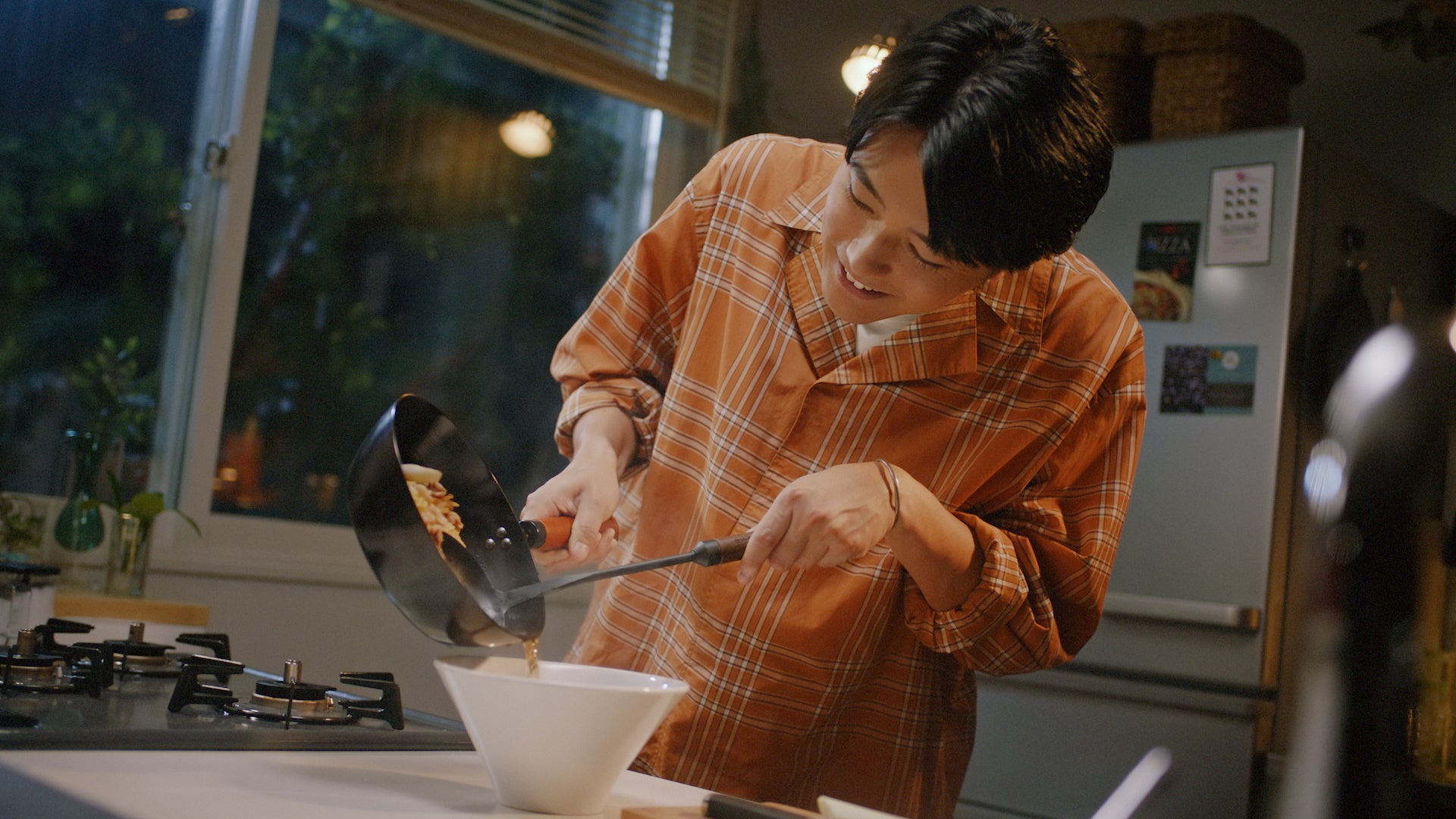
Few pantry staples command the cult following of Maruchan Seimen. Since its debut in November 2011, Toyo Suisan's flagship bagged ramen brand has surpassed 2.5 billion cumulative shipments, celebrating its 15th anniversary in 2026 with classic campaigns fronted by actor Koji Yakusho and digital promotions featuring Kaito Sakurai. According to corporate announcements detailed in a PR TIMES Report, the brand’s enduring appeal hinges on its patented "raw noodle stay-fresh method" (seimen umai-mama seihō), a specialized drying process that delivers the springy chew of hand-pulled noodles without deep-frying. Yet convenience-seeking home cooks routinely ask a hazardous question: can you bypass the stovetop pot entirely and cook bagged Maruchan Seimen in the microwave?
The short answer requires caution. While millions of viral kitchen hacks promote microwaving bagged noodles to eliminate dirty pots, doing so incorrectly creates scalding hazards, ruined textures, or melted dishware. Understanding Toyo Suisan official guidance, the physics of noodle gelatinization, and thermal limits of your cookware is essential before pressing start.
📌 Key Takeaways:
- Official Stance: Toyo Suisan packages state that bagged Maruchan Seimen is designed strictly for pot boiling; the manufacturer provides no printed microwave instructions for its foil-wrapped square bricks.
- Safety Bottleneck: Never microwave instant ramen inside its original packaging, metallic film bags, or standard polystyrene foam cups. A dedicated heat-resistant glass or certified microwave-safe ramen bowl rated for at least 120°C (248°F) is non-negotiable.
- Culinary Compromise: Microwaving non-fried noodles alters how exterior starches dissolve, yielding a slightly firmer core and cloudier broth compared to the rolling boil of a traditional three-minute stovetop simmer.
Toyo Suisan Official Guidance vs. Viral Kitchen Hacks
Check the back of any classic Maruchan Seimen package, whether Shoyu, Miso, Shio, or Tonkotsu. You will find clear instructions specifying 500 milliliters of water brought to a rolling boil in a pot, followed by three minutes of cooking while gently separating the noodles with chopsticks. You will not find microwave wattages or timings.
Toyo Suisan deliberately omits microwave directions from its standard bagged line. The company engineers its dough formulas, combining wheat flour, salt, and alkaline kansui water, to hydrate uniformly under convective heat. In a bubbling saucepan, water currents toss the noodles constantly. That movement prevents starch build-up on the noodle exterior while gelatinizing the core evenly.
Microwave radiation acts differently. Magnetrons excite water molecules inside and around the noodle block unevenly. Because Maruchan Seimen relies on hot-air drying rather than flash-frying in oil, it lacks the porous, sponge-like micro-channels found in conventional instant ramen. The dense noodle block resists water penetration if submerged in stagnant, standing liquid. While microwave hacks technically work, they represent an off-label home adaptation, not an official preparation method.
Container Warnings and Dangerous Spillover Risks
Before experimenting with bagged instant noodles microwave methods, your choice of vessel determines whether you get dinner or an emergency clean-up. Starchy water behaves unpredictably under electromagnetic heating.
As water boils around the noodle cake, released wheat starches create a viscous surface tension. Steam bubbles cannot pop easily at the surface. Instead, they form a rapidly expanding foam dome that climbs the walls of your container. In standard shallow cereal bowls, this boilover occurs roughly 90 to 120 seconds into the cycle, flooding the microwave turntable with scalding starch water.
To prevent burns and kitchen fires, observe these safety guardrails:
Never microwave the foil packaging. The sleek wrappers housing Maruchan Seimen contain vapor-deposited aluminum layers. Placing them in a microwave sparks electrical arcing within seconds, which can shatter turntable glass or ignite the wrapper.
Verify container thermal ratings. Standard thin plastic takeout tubs soften and warp at 80°C to 90°C (176°F to 194°F). Hot water with melted starch easily exceeds that threshold. Use heavy ceramic, borosilicate glass (such as Pyrex), or polypropylene cooking vessels explicitly marked microwave-safe and heat-resistant to 140°C (284°F).
Size matters more than shape. Your bowl should hold at least 1,000 to 1,200 milliliters of volume, even though you are only heating 500 milliliters of liquid. The empty vertical headspace captures rising starch foam before it breaches the rim.
Do not seal the lid. If using a specialized microwave ramen bowl with an airtight lid, leave the steam vent fully open or set the lid slightly askew. Trapping steam superheats the broth and accelerates severe boilover.
Water Ratios and Microwave Cooking Benchmarks
Adapting bagged Maruchan Seimen to the microwave requires matching water temperature to wattage. Starting with boiling kettle water produces a superior texture because it immediately triggers noodle softening, closely mimicking a stovetop pot. Cold tap water requires extended heating cycles that risk turning outer noodle layers mushy while the dense center remains undercooked.
The standard water ratio for instant ramen remains 500 milliliters (approx. 2 cups). When using cold water, increase the volume slightly to 520 milliliters to compensate for extended evaporation over longer cooking intervals.
| Starting Water State | Microwave Output (500W) | Microwave Output (600W) | Texture Result |
|---|---|---|---|
| Boiling Water (100°C / 212°F) | 3 minutes 30 seconds | 3 minutes 00 seconds | Springy, close to stovetop standard |
| Cold Tap Water (15°C, 20°C) | 7 minutes 00 seconds | 6 minutes 00 seconds | Softer exterior with firm, chewy core |
| Cold Water (Half-Power Method) | 8 minutes 30 seconds | 7 minutes 30 seconds | Even hydration; eliminates spillover risk |
For household appliances operating at 700W to 1000W (common across North American kitchens), drop boiling-water cook times to 2 minutes 15 seconds to 2 minutes 30 seconds. Never run a 1000W unit on cold water for six continuous minutes without pausing mid-cycle; the rapid heat spike will trigger an aggressive boilover.

Step-by-Step Technique: Protecting the Noodle Texture
Fresh noodle texture preservation requires disciplined execution. The biggest culinary mistake home cooks make is dumping the flavor packet into the water before heating. Liquid seasoning sachets contain concentrated salts, oils, and soy sauce solids that raise the boiling point and disrupt starch hydration.
Follow these operational steps to maximize noodle chew:
Place the dried noodle block flat in the bottom of your heat-resistant bowl. If the square brick does not fit entirely beneath the water line, break it gently in half once; do not crush it into fine fragments.
Pour 500 milliliters of boiling water directly over the noodle brick, ensuring full submersion. Do not add the soup base yet.
Microwave uncovered (or covered loosely with a vented splash lid) at 600W for 3 minutes. Watch the bowl through the door during the final 45 seconds. If foam reaches within two centimeters of the rim, tap cancel, let the foam settle for five seconds, and resume.
Carefully remove the bowl using silicone oven mitts. The ceramic or glass will be blisteringly hot.
Take chopsticks and vigorously agitate the noodles. They will release residual starch and instantly loosen into individual strands.
Tear open the liquid soup packet and pour it into the noodles. Stir thoroughly for 20 seconds. Emptying the seasoning into freshly agitated, hot broth ensures the aromatic fat droplets disperse evenly across the surface rather than scorching against the bowl's walls during microwaving.
When to Microwave and When to Stick to the Stove
Microwave preparation suits dorm life, workplace breakrooms without open flames, or late-night dinners where scrubbing a saucepan feels like an insurmountable chore. It gets a steaming bowl of Maruchan Seimen onto the table in five minutes with a single dirty dish.
Stovetop boiling remains superior for culinary purists. Toyo Suisan's specialized dough structure expands best when rolling bubbles tumble the noodles continuously. Stovetop cooking also allows you to flash-blanch bean sprouts, crack an egg directly into simmering broth, or fold in thinly sliced pork belly, additions that do not cook reliably in microwave-heated broth.
For those who crave premium non-fried chew with genuine one-step convenience, Toyo Suisan already manufactures an engineered alternative: their cup-noodle line. Releases like the Garlic Salt Tantanmen (priced at ¥300 for 113g) and the popular Moyashi Spicy Miso incorporate custom-calibrated noodles tailored specifically for pour-and-wait hot water rehydration, completely bypassing the risks of home microwave experimentation.
Frequently Asked Questions (FAQ)
Q1: Can I put the Maruchan Seimen soup packet in the bowl before microwaving?
A1: No. Adding the liquid or powder soup base prior to heating alters water density and can scorch seasonings against the container floor. Always microwave noodles in plain water first, then stir in the soup packet immediately after removing the bowl.
Q2: Why did my microwave turn into a foamy mess when I tried this?
A2: Bagged instant ramen sheds surface starch rapidly as water boils. This starch stabilizes steam bubbles, producing a rising foam head. Using a bowl smaller than 1,000 milliliters or running high wattages (above 600W) without monitoring causes this foam to overflow the rim.
Q3: Does microwaving change the nutritional content of the noodles?
A3: No. Microwaving hydrates wheat starches through the same thermodynamic process as boiling water on a stove. Caloric intake, sodium concentration, and macronutrient profiles remain identical whether cooked on a range or in a microwave.
Mastering the Microwave Compromise
Microwaving bagged Maruchan Seimen delivers functional convenience when kitchen setups are limited. Toyo Suisan designs these premium noodles for bubbling saucepans, but careful cooks can preserve their signature toothsome bite in a microwave by following strict thermal rules.
Keep water ratios pinned at 500 milliliters, insist on boiling kettle water to initiate cooking, and choose an oversized vessel rated for high heat. Keep the seasoning pouch in your pocket until the microwave timer rings. These small adjustments bridge the gap between rapid convenience and the culinary standard Toyo Suisan spent 15 years perfecting.
