Is Osaka's Most Viral Horumon Joint Worth the Wait? Inside Yakiniku Sakagami Umeda
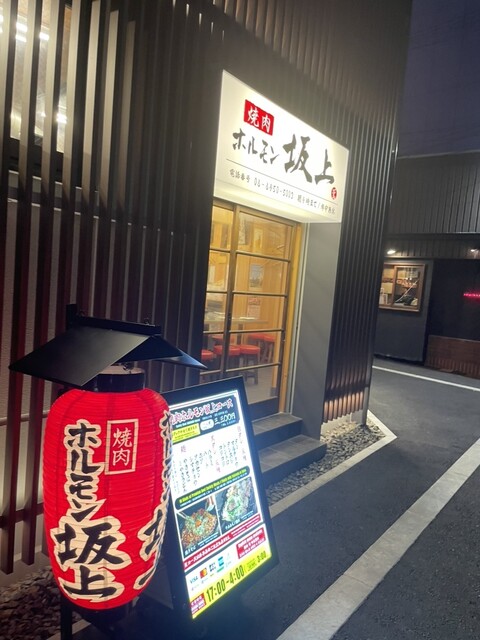
Past midnight in Osaka's labyrinthine Doyamacho district, the glow of neon signs filters through thick plumes of rendered beef fat. Among the maze of karaoke bars and izakayas, a narrow queue persistently snakes down the pavement outside Yakiniku Horumon Sakagami Umeda Honten. For international food travelers and local night owls alike, this compact counter restaurant has become the ultimate test of patience for offal barbecue.
Offal dining carries a polarizing reputation, often dividing eaters between devoted carnivores and the squeamish. Yet Sakagami has engineered a dining sequence so theatrically calculated that it regularly commands 60 to 90-minute waits well past 2:00 AM. Between the proprietary downward-angled griddles and a strict staff-grilled protocol, the kitchen turns neglected cuts of beef into a choreographed multi-course performance.
📌 Key Takeaways:
- The Core Draw: Sakagami runs a signature two-phase course featuring five cuts in garlic-heavy white sauce followed by five cuts in rich miso black sauce.
- The Mechanics: A custom sloped teppan channels rendered fat directly into a collection bowl, which later forms the sauce base for the finishing noodles.
- The Reality Check: Diners cannot reserve peak weekend evening slots, and the staff-cooked policy means you surrender all control over pacing and cooking temperature.
Neon, Smoke, and Offal: The Rise of Doyamacho's Midnight Cult
Osaka built its culinary identity on casual irreverence and culinary thrift, immortalized in the local philosophy of kuidaore, eating oneself into financial ruin. Horumon, derived from the Kansai dialect phrase horumon (meaning "things thrown away"), transformed discarded beef entrails into working-class fuel during the mid-20th century. While traditional yakiniku focuses on prime ribs and marbled loins, specialized horumon joints lean hard into textures: crunchy cartilage, gelatinous intestines, and rich organ meats.
Yakiniku Horumon Sakagami's flagship branch sits right in the beating heart of Doyamacho, Osaka's premier LGBTQ+ and late-night nightlife hub. The restaurant opens its doors in the evening and fires up the burners until 5:00 AM. That schedule makes it ground zero for off-duty hospitality workers, late-night clubbers, and culinary tourists chasing viral food clips. Inside, the space holds barely a dozen counter seats along a narrow stainless-steel bar. The air is warm, loud, and heavily scented with char and caramelized garlic.
The Physics of the Sloped Teppan Grill and the Two-Sauce System
Sakagami separates itself from standard tabletop barbecue through mechanical engineering. Traditional yakiniku utilizes a flat wire mesh over charcoal or gas, where drippings vanish into an exhaust trough or trigger flare-ups. Sakagami places a custom-forged, thick rectangular iron griddle in front of each seating pair. Crucially, the plate rests on an aggressive downward tilt.
At the bottom corner of the griddle, a precision spout hangs over a metal collection bowl. As each piece of offal hits the iron, melting lipids and rendered juices run down the slope into the bowl. This runoff does not go to waste. Instead, it continuously enriches the dipping sauce sitting directly beneath the spout, collecting layers of rendered beef fat throughout the meal.
The progression unfolds across two distinct acts:
- Phase One: The White Sauce (Shiro Tare). The first flight arrives coated in an emulsion of grated garlic, fruit juices, sake, and sea salt. It highlights cleaner, firmer cuts such as beef heart (hatsu) and first stomach (mino). The bright salinity cuts through the initial wave of animal fat.
- Phase Two: The Black Sauce (Kuro Tare). The second flight shifts to a dark, caramelized paste built from fermented red miso, dark soy, and brown sugar. Richer, heavily marbled intestines like large intestine (shimacho) and small intestine (marucho) blister in this sweet-savory glaze under blistering teppan heat.
Course Structure, Cuts, and Dining Costs
While Sakagami offers an à la carte menu, roughly 90% of first-time visitors order the set course. It provides a curated cross-section of textures without requiring deep technical knowledge of Japanese offal nomenclature. The standard course delivers 10 separate protein cuts followed by carbs.
| Course Phase | Featured Cuts | Flavor Profile & Texture | Price Range (Per Person) |
|---|---|---|---|
| Phase 1: White Sauce | Hatsu (Heart), Mino (Rumen), Pork Jowl, seasonal offal | Garlic-forward, sharp salt, snappy and crisp textures | Included in Base Set |
| Phase 2: Black Sauce | Shimacho (Large Intestine), Marucho (Small Intestine), Liver | Fermented red miso, sticky caramelization, melting fat pockets | Included in Base Set |
| The Finale (Shime) | Thick-cut Yakisoba or Sanuki Udon with egg | Heavy umami glaze utilizing collected iron drippings | Included in Base Set |
| Full Set Total | Complete 10-piece sequence + side salad + finishing noodles | Comprehensive progression from lean crunch to decadent gloss | ¥3,500, ¥4,200 ($23, $28 USD) |
Compared to upscale Ginza yakiniku counters charging upwards of ¥20,000 for domestic beef, Sakagami sits firmly in the accessible sweet spot. Drinks run roughly ¥500, ¥700 for draft highballs and dry beers, keeping the average per-person bill under ¥5,500 even with multiple rounds.

Hands-Off Cooking: Why Diners Surrender Their Tongs
Offal is notoriously unforgiving on an open flame. Under cook a piece of small intestine, and it turns into rubbery, unchewable gristle. Overcook it by thirty seconds, and the interior fat melts completely into the coals, leaving behind a bitter carbon husk. Sakagami eliminates user error through an absolute house rule: customers do not cook.
The service staff stands inside the counter ring, juggling three to four grills simultaneously. Tongs flash constantly across the tilted plates. They flip slices of beef heart the second the edges curl, then pin down sections of curled intestine against the hot iron to render out excess oil while crisping the outer membrane.
This hands-off approach changes the social dynamic of the meal. Diners do not need to split their attention between conversation and flame maintenance. However, it also means the staff sets the dining pace. Plates hit your bowl at rapid-fire intervals, encouraging fast consumption rather than leisurely grazing.
The Yakisoba Finale: Converting Rendered Fat into Umami
The closing act reveals why the sloped grill was angled all along. By the end of the second course, the small metal bowl beneath the drain spout has captured hours of liquefied marrow, caramelized miso, burnt garlic flakes, and animal collagen.
The server clears the iron plate with a scraping spatula, sets down a mound of pre-boiled, thick-cut wheat noodles, and dumps the entire contents of the fat-collection bowl directly onto the center of the griddle. A massive plume of steam erupts instantly.
Using dual scrapers, the staff tosses the noodles through the boiling, reduced tare until every strand is coated in a dark, lustrous sheen. An egg is cracked directly onto the center or scrambled into the mix to temper the sheer intensity of the salt and fat. The resulting yakisoba delivers an undeniable, heavy-handed punch. It is salty, sweet, intensely savory, and unapologetically rich.
Navigating the Doyamacho Queue: Timing and Etiquette
Visiting Sakagami requires tactical planning. The main branch runs on limited physical capacity, and high foot traffic in Doyamacho means lines form early and persist late.
During the primary dinner window between 6:30 PM and 9:30 PM, wait times consistently hit 45 to 80 minutes. Because parties consume courses at the staff's brisk pace, turnover hovers around 50 minutes per group, but the tiny seat count keeps lines moving slowly. The most viable window for minimal waits falls between 1:30 AM and 4:00 AM on weekdays, when neighborhood foot traffic thins out.
Sakagami operates a strict walk-in policy for peak evening slots, though limited reservations are occasionally accepted via telephone for the earliest opening slots (around 5:00 PM). Diners must show up with their entire party present; saving spots in line is strictly prohibited by staff monitoring the entrance.
Frequently Asked Questions (FAQ)
Q1: Can diners choose regular beef cuts like sirloin or ribeye instead of offal?
A1: Sakagami is an offal-dedicated specialist. While a few basic cuts like skirt steak (harami) or pork jowl appear on the menu, the restaurant does not serve standard cuts like A5 wagyu tenderloin or ribeye. The entire kitchen setup is tailored exclusively for entrails and organ meat.
Q2: How bad does the smoke get inside the restaurant?
A2: Smoke levels are exceptionally high. While overhead exhaust hoods operate continuously, the volume of sizzling animal fat creates a lingering haze throughout the room. Plastic bags are provided to seal jackets and bags, but plan on washing your clothes immediately after dining.
Q3: Is the food accessible for travelers who have never eaten offal before?
A3: Yes, provided you enjoy bold, punchy seasonings. The potent combination of garlic white sauce and rich miso glaze masks the gamey notes that scare newcomers away from organ meats. However, diners who cannot tolerate chewy or gelatinous textures should exercise caution.
What Sakagami Represents in the Osaka Food Landscape
Yakiniku Horumon Sakagami Umeda Honten does not offer quiet, contemplative dining. It is noisy, smoke-heavy, intense, and heavily reliant on bold seasoning. Critics can argue that the aggressive layers of garlic, fermented miso, and beef tallow mask the subtle nuances of individual offal cuts. They would not be entirely wrong.
Yet subtle nuance is not what brings lines of diners to Doyamacho at three in the morning. Sakagami succeeds because it treats offal barbecue as an engineered, sensory event. The downward-draining grill, the rigid staff supervision, and the fat-glazed noodle finale come together into an experience deeply tied to Osaka's midnight soul. For travelers looking to step outside sanitized culinary comfort zones, the queue outside this neon-soaked doorway remains well worth the time.
