Kansai Airport Rapid Transit Guide: Live Status, Alternatives, and Ticket Hacks
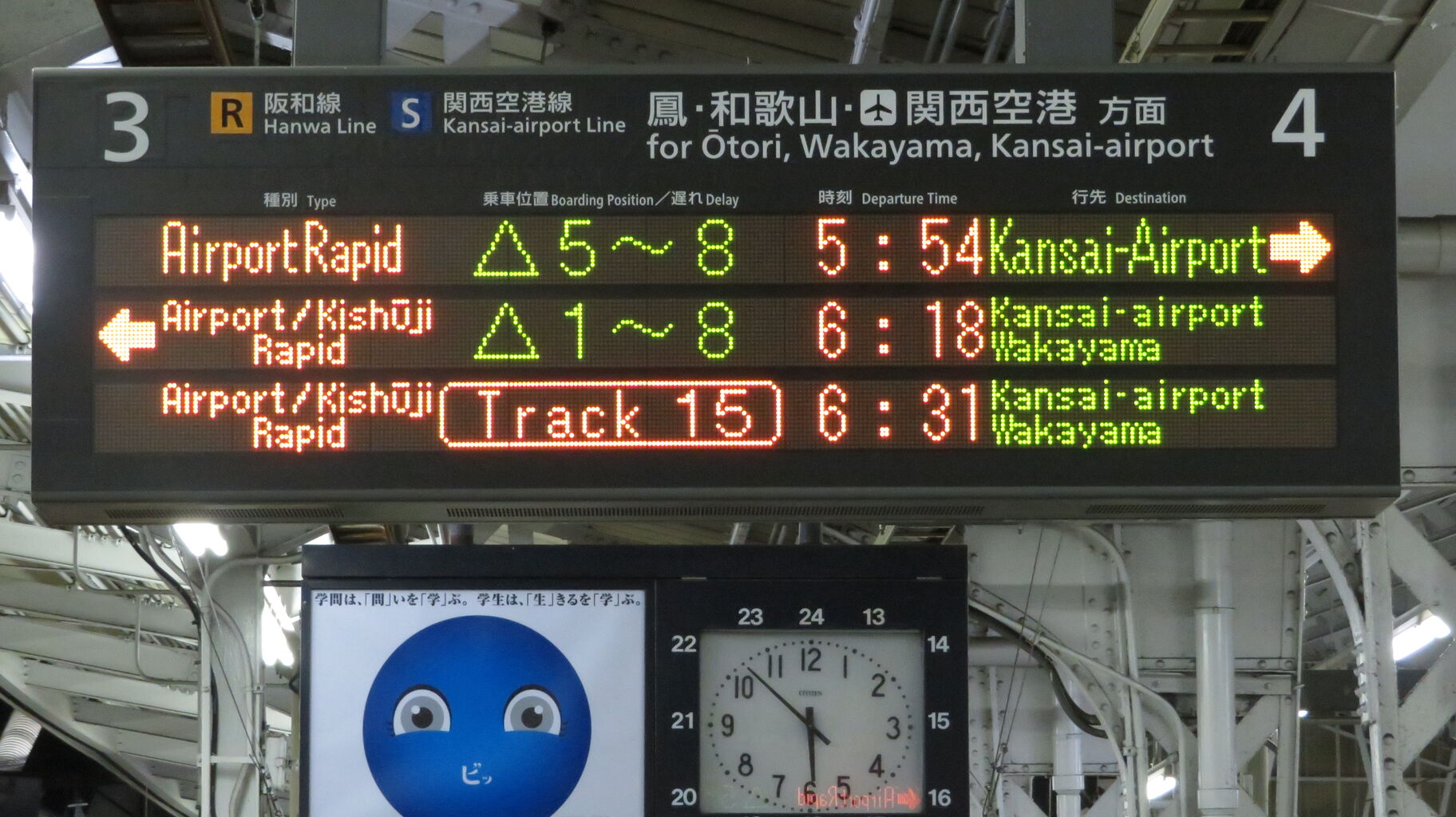
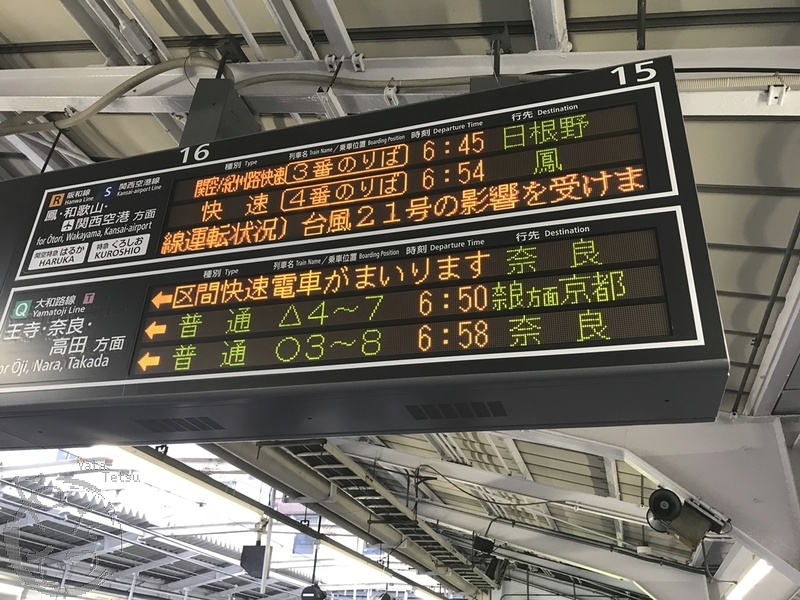
A single signal failure in northern Kyoto can paralyze transport across Osaka Bay in minutes. Travelers bound for Kansai International Airport (KIX) discovered this vulnerability firsthand when a major JR Kyoto Line service interruption cascaded down the network, forcing JR West to cancel services across the corridor. As documented by the Rus Tourism News Report, the resulting Haruka Express suspension updates sent waves of stranded international passengers flooding toward the standard commuter platforms, overwhelming the Kansai Airport Rapid Service during peak departure hours.
Getting to an international flight on time requires looking beyond official marketing schedules. JR West runs an integrated, high-frequency web of tracks, but shared rail infrastructure means urban transit snarls instantly become airport bottlenecks. Navigating the transit network demands a working knowledge of live dispatch systems, train decoupling maneuvers, and alternative private rail operators.
📌 Key Takeaways:
- System Fragility: Upstream problems on the JR Kyoto Line or Osaka Loop Line delay alerts trigger automatic cancellations of direct airport services like the Haruka Express.
- The Platform Trap: Outbound Kansai Airport Rapid trains split at Hineno Station; boarding cars 5 through 8 diverts travelers toward Wakayama instead of the airport terminal.
- Pivot Protocols: Switching immediately to Nankai Rapi:t alternative routes at Shin-Imamiya or Namba provides the fastest bypass during JR rail suspensions.
How Inland Commuter Bottlenecks Shut Down Airport Tracks
Kansai International Airport sits on an artificial island connected to the mainland solely by the 3.7-kilometer Sky Gate Bridge R. Rail operations across this vital link share trackage between JR West and the private Nankai Electric Railway. While the physical bridge is vulnerable to coastal weather, most catastrophic delays originate deep within the mainland commuter corridors.
The flagship JR Haruka Express routes through the busiest arteries in Kansai, traversing the Tokaido Main Line from Kyoto, threading the underground tracks at Osaka Station, and looping around the city center. When a track inspection, power outage, or trespasser halts trains hundreds of kilometers north on the JR Kyoto Line, train dispatchers pull the plug on through-running airport services to prevent metropolitan gridlock. The Kansai Airport Rapid Service absorbs the displaced crowd.
Unlike dedicated airport trains in other global capitals, the Kansai Airport Rapid functions simultaneously as an ordinary Osaka commuter line. Passengers dragging heavy overseas luggage share narrow vestibules with daily office workers across Tennoji, Kyobashi, and Umeda. If you rely on this service during a standard weekday evening peak, boarding delays at local stations compound rapidly, turning a routine 65-minute run into a grueling two-hour slog.
Real-Time Tracking: JR West Live Train Status and Delay Certificates
Static timetable displays at station ticket gates rarely paint the full picture during an escalating disruption. JR West updates its digital train operation boards every few minutes, but English automated announcements inside passenger cars often lag behind real-time decisions made by dispatch operations.
Savvy commuters track the dedicated JR West live train status dashboard on their mobile devices. The visual train tracker displays individual train numbers moving along line diagrams, marking which trains have cleared the underground tunnels at Osaka Station and which are stalled outside Tennoji. If the status turns yellow or red with a warning icon, JR West issues a digital train delay certificate JR West travelers can present to airline counters as proof of transit failure.
A delay certificate does not guarantee an airline will hold a flight departure. Major carriers operating out of Kansai Airport Terminal 1 access points require physical passenger check-in strictly 60 minutes before departure, regardless of railway operational excuses. Catching delays on the digital tracker early grants you the window needed to abandon JR tracks entirely and divert to Nankai lines before platform crowds swell.
The Hineno Station Decoupling Trap
The most notorious operational pitfall on the JR airport network happens at Hineno Station in southern Osaka. Outbound Kansai Airport Rapid Service trains departing from Tennoji or the Osaka Loop Line almost always operate as an eight-car coupled train. However, only half the train goes to the airport.
At Hineno, ground crews uncouple the train. Cars 1 through 4 break off toward Kansai Airport. Cars 5 through 8 switch tracks to continue south down the Hanwa Line as the Kishuji Rapid, bound for Wakayama. The splitting procedure takes just two minutes. If you are sitting in the wrong carriage, engrossed in your phone or trapped behind stacks of luggage, you will watch the airport branch line curve away into the distance while your train heads toward the Kii Peninsula.
To protect your itinerary, remember these physical layout rules:
- Car numbering runs from 1 to 4 at the front of the train (airport-bound).
- Always check the exterior LED rollsigns, which explicitly show "Kansai Airport" on cars 1, 4 and "Wakayama" on cars 5, 8.
- Overhead audio chimes ring distinctively inside Hineno Station before decoupling; if you hear Japanese announcements mentioning "Kirihanashi" (切り離し), verify your carriage immediately.
For passengers using a Japan Rail Pass airport transfer, this dual-destination train offers free transit without seat reservations, making it popular for budget travelers. It requires active vigilance right up to the Hineno platform stop.
Kansai Airport Transit Options Compared: Speed, Cost, and Failure Points
Choosing the correct line depends on whether you hold an active rail pass, where your departure station sits, and current weather alerts across Osaka Bay.
| Transit Service | Typical Travel Time | Total One-Way Fare | Primary Operational Vulnerability |
|---|---|---|---|
| JR Kansai Airport Rapid | 65, 75 mins (from Osaka/Umeda) | ¥1,210 (Free with JR Pass) | Commuter congestion; Hineno decoupling; Loop Line cascade delays. |
| JR Haruka Express | 45 mins (Shin-Osaka), 80 mins (Kyoto) | ¥2,410, ¥3,490 (Free with JR Pass) | Suspended first during JR Kyoto Line service interruption events. |
| Nankai Rapi:t Express | 34, 39 mins (from Namba) | ¥1,490 (Not valid with JR Pass) | Limited capacity; reserved seats sell out fast during JR meltdowns. |
| Airport Limousine Bus | 50, 70 mins (from Herbis Osaka/UMEDA) | ¥1,800 | Hansson Expressway traffic jams; bridge closures during high winds. |
Bypassing JR System Failures: The Nankai Route Pivot
When JR West services fail, staying on the platform hoping for a recovery estimate is a costly mistake. Railway operators in Japan handle major incidents meticulously, but restoration protocols take time. The standard move for experienced travelers is an immediate cross-town transfer to the Nankai Electric Railway network.
Nankai operates out of Namba Station, running directly down the coastal plain straight into KIX. Its express network operates on isolated rails unaffected by north Osaka commuter problems. Two train categories service the route:
- The Nankai Rapi:t: Distinctive retro-futuristic blue trains with all-reserved seating. The Rapi:t α reaches the airport in 34 minutes, while the Rapi:t β takes 39 minutes.
- The Nankai Airport Express: Standard commuter trains that require no seat reservation or express surcharge. Running the same line, these take roughly 44 minutes from Namba.
If you find yourself stuck on a paralyzed JR train near downtown Osaka, exit immediately at Shin-Imamiya Station. Shin-Imamiya serves as an interchange point where JR West and Nankai platforms sit within a two-minute walking transfer. Instead of waiting out a line inspection, swipe through the Nankai ticket gates with an IC card (ICOCA, Suica, or Pasmo) and board the next outbound Nankai Airport Express. You bypass the entire JR bottleneck for less than ¥1,000 out of pocket.
Weather Vulnerabilities: Coastal Wind Restrictions and Road Backups
Severe weather introduces a distinct operational bottleneck that stops both rail operators simultaneously: the KIX bridge wind restrictions. The Sky Gate Bridge spans open, shallow water exposed to fierce southwesterly sea gusts. When marine winds hit sustained speeds of 25 meters per second (approx. 56 mph), safety interlocks halt all rail movement across the bridge.
Tropical systems bring these limits into sharp focus. Extreme seasonal fronts, such as Typhoon Jangmi, demonstrated how high winds force regional dispatchers to halt trains at Rinku Town on the mainland shore, severing rail access to the airport terminals for hours.
During wind events that suspend rail operations while highway spans remain open at reduced speeds, travelers must switch immediately to the Airport Limousine Bus Kansai operations. Buses depart from major transit hubs across the region, including Osaka Station (Herbis Osaka and Hotel New Hankyu), Kintetsu Uehommachi, and OCAT (Namba).
The risk profile flips during windstorms:
- Wind speeds reach 20, 24 m/s: Trains reduce speeds significantly, causing rolling 30-minute delays across the bridge. Limousine buses remain operational.
- Wind speeds cross 25 m/s: Train operations cease completely across the bridge. Highway lanes often remain open under 50 km/h limits, leaving buses as the sole land link to Kansai Airport Terminal 1 access points.
- Wind speeds cross 30 m/s: The entire bridge shuts down to all road and rail vehicular traffic, isolating the airport island.
When both rail and road bridges shut down, the only alternative route is the Kansai Airport Bay Shuttle high-speed ferry, which links Kobe Airport to KIX in 30 minutes across open water, docking at the island's domestic maritime pier with dedicated terminal shuttle buses.
Frequently Asked Questions (FAQ)
Q1: What should I do if the JR Haruka Express is cancelled while I have an active Japan Rail Pass?
A1: Walk immediately to the regular JR platforms and board the Kansai Airport Rapid Service (cars 1 to 4). If all JR services are halted, proceed to the nearest Nankai line connection (such as Shin-Imamiya or Namba) and pay the standard Nankai fare out of pocket. Your JR Pass does not cover private rail lines, but waiting for JR line clearance during critical flight check-in windows is high-risk.
Q2: How do I know if my Kansai Airport Rapid train splits at Hineno?
A2: Look at the visual destination board on the outside of your train carriage before boarding. If the digital display says "Kishuji Rapid" or lists "Wakayama," you are in cars 5 through 8. Board cars 1 through 4, which display "Kansai Airport" on their exterior LED signs.
Q3: How early should I leave Osaka for Kansai Airport during bad weather?
A3: Build in a minimum buffer of 3.5 to 4 hours before your flight departure whenever typhoon warnings or high-wind advisories are active. Bridge access restrictions can add an hour to road journeys and stop trains without advance warning.
Navigating KIX Transit with Operational Redundancy
Relying on a single rail link to catch an international flight out of Osaka exposes travelers to avoidable risks. The regional transit network is exceptionally fast and punctual under normal parameters, but its integrated track design means mechanical or passenger incidents far up the line in Kyoto ripple through to the airport approaches.
Carrying a contactless IC card loaded with at least ¥2,000 provides instant mobility. When JR West live status monitors show delays exceeding twenty minutes, abandon the platform, divert to the Nankai network at Shin-Imamiya, or secure a seat on the Airport Limousine Bus. Knowing the failure points before you leave the hotel turns potential transit panic into a routine track transfer.
