Knives Out Rename System Fact-Check: How Name Cards, Costs, and Rules Really Work
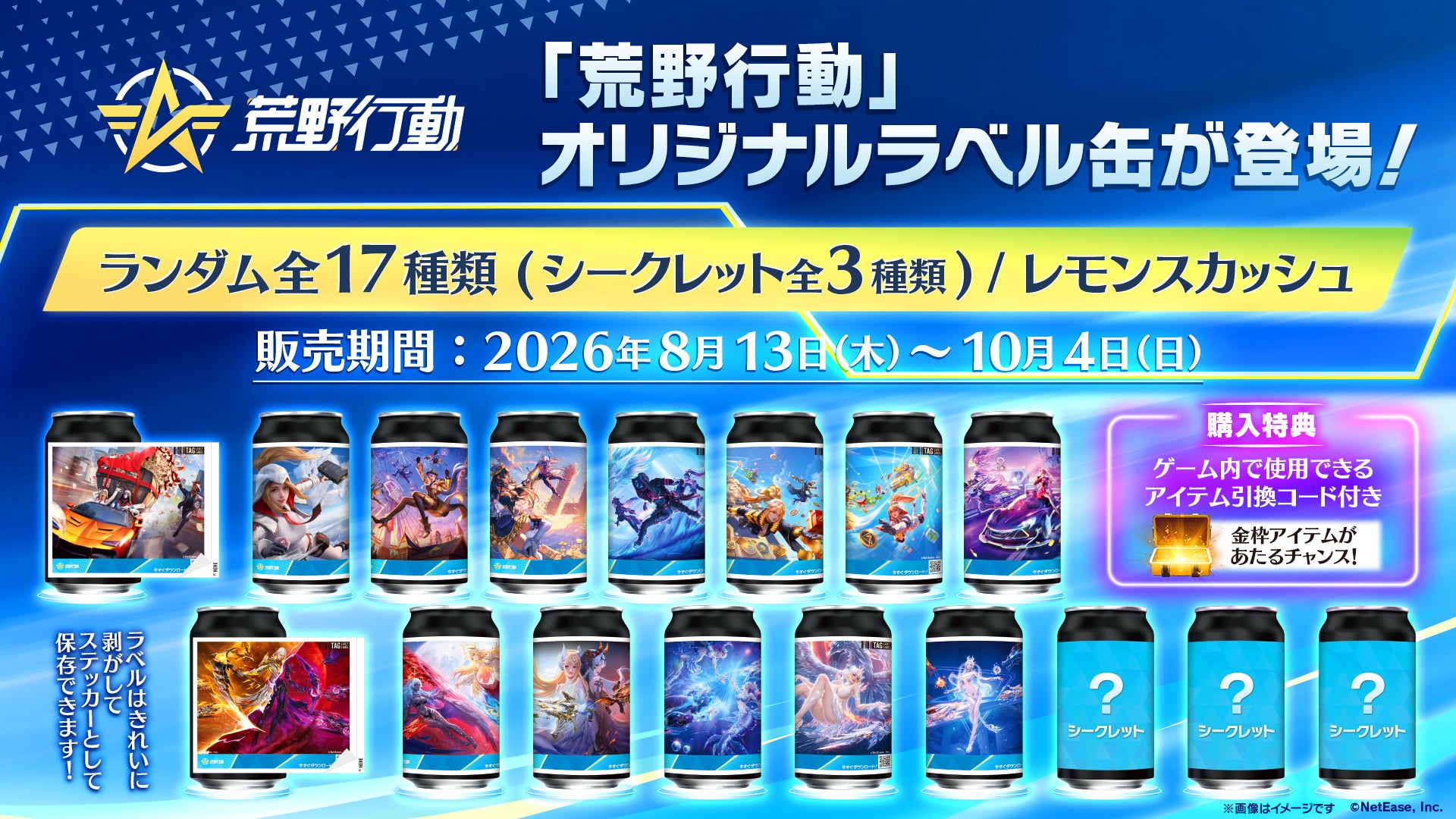
Personal branding inside NetEase Games' flagship battle royale has evolved from an afterthought into a distinct subculture. Across both Japanese and international servers, an in-game name (IGN) functions as a social badge, signaling competitive rank, clan affiliation, or aesthetic taste. NetEase continues to weave the title into everyday lifestyle marketing, recently expanding its reach via a nationwide partnership with Suntory's TAG LIVE LABEL beverage machines across roughly 200 locations, as detailed in an official PR TIMES Report. Yet while the game's cultural footprint expands, players attempting to rebrand their profiles routinely run into rigid backend restrictions that burn valuable currencies.
Crafting cute female gamer tags, minimal Japanese aesthetic usernames, or coordinated matching duo names sounds simple on paper. In practice, NetEase Games enforces strict byte-allocation limits, unwritten symbol blacklists, and rigid cooldown periods. Misunderstanding how the client processes UTF-8 characters can easily waste an expensive rename card on a broken, question-mark-riddled moniker.
📌 Quick Summary:
- The Direct Cost: Renaming an account requires a Name Change Card, which costs 90 vouchers (approximately $1.50 to $2.00 depending on purchase bundles), though select seasonal events grant free vouchers or discount passes.
- The Technical Catch: The game enforces a strict character boundary based on byte weight rather than visible text length; alphanumeric letters consume 1 byte, while Japanese kanji, hiragana, and special symbols consume up to 3 bytes.
- The Penalty Rule: Once applied, your account triggers a hard 48-hour to 7-day cooldown depending on the current season patch, barring you from correcting typos or rejected symbol fallbacks immediately.
The Cultural Phenomenon Behind Japanese Aesthetic Usernames
Identity inside tactical shooters has shifted dramatically over the past two years. Aggressive, all-caps handles laden with "Sniper" or "Slayer" prefixes have largely given way to minimalist, understated handles. The community trend known across Asian servers as "荒野女子" (Knives Out girls) popularizes soft-toned, conversational, or deliberately ironic tags.
Content creators have spotlighted this tonal disconnect for millions of viewers. Streamers frequently highlight matches where players sporting ultra-delicate, pastel-styled hiragana monikers wipe entire lobbies with ruthless mechanical skill. Others explore the visual mimicry in the lobby ecosystem, where players match identical aesthetic outfits and twin names to disorient enemies during squad rushes. A handle in Knives Out is not just an identifier; it is a psychological tool and an aesthetic statement.
The True Cost of a NetEase Games Account Rename
Changing your handle is rarely free after the initial account setup. NetEase routes all identity modifications through the in-game Mall via the Name Change Card (改名カード). Players must budget their account vouchers carefully before heading to the checkout screen.
A standard rename card lists at 90 vouchers in the standard item shop. When purchasing voucher packs through iOS App Store or Google Play billing, this translates to roughly $1.50 to $2.00. Third-party top-up channels authorized by NetEase occasionally shave pennies off the total, but the base voucher requirement remains static.
Free rename cards do exist, though they require patience. New accounts receive a single introductory card upon completing beginner training objectives. Returning players who stay inactive for more than 30 consecutive days often receive a complimentary rename token inside their welcome-back mail package. Beyond these conditions, altering your handle requires direct spending.
Character Limits, Byte Weight, and Font Glitches
The primary trap for players using an aesthetic IGN generator or third-party font changer is byte architecture. The Knives Out client does not calculate length by simple visual character count. Instead, it reads database byte allocations.
Standard alphanumeric text uses standard single-byte ASCII formatting. Standard Latin names allow up to 14 characters. However, entering full-width katakana, kanji, or decorative Unicode symbols triggers 2-byte or 3-byte consumption. A name constructed entirely of Japanese characters caps at 7 characters.
Special characters present an even larger headache. While symbols like heart variations, stars, and wing brackets look pristine inside web-based font tools, the Knives Out in-engine font pack frequently fails to map non-standard Unicode glyphs. When the database encounters an unsupported character, it converts the glyph into an empty square (tofu block) or a literal question mark ("?"). Because NetEase treats the submission as successful, the game consumes the card anyway, leaving the player stuck with a broken display name.
| Name Style / Component | Character & Byte Limit | Common Pitfalls & Risks |
|---|---|---|
| Standard Latin Alphanumeric | Up to 14 characters (1 byte each) | Zero formatting risks; high likelihood of target name being taken. |
| Japanese Aesthetic (Kanji/Kana) | Up to 7 characters (2, 3 bytes each) | Space truncation; mixing English letters cuts Japanese character capacity. |
| Fancy Fonts / Mathematical Glyphs | Varies (often 3, 4 bytes per character) | Client font engine replaces unsupported glyphs with "?" or boxes. |
| Invisible Space Identifiers | Consumes 3 bytes per space entity | System patches periodically scrub non-breaking spaces or flag accounts. |
| Clan Tag Styling Brackets | Reduces base name by 3, 5 characters | Leaves almost zero room for Japanese kanji once brackets are inserted. |

Clan Tag Styling and Invisible Space Formatting
Competitive rosters and casual social circles both rely heavily on clan prefixes. The standard convention uses framing brackets such as 「...」 or 『...』. Adding these decorative markers consumes four to six bytes immediately. If your clan tag is three letters long and wrapped in full-width Japanese quotation marks, you have already used more than half of your total database allowance.
Another persistent technique is the invisible space name in Knives Out. Players copy specific Unicode blank characters, such as the Hangul Filler (U+3164) or Braille Blank (U+2800), into the rename input box. When executed correctly, the client reads the character as valid input while rendering nothing visually on player boards or kill feeds.
Relying on invisible spaces carries legitimate risks. NetEase's moderation algorithms periodically purge accounts using unmapped characters to prevent impersonation and leader-board obfuscation. When an update alters the game's text rendering engine, unsupported blank symbols can default back to visible, unsightly syntax strings.
Renaming Blunders That Waste Your Game Vouchers
The rename screen features zero confirmation safety nets. Once you confirm your new handle, the card is consumed instantly. If you realize your clan tag is off-center or an accent mark rendered incorrectly, you cannot revert the action without buying another card.
Compounding the financial cost is the cooldown lock. Knives Out blocks rapid back-to-back renames. Players must wait out a mandatory cooldown period, typically 48 hours to 7 days depending on regional server parameters, before they can apply another rename token. A typo or corrupted character turns your profile into an embarrassing eyesore for an entire week.
Finally, keep automated filter lists in mind. Words that seem completely benign in English can trigger Japanese or Chinese profanity filters embedded in the global client. If a portion of your handle flags an internal blacklist, the client outright rejects the submission, occasionally soft-locking the text box until you completely restart the mobile application.
Frequently Asked Questions (FAQ)
Q1: Can I recover my old username if someone else claims it after I switch?
A1: No. The moment your rename card is processed, your previous handle returns to the global public database. Anyone can claim it immediately, and NetEase customer support will not intervene to restore previously held names.
Q2: Why did my fancy font turn into question marks after I saved it?
A2: Knives Out uses a proprietary in-game font bundle that only supports standard Unicode libraries alongside Japanese, Chinese, and Latin character maps. Pseudo-alphabets generated by mobile font apps often use mathematical symbols that the engine cannot draw, converting them to "?" or empty boxes.
Q3: How do players get matching duo names with identical lengths?
A3: Successful pairs align their byte counts beforehand. If one partner uses two kanji characters (6 bytes total), the other should use either two kanji characters or six standard alphanumeric letters to ensure both names take up identical physical space on squad screens.
Planning Your Knives Out Identity
Securing a distinctive look in Knives Out requires balancing visual creativity against the game's engine limits. Instead of relying on volatile copy-paste generator tools, stick to clean typography that maps cleanly across standard UTF-8 tables. Test candidate symbols in the global chat or team lobby first; if an icon fails to appear cleanly in chat, it will inevitably break when applied to your identity card. Checking these technical constraints beforehand saves your vouchers and protects your public handle from unwanted formatting errors.
