Kumamoto's Real Estate Transformation: The Rapid Rise of High-End Suburban Living
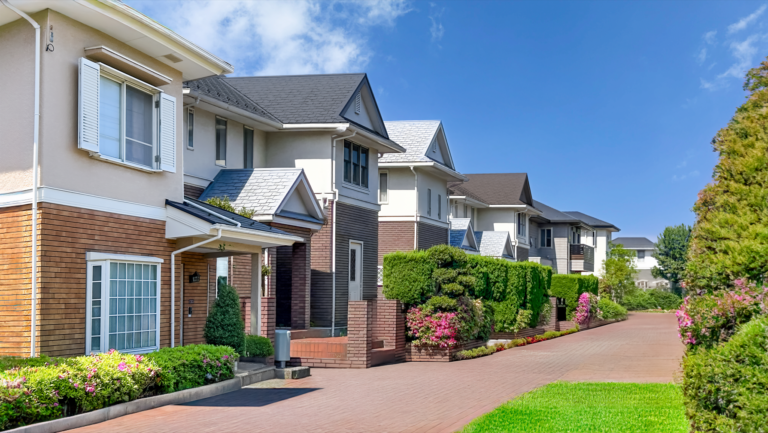
A quiet agricultural basin framed by Mount Aso has become one of East Asia’s most scrutinized real estate frontiers. The arrival and operational expansion of Taiwan Semiconductor Manufacturing Company (TSMC) via its subsidiary Japan Advanced Semiconductor Manufacturing (JASM) in Kikuyo has triggered an unprecedented capital wave across Kumamoto Prefecture. By early 2026, this industrial presence has reshaped the local economy and fundamentally altered the geography of wealth across central Kyushu.
Traditional high-net-worth enclaves in Kumamoto City once moved at a generational, predictable pace. Wealthy medical dynasties, retired executives, and regional landowners clustered quietly in central districts like Suizenji and the leafy perimeters of Kumamoto Castle. Today, incoming semiconductor executives, cross-border corporate directors, and institutional property syndicates are bidding up prime suburban acreage and downtown penthouses, sparking double-digit land valuation jumps that outpace almost every metropolitan region in Japan.
📌 Key Takeaways:
- The Semiconductor Shift: Industrial investment from TSMC’s Fab 1 and Fab 2 has expanded beyond factory floors into an aggressive hunt for executive custom homes and prime suburban acreage.
- The Dual-Zone Market: Demand is bifurcated between newly minted executive corridors in Kikuyo and Koshi and heritage residential addresses across Kumamoto’s Chuo Ward.
- Institutional Pressures: Official land appraisal records show commercial and residential parcel values around the fab zone surging over 30% annually, spilling capital directly into luxury condominium towers downtown.
How Industrial Billions Shattered Kumamoto’s Traditional Property Map
For decades, Kumamoto’s real estate hierarchy was stable and insular. Old wealth stayed planted in Kumamoto City’s Chuo Ward, valuing privacy, heritage gardens, and proximity to prefectural administrative offices. The surrounding agricultural towns, Kikuyo, Koshi, and Ozu, were dominated by cabbage fields, carrot farms, and single-family dwellings built by local contractors for middle-income commuters.
That predictability evaporated when TSMC broke ground on its first multi-billion-dollar semiconductor facility. Thousands of Taiwanese engineers, high-level corporate directors, and service contractors arrived alongside domestic executives from Sony and Tokyo Electron. The demand for housing hit a localized ceiling immediately. Standard rental inventory across eastern Kumamoto evaporated within months, pushing rents up to levels previously seen only in metropolitan Tokyo or central Fukuoka.
By 2025 and into 2026, the market shifted from emergency temporary housing to permanent luxury acquisitions. Expatriate directors on multi-year contracts, international investors hedging sovereign risks, and regional Japanese executives sought expansive properties that simply did not exist in the local housing stock. Local builders scrambled to design high-specification residences with multi-car garages, high-end security systems, and bilingual smart-home interfaces, formalizing a luxury residential segment where none previously existed.
Kikuyo and Koshi: Farmland Yields to High-End Executive Enclaves
The epicenter of the suburban construction boom sits along the Hohi Main Line and the Route 57 bypass. Kikuyo Town, once known primarily for agricultural yields, now features gated pockets of architectural custom homes tailored to foreign and domestic corporate leadership. Developers who historically focused on entry-level detached houses have pivoted to premium acreage, assembling consolidated plots for multi-million-dollar custom builds.
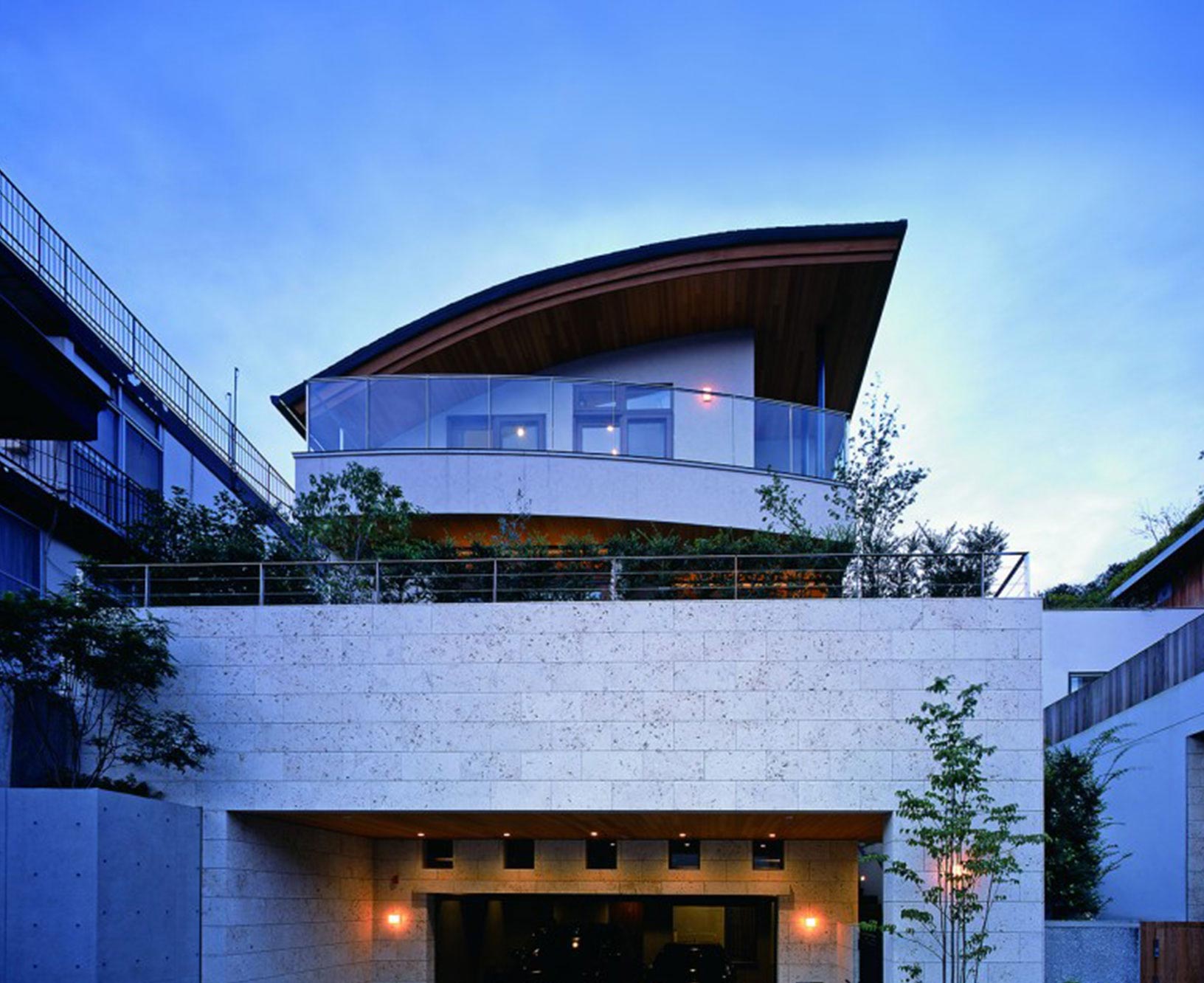
Driving through the residential pockets buffering Kikuyo and neighboring Koshi reveals a distinct aesthetic departure from traditional Japanese suburban housing. Clean architectural concrete, floor-to-ceiling glass, and dual-kitchen floor plans, configured to accommodate live-in staff or visiting executive entourages, have replaced standard timber frames. Local brokerages report that plots exceeding 300 square meters routinely command bidding wars among corporate buyers seeking long-term residences near the fab gates.
This suburban explosion brought immediate structural friction. Municipal infrastructure in Kikuyo was built for farm equipment, not hundreds of private executive shuttles and personal vehicles. Local governments are currently spending billions of yen widening arterial roadways, expanding wastewater capacity, and expediting residential rezoning. Even with these growing pains, Kikuyo’s transition from an agricultural periphery to a high-value satellite district remains one of the fastest suburban evolutions in post-war Japan.
Historic Prestige Meets Global Capital: Suizenji and Castle View Penthouses
Suburban acreage near the chip plants satisfies operational executives who demand short commutes, but urban wealth continues to flow into Kumamoto City's core. Kumamoto Chuo Ward prestigious neighborhoods have experienced their most intense influx of private capital in half a century. Sub-districts like Suizenji, celebrated for its 17th-century Daimyo garden, remain the definitive cultural address for the region’s traditional elite.
Rather than building sprawling suburban estates, cosmopolitan buyers and institutional investors target luxury condominium developments Kumamoto builders are erecting within sight of Kumamoto Castle. Prime parcels overlooking the castle park or the Shirakawa River have seen intense competition among national developers like Nomura Real Estate, Daiwa House, and Tokyo Tatemono. Penthouses in these developments frequently set regional pricing records, with individual units crossing the 150 million to 250 million yen threshold within hours of private sales launches.
These buyers fall into two distinct camps. Domestic high-net-worth individuals from Fukuoka and Tokyo view Kumamoto luxury properties as defensive, high-yield assets linked to Japan’s national industrial renaissance. Simultaneously, foreign buyers from Taipei, Hong Kong, and Singapore acquire central residences as lifestyle bases, drawn by Kyushu’s clean groundwater, direct regional flight links, and world-class golf facilities.
The Numbers Behind the Surge: 2022 to 2026 Market Shift
Official land valuation data published by Japan’s Ministry of Land, Infrastructure, Transport and Tourism (MLIT) underscores the sheer velocity of this regional shift. Kumamoto’s suburban and metropolitan gains have consistently outranked national averages since construction began on JASM Fab 1.
| District / Property Type | 2022 Baseline Price | 2024 Market Average | 2026 Prime Valuations |
|---|---|---|---|
| Kikuyo Prime Residential Land | ¥45,000, ¥60,000 / m² | ¥85,000, ¥110,000 / m² | ¥140,000, ¥185,000 / m² |
| Suizenji Heritage Parcels (Chuo Ward) | ¥180,000, ¥220,000 / m² | ¥240,000, ¥290,000 / m² | ¥330,000, ¥410,000 / m² |
| Kumamoto Castle View Luxury High-Rise | ¥650,000, ¥750,000 / tsubo | ¥1,100,000, ¥1,400,000 / tsubo | ¥1,900,000, ¥2,500,000 / tsubo |
| Executive Custom Build (Construction Cost) | ¥700,000, ¥850,000 / tsubo | ¥1,000,000, ¥1,300,000 / tsubo | ¥1,500,000, ¥2,100,000 / tsubo |
The compound effect of these valuations extends deep into the regional lending market. Regional institutions like The Higo Bank have established dedicated private banking and wealth management desks to handle non-resident cross-border transactions and complex property financing packages. International capital, once confined to Niseko, Tokyo, and Kyoto, now treats Kumamoto as a staple asset class within Kyushu high-net-worth residential property portfolios.
Social Strain and the Realities of Dual-Track Regional Growth
This rapid concentration of wealth has not arrived without friction. Long-time Kumamoto residents face a real estate market where residential entry costs have detached from median regional salaries. Young families who grew up in Kikuyo or Koshi find themselves priced out of local homeownership, forced to look further east toward Ozu or north toward Yamaga to find affordable plots.
Property tax adjustments represent another mounting concern. As official land valuations soar to match market transactions, generational landowners face spiked inheritance tax obligations on agricultural holdings that sit directly adjacent to newly designated luxury zones. In community meetings across Kikuyo, older residents frequently voice frustration over morning gridlock, escalating living expenses, and the disappearance of neighborhood institutions replaced by upscale clinics, foreign-language daycare centers, and corporate hospitality venues.
A dual-track economy has emerged. While corporate entities and landowners with strategic holdings celebrate massive paper equity, service-sector workers and public employees must navigate urban living costs on regional wage structures. Local governments face constant pressure to balance industrial expansion with affordable housing initiatives for the domestic workforce that keeps public infrastructure functioning.
Frequently Asked Questions (FAQ)
Q1: What are the primary neighborhoods defining Kumamoto’s luxury residential market?
A1: The traditional core remains concentrated in Kumamoto City’s Chuo Ward, specifically Suizenji, Shinmachi, and the perimeter residential streets facing Kumamoto Castle Park. Concurrently, a new suburban luxury corridor has materialized in Kikuyo Town and southern Koshi City, catering directly to senior semiconductor executives and international corporate leadership.
Q2: Can foreign nationals purchase residential land and luxury condominiums in Kumamoto?
A2: Japan places no legal restrictions on foreign individuals or corporate entities purchasing freehold real estate, regardless of visa status. Buyers must complete standard financial screening under Japanese anti-money laundering regulations and provide verified identification through qualified judicial scriveners.
Q3: How has the TSMC expansion impacted construction costs for custom homes in Kyushu?
A3: Construction costs across Kumamoto have escalated sharply due to intense competition for commercial-grade labor, raw materials, and skilled trades diverted to semiconductor fab sites. Executive custom home construction costs per tsubo (roughly 3.3 square meters) rose from roughly ¥800,000 in 2022 to well over ¥1.8 million by 2026.
The Trajectory of Kyushu’s Capital of Wealth
Kumamoto’s residential landscape has moved beyond an experimental real estate cycle. The convergence of national industrial strategy, foreign direct investment, and private real estate development has fundamentally restructured how land is valued between the Ariake Sea and the volcanic caldera of Aso. Kumamoto is no longer merely a quiet provincial seat; it is operating as the operational engine of Japan’s advanced manufacturing ambitions.
As construction progresses on subsequent fab installations and international supply chains entrench their regional headquarters, the demand for high-end residential enclaves will only intensify. The architectural skyline of Chuo Ward and the rolling lanes of Kikuyo now reflect an internationalized, capital-dense economy. For investors, developers, and longtime residents alike, the challenge of this ongoing boom lies in steering unprecedented growth without eroding the cultural equilibrium that made Kumamoto attractive in the first place.
