Late Entry Penalties vs. Train Delays: What Happens If You Miss Kindai's Exam Start Time?

Every January and February, more than 100,000 applicants descend on Western Japan to contest seats at Kindai University, making its general admissions season one of the densest logistical operations in Japanese higher education. The bulk of that human traffic funnels directly through the Kintetsu Railway network into the sprawling Higashi-Osaka campus test site, where narrow residential streets and packed train platforms turn any minor signal glitch into a potential crisis. For students navigating these high-stakes mornings, arriving after the doors close is a constant nightmare, sparking urgent questions about what happens when public transit fails outside an applicant's control.
Admissions logistics at this scale require rigid operational timing. As highlighted in a CNET Japan Report detailing Kindai's campus communication and admissions operations, the university manages massive applicant pools through strictly centralized oversight and precise real-time communication. When a commuter line stalls on exam morning, the line between an immediate disqualification and an official rescheduling window comes down to specific university protocols, physical documentation, and immediate action at the station turnstiles.
📌 Key Takeaways:
- The Solo Tardiness Rule: Individual late arrivals receive a strict 20-minute late entry grace period after a testing session starts; stepping through the door at minute 21 results in automatic forfeiture of that subject test.
- Transit Meltdowns: Broad transit disruptions trigger university-wide adjustments only if applicants secure an official train delay certificate (chien-shōmeisho) and report immediately to campus emergency proctors.
- No Make-Up Tests for Sleep: Personal blunders, missed alarms, or bad bus connections are never pardoned under admissions office emergency guidelines.
The Morning Assembly Arrival Time and Campus Bottlenecks
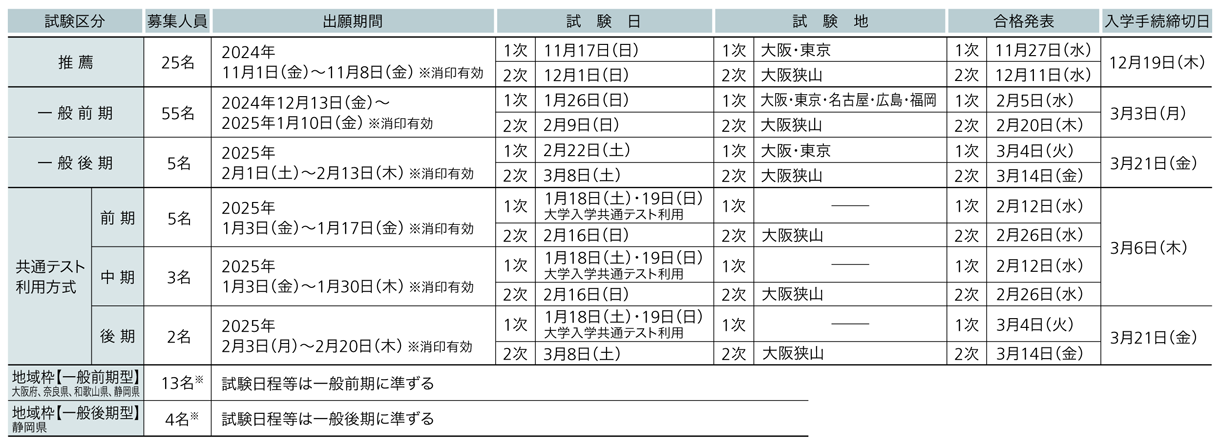
The Kindai University entrance exam schedule runs on clockwork discipline across its primary campuses and regional testing centers. Test-day itineraries outlined in official applicant manuals mandate that students be seated in their designated rooms well before the morning assembly arrival time, typically set between 9:15 AM and 9:30 AM depending on the specific exam track. Testing rooms open their doors as early as 8:30 AM. University proctors spend the assembly period verifying admit cards, running through mandatory audio instructions, and distributing test booklets for the opening session.
Reaching the Higashi-Osaka campus test site requires realistic planning. Commuters arriving via the Kintetsu Osaka Line alight at Nagase Station, navigating a famous 10-minute student shopping street that bottlenecks severely when thousands of teenagers move in lockstep. Those arriving via the Kintetsu Nara Line at Yaenosato or Kawachi-Kosaka face a longer walk or crowded shuttle buses. The admissions office warns test-takers every year that normal walking times double on testing mornings. Stepping onto the platform at 9:00 AM usually means arriving at the exam desk out of breath, agitated, and dangerously close to the official start time.
The 20-Minute Cutoff: Individual Grace Periods vs. Instant Disqualification
Japanese universities balance strict equity with human logistics, and Kindai maintains a clear dividing line between personal lateness and systemic failure. If you wake up late, misread your watch, or get turned around in the suburban alleyways of Higashi-Osaka, your tardiness is classified as individual fault. Under standard general admissions timetable regulations, testing starts promptly at 10:00 AM for the initial subject test duration block.
If an applicant arrives after the proctor breaks the seal on the test envelopes, the exam room entry cutoff policy engages:
Students may enter the room up to exactly 20 minutes after the exam start bell. A candidate entering at 10:14 AM is admitted, directed to their assigned desk, and handed the question packet. However, they receive zero extra time; the pencil-down bell rings at the scheduled hour regardless of when the student sat down. Arriving at 10:21 AM slams the door shut for that specific subject. While the applicant may be permitted to sit for subsequent subjects later in the afternoon, scoring zero on the initial paper almost always mathematically eliminates them from general admissions consideration.
Train Delay Certificate Protocols at Kintetsu and JR Hubs
Transit disruptions represent an entirely different category under admissions office emergency guidelines. The Kansai railway grid is durable, but winter operations face signal failures, track trespassers, and weather stalls. If a train stoppage on the Kintetsu Osaka Line, Kintetsu Nara Line, or Osaka Higashi Line delays dozens or hundreds of test-takers, the university shifts into its formal transit delay protocol.
| Incident Classification | Required Verification | Admissions Office Action |
|---|---|---|
| Personal Tardiness ( | Admit card inspection only | Direct entry allowed; no test time extension granted. |
| Personal Tardiness (> 20 Mins) | None accepted | Subject forfeiture; may take subsequent afternoon tests. |
| Minor Transit Delay (Individual) | Physical or digital railway delay slip (chien-shōmeisho) | Admitted via exam headquarters; possible isolation room assignment. |
| Mass Transit Disruption (Lines Halted) | Direct coordination between railway and university | Official testing session schedule pushed back university-wide by 30, 60 minutes. |
The golden rule during a transit halt is securing proof. Applicants must pick up a physical chien-shōmeisho from station staff at the gate or save the official digital timestamped delay certificate published on the railway operator's smartphone portal. Without this document, university gate proctors treat arriving students as casually late. When reaching campus gates, students clutching delay certificates should avoid running blindly to their classroom building. Instead, they must flag the entrance marshals wearing university staff armbands, who divert them to the centralized exam headquarters tent to record the transit slip and issue an emergency room pass.
Subject Test Durations and Admit Card Rules Inside the Room
Once inside, the schedule follows an uncompromising pace. Standard general entrance examinations at Kindai operate on a three-subject model, allocating 60 minutes per subject, typically with 100 points assigned to each discipline. A standard day runs through late morning into mid-afternoon, separated by strictly managed intervals and a lunch recess.
Admit card test day instructions leave no room for improvisation. Candidates must place their printed examination voucher flat on the upper corner of their desk, photograph-side up, beside an approved mechanical pencil or standard wooden HB pencils and an eraser. All smart devices, fitness bands, and analog watches with alarm sounds must be turned off completely; placing a phone on silent or vibrate mode is classified as misconduct if it makes noise during a testing block. Proctors circulate constantly, comparing faces against database photos while tracking the clock against central bell towers.
Severe Weather Contingency Plans and Kansai Winter Realities
January and February occasionally bring snow flurries and gale-force winter storms off the Sea of Japan, disrupting transit arteries across Kansai. Kindai's severe weather contingency plan relies on early morning operational assessments made between 5:30 AM and 6:30 AM on test days. The university updates its admissions portal (Kindai U-Plex / Kindaipicks) in real time if widespread rail shutdowns threaten testing feasibility.
If major lines like the JR West Loop Line or main Kintetsu trunks suspend service across Osaka, Kindai's emergency committee exercises three distinct contingency options:
First, they may push back the entire daily timetable uniformly by 30 to 60 minutes across all campus halls, granting stranded commuters time to filter in. Second, they can isolate affected students who arrive late with verified delay documentation, seating them in dedicated contingency lecture halls to take the exam on an offset schedule under identical testing session schedule durations. Third, in worst-case scenarios involving impassable typhoons or total infrastructure blackouts, the university reschedules the testing date entirely to an alternate reserve day. The bar for full postponement is extraordinarily high; localized delays are almost always handled through rolling start times rather than cancellations.
What to Do If Your Morning Commute Collapses
Staying calm during an active transit emergency separates applicants who salvage their admissions bid from those who panic and trigger their own disqualification. If your train stops between stations or crawls forward behind a stalled express, follow three non-negotiable steps:
First, monitor the train's internal display and listen to conductor announcements for specific line delay estimates. If you have data access, pull up the train company's official delay certificate webpage immediately and take a high-resolution screenshot showing the date and duration. Second, do not call the university admissions hotline while trapped on a quiet commuter train; phone calls will not hold an individual testing room open for you. Third, once you exit the ticket gates, grab a paper delay slip from the station attendants, travel directly to the nearest official campus gate, and seek out university staff. Presenting your admit card alongside your train delay certificate immediately establishes that your tardiness was systemic, unlocking emergency testing provisions.
Frequently Asked Questions (FAQ)
Q1: What happens if I miss the 20-minute late entry grace period for the first morning exam?
A1: You forfeit the first subject test and will receive a score of zero for that paper. However, you are still permitted to sit for the second and third subjects after the break, provided you report to the room before those subsequent testing session schedules begin.
Q2: Does a bus delay count for an emergency timetable adjustment?
A2: Highway and local route buses are far riskier than trains. While official transit delay slips from major public bus companies are reviewed on a case-by-case basis at the Higashi-Osaka campus test site, delays caused by ordinary morning traffic jams or rideshare delays are generally not excused.
Q3: Will the university wait for me if I call the admissions office while stuck in transit?
A3: No. Admissions desks will not delay an entire testing hall for individual telephone requests. The testing schedule is adjusted only when widespread, verified rail disruptions impact a broad cohort of applicants, or when individuals present authenticated delay certificates directly to campus marshals upon arrival.
Navigating Kindai's High-Stakes Exam Morning
Securing admission to Kindai University demands more than mastering high school mathematics, English syntax, and Japanese essay prompts. It requires operational resilience in the middle of Kansai's most crowded transit corridors. The margin for error is razor-thin: 20 minutes for individual lateness, zero tolerance for unverified excuses, and complete reliance on railway documentation when tracks fail. Plan your route to arrive at the campus gates at least 45 minutes before the morning assembly arrival time. Pack your admit card, verify your train connections the night before, and treat the morning commute with the exact same tactical precision you bring to the exam paper itself.
