Leaving School for the Stage: The Untold Sacrifices Behind Taishu Engeki Rising Star Hyuma

Leaving School for the Stage: The Untold Sacrifices Behind Taishu Engeki Rising Star Hyuma
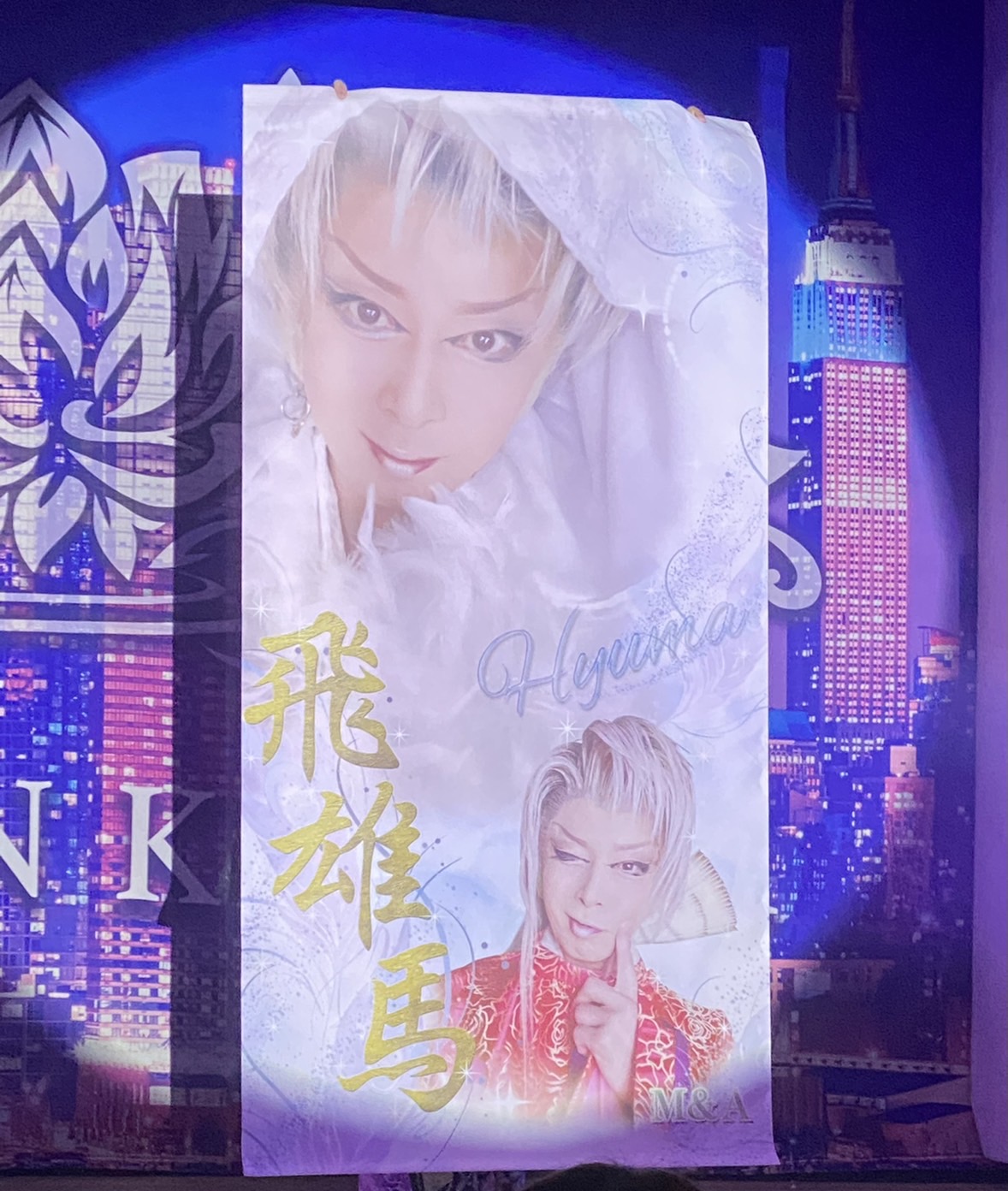
When seventeen-year-old Hyuma walked into a theater with his mother, he had never stepped onto a wooden stage, held a bamboo prop sword, or applied greasepaint. Hours later, his conventional life was effectively over. Mesmerized by the percussive drumbeats, dynamic sword fights, and raw melodrama of Gekidan Akatsuki, the teenager dropped out of high school to bind his future to the volatile world of taishu engeki (Japanese popular traveling theater). As documented in a revealing マイナビニュース Report tracking the troupe's inner friction, Hyuma’s leap was not an eccentric whim; it was an absolute surrender to an insular, centuries-old performance trade that demands total personal reinvention.
The romance of itinerant performance fades rapidly behind the dressing room curtain. Unlike subsidized classical Kabuki or commercial Tokyo musicals backed by corporate capital, traveling theater troupes operate on relentless touring schedules, razor-thin profit margins, and grueling apprentice hierarchies. By walking out of the classroom, Hyuma traded modern teenage comforts for communal living, daily eighteen-hour work cycles, and the immediate risk of professional obscurity.
📌 Key Takeaways:
- The Unorthodox Leap: Hyuma abandoned standard secondary education at age 17 with zero performance training, immediately entering Gekidan Akatsuki’s rigorous live-in apprenticeship.
- The Box Office Reality: The troupe's high-stakes tour through the Kansai region exposed the harsh economic precarity of popular theater, confronting young performers with near-empty auditoriums.
- The Cultural Foundation: Outposts such as the 28-year-old Funyu Kabuki Village in rural Tochigi prove that traveling troupes rely on deep grassroots loyalty outside mainstream metropolitan media.
Walking Away from the Classroom for Gekidan Akatsuki
Secondary education in contemporary Japan follows a rigid, predictable track: cram schools, entrance examinations, and steady corporate pathways. Hyuma deliberately fractured that script. After watching a single live engagement by Gekidan Akatsuki, he announced his intention to abandon high school and apprentice under the troupe's demanding leadership.
Gekidan Akatsuki is widely recognized on the national circuit for its high-octane choreography and aggressive physical performance style. Troupe leader Akato has pushed the ensemble relentlessly to capture industry leadership, staging complex adaptations that bridge traditional Edo-era sensibilities with contemporary stage pacing. For a newcomer without foundational training in classical dance or stage combat, entering this environment is disorienting. Hyuma entered the company with no knowledge of traditional dressing, posture, or vocal projection. His initial weeks were defined not by spotlight solos, but by silent backstage servitude: steaming kimonos, washing heavy wigs, preparing stage properties, and memorizing lines by watching from the wings.
The decision sent ripples through his family. While his mother originally introduced him to the art form as a spectator, supporting an adolescent son who voluntarily resigns his educational credentials to live out of a tour trunk is a fraught proposition. today Japanese youth rarely step outside institutional safety nets, Hyuma's gamble reflects an intense longing for tangible, high-stakes craft over classroom abstraction.
The Ruthless Realities of Japanese Theatrical Apprenticeship
An apprenticeship in taishu engeki functions under communal, semi-feudal codes that have changed little over decades. Actors do not commute to a rehearsal hall; they live together in communal quarters backstage or share budget lodgings near the venue. The workday begins before sunrise with cleaning, costume maintenance, and technical run-throughs, running through afternoon and evening performances, and often extending past midnight with choreography rehearsals for the following day’s program.
Because traveling troupes change their theatrical plays and dance revues daily to keep local audiences returning throughout a month-long run, an actor must digest dozens of scripts every season. There is no downtime to ease into a role over a multi-week preview period. A young performer learns through visual observation and immediate trial by fire. A single misstep during an acrobatic sword exchange risks physical injury to senior cast members.
Physical wear accumulates rapidly. Heavy makeup cakes the skin daily, wooden stage floors hammer unprotected joints, and personal privacy ceases to exist. Wages for junior apprentices remain minimal, covering basic food and board while the craft is absorbed through direct proximity. For Hyuma, the romantic sheen of footlights met the grinding routine of sweat, greasepaint solvent, and strict hierarchy within forty-eight hours of joining the company.
The Kansai Tour Crisis: When Empty Seats Break the Illusion
The psychological breaking point for many aspiring stage actors arrives when empty auditoriums shatter their ideals. Gekidan Akatsuki encountered this exact wall during an ambitious tour across western Japan. Eager to expand their regional footprint beyond their established eastern bases, the troupe traveled to the Kansai region, long known as the spiritual heartland of competitive traveling theater.
The result was an unexpected commercial shock. Night after night, the troupe stepped onto the stage to face rows of vacant velvet seats. Kansai theatergoers are famously discerning, fiercely loyal to legacy regional families, and slow to warm to outside troupes from Kanto. The financial blow was immediate, but the emotional cost inside the dressing room was far steeper.
| Structural Dimension | National Classical Kabuki | Taishu Engeki (Gekidan Akatsuki) |
|---|---|---|
| Institutional Support | Subsidized by state agencies and Shochiku Co. | Self-funded box office and direct patron gifts |
| Repertoire Turnaround | Fixed monthly runs with weeks of prior rehearsal | Daily program changes; zero formal rehearsal periods |
| Entry Barrier | Hereditary lineage or National Theatre training institute | Direct audition, family roots, or live-in apprentice walk-in |
| Audience Dynamic | Formal, quiet observation from distant seating | Intimate handshakes, floral gifts, direct fan interaction |
For Hyuma, the Kansai shortfall served as an unvarnished lesson in commercial performance art. Troupe leader Akato pushed the cast harder, dissecting staging errors and demanding absolute physical precision despite the sparse turnout. When an actor performs before an audience of twenty people with the same fury required for a packed house of four hundred, physical theater ceases to be an adolescent fantasy. It becomes sheer discipline.
Rural Sanctuaries: Inside Misaki Tetsuya’s Funyu Kabuki Village
While metropolitan circuits can be brutal to traveling troupes, the lifeblood of Japanese popular theater often survives far away from downtown neon. A prime example sits along Route 461 in Shioya-machi, Tochigi Prefecture: the Funyu Kabuki Village (Funyu Kabuki-mura).
Founded nearly three decades ago by veteran stage actor Misaki Tetsuya, now in his late seventies, this rural theater house operates in an area devoid of bullet train stations or sprawling hot-spring resorts. As detailed in historical coverage by Asahi Shimbun, Misaki established the playhouse as a dedicated haven for taishu engeki, sustaining year-round productions in the quiet Tochigi countryside for more than 28 years.
Venues like Funyu Kabuki Village represent the protective backbone of the industry. Here, local elderly residents, regional families, and dedicated followers gather not just to watch drama, but to eat, drink, and converse with performers who mingle at the entrance after the curtain falls. For apprentices like Hyuma, these countryside venues offer a masterclass in direct audience intimacy. In these rural playhouses, performers learn that theatrical longevity is not measured by television ratings or internet virality, but by whether a farmer or local shopkeeper leaves the theater feeling genuine emotional release.
Generational Friction and the Survival of Working-Class Stage Craft
The broader world of taishu engeki stands at a critical juncture. Audiences are aging rapidly. The core demographic that supported daily traveling theater for decades, primarily seniors who patronized hot-spring bathhouse theaters (kenko land) and historic downtown halls, is shrinking. Simultaneously, traditional theater operators face escalating real estate rents and utility costs.
Against this backdrop, the arrival of teenagers like Hyuma carries unexpected cultural weight. Young recruits bring fresh physical energy and can attract younger followers through social platforms, offering a bridge between Edo-period performance tropes and Gen-Z entertainment consumption. Yet this generational shift creates distinct friction within the company walls:
- Veteran directors favor slow, deliberate pacing and traditional dialogue delivery, whereas younger performers gravitate toward pop-soundtrack revues, flashy modern swordplay, and rapid scene transitions.
- Modern teenagers raised with digital boundaries must adapt to communal life where private personal space is virtually eliminated.
- With no guaranteed pension, health collective, or institutional safety net, young actors shoulder immense physical vulnerability if an injury sidelines them.
Hyuma's persistence underscores a broader counter-cultural impulse. Rather than seeking detached online celebrity, he chose an intensely tactile, demanding medium where validation is earned exclusively through the sound of physical applause and the sweat left on stage boards.
Frequently Asked Questions (FAQ)
Q1: What is the main difference between Kabuki and Taishu Engeki?
A1: Classical Kabuki is a state-subsidized, globally recognized heritage art performed in large-scale theaters like Tokyo's Kabukiza, dominated by historic acting dynasties. Taishu Engeki is working-class, populist entertainment performed by mobile troupes that travel monthly across regional theaters and bathhouses, offering accessible, low-cost plays, daily program changes, and personal interaction with fans.
Q2: Why did Hyuma drop out of high school to join Gekidan Akatsuki?
A2: Hyuma made the decision at age seventeen after attending a live performance by Gekidan Akatsuki with his mother. Despite having no stage experience or dance training, he felt compelled by the energy of the live show, choosing to abandon formal schooling to immediately enter the troupe's intensive live-in apprenticeship system.
Q3: What difficulties did Gekidan Akatsuki face during their Kansai tour?
A3: The company encountered severe drops in ticket sales and sparse attendance during their first tour in the Kansai region. Because Kansai audiences maintain deep loyalties to long-established local troupes, Gekidan Akatsuki had to navigate the commercial and psychological pressure of performing intensive physical theater before largely empty auditoriums.
The Uncertain Horizon for Japan’s Itinerant Actors
The modern era offers countless effortless paths to entertainment, making Hyuma's chosen trajectory appear almost anachronistic. Leaving high school without a diploma to join a traveling theater company cuts off the conventional safety lines of middle-class Japanese society. There is no corporate fallback if the physical stamina breaks down or the box office evaporates.
Yet watching an apprentice like Hyuma step onto the floorboards suggests why this performance culture persists against all odds. It delivers an immediate, raw human connection that mass digital entertainment cannot replicate. The greasepaint may sting the skin, the tour bus may be cramped, and the Kansai crowds may be brutal to win over, but the stage lights remain intoxicating. For Gekidan Akatsuki and its newest high school dropout actor, the gamble continues every afternoon the wooden curtain rises.
