Map & Step-by-Step Transit Guide: Hearton Hotel Shinsaibashi to Kyocera Dome
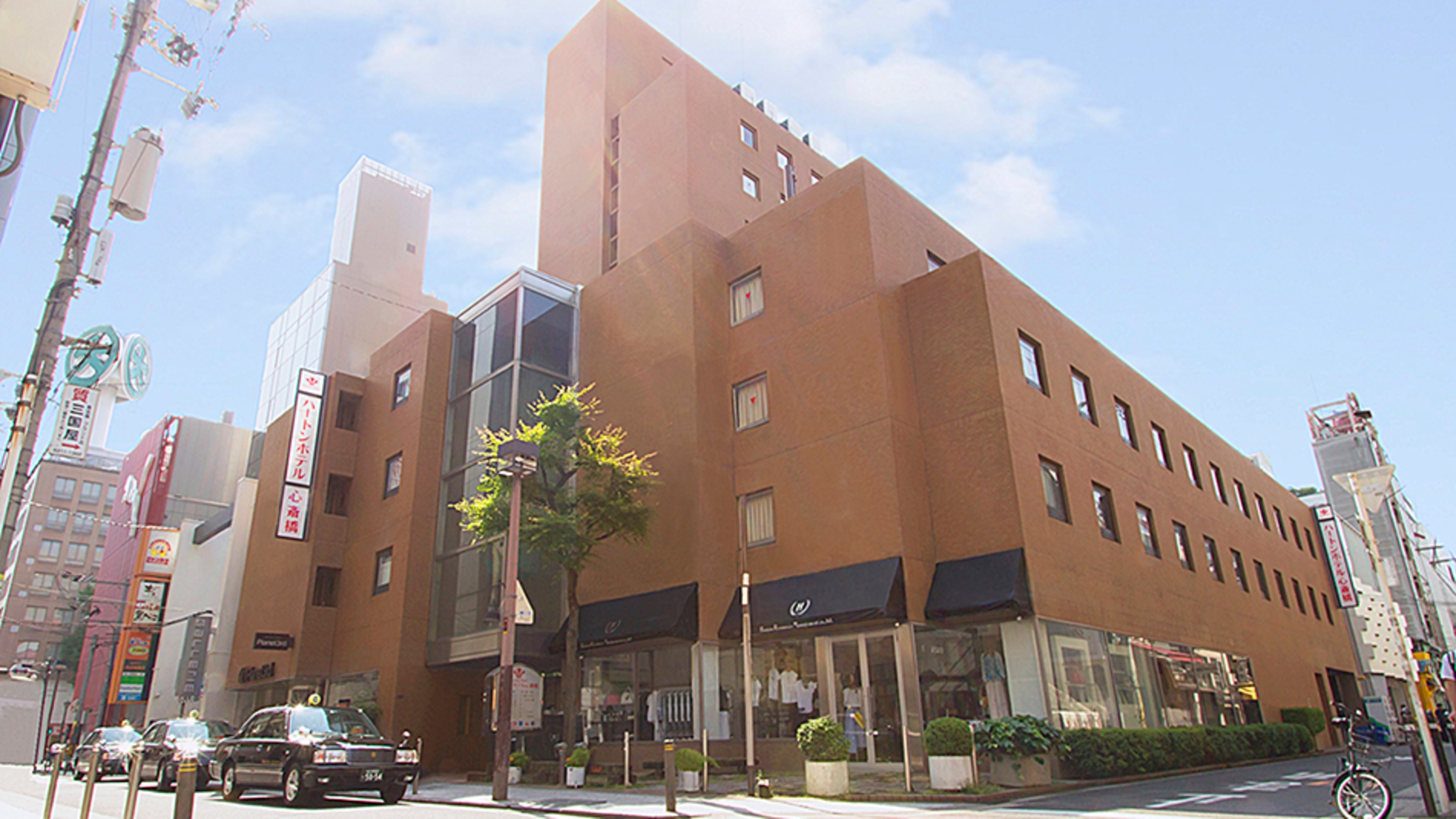
Stepping out of Hearton Hotel Shinsaibashi into the bustling rhythm of Amerikamura, visitors heading to Kyocera Dome Osaka face one of Japan's most densely packed urban transit corridors. Whether you are traveling for a sold-out stadium tour or an NPB baseball showdown, navigating Osaka's multi-layered subway grid requires precise station timing and platform awareness.
The physical distance between Hearton Hotel and Kyocera Dome spans barely 2.3 kilometers. Yet during peak event hours, an uninformed transfer or the wrong station exit can add 45 minutes of gridlock to an otherwise straightforward seven-minute rail journey.
📌 Key Takeaways:
- Fastest Single Route: Board the Osaka Metro Nagahori Tsurumi-ryokuchi Line at Shinsaibashi Station direct to Dome-mae Chiyozaki Station in five minutes flat.
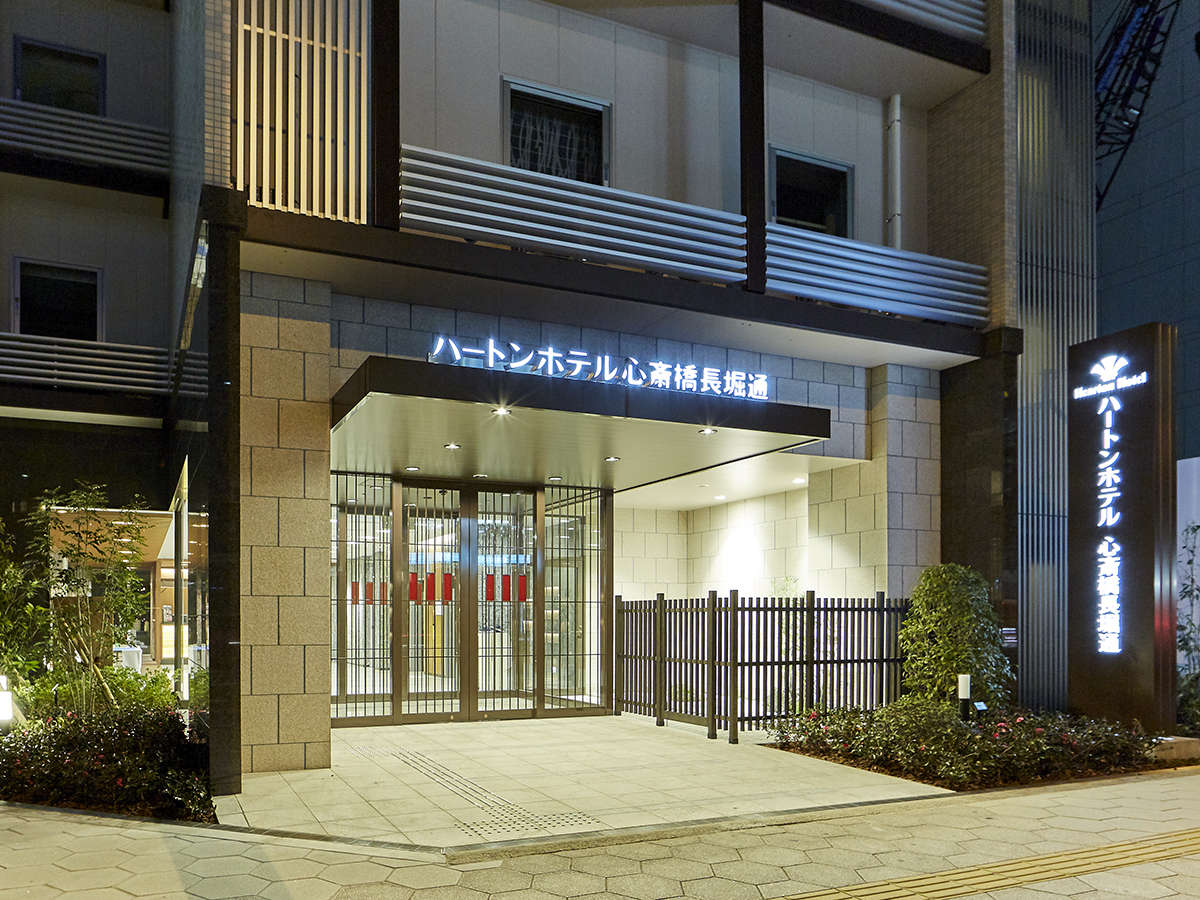
- Access Geometry: Hearton Hotel sits two minutes from Exit 7 of Shinsaibashi Station and three minutes from Yotsubashi Station Exit 5 via Crysta Nagahori.
- Post-Event Strategy: Skip the jammed queues at Dome-mae Chiyozaki Station by walking seven minutes south to JR Taisho Station or taking a 28-minute walk back to the hotel.
The Direct Subway Sprint: Nagahori Tsurumi-ryokuchi Line
The most efficient door-to-gate route runs directly on the Osaka Metro Nagahori Tsurumi-ryokuchi Line. Leaving the lobby of Hearton Hotel Shinsaibashi, turn left, cross the narrow Amerikamura alley, and head east toward Midosuji Boulevard. You reach Shinsaibashi Station Exit 7 in under two minutes.
Descend into the concourse and follow the light-green transit roundels marked "N." The Nagahori Tsurumi-ryokuchi Line operates deep below the older Midosuji tracks. Walk along the moving walkways toward Platform 1, marked for Taisho.
Board any westbound train. You will pass Nishiohashi Station and Nishi-Nagahori Station before arriving at Dome-mae Chiyozaki Station (Station Number N12). Total train time takes exactly five minutes across three stops. A standard single adult fare costs ¥240.
Once the train doors slide open at Dome-mae Chiyozaki, follow the prominent overhead signage pointing toward Exit 1. Escalators take you directly into the lower concourse of Aeon Mall Osaka Dome City, which connects via an elevated pedestrian bridge straight into Kyocera Dome's second-floor perimeter deck.
Station Gates, Underpasses, and Platform Navigation
Navigating Shinsaibashi's subterranean labyrinth demands spatial clarity. The hotel's immediate proximity to both the Midosuji Line and the Yotsubashi Line creates multiple boarding options that confuse first-time visitors.
If rain hits Amerikamura, walk 90 seconds north from Hearton Hotel to enter Crysta Nagahori, one of western Japan's largest underground shopping networks. Enter through Stairwell South 10 or the elevator near OPA department store. This climate-controlled passage feeds directly into the ticket barriers of both Shinsaibashi Station and Yotsubashi Station without requiring street-level exposure.
When navigating Shinsaibashi Station's North and South ticket barriers, note that the Yotsubashi Line platforms link to the Nagahori Tsurumi-ryokuchi Line through an 80-meter underground corridor. If you enter through Yotsubashi Station ticket gates using an ICOCA transit card, follow the blue line markings until they intersect the green line signs. You will avoid navigating the crowded Midosuji Line ticket hall, which routinely handles over 150,000 commuters daily.
At Dome-mae Chiyozaki Station, ticket gates are positioned at the eastern end of the platform. Exit 1 delivers visitors to the primary pedestrian plaza facing Kyocera Dome Gate 1. Exit 2 emerges at street level across from the stadium's east parking sector, ideal for reaching outfield ticket booths and merchandise queues.
Route Comparison & Real-World Transit Timelines
Depending on crowd volume, physical mobility, and the direction of stadium entry gates, four distinct transit paths connect Hearton Hotel Shinsaibashi to Kyocera Dome.
| Route Option | Transit Breakdown | Total Travel Time | One-Way Fare |
|---|---|---|---|
| Metro Nagahori Line (Direct) | Walk to Shinsaibashi Station (2 min) → Train to Dome-mae Chiyozaki (5 min) → Walk to Gate (2 min) | 12, 15 minutes | ¥240 |
| Hanshin Namba Line | Walk south to Osaka Namba Station (12 min) → Train to Dome-mae Station (4 min) → Walk to Gate (1 min) | 20, 25 minutes | ¥230 |
| JR Osaka Loop Line via Taisho | Subway to Taisho Station (7 min) or walk to JR Namba → Train to Taisho → Walk north to Dome (7 min) | 22, 28 minutes | ¥140, ¥240 |
| Direct Pedestrian Walk | Head west along Nagahori-dori, cross Kizugawa Bridge, enter via North Gate | 28, 32 minutes | ¥0 |
The Osaka Metro route map confirms that taking the Nagahori Tsurumi-ryokuchi Line provides the shortest platform-to-seat window. But on evenings when 55,000 concertgoers drain out simultaneously, alternative routes save substantial transit stress.
Avoiding the 50,000-Fan Crush: Post-Concert Exit Tactics
Concert nights at Kyocera Dome produce extreme bottlenecks. Dome-mae Chiyozaki Station frequently activates crowd-metering barriers at Exit 1, restricting platform access to alternating groups every 10 to 15 minutes. Standing on the stairs waiting for the subway platform can easily add an hour to your return trip.
Seasoned stadium attendees use two primary alternatives.
First, bypass Dome-mae Chiyozaki Station entirely and walk seven minutes south along the elevated highway toward Taisho Station. Taisho serves both the Osaka Metro Nagahori Line terminus and the JR Osaka Loop Line. Because Taisho sits at the end of the subway line, empty trains originate here, guaranteeing you board before cars fill up at Dome-mae Chiyozaki.
Second, consider the urban stroll. Exiting Kyocera Dome, walk east across the Iwasaki Bridge, cut through the quiet cafe lanes of Minami-Horie, and cross the Dotonbori canal back into Amerikamura. The entire walk to Hearton Hotel takes 30 minutes at a casual pace. You reach your hotel room faster on foot than waiting in subterranean entry queues.
Transit Cards and Digital Payments: Skipping Station Friction
Buying physical paper tickets at automated machines before an event guarantees delays. Long queues routinely form in front of ticket vending kiosks at Shinsaibashi Station as visitors fumble with cash and destination fare maps.
Load an ICOCA transit card, Suica, or Pasmo onto your smartphone before leaving Hearton Hotel. Digital contactless transit cards tap instantly across all ticket turnstiles on the Osaka Metro, Hanshin Electric Railway, and JR West networks. Ensure your card maintains a minimum balance of at least ¥500 before boarding your outbound train.
For visitors using physical transit cards without mobile wallets, reload your balance at the 7-Eleven convenience store located directly beside Hearton Hotel Shinsaibashi before descending underground. Ticket adjustment machines at Dome-mae Chiyozaki become completely swamped by fans attempting to top off balances after the show.
Frequently Asked Questions (FAQ)
Q1: What is the closest subway entrance to Hearton Hotel Shinsaibashi?
A1: Exit 7 of Shinsaibashi Station on the Osaka Metro Midosuji Line is the closest street exit, situated roughly 120 meters east of the hotel lobby. For elevator access with luggage, use Exit 8 inside the Hotel Nikko Osaka building across the street.
Q2: Can I walk between Hearton Hotel and Kyocera Dome if trains are delayed?
A2: Yes. The walking route covers approximately 2.3 kilometers along wide, well-lit sidewalks along Nagahori-dori and through Horie. It takes 28 to 32 minutes and remains safe at all hours of the night.
Q3: Which station exit at Dome-mae Chiyozaki leads directly into the arena?
A3: Exit 1 connects straight to the Aeon Mall concourse and the elevated walkway serving Kyocera Dome's Gate 1 and Gate 6 ticket entrances.
Smarter Event Logistics for Osaka Travelers
Mastering the corridor between Hearton Hotel Shinsaibashi and Kyocera Dome Osaka comes down to matching your timing with the city's rail layout. Taking the Nagahori Tsurumi-ryokuchi Line west from Shinsaibashi Station offers the fastest outbound trip before the house lights dim. When the stadium clears, bypassing the crowded underground gates at Dome-mae Chiyozaki in favor of Taisho Station or walking back through Minami-Horie turns an otherwise exhausting commute into an effortless return to Amerikamura. Keep your digital transit card charged, map your platform gates ahead of departure, and travel with Osaka's transit flow.
