Marriott Expands Korea Footprint: What It Means for Four Points Seoul Gangnam
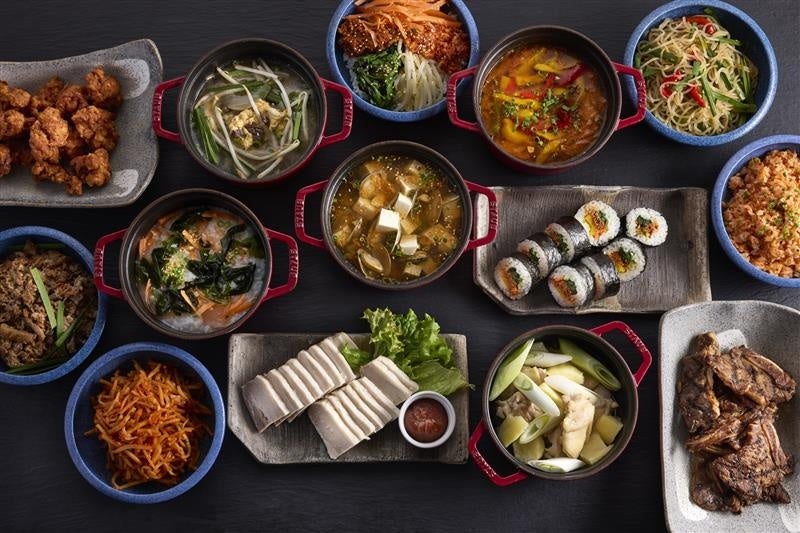
South Korea’s hospitality sector is navigating a rapid structural transition. As international flight volumes surpass pre-pandemic baselines, global hotel conglomerates are recalibrating their footprint across East Asia to balance ultra-luxury assets with agile, high-margin select-service properties. Central to this repositioning is Marriott International’s sustained push into metropolitan Seoul and Gyeonggi Province. Cross-border integration between regional properties is deepening, illustrated by moves such as the Nagoya Chubu Airport property partnering with its sister hotel Four Points by Sheraton Suwon for high-profile regional activations, detailed in a recent PR TIMES Report on East Asian hospitality culinary exchanges overseen by General Manager Sebastiaan Kleinsman.
Within this expanding network, Four Points by Sheraton Seoul Gangnam occupies a distinct tactical role. Positioned along the bustling Dosan-daero corridor, the hotel bridges high-volume corporate commerce, aesthetic medical tourism, and leisure retail. Understanding how this specific property operates offers clear insight into where international select-service models are headed across the Korean peninsula.
📌 Key Takeaways:
- Strategic Footprint: Four Points by Sheraton Seoul Gangnam serves as an operational anchor between the tech-heavy Teheran-ro corporate zone and the upscale retail ecosystems of Sinsa and Apgujeong.
- Select-Service Economics: Marriott Korea expansion relies heavily on premium select-service outposts to capture business travel margins while scaling loyalty penetration against domestic boutique competitors.
- Loyalty Value: The property remains an active vehicle for Marriott Bonvoy redemption schedules and elite night credit accumulation, avoiding the inflated cash rates of Gangnam's luxury tier.
The Select-Service Strategy Reshaping South Korea’s Hotel Market
International hotel chains historically treated Seoul as a market of extremes. Visitors either chose legacy luxury towers in Jung-gu or modest independent motels in fringe neighborhoods. That binary has broken down. Driven by shifting corporate travel policies and independent tourist flows, the demand for predictable, high-speed select-service lodging has surged.
Marriott recognized this divergence early. While luxury marques like JW Marriott and Josun Palace capture elite spend, select-service engines generate steady year-round occupancy. The brand's agility was highlighted during the regional rollout of Four Points Flex by Sheraton, where promotional campaign codes like "ES7" offered baseline 10% reductions to drive immediate brand awareness across secondary regional business hubs through mid-2025. In Seoul proper, the standard Four Points imprint functions as a higher-specification offering. It supplies modern workspaces, localized dining concepts, and reliable infrastructure without the overhead of grand ballrooms or sprawling spa complexes.
Prime Positioning Along Gangnam’s Commercial and Aesthetic Arteries
Real estate defines hotel viability in Seoul, and Four Points by Sheraton Seoul Gangnam holds an enviable parcel. Located on Dosan-daero in Gangnam-gu, the building sits midway between the Garosugil shopping district and the luxury retail enclaves of Apgujeong. Sinsa Station accessibility via Seoul Subway Line 3 and the Shinbundang Line extension allows direct transit into both central downtown Seoul and the southern tech corridors of Pangyo.
The micro-location taps into two resilient demand drivers:
- High-spending leisure travelers visiting fashion flagships and dermatology clinics.
- Cross-border executives conducting meetings in Nonhyeon-dong, Yeoksam-dong, and Samsung-dong.
Unlike properties buried deep within the Teheran-ro banking canyons, this address lets guests step straight into neighborhood dining and cafe culture. Walking access to Garosugil eliminates reliance on congested crosstown taxis during Friday evening peak hours, giving the property a genuine geographic edge over rivals situated further south.
Portfolio Economics: Comparing Marriott's Mid-Tier Seoul Foothold
To evaluate how Four Points by Sheraton Seoul Gangnam stacks up against regional alternatives, travelers and corporate travel managers must look closely at operational metrics, pricing tiers, and transit profiles across the brand family.
| Property | Core Target Market | Typical Nightly Rates (USD) | Transit Nexus |
|---|---|---|---|
| Four Points Seoul Gangnam | Aesthetic clinics, fashion buyers, tech executives | $150, $240 | Sinsa Station, Apgujeong Station |
| Four Points Josun Myeongdong | Traditional leisure tourists, downtown diplomats | $130, $210 | Euljiro 3-ga Station |
| Four Points Suwon | Semiconductor suppliers, regional business travelers | $110, $170 | Suwon City Hall Station |
| Four Points Flex Portfolio | Budget solo travelers, short-stay domestic commuters | $65, $100 | Secondary provincial rail stops |
The data underscores a clear structural positioning. Four Points Gangnam commands a premium over northern counterparts because real estate overhead in Gangnam-gu remains elevated. Even so, it consistently undercuts full-service properties like the Grand InterContinental Parnas by 40% to 60%, providing clean value for expense-account guests who prioritize location over expansive floor plans.

Bonvoy Math: Maximizing Redemptions and Elite Night Credits
For loyalty program members, redemption values in Seoul can swing wildly based on seasonality. During peak cherry blossom season in April and autumn festival windows in October, cash rates across Gangnam often climb past $300 per night. In these periods, using points for standard rooms frequently delivers valuations well above the standard baseline of 0.8 cents per Bonvoy point.
Business road warriors targeting annual status thresholds find the hotel practical for accumulating Marriott elite night credits. Platinum and Titanium members receive complimentary breakfast options, space-available room upgrades, and guaranteed late checkouts without the crowds found at massive convention properties. The property's lounge alternatives and modern fitness center cover foundational needs for extended stays, making it an efficient base for mid-length corporate assignments.
Cross-Border Synergy and Regional Brand Evolution
The operational maturity of Marriott's Korean properties is increasingly felt beyond national borders. As seen with the sister hotel partnership between Four Points Suwon and Four Points Nagoya Chubu Airport, talent exchanges and shared F&B programming reflect an integrated East Asian distribution network. These cross-promotions expose Japanese and regional travelers to Korean hospitality standards before they touch down at Incheon International Airport.
This network strength protects properties like Four Points Gangnam from volatile swings in domestic travel trends. When localized leisure spending dips, international business travelers booking via multinational corporate portals fill the void. The result is operational stability that independent properties struggle to match during economic tightening cycles.
Frequently Asked Questions (FAQ)
Q1: How accessible is Four Points by Sheraton Seoul Gangnam from Incheon International Airport?
A1: Travelers can board Airport Limousine Bus 6009 directly to Sinsa Station or take the AREX airport railroad to Seoul Station and transfer via metro. A direct taxi takes approximately 60, 75 minutes depending on traffic.
Q2: Is the location convenient for medical tourism and aesthetic consultations?
A2: Yes. The property sits squarely on Dosan-daero, within a 5-to-15 minute walk of major plastic surgery, dermatology, and aesthetic wellness clinics clustered around Apgujeong and Nonhyeon.
Q3: How does the property handle Marriott Bonvoy elite breakfast benefits?
A3: Platinum, Titanium, and Ambassador Elite members can select daily buffet breakfast at the on-site restaurant as their welcome amenity option upon check-in.
The Strategic Road Ahead for Gangnam’s Urban Stays
Urban travel has discarded one-size-fits-all hospitality. Guests booking accommodations in dynamic Asian metropolises demand functional design, reliable digital connectivity, and instant access to premier urban districts without inflated luxury service surcharges. Four Points by Sheraton Seoul Gangnam shows how a focused select-service format can thrive right in the center of Seoul's highest-rent district. As Marriott refines its multi-brand footprint across the country, this Dosan-daero hub provides a resilient, highly connected model for urban lodging across the region.
