Mastering Bibimbap Sauce at Home: 5 Master Ratios, Calorie Hacks, and Storage Solutions Answered
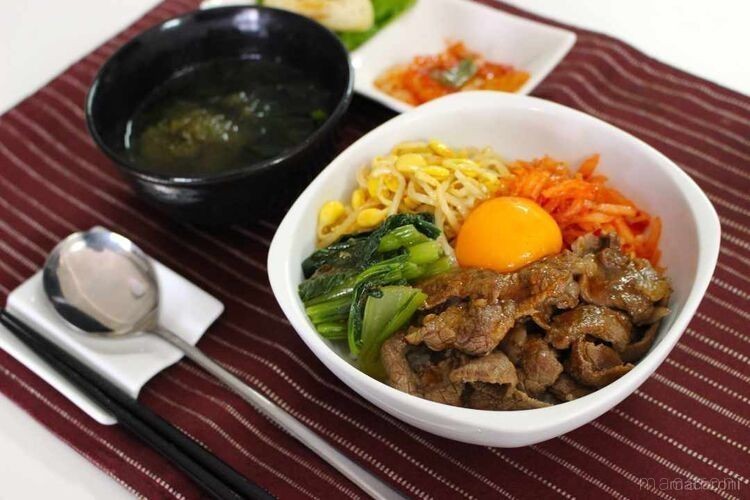
A bowl of warm short-grain rice, topped with sautéed namul, marinated beef, and a fried egg, falls flat without its binding element: the seasoning sauce. Across home kitchens and restaurant lines, cooks often treat the condiment as an afterthought, relying on straight pepper paste squeezed from a plastic tub. That shortcut leaves dishes thick, cloying, and unevenly distributed. A properly balanced emulsion transforms the bowl, coating every grain of rice and ribbon of vegetable with savory heat, acid, and rich aromatics.
Home cooks in Japan and across the globe have recently embraced streamlined variations, adapting the sauce for hot-plate dinners and chilled summer noodles. As detailed in an MSN Report covering quick-prep seasonal trends, adapting classic Korean bibimbap seasoning for wheat noodles and weeknight skillets cuts preparation time down to minutes without sacrificing depth. Getting the condiment right requires understanding how fermented chili paste interacts with sugars, cooking fats, and acidity.
📌 Key Takeaways:
- The Golden Mixing Ratio: The classic benchmark pairs 2 parts Korean gochujang paste with 1 part sugar, 1 part toasted sesame oil, 1 part soy sauce, and 1 part rice vinegar for effortless emulsification.
- The 10-Minute Shortcut: Commercial Japanese yakiniku sauce works as an instant savory base, cutting vegetable and protein prep down to 10 minutes.
- Storage and Stability: Fresh garlic versions last 7 to 10 days chilled, while cooked or vinegar-forward blends hold their quality for up to 30 days.
The Science of Balancing Korean Gochujang Paste
Raw gochujang is dense, sticky, and assertive. Fermented from red chili powder, glutinous rice, fermented soybeans, and salt, it brings immense umami alongside building heat. Stirred straight into rice, however, it clumps instantly. The grains crush under the spoon before the heat disperses evenly.
Thinning the paste is essential. Liquids create an emulsion that flows into the microscopic crevices of warm rice. Rice vinegar balance provides the sharp top note needed to slice through the heavy starch of rice and the oil of sautéed spinach and bean sprouts. Without acid, the fermented sweetness of gochujang turns muddy by the third bite.
Aromatics complete the profile. Fresh grated garlic and ginger add sulfurous bite and peppery warmth that commercial bottled sauces rarely duplicate. Toasted sesame oil supplies hydrophobic lipids, allowing the water-soluble sugars and soy sauce to cling smoothly to meat fibers and polished grain surfaces. Finish with cracked toasted sesame seeds to release volatile nutty oils that round out the tongue-coating heat.
Five Essential Sauce Formulas: From Classic Heat to Mild Soy Garlic
Different bowls demand different moisture levels and heat profiles. A sizzling stone bowl requires a thicker glaze that caramelizes against searing granite, whereas a chilled wheat noodle bowl needs fluid acidity.
| Style Variant | Master Ingredient Proportions | Best Culinary Application |
|---|---|---|
| Classic Golden Ratio | 2 tbsp Gochujang, 1 tbsp Soy Sauce, 1 tbsp Sugar, 1 tbsp Rice Vinegar, 1 tbsp Sesame Oil, 1 tsp Grated Garlic | Standard room-temperature vegetable bibimbap (Jeonju style) |
| Dolsot Sizzle Glaze | 2 tbsp Gochujang, 1.5 tbsp Honey/Oligo Syrup, 1 tbsp Soy Sauce, 1.5 tbsp Sesame Oil, 0.5 tsp Grated Ginger | Stone pots and cast-iron skillets; caramelizes against hot rice |
| Non-Spicy Soy Garlic | 3 tbsp Soy Sauce, 1.5 tbsp Brown Sugar, 1 tbsp Mirin, 1 tbsp Toasted Sesame Oil, 1 clove Minced Garlic | Child-friendly bowls, bulgogi beef toppings, mild royal court style |
| Bibim Somen Noodle Sauce | 2 tbsp Gochujang, 2 tbsp Rice Vinegar, 1.5 tbsp Sugar, 1 tbsp Soy Sauce, 1 tsp Gochugaru, 1 tbsp Cold Water | Chilled thin wheat noodles, cold soba, crisp summer cucumber salads |
| Pantry Yakiniku Shortcut | 3 tbsp Bottled Yakiniku Sauce, 1 tbsp Gochujang, 1 tsp Sesame Oil, 1 tsp Rice Vinegar | Weeknight ground meat browning, rapid 10-minute dinner bowls |
For sizzling stone bowls, skip excessive vinegar. High heat scorches raw acid into an unpleasant chemical tang. Instead, rely on honey or Korean oligo syrup in the dolsot bibimbap seasoning. The viscous sugars drop to the base of the bowl, frying alongside sesame oil to produce crunchy, mahogany-brown scorched rice (nurungji).
If heat is off the table, the non-spicy soy garlic formula leans into a savory sweet and savory profile. Simmering the soy sauce, mirin, and brown sugar briefly tames the harsh bite of raw garlic, creating a glossy lacquer that appeals to children and diners sensitive to capsicum.
Weeknight Hacks: The Yakiniku Shortcut and Hot-Plate Dinners
Authentic namul preparation requires blanching, shocking, squeezing, and seasoning four or five separate vegetables. On busy evenings, that workload causes cooks to abandon the dish entirely.
Japanese recipe platforms and lifestyle outlets, including coverage on livedoor News, spotlight a viral yakiniku sauce shortcut praised by over 2,200 home cooks for eliminating prep fatigue. Bottled barbecue sauces already contain apples, garlic, soy sauce, and sesame seeds. By using yakiniku sauce directly in the skillet to brown pork mince or cheap beef cuts, you impart instant complexity. Whisking a tablespoon of that savory pan sauce with extra gochujang yields a full-flavored dressing with zero vegetable chopping required.
Culinary researcher Kanon Kawasaki took this efficiency further, sharing a viral hot-plate technique designed to slash time at the stove during summer heatwaves. Instead of assembling individual bowls, cooks spread steamed rice across a wide electric griddle, arrange bulk vegetables and meat seasoned with yakiniku sauce across the surface, and let the entire family mix their portions at the table. Heat control stays uniform, and cleanup shrinks to a single cooking surface.
Summer lunch rotations benefit from similar cross-utilization. By loosening the base paste with extra vinegar and splash of cold dashi or water, the mixture shifts into an invigorating bibim somen noodle sauce. Thin Japanese somen noodles cook in 90 seconds, chill rapidly under running water, and take on crisp cucumber matchsticks without requiring the stove to run for more than two minutes.

Dialing in Dietary Goals: Low-Sugar and Keto Substitutions
Traditional bibimbap sauce packs a surprising carbohydrate punch. Standard commercial gochujang paste lists rice syrup or wheat flour as primary ingredients, yielding roughly 10 to 12 grams of carbohydrates per tablespoon. Combined with added white sugar, a generous three-tablespoon drizzle can add over 35 grams of fast-digesting sugars to a meal.
Classic Sweetener Matrix:
[White Sugar / Corn Syrup] ──> High Glycemic Spike, Crisp Gloss
Keto / Low-Carb Matrix:
[Allulose / Monk Fruit Extract] ──> Clean Sweetness, Zero Glycemic Impact
+
[Tamari / Coconut Aminos] ──> Low-Sodium, Gluten-Free Umami Base
Low-sugar recipe substitutions require careful ingredient matching to preserve body:
- Granulated allulose dissolves cleanly without the cooling sensation of erythritol. Liquid monk fruit drops maintain sweetness without crystallizing once chilled in the refrigerator.
- For strict ketogenic protocols, blend red pepper powder (gochugaru), fermented soybean paste (doenjang or white miso), water, and allulose to mimic the funk of gochujang without the heavy wheat and grain fillers.
- Substituting regular dark soy sauce with low-sodium tamari or coconut aminos allows you to increase the volume of sauce used per serving without exceeding daily sodium limits.
A low-sugar formulation preserves the emulsification properties of toasted sesame oil and garlic while keeping post-meal blood sugar levels steady.
Sauce Shelf Life and Storage Protocols
The moisture content and choice of aromatics directly dictate sauce shelf life and storage conditions. Gochujang itself is shelf-stable for months due to high salinity and fermentation, but mixing it with water, fresh roots, and alliums activates spoilage mechanisms.
Storage Lifespan Guide:
┌─────────────────────────────────────────────────────────────┐
│ Fresh Garlic & Ginger Mixes : 7 to 10 Days (Chilled) │
│ Cooked / Simmered Bases : 3 to 4 Weeks (Chilled) │
│ Vinegar-Dominant Somen Dressings : Up to 30 Days (Chilled)│
│ Frozen Single-Serve Cubes : Up to 3 Months (Frozen)│
└─────────────────────────────────────────────────────────────┘
Fresh garlic contains enzymes that break down over time, oxidizing and developing an acrid, stale sulfur aroma after roughly a week in the refrigerator. If you prepare large batches ahead of time, consider heating the soy sauce, sugar, and aromatics to a simmer for 2 minutes before stirring in the gochujang and sesame oil. This pasteurization deactivates spoilage enzymes and extends refrigeration viability to nearly a month.
Always store mixed dressings in non-reactive containers, preferably glass mason jars. The acidic vinegar and dark pigments in chili paste can etch and stain standard plasticware, transferring residual odors to future foods. For long-term emergency rations, freeze portioned tablespoons in silicone ice cube trays; pop out individual cubes and let them melt over piping hot rice.
Frequently Asked Questions (FAQ)
Q1: Why does my homemade bibimbap sauce taste too sharp and spicy?
A1: Raw gochujang varies widely in heat levels across brands. If your sauce is overly aggressive, whisk in an extra half-teaspoon of toasted sesame oil and a splash of mirin or honey. The lipids coat your taste receptors, dampening direct capsicum heat, while additional sweetness balances the vinegar's edge.
Q2: Can I make bibimbap sauce without gochujang paste entirely?
A2: Yes. The Non-Spicy Soy Garlic ratio serves as a traditional Korean royal court seasoning. Alternatively, blend Japanese red miso with a teaspoon of sriracha, a dash of sugar, and toasted sesame oil to create a rich, spicy substitute that mimics fermented chili paste umami.
Q3: Should bibimbap sauce be served hot, cold, or at room temperature?
A3: Room temperature works best for standard rice bowls so it blends effortlessly without dropping the temperature of hot rice. For stone pot bibimbap, you can spoon the sauce directly around the edges of the searing hot bowl during cooking to trigger instant caramelization.
Mastering the Table Experience
Elevating home-cooked Korean rice bowls does not require professional kitchen equipment or elaborate shopping trips to specialized import markets. By internalizing the simple balance between pungent fermented chili paste, grounding sesame fat, sweet undertones, and sharp vinegar, you control the character of the entire meal. Whether pulling together a ten-minute weeknight dinner using bottled yakiniku shortcuts or engineering a pristine, sugar-free glaze for hot stone bowls, the sauce remains the central architecture that turns simple pantry ingredients into a complete, deeply satisfying dish.
