Mastering Homemade Q-Chan Cucumbers: Ingredients, Ratios, and FAQs
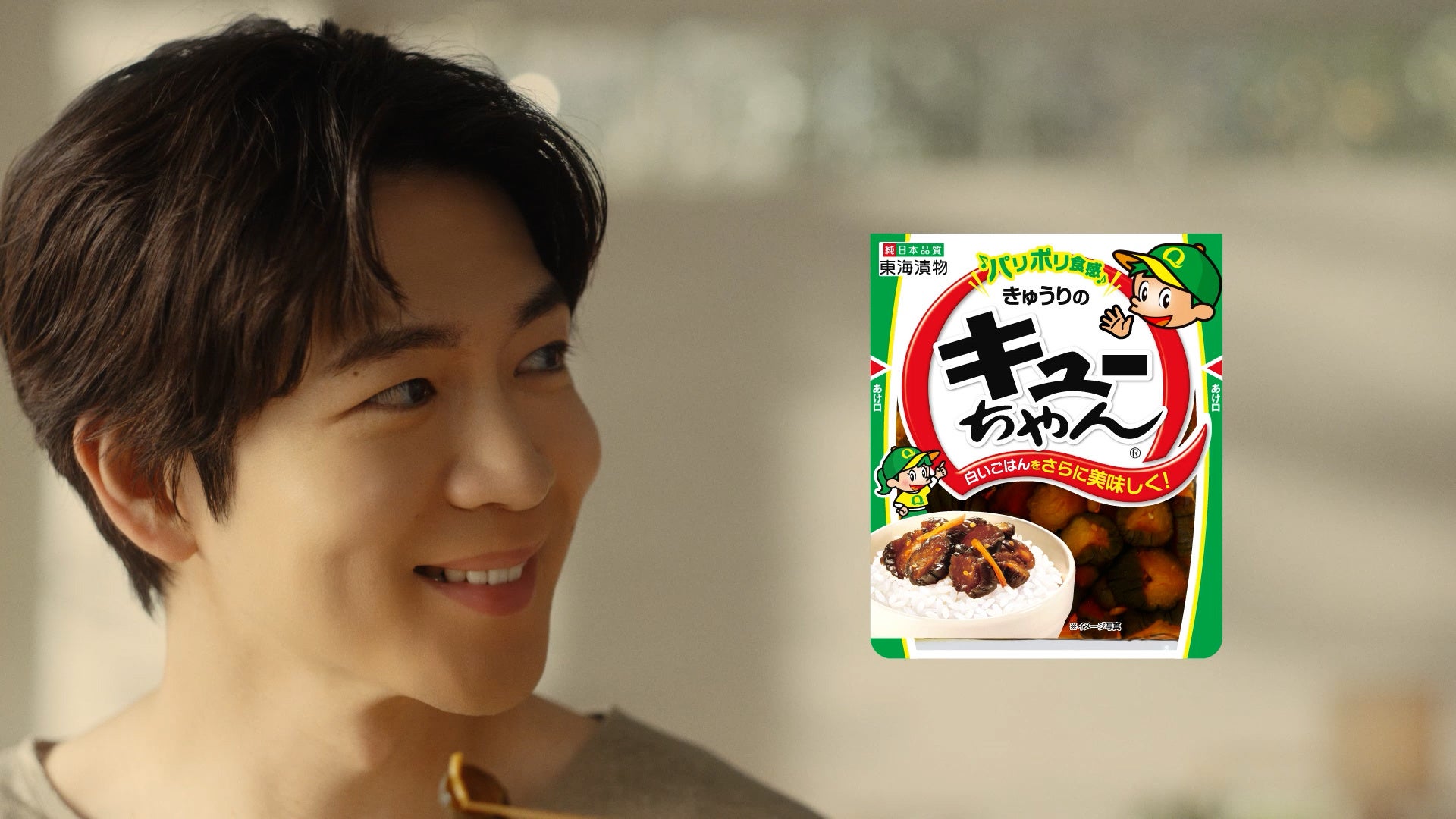
For more than six decades, the dark, glossy, crackling soy-marinated cucumber known across Japan as Kyuri no Q-chan has anchored domestic breakfast trays, bentos, and late-night rice bowls. Originally commercialized in 1962 by Toyohashi-based producer Tokai Tsukemono, the store-bought staple remains an industrial triumph of texture, delivering an acoustic, snap-in-the-jaw crunch that home cooks spent decades failing to duplicate. That dynamic shifted dramatically as domestic culinary creators re-engineered the formula. As detailed in an Excite エキサイト Report covering dietary specialist Tomoyumi and recipe developer Yukari, home recreations have evolved into an exact science of osmotic dehydration and rapid thermal shock.
The renewed obsession comes at a pivotal moment for traditional tsukemono (pickled dishes). In August 2026, Tokai Tsukemono, led by President Yoshichika Oba, launched a nationwide television campaign featuring actor Kouhei Matsushita to demonstrate Q-chan's versatility beyond hot white rice, folding the savoury pickles into creamy Japanese potato salad. Meanwhile, agricultural content creators like Serina and legendary French-trained chef Kiyomi Mikuni have exposed the condiment to new audiences, showcasing how its sweet-sour soy reduction can cut through rich pan-fried sole meunière or transform surplus summer harvests. Recreating commercial-grade Q-chan at home does not require industrial preservatives; it requires an understanding of cellular moisture extraction, precise liquid ratios, and a strict two-minute simmering threshold.
📌 Key Takeaways:
- The Core Mechanism: Achieving the signature "pari-pori" crunch requires aggressive moisture extraction with salt, followed by a brief two-minute thermal simmer that arrests softening enzymes.
- The Golden Ratio: Replicating Tokai Tsukemono's savoury-sweet profile depends on a balanced 4:2:1:1 base of Japanese dark soy sauce, sugar, rice vinegar, and mirin, spiked with sliced fresh ginger.
- Storage and Longevity: Properly drained and submerged in cooled marinade within sterilized airtight glass jars, homemade Q-chan safely keeps in the refrigerator for two to three weeks.
The Cellular Science of Moisture Extraction and Crunch Preservation
Cucumbers consist of roughly 95 percent water. When amateur cooks attempt to simmer fresh cucumbers in soy sauce, thermal energy ruptures the plant's cell walls, leaching internal water into the broth and leaving behind limp, sponge-like rounds. Commercial Q-chan maintains its rigid, brittle snap because its cellular moisture is chemically extracted before the cucumber touches heat.
This process begins with osmotic dehydration. Slicing Japanese cucumbers (or thin-skinned Persian cucumbers) into uniform rounds between 7 and 9 millimeters thick is critical. If sliced too thin, the flesh collapses into a limp paste; if cut too thick, the inner core retains free water that later dilutes the marinade. Tossing these rounds with 2.5 percent of their total weight in fine sea salt forces free water across the semi-permeable cell membranes via osmosis over a 20- to 30-minute rest. Squeezing the salted cucumber coins by hand inside a clean linen cloth extracts up to 25 percent of their raw weight in water, consolidating the pectin matrices inside the cell walls.
The 2-Minute Simmering Technique: Enzyme Arrest and Thermal Shock
The defining innovation of modern home Q-chan recipes, formalized across Japanese culinary networks and domestic news outlets, is the rapid two-minute simmer. The goal of heating is not to cook the cucumber through, but rather to deactivate pectin methylesterase, the plant enzyme responsible for breaking down firm cell structures during storage, while simultaneously opening the outer pores to absorb the seasoning liquid.
The marinade is brought to a rolling boil over medium-high heat before the wrung-out cucumbers and thinly sliced fresh ginger enter the pot. The cucumbers remain in the boiling liquid for exactly 120 seconds. Leaving them in the pot for three minutes permanently degrades the crisp interior; removing them at 90 seconds leaves the core raw and unseasoned. The moment the two-minute timer elapses, the pan leaves the heat source. The cucumbers are strained from the boiling liquid, spread across a wide flat tray, and exposed to a direct fan or an ice-bath chill. This sudden thermal shock halts internal carryover cooking instantly, locking the crisp structural walls in place while the marinade cools separately.
Marinade Architecture: The Balanced Sweet-Savory Glaze
Tokai Tsukemono built its legacy on balancing deep umami with sharp, appetite-stimulating acidity. The base marinade relies on Japanese dark soy sauce (koikuchi), high-grade mirin, unseasoned brewed rice vinegar, and granulated sugar. The vinegar provides both bright preservation notes and an essential counterweight to the soy sauce's rich sodium profile. Sliced fresh ginger cut into razor-thin matchsticks (harishouga) introduces pungent gingerol, which mellows into aromatic shogaol during the brief boil.
| Pickling Style | Liquid Ratios (Soy : Sugar : Vinegar : Mirin) | Thermal Contact Time | Primary Flavor & Bite Profile |
|---|---|---|---|
| Standard Domestic Q-Chan | 4 : 2 : 1 : 1 | 2 minutes rolling boil | High snap, savory soy forward, subtle ginger heat |
| Tokai Tsukemono Commercial Profile | Proprietary hydrolysate base | Controlled continuous vacuum | Uniform deep brown, mild acidity, long-shelf stability |
| Chef Mikuni Acidic Gastronomic Twist | 3 : 1 : 2 : 1 (with lemon zest) | 90 seconds rapid poach | Pronounced tartness suitable for butter sauces and fish |
| Farmer's Low-Sodium Batch | 3 : 2 : 1.5 : 1 (with kombu dashi) | 2 rounds of 1-minute flash dips | Clean vegetal sweetness, softer chew, higher perishability |
The Step-by-Step Kitchen Execution Blueprint
Executing this classic condiment requires strict adherence to ingredient weight rather than volumetric guessing. To prepare a standard home batch producing approximately 450 grams of finished pickles:
Ingredients:
- 500g fresh Japanese cucumbers (substitute mini Persian cucumbers if unavailable)
- 12g coarse sea salt (for moisture extraction)
- 100ml Japanese dark soy sauce
- 50g granulated sugar
- 25ml unseasoned rice vinegar
- 25ml hon-mirin
- 25g fresh ginger, peeled and cut into needle-thin matchsticks
- 1 small dried red chili pepper (togarashi), deseeded and sliced into rounds
Wash the cucumbers thoroughly and dry them with kitchen towels. Slice them into discs approximately 8 millimeters thick. Transfer the slices to a large mixing bowl, toss evenly with the sea salt, and let stand for 25 minutes. A pool of extracted green water will collect in the bowl bottom. Transfer the salted cucumbers to a clean cheesecloth or nut milk bag in small batches and wring out as much water as humanly possible. Do not rinse the cucumbers; the residual surface salt forms an integral component of the final liquid balance.
Combine the soy sauce, sugar, rice vinegar, and mirin in a non-reactive stainless steel saucepan. Bring the mixture to a vigorous boil over medium heat, stirring until the sugar crystals dissolve completely. Add the ginger matchsticks and sliced chili. Drop the drained cucumbers into the boiling liquid. Maintain steady medium-high heat, gently stirring the cucumber slices so they submerge evenly.
Start a timer for exactly two minutes. The liquid will briefly drop in temperature before bubbling back up around the cucumber edges. At the two-minute mark, remove the pan from heat immediately. Pour the contents through a fine-mesh colander positioned over a heatproof bowl to catch the seasoned liquid. Spread the hot cucumbers in a single layer on a wide rimmed metal baking sheet to cool rapidly. Allow the reserved liquid in the bowl to cool to room temperature on the counter.
Once both the cucumbers and the pickling liquid have cooled to room temperature, transfer the vegetables into a clean glass jar. Pour the cooled liquid over the cucumbers until completely submerged. Seal the lid tightly and place the jar in the refrigerator. The cucumbers can be eaten after two hours, but they reach peak flavor and translucency after soaking for 24 hours.
Preservation Chemistry, Refrigerator Shelf Life, and Serving Applications
Because this recipe relies on a reduced water-activity index, elevated salt content, and acidic vinegar rather than pressure-canning sterilization, it is strictly an active refrigerator pickle. In a clean, airtight glass container, homemade Q-chan safely maintains its crisp snap and bacterial stability for two to three weeks between 2°C and 4°C (35°F to 40°F). Always use clean, dry utensils when retrieving slices from the jar to prevent introducing rogue mold spores or ambient yeast into the brine.
Freezing homemade Q-chan is also viable if prepared correctly. Drain the finished pickles of excess liquid, divide them into single-serving portions inside vacuum-seal bags, and freeze them for up to three months. Because cell water was extracted prior to pickling, the ice crystal expansion remains minimal, preserving roughly 85 percent of the original crunch upon slow thawing in the refrigerator overnight.
Beyond functioning as a side dish for steamed short-grain rice, Q-chan's savoury density makes it a versatile culinary tool. Tokai Tsukemono’s 2026 domestic campaign highlighted the textural contrast created by dicing Q-chan directly into creamy potato salad, where the pickles replace traditional raw cucumbers and salt. Professional kitchens use the leftover soy-vinegar marinade as a base glaze for braised pork belly (kakuni), reduce it into an acid component for butter-based pan sauces, or splash it over chilled tofu.
Frequently Asked Questions (FAQ)
Q1: Why did my homemade Q-chan turn soft and rubbery instead of crunchy?
A1: This issue stems from two primary errors: under-salting during moisture extraction or boiling past the two-minute mark. Squeezing out the leached water before cooking is essential; skipping this step boils the cucumber in its own internal water, cooking the flesh rather than infusing it. Simmering longer than two minutes breaks down cell wall pectins irreversibly.
Q2: Can I substitute standard Western slicing cucumbers or English cucumbers?
A2: Standard American slicing cucumbers contain watery seed cavities and thick, waxy skins that yield mushy pickles. English cucumbers can work if you slice them in half lengthwise and scrape out the wet, seedy core with a spoon before slicing. Mini Persian cucumbers are the ideal substitute for Japanese varieties due to their dense flesh, low seed count, and thin skins.
Q3: Can I reuse the leftover soy pickling liquid for another batch of cucumbers?
A3: Reusing the liquid directly for a second batch is not recommended without adjustment. Even after squeezing, cucumbers release residual moisture into the brine during storage, diluting the acidity and sodium levels below safe preservation standards. Instead, use the leftover liquid as a dipping sauce for gyoza, a marinade for soft-boiled ramen eggs, or a glaze for stir-fried chicken.
Mastering the Modern Countertop Pickle
The endurance of *Kyuri no Q-chan* across Japanese culinary culture proves that commercial processed foods can spark meaningful home kitchen innovation. By stripping away industrial stabilizers and focusing on basic food physics, osmotic pressure, enzyme denaturation, and rapid cooling, home cooks can reliably turn surplus produce into an addictive, crackling side dish. Recreating the iconic condiment at home offers complete control over sugar levels, soy varietals, and spice profiles while honouring a textural classic that continues to define Japanese home cooking.
