Microwave vs. Air Drying: Side-by-Side Test on Candied Citrus Peels
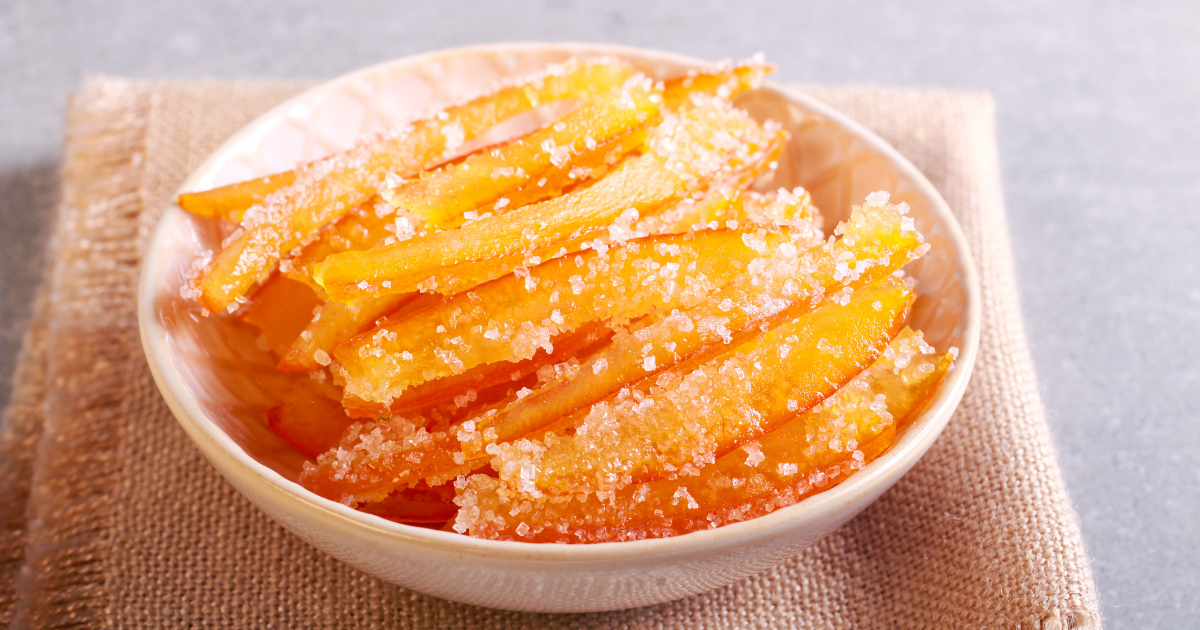
Confectioners have long treated candied citrus peels as an exercise in forced patience. Traditional recipes demand days of simmering, cooling, and dehydrating before a peel reaches the firm, slightly tacky state required for dipping into tempered chocolate. When culinary lifestyle coverage from outlets like the elthaエルザ Report spotlighted orangettes as an elegant, adult confection prized for pairing with wine, brandy, and coffee, home cooks encountered the traditional bottleneck: standard ambient evaporation takes anywhere from 24 to 48 hours.
To bypass that waiting period, bakers across online confectionery communities frequently turn to quick-drying shortcuts. The most polarizing technique involves the domestic microwave. Proponents claim short bursts of radiation can expel moisture in minutes without destroying structural integrity. Skeptics argue that microwave heating overheats concentrated sucrose, producing burnt, rubbery rinds with zero chocolate adhesion. We ran a controlled, side-by-side trial pitting microwave dehydration against conventional ambient air drying to determine what happens to texture, translucency, and chocolate binding.
💡 At a Glance:
- The Direct Result: Controlled low-wattage microwave cycles cut drying intervals from 36 hours down to roughly 8 minutes, but require tight moisture vigilance to prevent sugar scorching.
- Structural Impact: Air-dried peels retain superior stained-glass translucency and tender bite, whereas microwaved strips yield a slightly firmer, leather-like core.
- Chocolate Performance: Peels dried rapidly via microwave offer exceptional chocolate shell adhesion, avoiding the internal moisture bleed that commonly causes chocolate bloom.
The Science of Preserving Peel Texture and Removing Bitterness
Achieving a pliable candied peel requires managing the cellular structure of the pericarp. Citrus rind contains two layers: the external flavedo, rich in aromatic essential oils, and the spongy internal albedo, which holds bitter limonoids and naringin. Skipping preliminary water blanching leaves the albedo unpleasantly bitter and prevents sugar absorption.
Our test batch used organic navel oranges sliced to an exact thickness of 5 millimeters. We submerged the peels in cold water, brought them to a rolling boil for 3 minutes, drained them, and repeated the process three consecutive times. This sugar syrup blanching technique removes citrus pith bitterness while softening cell walls so sucrose can replace intercellular water.
Once blanched, the peels simmered in a 1:1 simple syrup held between 220°F and 222°F (104°C, 106°C) for 45 minutes until saturated. A splash of glucose syrup prevented sugar crystallization, keeping the syrup glossy and clear. From this single baseline batch, half the yield moved to a stainless-steel wire rack, and the remaining half was prepared for microwave dehydration.
The Side-by-Side Test: Microwave Protocol vs. Ambient Wire Rack
Ambient drying relies on slow room-temperature evaporation. We placed our control batch on an elevated wire rack in a room maintained at 68°F (20°C) with 42% relative humidity. Reaching a pliable, non-sticky surface took 36 hours. The strips retained their vivid orange hue and developed a flexible, jelly-like center.
For the active trial, we tested the parchment paper microwave method. Microwaving sugar-dense materials carries real combustion risks because sucrose heats far faster than water. High continuous power chars the sugar within 45 seconds.
Our test established a safe threshold using short, lower-power cycles:
- Line a flat, microwave-safe ceramic plate with unbleached parchment paper. Arrange strips in a single layer with at least 1 centimeter of clearance between them to prevent pooling syrup from welding them together.
- Set the appliance to 500 watts (or 50% power on standard 1000-watt domestic units).
- Run for 60 seconds, open the door to vent steam, and let the peels sit for 30 seconds.
- Flip the strips onto dry areas of parchment paper. Run an additional 45 seconds at 500 watts.
- Transfer the hot peels to a wire cooling rack. Within 6 to 8 minutes, residual heat drives off lingering surface dampness, and the cooling sucrose solidifies into a tacky finish.
Direct Comparison: Metrics, Texture, and Time Investment
The contrast between both methods centers on how water escapes the cell structure. Ambient dehydration draws moisture gradually outward, leaving cell structures intact. Microwaves heat water molecules from within, forcing moisture rapidly out of the albedo.
| Metric / Characteristic | Standard Air Drying (Rack) | Microwave Drying (500W Bursts) |
|---|---|---|
| Total Processing Time | 24, 48 hours | 7, 10 minutes total |
| Visual Translucency | Bright, uniform, jewel-like amber | Slightly darker amber, matte edges |
| Internal Texture & Bite | Soft, gelatinous, tender give | Chewy, dense, slight candied snap |
| Surface Tackiness | Slightly moist, requires sugar roll | Dry, matte, instantly handling-safe |
| Chocolate Adhesion Score | Good (moisture can cause slippage) | Exceptional (dry skin anchors temper) |
| Risk of Batch Ruin | Extremely Low (dust exposure only) | Moderate to High (requires vigilance) |
Orangette Chocolate Dipping and Moisture Level Control
The primary failure point when making orangettes is surface moisture. If a candied peel retains wet syrup on its exterior, the moisture interferes with tempered dark chocolate. Water repels cocoa butter, creating hollow air pockets, dull surfaces, or sugar bloom that ruins the shell within 48 hours.
Here, microwave dehydration offers a clear mechanical advantage. The rapid burst of heat produces a skin that is dry to the touch within minutes of cooling. When dipped into 64% dark chocolate tempered to 88°F (31°C), the chocolate bonded cleanly to the microwaved peels. The shell set with a high-gloss snap and stayed firmly attached through cross-section slicing.
Air-dried peels dipped after 24 hours still released tiny moisture pockets along the cut edges. These micro-droplets compromised the chocolate coating in two out of ten test samples. To achieve comparable adhesion without a microwave, air-dried strips require at least 36 full hours on a drying rack, followed by an optional dusting of fine granulated sugar.
Shelf Life Dynamics and Quality Breakdown
Water activity ($a_w$) dictates candied orange peel shelf life. Microorganisms require unbound water to multiply. High sucrose concentrations bind free moisture, preserving properly processed peels for months at room temperature.
Air-dried peels retain higher internal moisture levels. When packed in airtight glass jars, they keep for 4 to 6 months, provided storage temps stay under 65°F (18°C). Stored in humid environments, however, their residual moisture can weep, dissolving exterior sugar coatings into a sticky mess.
Microwave-dried peels lose more total water weight during processing, yielding a slightly lower internal moisture profile. When stored in an airtight container away from direct sunlight, plain microwaved strips keep for 6 to 8 months. Once coated in tempered chocolate, both variations should be eaten within 4 to 6 weeks. Chocolate cannot prevent gradual moisture migration between the rind and the coating over longer periods.
When to Microwave Peels and When to Walk Away
The microwave technique is an effective kitchen shortcut, but it does not suit every confectionery project. Selecting the right method depends on your timeline and priorities:
Choose the Microwave Technique If:
- You need to dip orangettes on the same day for an event, gift box, or dessert garnish.
- You prefer a firm, chewy candy texture over a soft, melting center.
- You work in a high-humidity kitchen where air drying stalls or leaves syrup weeping.
- You are processing a small yield of one or two oranges and do not want counter space tied up by drying racks.
Stick to Standard Air Drying If:
- You want clear, translucent presentation pieces for high-end patisserie displays.
- You want a soft, yielding bite that breaks cleanly under minimal tooth pressure.
- You are candying thick rinds like pomelo, grapefruit, or citron, which dry unevenly in a microwave and burn at the edges before the center dries.
- You are preparing large holiday batches where running dozens of separate microwave cycles is inefficient.
Frequently Asked Questions
Can I use high power to dry candied orange peels faster?
No. High power burns the peel within 30 to 45 seconds. The high sugar concentration creates intense thermal hotspots that smoke, blacken the albedo, and ruin the batch. Stick to 500 watts or 50% power, using intervals no longer than 60 seconds.
Why did my orange peels turn rock-hard after microwaving?
They were overheated. Sugar hardens as it cools; peels that feel slightly soft while warm will firm up once they reach room temperature. If they leave the microwave already hard, they have lost too much water and reached the hard-crack confectionery stage. Remove them while they remain flexible.
Can I dry raw, unsugared orange peel in the microwave for zest or tea?
Yes. Raw rinds lack concentrated sucrose, eliminating the scorch risks common to candied fruit. Spread thin, unsugared zest across a paper towel and run at full power in 30-second pulses for 2 to 3 minutes until brittle and ready for grinding.
Matching Your Dehydration Method to Your Kitchen Timeline
Microwave dehydration turns out to be a reliable confectionery technique rather than a reckless shortcut, provided you manage power levels and heating times with care. For quick, same-day orangette production, the microwave method safely removes moisture that would otherwise compromise a tempered chocolate coat, shrinking a multi-day timeline down to an afternoon.
When absolute translucency and a delicate, melting bite are the priority, the traditional wire rack remains the standard. Understanding the trade-offs between rapid internal moisture loss and slow ambient evaporation lets you choose the right approach for your schedule, whether you have twenty-four hours to spare or need a finished dessert on the table tonight.
