Mito Komon Part 25 Fact Check: Cast Transitions and Show History
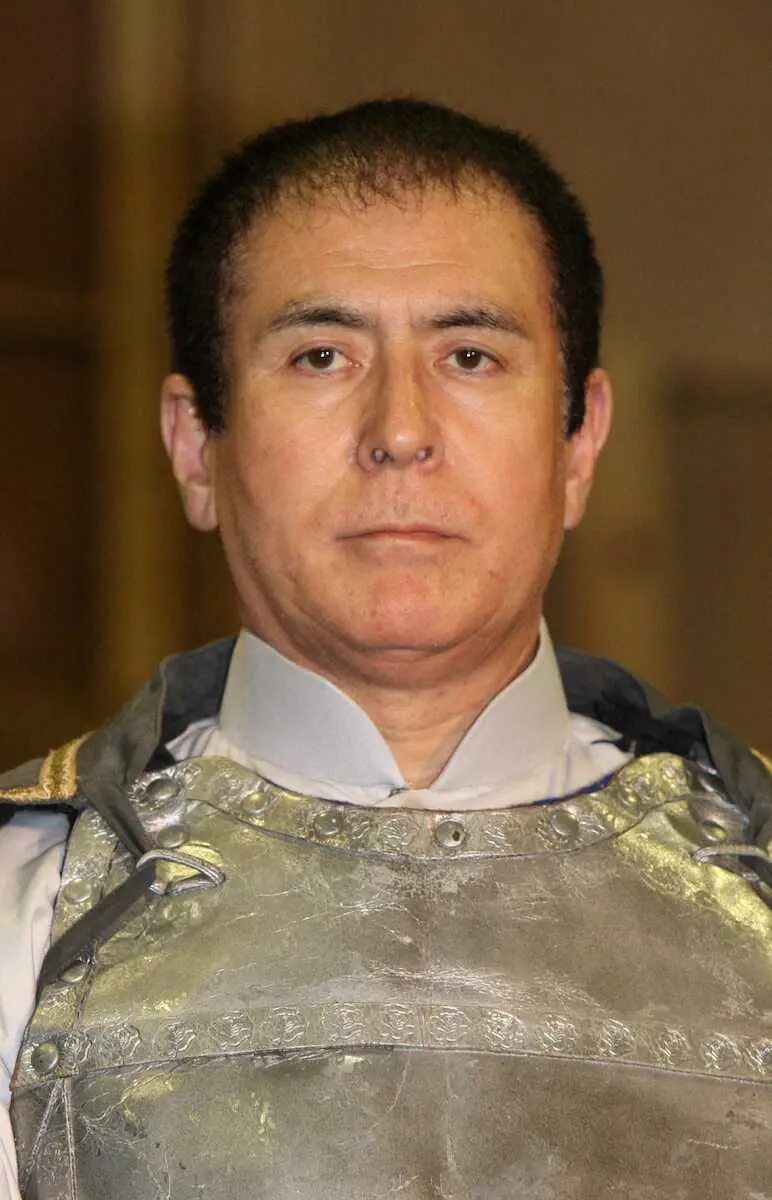
When the 25th season of the TBS Jidaigeki drama Mito Komon premiered in late December 1996, Japanese primetime television was undergoing a seismic generational shift. Modern urban melodramas and variety formats were claiming peak evening hours, yet producer C.A.L held firm to a ritualistic, thirty-year formula. Filmed in Kyoto, Part 25 ran for a marathon 43 episodes through October 1997, marking the mature apex of Asao Sano's tenure as the titular retired vice-shogun. As veteran co-star Goro Ibuki shared during a retrospective on BS12, recounted in a Sports Nippon Report, the production demands of maintaining this Edo-period traveling court required relentless physical stamina and strict adherence to historical stagecraft.
For audiences tuning in at 8:00 PM every Monday, Part 25 represented comfort food in an era of rapid social change. The broadcast maintained ratings above 20 percent, driven by a finely tuned ensemble that had solved the challenge of surviving recastings. Sano's grandfatherly demeanor offered a stark counterpoint to the stern moral authority of his predecessors, providing a warmer canvas for the show's trademark martial choreography and high-stakes regional espionage.
📌 Key Takeaways:
- Production Scale: Part 25 spanned 43 episodes between December 1996 and October 1997, representing one of the longest continuous single-season runs in the franchise's 42-year prime-time run.
- The Ensemble Balance: Asao Sano anchored the series alongside long-running pillars Goro Ibuki as Kaku-san and Kaoru Yumi as Kagero Ogin, balancing established studio choreography with an approachable dramatic tone.
- Generational Evolution: The production served as a bridge between the classic Toei-trained generation and the modern television era, preserving classic samurai cinema techniques well into the late 1990s.
The Mid-Nineties Milestone for C.A.L's Monday Night Powerhouse
By the time Part 25 entered pre-production at Toei Kyoto Studio in the autumn of 1996, Mito Komon was an undisputed pillar of Japanese popular culture. Sponsored by the Matsushita Electric Industrial group (Panasonic) under the prestigious National Gekijo programming banner, the series had already surpassed 700 total episodes. The longevity brought unique operational challenges. Crafting 43 unique feudal domains, corrupt magistrates, and downtrodden merchant families across a single production year demanded unprecedented narrative endurance from chief scriptwriters like Shunsuke Miyagawa and his team.
The core narrative engine of the Mito Mitsukuni wanderings remained intentionally unalterable. Lord Mitsukuni, traveling in disguise as the elderly merchant "Chirimen Ton'ya Mitsuemon," enters a domain afflicted by corruption, exposes the regional conspiracy, and unleashes his samurai retainers to disarm the villains before revealing his true identity. In Part 25, the writers leaned into deeper regional socio-economic textures. Rather than simple samurai skirmishes, plots frequently centered around the struggles of textile weavers, salt traders, and coastal fishermen navigating oppressive Tokugawa-era monopolists.
Asao Sano's Humanity and the Shifting Retainer Dynamic
Taking over the lead role in Part 22 following the death of Eijiro Tono and the departure of Koutaro Nishimura, Asao Sano delivered an interpretation that re-energized the production. Tono had played Mitsukuni with an earthy, thunderous peasant-like laugh, while Nishimura brought aristocratic, razor-sharp discipline. Sano introduced a deliberate, gentle grandfatherly warmth. In Part 25, Sano's Mitsukuni frequently spent the opening twenty minutes of an episode quietly helping local farmers with chores or listening patiently to orphans, making the character noticeably more approachable to 1990s family audiences.
This softer center required physical ballast from the two primary samurai bodyguards: Sasaki Sukesaburo (Suke-san) and Atsumi Kakunoshin (Kaku-san). Teruhiko Aoi held the mantle of Suke-san throughout Part 25, delivering swift swordplay and serving as the romantic, handsome rescuer. Balancing him was Goro Ibuki as Kaku-san, whose muscular frame and booming baritone gave the climax its structural weight. Ibuki had occupied the role since 1983 (Part 14), providing vital institutional continuity during Sano's cast leadership transition.
Broadcast Timelines and Cast Tenures Across Five Decades
Understanding where Part 25 fits within the longest-running Japanese TV series requires tracing the macro transitions that kept the franchise alive across forty-two seasons on network television.
| Production Era | Lead (Mitsukuni) | Key Retainers & Ensembles | Historical Context |
|---|---|---|---|
| Part 1, 13 (1969, 1983) | Eijiro Tono | Kotaro Satomi (Suke-san, P3, 17), Ryuji Oki (Kaku-san) | Established theatrical peak ratings, frequently topping 30% to 40% nationwide. |
| Part 14, 21 (1983, 1992) | Koutaro Nishimura | Goro Ibuki (Kaku-san), Teruhiko Aoi (Suke-san, P18+), Kaoru Yumi (P16+) | Modernized fighting scenes; introduced ninja Kagero Ogin as a permanent regular. |
| Part 22, 28 (1993, 2000) | Asao Sano | Teruhiko Aoi (Suke-san), Goro Ibuki (Kaku-san), Kaoru Yumi (Ogin) | Peak ensemble stability; Part 25 served as the 43-episode centerpiece of Sano's era. |
| Part 29, 30 (2001, 2002) | Koji Ishizaka | Yuji Kishimoto (Suke-san), Takayuki Yamada (Kaku-san) | Radical visual overhaul; famously featured a beardless Mitsukuni to match real history. |
| Part 31, 43 (2002, 2011) | Kotaro Satomi | Katsuhiko Harada, Mikihisa Azuma, Kaoru Yumi (retired in 2010) | Final regular television run; Satomi completed the transition from retainer to Lord. |
The Ritual Mechanics of the Inro Climax and Kagero Ogin
By the time Part 25 was in production, the episodic choreography of Mito Komon had achieved mathematical precision. At precisely the 45-minute mark of the broadcast hour, the villainous retainers drew their blades. A two-minute duel ensued where Suke-san and Kaku-san fought using the blunted reverse sides of their blades (*muneuchi*), ensuring zero bloodshed before their lord.
Then arrived the mandatory climax. Goro Ibuki, stepping into the center of the hall, would present the black lacquer *inro* adorned with the three-leaf Tokugawa hollyhock crest. His roar, demanding that corrupt officials bow down (*"Hikae, hikae! Kono mondokoro ga me ni hairanu ka!"*), was not merely a line of dialogue. It was the series' dramatic release valve. Ibuki later revealed in studio interviews that holding the small lacquer box completely steady under blazing studio lights while delivering an ear-splitting command required immense forearm control, as even a minor tremor would shatter the illusion of imperial authority.
Parallel to the legal authority of the retainers was the ninja operative Kagero Ogin, portrayed by Kaoru Yumi. Introduced in Part 16, Ogin handled covert infiltration, rooftop espionage, and decisive kunai-throwing interventions during scuffles. Part 25 further cemented her famous onsen bathhouse reconnaissance scenes, which became an indelible cultural signature of the series. Yumi performed many of her own acrobatic stunts, balancing the formal period gravity with kinetic energy.
From Retainer to Shogun: Satomi's Ultimate Legacy
While Teruhiko Aoi held the dual swords in Part 25, the spirit of Kotaro Satomi loomed over every sword strike. Satomi had defined the character of Suke-san across roughly 450 episodes between 1971 and 1988, establishing the gold standard for dashing, gallant swordplay in postwar Japanese television. Fans who tuned into Part 25 frequently wrote letters comparing Aoi's disciplined posture with Satomi's earlier swashbuckling cadence.
Satomi would eventually achieve the ultimate franchise promotion, stepping into the title role of Mito Mitsukuni himself in 2002 for Part 31. When the franchise returned for a historic primetime reunion special years later, Satomi remarked on the emotional weight of stepping into those white robes, reflecting that returning to the Kyoto set felt like returning home. As long-term fans recognized, his career mirrored the entire structural lifespan of the Edo drama genre, starting as the young loyal retainer and graduating to the wise protector of commoners.
The cultural persistence of this narrative continues in contemporary theatrical adaptations. In May 2026, CS satellite network Eisei Gekijo scheduled prime broadcast slots for the classical kabuki staging of Mito Komon Sanuki Man'yuhen, starring seasoned actor Bando Yajuro. This cross-medium adaptation demonstrates that the structural appetite for the lord's wanderings remains intact decades after the weekly television series concluded its original run.
Frequently Asked Questions (FAQ)
Q1: Why is Part 25 considered unique compared to other seasons of Mito Komon?
Part 25, broadcast between December 1996 and October 1997, was the longest single season during Asao Sano's reign as the third Mitsukuni. Comprising 43 episodes, it achieved exceptional ratings stability during a transitional decade for television, showcasing the fully matured chemistry between Sano, Goro Ibuki (Kaku-san), Teruhiko Aoi (Suke-san), and Kaoru Yumi (Kagero Ogin).
Q2: Did Kotaro Satomi appear in Part 25?
No, Kotaro Satomi did not appear in Part 25. He portrayed Suke-san from Part 3 (1971) through Part 17 (1988). Teruhiko Aoi portrayed Suke-san during Part 25. Satomi later returned to the franchise in 2002 to star as the fifth Mito Mitsukuni in Part 31 through Part 43.
Q3: Who was responsible for producing Part 25?
The series was produced through a long-standing partnership between TBS (Tokyo Broadcasting System) and production company C.A.L, filmed on the historic backlots of Toei Studios in Kyoto, and fully sponsored under the Panasonic (National) Drama Theater imprint.
Preserving the Kyoto Studio System
Part 25 stands as an essential artifact from the final golden age of large-scale studio jidaigeki. Filmed completely on physical sets in Kyoto using veteran Toei sword-fight choreographers, carpenters, and lighting masters, the 43-episode run demonstrated how classic theatrical conventions could thrive in modern commercial television. Sano’s warm leadership combined with the physical power of Goro Ibuki created an enduring balance between moral authority and family entertainment.
The legacy of this run lies not in revolutionary storytelling, but in structural mastery. By refining the iconic inro reveal, investing in regional historical detail, and executing flawless practical action week after week, Part 25 proved that a predictable ending is often the most satisfying television of all.
