Morning Water Spray Myth: Why Hair Mist Alone Won't Fix Stubborn Cowlicks
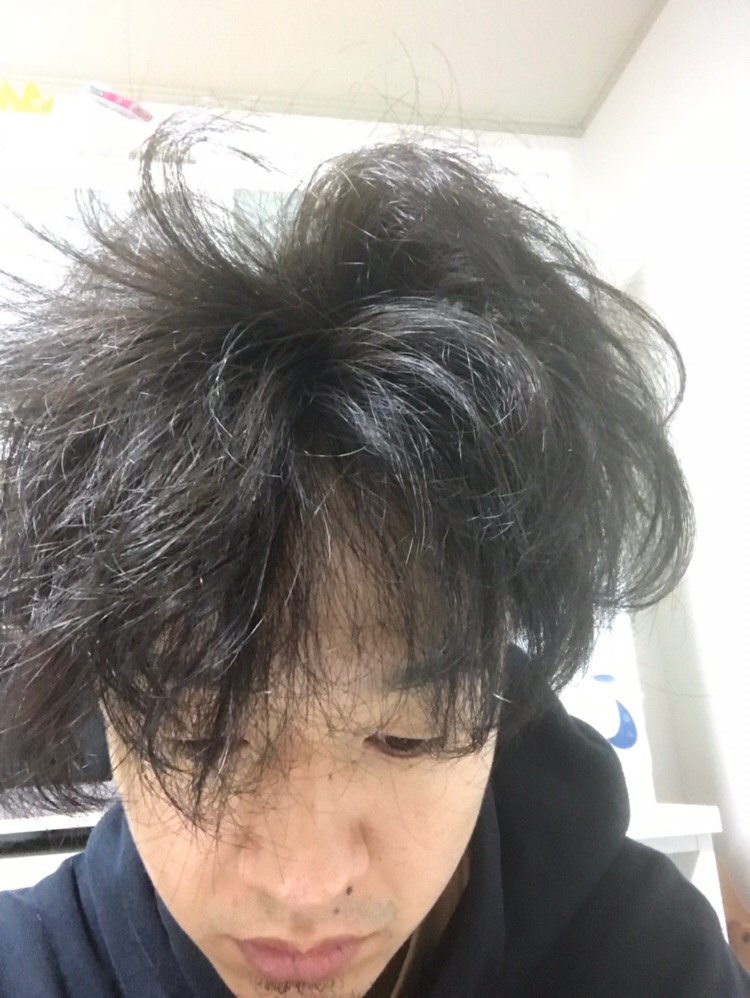
Every morning, millions of men step in front of the bathroom mirror, stare down a rogue patch of hair flaring sideways, and reach instinctively for the faucet. They splash cold tap water across the tuft, vigorously paste it down with a towel or palm, and apply pomade over the damp clump. Ten minutes later, as the moisture evaporates during the morning commute, the flare returns with identical stubbornness. The hair did not cooperate because surface wetting treats the symptom while ignoring the molecular architecture beneath the scalp.
Bedhead is not an aesthetic accident caused by bad luck during sleep. It is a precise physical state governed by keratin chemistry, nocturnal pressure, and moisture evaporation. Breaking that cycle requires understanding how hair fibers lock into place overnight, why cold misting fails, and how a targeted two-minute heat adjustment eliminates morning frustration permanently.
📌 Key Takeaways:
- The Hydrogen Bond Reality: Cold water applied to surface hair leaves roots completely dry, failing to disrupt the temporary chemical bonds that dictate hair direction.
- The Nocturnal Moisture Trap: Sleeping with damp hair forces individual strands to set under the weight of the head as body heat dries the root into deformed angles.
- The Root Heat Solution: True correction requires dampening the root bulb and applying directed heat for ninety seconds, followed by five seconds of cold air to set the cuticle.
The Biomechanics of Hydrogen Bonds and Morning Cowlicks
Human hair relies on two primary types of structural connections: permanent disulfide bonds, which determine whether hair is naturally straight, wavy, or curly, and temporary hydrogen bonds. Hydrogen bonds break easily in the presence of water and reform as hair dries. When an individual sleeps, the moisture leaving the scalp interacts with the surrounding air, sweat, and fabric.
If hair rests against a pillow in an unnatural position while drying, those hydrogen bonds reset in that distorted orientation. By the time the alarm goes off, the hair fiber is locked rigidly sideways or upright. A quick surface splash of water from a spray bottle merely dampens the outer hair shaft. The root, tucked half a millimeter beneath the scalp's surface tension, remains bone-dry and locked in its bedhead configuration. As soon as the surface water dries, the root snaps the entire strand back to its distorted position.
Overcoming a stubborn cowlick treatment requires penetrating the root itself. When water fails to hit the follicle base, no amount of heavy styling clay or matte paste will keep the hair down. The paste simply adds weight to an already destabilized structure, creating greasy, clumped patches that separate by midday.
The Two-Minute Heat Reset: Targeting Roots Over Strands
Fixing warped hair requires resetting hydrogen bonds hair fibers rely on at the scalp level. The entire corrective sequence takes less than two minutes once the physical mechanics are clear.
First, pinpoint the epicenter of the flare-up. Rather than wetting the top of the hair, run warm water over two fingers and work them directly down to the skin at the base of the cowlick. The root must be completely saturated, while the ends can remain relatively dry. This selective wetting immediately releases the locked hydrogen bonds.
Second, employ a focused blow drying hair roots strategy. Set a standard hair dryer to medium heat and medium airflow. Use the fingers of your free hand to pull the hair firmly in the opposite direction of the cowlick, holding tension for five seconds while applying airflow directly to the scalp. Then, sweep the hair back toward its intended growth path. This tension-drying forces the keratin matrix to reorganize along the natural contour of the cranium.
Finally, activate the hair dryer’s cool-shot button. Five to ten seconds of unheated air instantly cools the keratin structure, locking the newly aligned hydrogen bonds into place. Skipping this cold-air step leaves the bonds pliable, making them prone to collapsing as ambient humidity shifts.
Evaluating Morning Fixes Against Nighttime Prevention
Preventing bedhead men struggle with requires evaluating whether daytime interventions match the physical reality of the hair shaft. Relying solely on morning correction wastes valuable time, whereas targeted evening prep minimizes structural deformation before it starts.
| Method / Strategy | Root Penetration | Morning Time Cost | Structural Hold Stability |
|---|---|---|---|
| Cold Water Surface Mist | Under 15% (Shaft only) | 8, 12 minutes (Recurring loops) | Fails within 30 minutes; causes midday frizz |
| Directional Root Heat Reset | 100% (Direct follicle release) | 2, 3 minutes total | Permanent until next wash or sleep cycle |
| Pre-Sleep Directional Blow-Dry | Preventive (Bonds set flat) | 0, 1 minute (Minor brush) | Eliminates 85% of morning structural bends |
| Standard Cotton Pillowcase | Negative (Absorbs moisture) | High daily variability | High friction pulls strands at uneven angles |
| Mulberry Silk / Satin Pillowcase | Neutral (Preserves natural oils) | Cuts styling time by half | Maintains hair cuticle moisture balance |
Nighttime Hair Routine for Guys: Ending Bedhead Before Bed
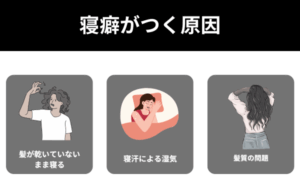
Sleeping with damp hair represents the single largest contributor to morning grooming disasters. When you exit an evening shower, towel-dry your hair, and head straight to bed, your hair retains roughly 30% to 40% internal moisture. As your head rests against the pillow, the weight of your skull, roughly eight to eleven pounds, crushes the damp strands flat against the mattress.
Over the course of six to eight hours, body warmth evaporates that moisture trapped between the scalp and the pillow. The hydrogen bonds lock into whatever compressed, warped shapes were dictated by your sleep position. By morning, those bends are deeply set into dry hair.
Establishing an effective nighttime hair routine for guys begins with ninety seconds at the sink. Use a scalp direction drying technique before your head touches down. Turn the hair dryer to a low-heat setting, blow down from the crown toward the forehead, and follow the natural swirl of your hair whorl. Ensuring the scalp is 100% dry prevents involuntary overnight bond formation. This single habit acts as an indispensable morning styling time saver.
Friction, Cuticles, and Bedding Science
Even with completely dry hair, mechanical friction creates morning chaos. Standard cotton pillowcases act like microscopic sandpaper against the hair cuticle. Cotton is an extraordinarily porous plant fiber that pulls moisture and sebum out of hair strands overnight, leaving them dry, brittle, and prone to static cling.
As you toss and turn, cotton fibers snag individual cuticles, roughing up the exterior shield of the hair shaft. This mechanical disturbance is known as silk pillowcase hair friction disparity. Upgrading to a 22-momme mulberry silk pillowcase or a high-grade satin weave dramatically alters this environment. Silk provides a frictionless surface where strands slide effortlessly without snagging or buckling.
For men with textured, curly, or slightly longer hair on top, a night cap short hair design or a silk sleep beanie provides an added layer of security. Enclosing the hair entirely eliminates external pressure variations, keeping the root direction fixed throughout eight hours of restless movement.
Optimizing the Anti-Bedhead Product Stack
Mechanical techniques yield better results when supported by minimal, chemistry-backed styling aids. Heavy waxes and clays belong exclusively to morning styling; using them before bed merely clogs follicles and creates sticky friction points on pillowcases.
Instead, a lightweight leave-in conditioner for men applied sparingly after an evening shower works wonders on coarse or stubborn hair. Look for formulas containing water-soluble silicones or hydrolyzed silk proteins. These ingredients coat the cuticle, locking in baseline hydration without leaving greasy residues. Balanced hydration prevents hair fibers from aggressively absorbing atmospheric moisture during sleep, which is the primary cause of humidity-induced morning frizz.
If you wake up with a mild cowlick despite preventive measures, a thermal prep spray applied directly to the root before the two-minute heat reset protects the hair shaft from repeated dryer exposure while speeding up bond realignment.
Frequently Asked Questions (FAQ)
Q1: Why does spraying cold water on my cowlick make it stick out worse once dry?
A1: Cold water fails to penetrate the scalp surface tension to reach the root bulb where the bend originates. It moistens only the external hair shaft, weighing it down temporarily. As that surface water evaporates, the still-deformed, dry root pulls the hair straight back into its warped bedhead alignment, often flaring more due to disrupted cuticles.
Q2: Does short hair really benefit from a silk pillowcase, or is that only for long hair?
A2: Short hair benefits significantly. Because short hair lacks the tensile weight that naturally pulls longer strands downward, it is far more sensitive to fabric friction and static. A silk pillowcase prevents short side and crown hairs from catching on cotton loops and bending horizontally overnight.
Q3: Will blow-drying my hair every night cause noticeable heat damage?
A3: Not if done correctly. Drying short hair before bed requires only 60 to 90 seconds on medium heat while keeping the nozzle six inches from the scalp. Damage occurs during prolonged, high-heat styling on soaking-wet hair. Brief, low-heat directional drying simply removes moisture to stabilize hydrogen bonds safely.
Building a Frictionless Morning Grooming Routine
Persistent bedhead is not a grooming reality you have to accept. It is the predictable outcome of sleeping on damp roots, exposing fragile cuticles to coarse fabrics, and applying cold water where focused heat is required. The human hair follicle responds directly to physics and thermal manipulation, not wishful morning towel-rubbing.
Shifting your attention from reactive morning fixes to three minutes of evening preparation fundamentally changes your morning routine. Completely drying your roots before bed, sleeping on low-friction fabrics, and applying targeted directional heat when cowlicks do appear will recover ten minutes of your morning routine while keeping your hairstyle sharp all day long.
