Nagoya Sweets & Cafe College Complete Guide: Real Menus, Internships, and Admissions
Culinary education in Japan has spent decades anchored to simulated kitchen drills, where students bake for grading rubrics rather than paying customers. Nagoya Sweets & Cafe College, an anchor institution within the nationwide network of Sanko Gakuen vocational schools, is pushing a different operational model. Rather than confining technique to closed campus kitchens, the school embeds student production directly into regional commercial spaces and international diplomatic programs, establishing actual market viability as its primary benchmark.
That shift showed clear commercial results in late 2026. Students engineered a regional menu rollout featuring agricultural cooperatives alongside high-level technical seminars organized with the Italian Trade Agency (ICE Tokyo) during the 11th World Italian Cuisine Week, as detailed in an official PR TIMES Report. For prospective pastry chefs, cafe managers, and hospitality entrepreneurs weighing vocational training in the Chubu region, understanding the mechanics of these programs, the exact tuition structure, and post-graduation employment rates determines whether this intensive pathway yields a genuine return on investment.
📌 Key Takeaways:
- Commercial Deployment: Students launch retail-ready items into major commercial corridors, highlighted by an autumn partnership with JA Zen-Noh Gifu and Minoru Dining Nagoya.
- Diplomatic Credentials: Sanko Gakuen integrates international masterclasses directly into practical coursework through tie-ins with the Italian Trade Agency.
- Financial Reality: Total tuition ranges between ¥2.3M and ¥2.8M across two years, requiring careful balance against initial starting wages in commercial pastry.
Farm-to-Table in Practice: The Minoru Dining and JA Zen-Noh Gifu Rollout
Culinary students rarely face real retail balance sheets before graduation. Nagoya Sweets & Cafe College bypassed this divide by running a live commercial sales window from September 14 to September 27, 2026, inside Minoru Dining Nagoya, situated directly in the high-foot-traffic Meieki commercial hub. Working in direct cooperation with JA Zen-Noh Gifu, the student cohort designed, pitched, and produced an autumn menu highlighting regional agricultural outputs from Gifu Prefecture.
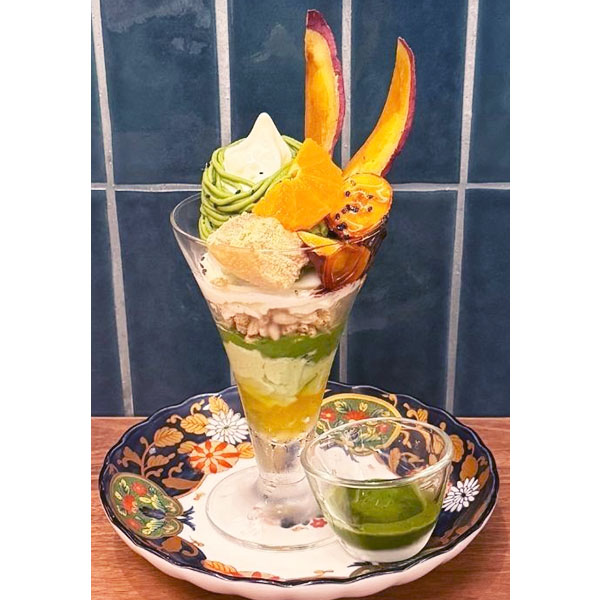
The centerpiece dish, titled the "Hokkuri Mino Ibi Matcha and Dried Sweet Potato Parfait," paired roasted chestnuts and dried sweet potatoes with certified Mino Ibi matcha sourced from Ibigawa Town. Creating the dessert required balancing delicate tea astringency with starchy autumn sweets, all while meeting commercial food cost targets and portion consistency standards. Minoru Dining's kitchen line served this menu directly to paying commuters, confronting students with production bottlenecks, service timing, and ingredient margin controls that classroom environments simply cannot replicate.
Global Techniques Meet Regional Kitchens via the Italian Trade Agency
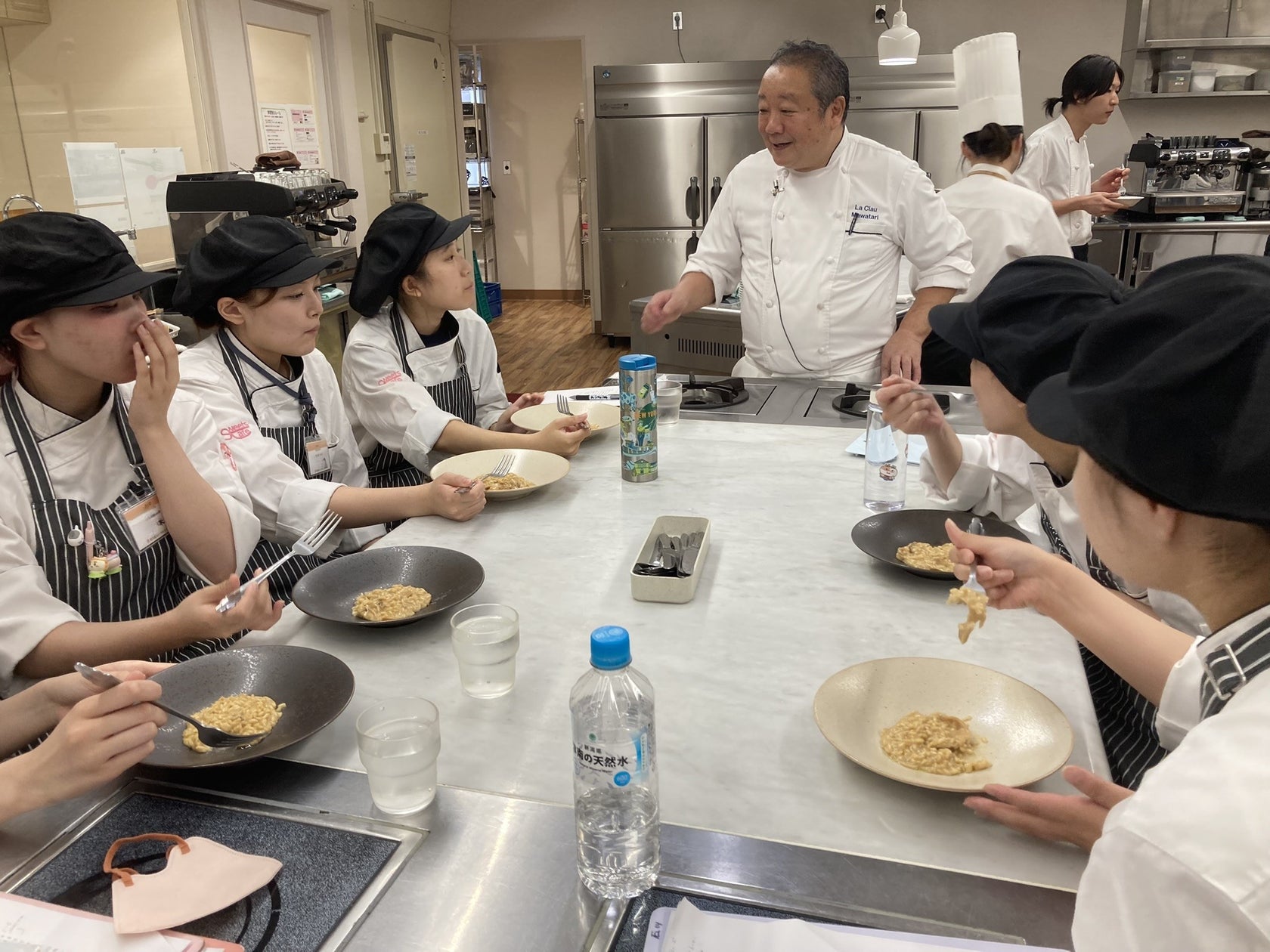
Technical training at the Nagoya campus is not limited to domestic Japanese confectionery standards. Under the banner of the 11th World Italian Cuisine Week (Settimana della Cucina Italiana nel Mondo), parent organization Sanko Gakuen partnered with the Italian Embassy's Trade Promotion Section to host advanced masterclasses across its six urban vocational campuses.
Visiting European culinary instructors demonstrated authentic dessert construction, emulsification science, and regional ingredient provenance to students in the patisserie and cafe tracks. Rather than treating Mediterranean baking as an elective curiosity, the masterclass examined how authentic olive oils, mascarpone handling, and traditional fermentation processes fit into high-volume cafe menus. For second-year students preparing for immediate professional placement, working alongside international chefs established a baseline understanding of global culinary standards and kitchen speed.
Curriculum Breakdown: Patisserie Credentials Against Cafe Management Paths
Nagoya Sweets & Cafe College structures its practical education into two primary tracks: the Patisserie Course and the Cafe & Barista Course. While both share foundational kitchen technique during the initial semester, their operational focuses diverge significantly in year two. The patisserie curriculum focuses heavily on technical confectionery certification, hygiene management licenses, and French gateau architecture. The cafe track pivots toward espresso extraction variables, roasting fundamentals, and front-of-house operational math.
| Program Track | Practical Kitchen Ratio | Primary Credentials | Commercial Focus |
|---|---|---|---|
| Patisserie Course (2 Years) | 75% Practical Lab / 25% Theory | Confectionery Hygiene Master, Food Sanitation Supervisor | Hotel Bakeries, High-End Patisseries, Production Kitchens |
| Cafe & Barista Course (2 Years) | 70% Practical Lab / 30% Management | JBA Barista License, Cafe Creator Certification | Specialty Coffee Bars, Casual Dining, Retail Management |
| Cafe Sweets Integrated (1, 2 Years) | 80% Hands-On Production | Kitchen Sanitation Manager, Beverage Specialist | Small Bistro Operations, Pop-Up Bakeries, Food Trucks |
A core element across both tracks is the on-campus cafe internship system. Students operate a campus cafe open to the general public on specific operational days. Teams rotate through inventory reconciliation, customer greeting, line cook duties, POS management, and closing washdowns. This rhythm reduces the sensory shock often experienced by vocational graduates entering demanding commercial restaurant kitchens.
Nagoya Culinary Arts Tuition and True Total Out-of-Pocket Expenses
Vocational training requires a major financial commitment. For applicants entering Nagoya Sweets & Cafe College in 2026, baseline annual tuition sits at approximately ¥1,100,000 to ¥1,350,000, bringing two-year academic instruction fees to roughly ¥2,200,000 to ¥2,700,000. However, applicants must evaluate the total cost of attendance rather than relying solely on catalog figures.
Mandatory auxiliary fees include professional knife kits, custom chef coats, heavy pastry tool sets, textbook bundles, and recurring laboratory consumable fees. These practical expenses add an estimated ¥250,000 to ¥380,000 during the first year alone. Additionally, industry certification examination fees, such as the Confectionery Hygiene Master exam registration, require independent payments. Sanko Gakuen offers multiple scholarship options, including tuition reduction paths for early AO applicants and government-backed tuition installment plans, though applicants should expect modest early-career salaries in Japanese confectionery (typically ¥200,000, ¥240,000 monthly) when calculating debt payback timelines.
Admissions Screening and How Open Campus Days Set Career Expectations
Securing a seat does not hinge on advanced pastry skills. The admissions screening prioritizes professional reliability, physical stamina, and a clear commitment to the hospitality sector. The primary entry gate is the AO (Admissions Office) process, which opens early each summer. Evaluation criteria center on personal interviews, high school attendance records, and practical motivation statements rather than paper academic testing.
The school uses its weekend Open Campus sessions as a key admissions checkpoint. Visiting applicants participate in hands-on dessert decorating, fruit cutting, or latte art drills guided by current students and instructors. More than an informational presentation, these sessions give admissions officers an informal look at an applicant's teachability, cleanliness, and kitchen communication. Prospective students are strongly encouraged to attend an Open Campus session between spring and mid-summer to secure formal interview eligibility before general application quotas fill.
Frequently Asked Questions (FAQ)
Q1: Can international students enroll in Nagoya Sweets & Cafe College?
Yes, international applicants are accepted provided they hold a valid visa status and demonstrate certified Japanese language proficiency, typically JLPT N2 or higher. All technical coursework, kitchen safety exams, and management lectures are conducted entirely in Japanese.
Q2: How does the school support students taking the national confectionery hygiene exam?
The curriculum embeds dedicated theory review, food chemistry prep, and simulated testing into the second-year schedule. This structured preparation helps students take the Confectionery Hygiene Master (Seika Eiseishi) exam either while enrolled or immediately following graduation.
Q3: Are internships limited to campus-run pop-ups?
No. While the student-run campus cafe provides weekly operational experience, students also complete off-campus internships at regional hotels, luxury patisseries, and dining groups across Aichi and Gifu, including corporate retail partners like Minoru Dining.
The Commercial Crucible of Nagoya's Pastry Job Market
The culinary job market across Nagoya and the Tokai economic zone has grown increasingly competitive. As consumers gravitate toward regional origin stories, artisan bakeries, and high-end specialty cafes, employers increasingly prioritize kitchen hires who can hit speed benchmarks on day one. Nagoya Sweets & Cafe College stands out primarily through its practical commercial integration, requiring students to test their work directly on paying customers and learn regional supply chains through partnerships with organizations like JA Zen-Noh Gifu.
Success in this field still hinges on physical endurance, early morning preparation hours, and long shifts on your feet. The school does not shield students from these realities. By pairing commercial retail pressure, international culinary seminars, and student-run cafe shifts, Nagoya Sweets & Cafe College delivers a reliable, career-ready bridge into Japan's demanding culinary industry.
