Never Run Out of Ideas: The Secret Lunchtime Broadcast Hacks Winning Elementary Classrooms

The cafeteria hum often drowns out the crackle of the school public address system. For decades, the standard elementary school lunchtime broadcast followed a predictable script: read the lunch menu, list the lost-and-found items, repeat the afternoon clean-up schedule, and sign off into silence. Classrooms barely listened. Milk cartons clattered, whispers continued, and valuable communication fell flat against the ceiling tiles.
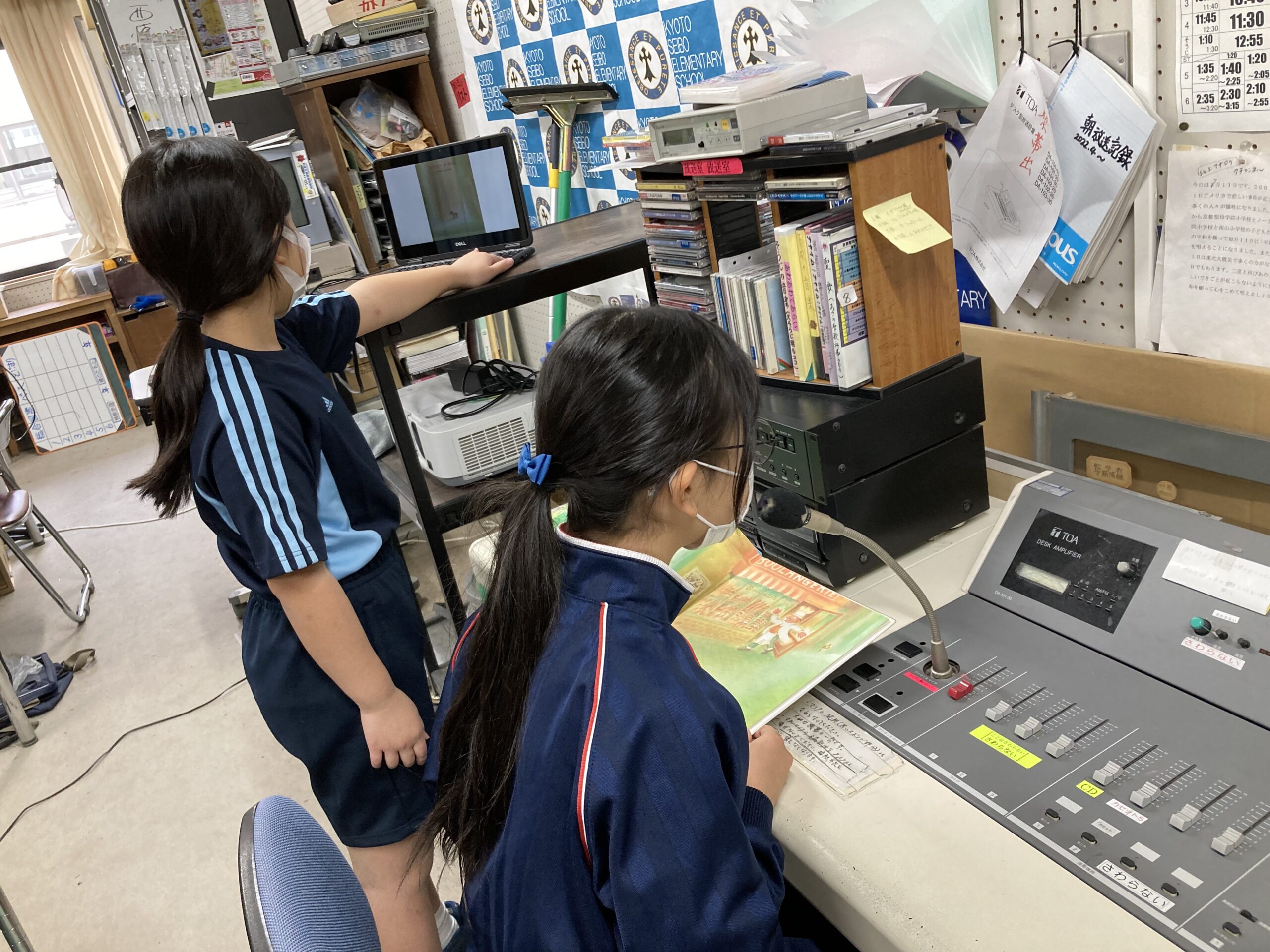
That dynamic is shifting. Elementary broadcast committees, known historically in Japanese educational models as hōsō iinkai and adopted globally through student media labs, are redesigning midday broadcasts into lively micro-podcasts. Instead of treating the intercom as a loudspeaker for administrative bulletins, student announcers are building participatory audio shows. They combine rapid trivia, interactive classroom riddle segments, student council morning announcements, and structured music blocks that keep classrooms tuned in while building fundamental public speaking instincts.
📌 Key Takeaways:
- The Audience Shift: Static PA bulletins lose 80% of student attention within 90 seconds, prompting schools to swap administrative notices for interactive, multi-segment micro-broadcasts.
- The Engagement Engine: Three-part classroom riddle segments and teacher mystery interviews yield the highest classroom participation rates across grades 1 through 6.
- Production Simplicity: Structured PA announcement script templates cut student prep time down to 10, 15 minutes per shift while eliminating broadcast dead air.
How Student-Led Audio Replaced Static Intercom Bulletins
Midday school broadcasts used to be an administrative chore passed down to a rotating pair of nervous fifth-graders. Today, broadcast committees function like authentic local radio desks. The catalyst came from teachers noticing a simple reality: kids tune out adult directives broadcast over ceiling speakers, but their heads snap up when a classmate delivers an unsolved puzzle or challenges their homeroom to a quick contest.
Classroom audio clubs run by students require tight organization. When broadcast teams shift from reading lists of reminders to managing a focused, five-to-eight-minute rundown, lunch periods quiet down organically. Teachers report fewer behavioral disruptions during the first ten minutes of lunch when homerooms are listening closely for clues in a schoolwide game.
The transition relies on treating the student body as a real listening audience. Rather than reciting safety rules verbatim, production teams frame institutional announcements around student life. A reminder about playground muddy zones turns into a weather-detective update. A library push turns into a weekly top-three mystery book recommendation. The delivery shifts from compliance to curiosity.
Interactive Quizzes and Mystery Voice Challenges
The single most reliable format for capturing an elementary classroom is the staged mystery segment. Interactive lunchtime quizzes operate on a simple delayed-gratification loop: introduce a question or sound cue at the start of lunch, allow classes to debate the answer while eating, and announce the solution during the final two minutes before recess.
Two formats dominate top-performing school audio programs:
- The Mystery Teacher Voice: Announcers record a 15-second audio snippet of a school staff member speaking with a disguised cadence or answering unusual prompts, such as naming their favorite childhood cartoon. Homerooms vote on paper or raise hands to guess the identity before the reveal.
- The Three-Clue Riddle: Announcers deliver clues in ascending order of obviousness across the broadcast. Clue one might be conceptual ("I have hands but cannot clap"), clue two situational ("I hang out near the chalkboard all day"), and clue three direct ("I tell you when the bell rings").
These quick games give students an active reason to track the broadcast from start to finish. When students listen actively for riddle clues, they naturally catch adjacent notices regarding lost items, student council morning announcements, and upcoming assembly schedules.
| Segment Format | Ideal Duration | Prep Time | Classroom Engagement Rate |
|---|---|---|---|
| Interactive Riddle / Mystery Sound | 2, 3 minutes | 5, 10 minutes | 88, 95% |
| Kid-Friendly Staff Interviews | 3, 4 minutes | 15, 20 minutes | 78, 84% |
| Today in History & Science Trivia | 1, 2 minutes | 5 minutes | 65, 72% |
| Curated Lunchtime Music Corner | 3, 5 minutes | 5 minutes | 55, 65% |
Script Templates and Public Speaking Coaching for Young Announcers
Live broadcasting can intimidate nine-year-olds. Without clear cues, student announcers rush through sentences, mumble into the microphone, or freeze when an unexpected cough occurs. Supplying structured PA announcement script templates removes the stress and establishes smooth pacing.
Standard scripts benefit from a modular three-part structure:
- The Hook (15 seconds): A distinct, upbeat chime or rhythmic clapping cadence followed by an energetic greeting. "Good afternoon, Lincoln Elementary! Put your forks down for ten seconds, today's lunch puzzle is about to drop."
- The Meat (90 seconds to 2 minutes): The core content block. This covers one educational trivia point, one community notice, and the first half of the interactive riddle.
- The Sign-Off (30 seconds): A clear call to action, the riddle answer, and a reminder to clear tables. "That wraps up our Tuesday broadcast. Clean your trays, watch your step on the blacktop, and we will catch you tomorrow at 12:15."
Public speaking tips for elementary students make an immediate difference in sound quality. Instructors teach young anchors the "Fist Distance" rule: maintain the space of one closed fist between the lips and the microphone grill to avoid harsh popping sounds on letters like P and B. Announcers are also coached to highlight verbs on their printed scripts with yellow highlighters, giving their voice a natural lilt that avoids flat monotone recitation.
Kid-Friendly Interviews and Lunchtime Music Corner Formats
Broadcast desks often rely too heavily on the two students inside the studio booth. The most engaging school radio committee ideas pull outside voices into the programming through compact interview spots and thematic music playlists.
Short interviews work best when questions steer clear of dry administrative queries. Asking a school custodian or art teacher typical procedural questions leads to dull responses. Swapping in unexpected, kid-friendly interview questions changes the dynamic completely:
- "What was the worst haircut you ever got in fifth grade?"
- "If you could replace cafeteria pizza with any food on Earth, what would it be?"
- "What is a chore you secretly despise doing at home?"
These rapid-fire exchanges humanize school staff and spark classroom conversations that last well into recess.
Pairing short interview segments with a lunchtime music corner keeps energy levels balanced. Running non-stop talk causes listening fatigue, while uncurated pop tracks turn the cafeteria into a noisy concert hall. Successful music directors on broadcast committees use a rotation: classical or lo-fi beats on exam days, high-energy soundtrack themes on Fridays, and spotlight tracks where homerooms vote between two clean acoustic songs submitted via a classroom request box.
Curating Archival Trivia and Historical Context
Adding substance to a broadcast keeps it from turning into mindless chatter. A dedicated today in history trivia beat gives the program educational weight without feeling like extra homework. The key is spotlighting vivid, high-stakes moments from global news, media archives, and civic history that resonate with young listeners.
Broadcast history itself offers compelling stories about the power of live communication. Archival events detailed in documents like this Wikipedia (en) Report illustrate how live media transmissions historically shaped public awareness during critical moments. When elementary students realize that radio and television networks have historically anchored cultural memory, from classic 1950s radio dramas like Lady and the Tramp broadcasts to historic live public forums, they approach their own microphone responsibilities with greater pride and seriousness.
Daily fun educational fun facts should focus on tactile realities. Announcers can share that honey never spoils, explain why astronauts grow taller in zero gravity, or reveal that octopuses have three hearts. When these bite-sized knowledge drops connect to science or social studies units currently taught in upper grades, teachers actively pause their post-lunch routines to let the room listen.
Frequently Asked Questions (FAQ)
Q1: How can an elementary school broadcast committee prevent dead air and nervousness during live PA slots?
A1: Implement paired broadcasting with color-coded scripts. One student reads the odd-numbered sections while their co-host handles the even-numbered blocks, allowing each speaker time to breathe and review upcoming lines. Keeping a printed sheet of two backup riddles beside the mixing console guarantees a buffer if an interview runs short or a script page goes missing.
Q2: What is the ideal length for an elementary school lunchtime announcement block?
A2: The entire broadcast should run between 5 and 8 minutes. Anything shorter feels rushed and prevents interactive storytelling; anything longer collides with teacher instruction, student eating times, and lunchtime clean-up logistics.
Q3: How do committees handle music licensing and sound control over school PA systems?
A3: Schools should use royalty-free instrumental libraries, student-composed music tracks, or licensed educational streaming subscriptions. Sound levels must be capped on the central amplifier at 65, 70 decibels to prevent the broadcast from competing with cafeteria supervisors and student conversation.
Building Confident Communicators Behind the Console
A well-executed elementary school broadcast does far more than deliver announcements. It turns an outdated administrative utility into a vibrant training ground for civic speech, peer collaboration, and journalistic curiosity. Students who take the microphone learn to speak with intention, edit drafts down to essentials, and consider the perspective of hundreds of listeners sitting in adjacent rooms.
By ditching long administrative monologues in favor of structured scripts, high-interest historical snippets, and interactive classroom riddles, student production teams make lunch announcements an anticipated event. Classrooms stop ignoring the ceiling speaker, quiet attention replaces cafeteria chaos, and a new generation of clear, confident speakers discovers the lasting power of the spoken word.
