NHK Drama 'Anpan' Reignites the National Debate Over Takashi Yanase's Life-Saving Song
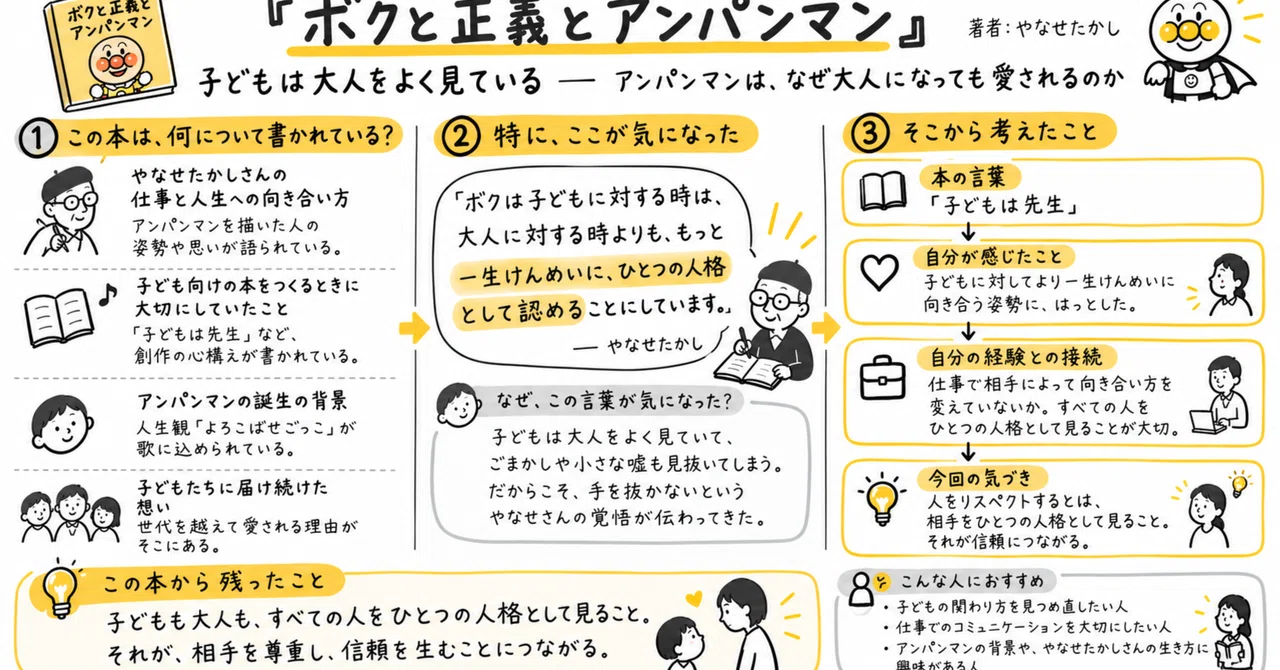
Generations of toddlers across Japan can recite the opening bars of "Anpanman no March" before they learn the alphabet. Yet behind the upbeat, carnival-style tempo of the theme song to the Soreike! Anpanman anime lies an existential gravity that adults often miss until life forces them to listen closer. That contrast erupted back into mainstream cultural discussion this season following revelations surrounding NHK's morning drama Anpan, which chronicles the life of creator Takashi Yanase, alongside emotionally charged remarks by singer Chiyo Terada of the musical duo Dreaming.
Speaking at the Yokohama Anpanman Children's Museum ahead of the theatrical release of Soreike! Anpanman: Pantan and the Star of Promises, Terada described the anthem not merely as an intellectual property staple, but as an heirloom "more precious than life itself," according to a recent MSN report. Her testimony, paired with modern analysis of the lyrics, has prompted international audiences and Japanese parents alike to re-examine the haunting philosophy embedded within Japanese children's literature: a story born from wartime starvation, personal grief, and an uncompromising definition of justice.
📌 Key Takeaways:
- The Provocation: "Anpanman no March" confronts listeners with existential questions, "Why were you born? What do you live to do?", written specifically by Takashi Yanase to challenge empty platitudes.
- The Catalyst: NHK's serialized morning drama Anpan and emotional public statements by musical duo Dreaming have pushed the song's wartime origins into viral discourse.
- The Core Meaning: Far from simple moralizing, the track codifies Yanase's lived trauma during World War II, establishing that feeding the starving at direct personal cost is the only authentic form of justice.
Existential Questions in a Toddler Anthem
Listen to standard preschool nursery rhymes and you will find tales of rolling acorns, gentle animals, and morning routines. "Anpanman no March" breaks that mold within its opening ten seconds. The lyric opens with an unsparing inquiry: "Yes! Even if the chest wound hurts, live with a smile... What is your happiness? What do you live to do?"
Takashi Yanase penned these words himself in the late 1980s when Nippon Television picked up the animated adaptation. While pop composer Takashi Miki arranged the music into an energetic brass march, Yanase refused to sanitize the verses. He wrote the lyrics for children who would one day face despair, intending the track to function as a psychological survival kit rather than passive television merchandise. When adults rediscover the full, uncut three-verse track, the cognitive dissonance is immediate. Lines like "Living without knowing why would be intolerable" read more like Albert Camus or Viktor Frankl than Saturday morning cartoon programming.
This deliberate tension between musical cheerfulness and lyrical weight explains why the song regularly surfaces during moments of collective hardship. Following the devastating Great East Japan Earthquake in March 2011, commercial television paused, but regional radio stations were inundated with requests for "Anpanman no March" from adult survivors stranded in unheated evacuation shelters. The track offered direct comfort because it never denied suffering.
Wartime Starvation and the Birth of True Justice
To grasp why an animated hero feeds starving people pieces of his own head made of sweet red-bean bread, one must understand Yanase's service in the Imperial Japanese Army. Drafted during the Second Sino-Japanese War, Yanase was stationed in China, where he avoided frontline firefights but witnessed the total moral and physical collapse of wartime society. His most visceral memory was not combat heroics, but gnawing, maddening hunger.
Yanase watched high-minded slogans of national honor evaporate the moment rations disappeared. Postwar democratization revealed another bitter lesson: politicians and public figures who had loudly championed militarist dogma abruptly adopted pacifist rhetoric overnight. Justice, as defined by political bodies, proved volatile, opportunistic, and fragile. Yanase concluded that almost every ideology claiming to represent righteousness eventually justifies violence, destruction, and oppression in its name.
Only one truth remained absolute across every culture and era: feeding an emaciated human being is never wrong. That revelation formed the bedrock of his character. Anpanman possesses no sophisticated weaponry, delivers no ideological lectures, and inflicts damage on villains only to stop direct assaults. His primary victory condition is self-mutilation: offering a slice of his baked face to someone collapsing from hunger, weakening his own flight capabilities and physical strength in the process. True justice, Yanase insisted throughout his life, demands tangible self-sacrifice; if a champion does not get hurt while helping someone else, they are merely indulging an ego trip.
The Cultural Timeline of Anpanman's Song
The progression of the franchise from a dismissed 1973 picture book into a national cornerstone reflects changing cultural perceptions of Yanase's underlying philosophy.
| Timeframe | Milestone Event | Cultural & Philosophical Impact |
|---|---|---|
| 1969, 1973 | First adult short story, followed by Froebel-kan children's book. | School critics initially condemned the hero tearing off his own face as "grotesque" and "frightening." |
| 1988, 1989 | NTV broadcasts anime debut; Dreaming releases single on October 21. | The song enters preschool curriculum, disguising Yanase's anti-war core within upbeat synth-brass arrangements. |
| 2011, 2013 | 3/11 Tohoku Disaster airplay surge; passing of Takashi Yanase (October 2013). | Public recognizes the track as a resilient secular hymn; broadcast metrics spike on nationwide disaster frequencies. |
| 2024, 2026 | NHK Morning Drama Anpan premieres; Dreaming museum appearance. | Widespread critical reassessment of lyric origins; younger demographics dissect the wartime history online. |
Separating Reality from the Kamikaze Tribute Myth
As the lyrics gained renewed attention across Japanese social media platforms like X and YouTube, an old urban legend resurfaced: the theory that "Anpanman no March" was written as an explicit elegy for a Special Attack unit, or kamikaze pilot.
The rumor gained traction because Yanase's younger brother, Chihiro, served in the Imperial Japanese Navy and died during the war. Theorists cited lines like "Fly, you, with gentle stars" and the insistence on dying without regret as supposed coded descriptions of a suicide sortie over the Pacific. Digital threads periodically claim the red nose of Anpanman represented the rising sun insignia on a Mitsubishi A6M Zero fighter.
Historical documentation dismantles this myth. While Chihiro did perish at sea near the Philippines aboard a naval vessel, he was not a kamikaze pilot. More importantly, Yanase addressed this interpretation directly before his death at 94. He repeatedly clarified in memoirs such as Anpanman's Legacy that the song was never a militaristic salute. Glorifying wartime suicide attacks would have betrayed everything Yanase despised about state-sponsored violence.
Instead, the song represents the inversion of military sacrifice. Where wartime propaganda ordered young men to throw their lives away killing enemies for an imperial apparatus, Anpanman expends his own body purely to keep vulnerable civilians alive. The flight described in the song is an errand of mercy, not destruction.
How Dreaming's Performance Keeps the Mission Alive
The continuity of this message owes immense credit to the musical duo Dreaming, composed of twin sisters Chiyo and the late Noriko Terada. Since recording the original 1988 studio track, the pair performed the anthem at thousands of charity events, pediatric wards, and regional halls across Japan. When Noriko passed away in 2019, questions swirled over whether the duo's legacy could survive.
Chiyo Terada answered that question by remaining on stage. Her recent remarks at the Yokohama Anpanman Children's Museum underscored that the song belongs to public morale rather than commercial show business. Speaking candidly to parents and children gathered for the 2026 film promotional tour, Terada stressed that continuing to sing without her sister was her duty toward Yanase's vision. To her, every repetition of the chorus is an active reminder to live with agency, especially when circumstances turn bleak.
The ongoing broadcast of NHK's serialized morning drama Anpan has validated her dedication. By showing Yanase's early struggles, decades of rejection by publishing executives, living in poverty, and watching his peers find creative fame long before him, the drama illustrates why his lyrics possess such enduring resilience. Yanase did not taste major creative success until he was in his late fifties. His optimism was not youthful innocence; it was an earned, hardened determination forged through survival.
Frequently Asked Questions (FAQ)
Q1: Why does Anpanman give away pieces of his face in the story?
A1: Creator Takashi Yanase structured this as a literal demonstration of authentic justice. Having experienced severe wartime starvation in China, Yanase believed true help requires genuine self-sacrifice. Anpanman literally weakens himself to save someone else from hunger.
Q2: Is "Anpanman no March" actually about kamikaze pilots?
A2: No. Although Yanase's younger brother died at sea during World War II, he was not a kamikaze pilot. Yanase explicitly rejected militarism and state-directed sacrifice; the song is an anti-cynicism anthem encouraging individuals to discover personal purpose and feed those in distress.
Q3: What makes the lyrics unusual compared to typical Japanese children's songs?
A3: Most children's media focuses on socialization or playfulness. Yanase's verses feature heavy existential questions, asking why one is born, what brings true happiness, and warning against living passively without purpose. He wrote it as a song children could turn to when facing heartbreak as adults.
The Lasting Legacy of Yanase's Lifesaving Creed
Children's entertainment often treats moral virtue as cheap, rewarding good characters with immediate triumph and effortless praise. Takashi Yanase built an empire on the exact opposite premise. Through a round-faced pastry hero who bleeds crumbs and flies into the rain knowing his bread dough will soften, Yanase told the youngest members of society the truth: helping others is messy, painful, and often unrewarded.
As the morning drama Anpan finishes its cultural sweep across television screens, the rediscovery of "Anpanman no March" highlights why great art outlasts the commercial cycles that birth it. The song endures not because it offers an escape from life's cruelty, but because it hands the listener a slice of bread, acknowledges that the chest wound hurts, and insists that continuing forward is worth the cost.
