Nissan Stadium 1st Floor Stand Reality: Why Row 19 Changes Everything
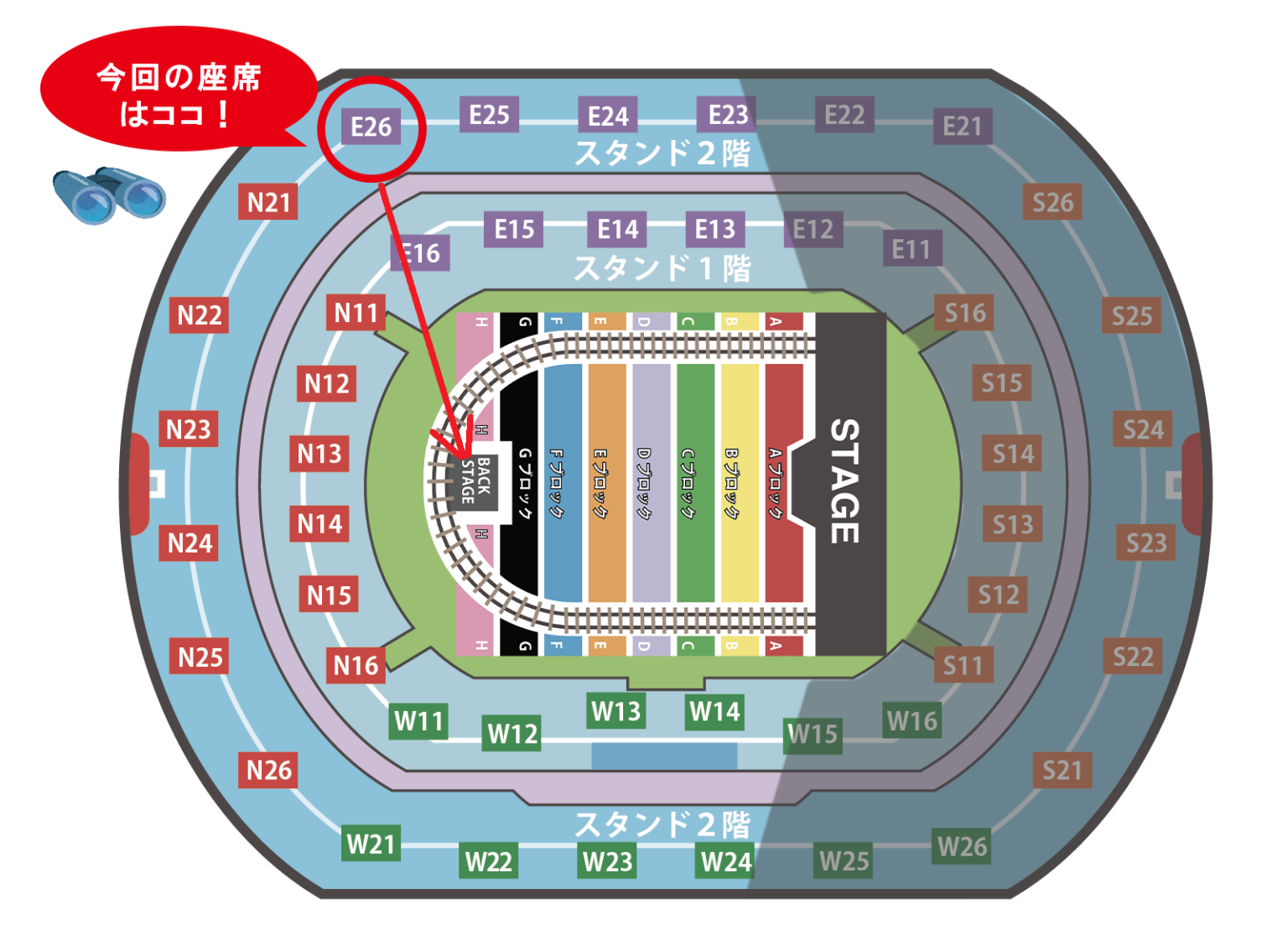
Unlocking a first-floor stand ticket for a concert at International Stadium Yokohama feels like winning the lottery. With a massive capacity of 72,327 seats, Japan's largest outdoor sports arena regularly packs global pop tours, rock headliners, and domestic stadium acts into its sweeping concrete bowl. Yet veteran attendees know that holding a lower bowl ticket tells only half the story.
The physical reality of this venue catches thousands off guard every summer. What looks like a prime lower-level ticket on a standard seating chart can drop you behind a massive running track barrier, strand you beneath an echo-inducing concrete overhang, or leave you drenched during sudden Kanagawa downpours. Understanding the exact geometry of the venue separates an unforgettable night from hours of neck strain and muffled audio.
📌 Key Takeaways:
- The Critical Rain Divide: Row 19 serves as the definitive structural boundary where the cantilevered stadium roof stops protecting concertgoers from wind-driven rain.
- The Track Buffer Penalty: A 400-meter Olympic running track pushes first-floor stand seats roughly 30 to 45 meters further back from the performance area than dedicated football or baseball stadiums.
- Acoustic Shadow Risk: Deep overhang seats past Row 25 trade rain protection for upper-frequency sonic degradation and obstructed sightlines on elevated aerial set pieces.
The Running Track Reality: Distance and Elevation in the Lower Bowl
The defining feature of the Yokohama concert venue layout is its world-class 400-meter athletics track. In football-specific venues, lower-tier spectators sit practically pitchside. At Nissan Stadium, the track and safety aprons push even Row 1 of the stands dozens of meters away from the field perimeter.
When production crews construct the main stage at the North or South stands, the physical gap expands exponentially. If your ticket places you in the opposite end zone stand, your eye line to the main performance deck stretches across roughly 140 to 170 meters. That is the length of nearly two football fields. Even in the lateral East and West lower bowls, the lateral displacement across the track means you never look straight down onto the artists.
Lower bowl seat elevation introduces another geometric trade-off. The earliest tiers, Rows 1 through 8, sit on a very shallow incline. Because the grade remains gradual near the turf level, taller audience members standing three rows ahead can completely clip your view of low-lying floor staging. The rake improves considerably past Row 12, where stepped tiers finally grant clear sightlines over the heads of the crowd in front of you.
The Row 19 Weather Divide: Roof Protection Meets Visual Trade-offs
The structural overhang of the stadium roof creates an invisible line in the stands that every concert attendee must calculate: Row 19.
The cantilevered roof does not cover the arena floor or the lowermost tiers of the lower bowl. Instead, structural steel spans outward from the upper deck, terminating directly above the nineteenth row of the first floor. From Row 19 upward through Row 44, spectators enjoy reliable overhead cover from vertical rain. From Row 18 downward to Row 1, you sit completely exposed to the open sky.
[ UPPER DECK STRUCTURE ]
\
\ [ CANTILEVER ROOF OVERHANG ]
\
▼ (Boundary Edge)
Row 44 ............ Row 19 | Row 18 .......... Row 1
[ FULLY COVERED ] | [ OPEN TO ELEMENTS ]
Sheltered from rain | Poncho mandatory
Acoustic compression | Clear vertical view
Wind direction shifts this boundary in practice. During typical Pacific summer squalls pushing through Yokohama, gusts drive precipitation diagonally into the bowl. Veteran concertgoers treat Rows 19 to 23 as an active splash zone. True dry security only locks in around Row 24 and higher.
Choosing coverage comes with a visual cost. As you move back into Rows 28 through 44, the massive concrete underside of the second tier intrudes into your upper field of vision. While you can track the floor stage without issue, towering video walls, high-altitude laser arrays, and suspended pyrotechnics get physically cut off by the ceiling slab. If an artist flies across the venue on mechanical cables, spectators tucked deep under the overhang lose sight of the stunt entirely.
East Stand vs West Stand: Sunset Angles and Wind Corridors
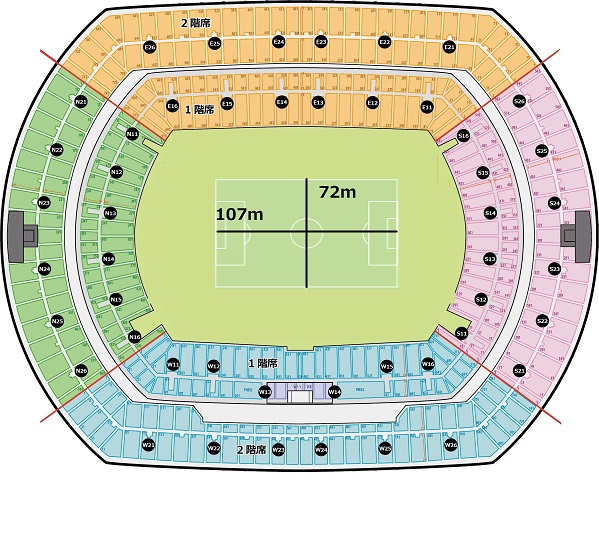
Choosing between the lateral stands involves practical environmental factors that rarely appear on standard booking maps. The East stand vs West stand view creates drastically different physical experiences during late afternoon tour starts.
[ NORTH STAND - MAIN STAGE ]
/ \
/ \
[ WEST STAND ] [ EAST STAND ]
Shaded from 15:30 Direct sun until sunset
Cooler summer temps Intense thermal load
Clean backstage views Harsh lighting glare
\ /
\ /
[ SOUTH STAND - PRODUCTION ]
▲
(Late Sun Angle)
The West stand holds the distinct logistical advantage for mid-summer shows. Because the sun sets behind the massive western facade, the entire lower West bowl falls into cooling structural shade by 15:30 or 16:00. Performers on stage face directly into this shade, making their facial expressions and wardrobe visible without squinting.
The East stand bears the full brunt of western sun exposure until dusk. Spectators in the lower East bowl face directly into the blinding evening glare during opening acts, dealing with blistering ambient heat radiating off the plastic seats. High-contrast sunlight washes out the field LED screens from this angle until the sun dips behind the West rim around 18:30.
Wind corridors also dictate comfort. Sea breezes off Tokyo Bay funnel through the open gaps between the upper tiers, creating drafty zones in the higher reaches of the lower bowl while leaving the track level hot and humid.
Evaluating Lower Bowl Rows: Sightlines, Distance, and Gear Specs
Selecting a lower bowl seat requires balancing proximity, rain exposure, and vertical sightlines. The table below outlines how each row band performs during full-scale stadium productions.
| Stand Tier & Rows | Rain Risk Level | Running Track Buffer | Recommended Optics |
|---|---|---|---|
| Rows 1, 8 (Front Tier) | Extreme (100% exposed) | Directly adjacent to perimeter fence | 8x21 or 8x25 compact binoculars |
| Rows 9, 18 (Mid Incline) | High (Open sky exposure) | Elevated 4, 7 meters above turf | 8x42 or 10x25 image-stabilized |
| Rows 19, 27 (The Transition) | Moderate (Wind-driven rain zone) | Elevated 8, 12 meters above turf | 10x30 or 10x42 standard lenses |
| Rows 28, 44 (Deep Overhang) | Zero (Fully covered by deck) | Elevated 13, 18 meters above turf | 10x42 or 12x36 stabilized optics |
Optical gear selection directly alters your experience. Binocular magnification for stadium concerts requires a fine balance between zoom and field of view. Handheld units rated at 14x or 16x amplify natural hand tremors to unwatchable levels inside a rumbling stadium.
A sharp 8x or 10x lens with an objective diameter of 30mm to 42mm provides the optimal exit pupil for low-light stadium production. If your seats sit further back along the South stand facing a North stage, invest in 10x or 12x image-stabilized (IS) binoculars to track micro-expressions without motion sickness.
Arena Floor vs Lower Bowl: The Production Value Reality
The debate between arena floor tickets and lower bowl stand seats remains fierce among concert regulars. Neither section offers absolute superiority; they deliver fundamentally different experiences.
+--------------------------------------------------------------------------+
+--------------------------------------------------------------------------+
vs
+--------------------------------------------------------------------------+
+--------------------------------------------------------------------------+
Floor seating places you in the center of the acoustic pressure. You feel the subwoofers hit your chest, and confetti cannons drop directly onto your shoulders. Yet if you are under 170 centimeters tall and get placed behind Row 30 on a flat grass grid, your line of sight turns into a wall of raised arms, lightsticks, and smartphones.
Lower bowl stands provide reliable physical separation. The natural rake allows you to look over the crowd, taking in full formation choreography that floor crowds miss entirely. Furthermore, stand attendees retain quick access to permanent concourse bathrooms, water stations, and dry shelter during emergency delays, logistical luxuries completely absent once you are boxed into the middle of the field turf.
Sub-stage and moving cart visibility frequently favors the first-floor stands over floor tickets. Modern stadium productions rely heavily on perimeter float carts ("torokko") that ferry artists along the edge of the running track to greet distant sections. If you sit in Rows 1 through 10 of the lower bowl, those carts roll past just meters away at eye level, handing stand spectators the most intimate artist interactions of the entire night.
Acoustic Traps, Flutter Echoes, and Overhang Dead Zones
Massive outdoor concrete stadiums present an acoustic nightmare for audio engineers, and Nissan Stadium is notorious for venue-specific sound anomalies.
The most severe issue occurs under the deep overhang between Rows 30 and 44. As sound travels from line-array speaker towers on the field, high and mid frequencies reflect off the concrete ceiling slab directly above your head. This creates comb filtering, a phasing effect where certain vocal frequencies cancel out, leaving the mix sounding muddy, hollow, and detached.
[ Field Audio Towers ]
│
│ Direct Sound Wave
▼
───────────────────────┐ <-- Second Deck Concrete Underside
│
├─ Acoustic Reflection (Comb Filtering)
▼
[ Rows 30, 44 Trapped Sound Zone ]
Distance delay poses an equally frustrating challenge. Sound travels at roughly 340 meters per second through air. If your seat is in the South lower stand, 150 meters away from the stage, sound takes nearly half a second to reach your ears.
While touring productions install delay towers across the field to push audio simultaneously to the back, timing mismatches between direct stage audio and localized speaker fills can generate distracting slap-back echoes. Snare hits and vocal lines double up, particularly if you sit in corner sectors where sound bounces off lateral glass commentary booths. Bringing high-fidelity concert earplugs cuts down room reverberation and tames harsh slapback frequencies, yielding a far clearer vocal mix than bare ears can capture.
Frequently Asked Questions (FAQ)
Q1: Are umbrellas allowed if my seat is in an exposed row during rain?
A1: Umbrellas are strictly prohibited during performances across all Japanese stadium venues, including Nissan Stadium. They block the view of spectators behind you and present a serious safety hazard in packed crowds. If your ticket falls anywhere between Rows 1 and 23, bring a heavy-duty rain poncho, waterproof shoes, and large plastic trash bags to seal your backpack beneath your seat.
Q2: Can I clearly identify artists' faces from the 1st floor stands without optics?
A2: No. Due to the 400-meter running track buffer, even front-row lower bowl seats sit substantial distances away from center-stage action. You can easily follow gross choreography and lighting design, but facial expressions require binoculars rated at 8x or 10x magnification, or reliance on the venue's giant LED display towers.
Q3: How bad are the structural pillar obstructions in the lower bowl?
A3: Unlike historic European football grounds, Nissan Stadium features a cantilevered roof design without vertical support columns running through the middle of the first-floor stands. Your direct line of sight will not be blocked by pillars. The only physical obstruction comes from the horizontal ceiling overhang above Row 28 cutting off high-altitude aerial set pieces.
Q4: Do cart routes run during every concert at Nissan Stadium?
A4: While cart routes are a staple of Japanese idol and pop stadium tours (such as TWICE, SEVENTEEN, or domestic agency acts), they are not guaranteed for every artist. Western rock acts and minimalist electronic tours often keep the performance confined strictly to the primary end-zone stage.
Navigating Nissan Stadium in 2026
Attending a massive stadium production at International Stadium Yokohama demands active preparation rather than passive arrival. The venue rewards informed attendees who pack gear tailored to their specific seat coordinates.
If your ticket confirms a seat below Row 19, treat your concert preparations like an open-air hiking excursion. Pack a dedicated rain suit, secure your electronics in dry bags, and prep for intense exposure to the elements. If your assignment puts you deep in Rows 25 to 44, leave the wet-weather gear packed away, bring high-fidelity earplugs to combat overhang flutter echoes, and equip yourself with stabilized optics to bridge the running track divide. Knowing the architecture of your section ensures that unexpected rain, setting suns, and acoustic traps never pull your focus away from the music on stage.
