On-Stage Movement and Visual Spectacle: Inside the Galaxy Express 999 Dance and Stage Adaptations
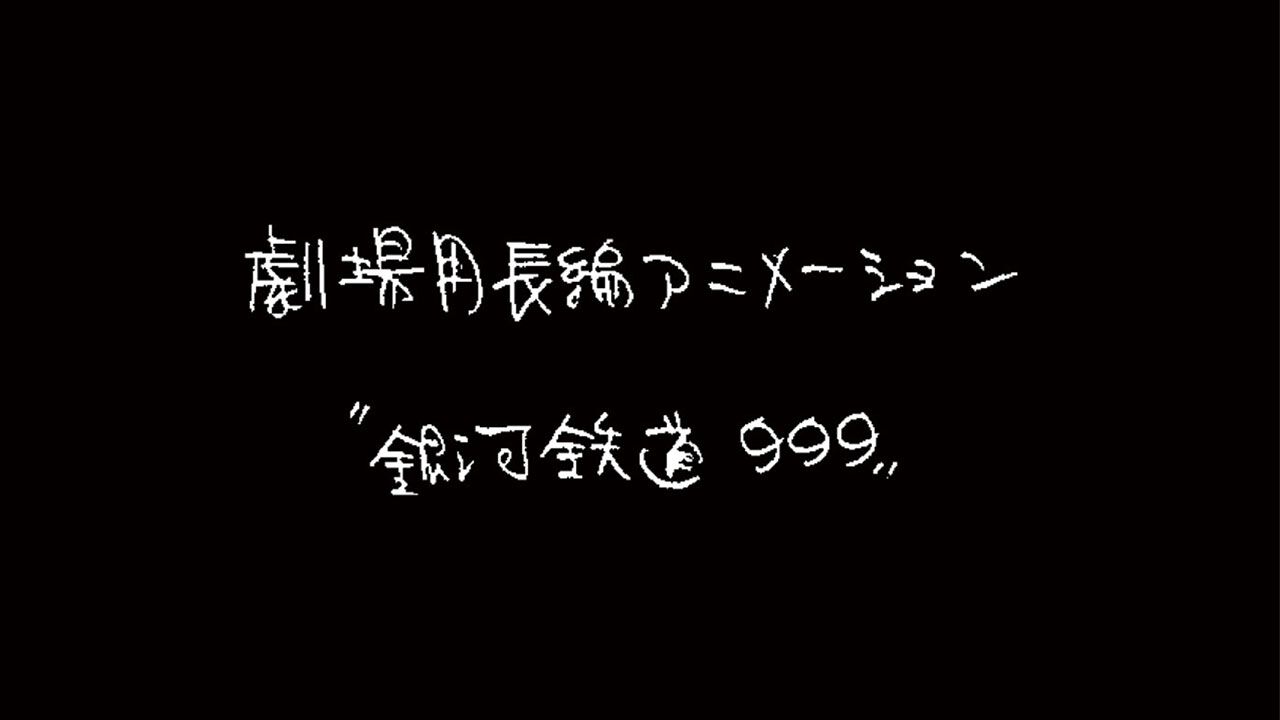
When the visual gears of an interstellar steam locomotive grind into motion, physical performance takes on a startling weight. Across Japanese entertainment, Leiji Matsumoto’s space opera has traveled far beyond celluloid frames and inked manga panels. It has mutated into a distinct physical vocabulary spanning high-octane arena pop routines and disciplined theatrical dance movement. With Toei Animation officially confirming a brand-new Galaxy Express 999 theatrical anime feature penned by legendary 1979 director Rintaro for the studio's 70th anniversary, the franchise's kinetic influence has surged back into the public eye, closely tracked by coverage in a recent ナタリー Report on space-train physical theater productions.
The collision between retrofuturistic sci-fi and human choreography is rare. Most space operas rely on sterile CGI or stationary voice acting. Galaxy Express 999 went the opposite route, inspiring decades of body-driven expression. From the synchronized street-dance juggernaut of EXILE’s chart-topping J-pop dance routines to the sweeping biomechanical steps of Tokyo musical theater, the visual grammar of train travel through cold vacuum has become an enduring staging discipline.
📌 Key Takeaways:
- The Arena Phenomenon: EXILE turned Godiego's 1979 rock theme into a permanent fixture of Japanese pop choreography, anchoring street dance into classic anime music culture.
- Stagecraft Mechanics: Modern theatrical runs translate Matsumoto's heavy, melancholic themes of mortality and mechanization into kinetic physical theater and aerial wirework.
- The 2026 Catalyst: Toei Animation's newly announced film project under original director Rintaro has triggered a fresh wave of physical theater productions across Tokyo.
From Godiego to EXILE: The J-Pop Choreography Phenomenon
In 1979, the rock band Godiego gave the animated film an acoustic and synthesizer anthem that defined a generation. Nearly three decades later, urban dance collective EXILE dismantled and rebuilt that foundation. Their 2008 collaboration with Verbal (m-flo) transformed an introspective traveling song into an aggressive, synchronized pop-dance tour de force.
The choreography did not simply decorate the track. It translated the propulsion of a steam engine into modern hip-hop, locking, and house footwork. In live arena tours, EXILE’s performers line up in locomotive formations, using polyrhythmic arm drives and sharp isolations to mimic the chugging pistons of the 999 engine. Subsequent generations under the Exile Tribe umbrella, including Generations and Fantastics, have kept the routine in heavy touring rotation. They treat the sequence as an athletic rite of passage, demanding high-bpm endurance while maintaining absolute precision across a ten-person frontline.
Bringing Steel and Starlight to the Stage: Theatrical Dance Movement
Concert arenas emphasize pure athletic joy, but the legitimate theater treats the locomotive differently. The live-action stage spectacle adaptations, most notably the 2018 Galaxy Express 999: GALAXY OPERA and the 2022 THE MUSICAL Galaxy Express 999, faced a steep technical hurdle. How do you convey the freezing expanse of the cosmos and the suffocating weight of mechanized bodies inside a proscenium arch?
Directors resolved this through stylized Japanese stage musical dance and physical ensemble blocking. Ensemble performers do not merely play background citizens; they become the train itself. Dancers move in tight serpentine files, utilizing rhythmic stomping and fluid torso rolling to telegraph the momentum of rail cars traversing asteroid belts. When characters arrive on mechanized worlds where wealthy elites trade flesh for brass, the choreography hardens. Dancers adopt robotic isolations, popping joints, and locked postures, using body tension to highlight the tragic loss of humanity that Leiji Matsumoto warned against in his post-war writings.
Embodying Tetsuro and Maetel Through Physical Expression
The core dramatic tension of any Leiji Matsumoto stage adaptation rests on two contrasting physical silhouettes: Tetsuro Hoshino and Maetel. On stage, vocal delivery only does half the work. The movement directors must make the visual contrast immediately readable to audiences sitting dozens of rows back.
Tetsuro, famously portrayed on stage by vocal powerhouse Akinori Nakagawa, moves with raw, unpolished kinetic energy. His stage blocking is jagged, grounded, and athletic. Nakagawa leaps across multi-tiered risers, ducks under steam valves, and charges headlong into combat, capturing an impoverished street urchin driven by instinct and survival. In stark contrast, the performers portraying Maetel, such as Haruka Kinoshita and the late Sayaka Kanda, command the space through sustained adagios and gliding steps. Maetel's floor-length black coat acts as an extension of the stage choreography. She rarely breaks into a hurried sprint. Instead, her micro-movements, elongated spine, and slow, deliberate arm gestures project the quiet sorrow of a woman who has ferried generations of young boys to their mechanical fates.
The Evolution of Galactic Movement: Performance Eras Compared
The physical interpretation of Matsumoto's universe has shifted dramatically over four decades, transitioning from traditional rock staging to high-concept physical ensemble choreography.
| Production Era | Medium & Format | Choreographic Vocabulary | Core Narrative Function |
|---|---|---|---|
| 1979, 1981 Original Run | Rock Band Live Tours (Godiego) | Spontaneous stadium footwork, stationary live band blocking | Celebration of youthful departure and wanderlust |
| 2008, 2014 J-Pop Surge | Arena Dance Video / Live Tours (EXILE) | Synchronized urban street dance, piston isolations, formation shifts | Physical energy, speed, and shared generational nostalgia |
| 2018, 2022 Musical Era | Theatrical Stage Musicals (Toho / Studio Life) | Modern expressive dance, mechanical mime, zero-gravity wire routines | Philosophical clash between mortal warmth and cold steel |
| 2025, 2026 Revival Era | Experimental Physical Theater & Anime Revivals | Experiential contemporary dance, space-train locomotion mimicry | Reinterpreting literary origins and Matsumoto's visual legacy |
Toei Animation and Rintaro's Revival Spark New Stage Energy
The cultural footprint of this movement is not frozen in the past. Toei Animation announced a major theatrical film project for Galaxy Express 999, bringing back master director Rintaro to pen the story draft alongside Leijisha president Makiko Matsumoto. The announcement has energized both animators and stage practitioners across Tokyo.
Physical theater directors are drawing fresh lines between Matsumoto's space train and its literary inspiration: Kenji Miyazawa's 1927 classic Night on the Galactic Railroad. Companies like CAT-A-TAC, under director and choreographer Yoshihiro Fujita, have launched immersive dance-theater productions that explore how trains move through metaphysical space. Fujita's productions turn performers into moving tracks, constellations, and whistle steam. This cross-pollination proves that the appetite for physical, dance-centric interpretations of cosmic train journeys remains strong, fed by anime fandom and avant-garde theater circles alike.
Frequently Asked Questions (FAQ)
Q1: Why is EXILE's cover of "The Galaxy Express 999" so heavily associated with dance routines?
A1: EXILE completely reimagined the song in 2008 by blending Godiego's original melodies with electro-house arrangements and synchronized street choreography. The band's iconic music video and high-energy live tour performances turned the track into a staple of modern Japanese dance culture and school athletics festivals nationwide.
Q2: How do stage actors portray the mechanical bodies of Leiji Matsumoto's characters?
A2: Stage adaptations rely on precision popping, ticking isolations, and mime techniques. Ensemble dancers portraying mechanized citizens adopt rigid neck postures, uniform marching cadences, and sudden kinetic freezes to create an uncanny visual contrast against the fluid, organic movements of Tetsuro.
Q3: What role does Toei Animation's 2026 film announcement play in the franchise's stage presence?
A3: The announcement of a new film by 1979 director Rintaro, marking Toei Animation's 70th anniversary, has renewed commercial and critical interest in Matsumoto's intellectual property. This spotlight directly drives theatrical licensing, inspiring choreographers and stage producers to stage new physical interpretations of the sci-fi saga.
Where the Iron Horse Steams Next: The Future of Sci-Fi Kinetic Theater
Translating hard-edged mid-century science fiction into the fragile medium of human flesh is an inherently difficult task. Yet the ongoing popularity of Galaxy Express 999 choreography proves that audiences crave tactile storytelling. Whether witnessed through the sweat and precision of twelve dancers commanding an arena stage or the quiet, haunting sweep of Maetel's silhouette across a darkened theater, the visual grammar established by Leiji Matsumoto continues to thrive. As modern cinema prepares for Rintaro's animated return to the stars, the performing arts ensure that the train's rhythmic, mechanical heartbeat remains alive on stage.
