Real Ceremony Photos Decoded: The Top 3 Blouse Cuts Worn by Freshmen at University Arenas
Real Ceremony Photos Decoded: The Top 3 Blouse Cuts Worn by Freshmen at University Arenas
Every April across Japan, Nippon Budokan, Tokyo International Forum, and major university gymnasiums fill with sea of matching navy and black suits. For incoming freshmen, this rite of passage marks their official step into adult academic life. While standard recruit suits look nearly identical from twenty feet away, the neckline tells a completely different story. Real crowd snapshots and social media dispatches reveal that innerwear choices have splintered into distinct stylistic camps.
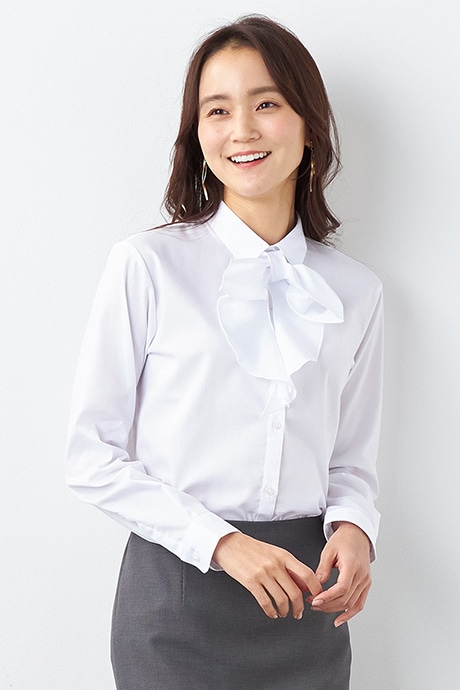
The conversation gained fresh momentum when actress and public figure Sara Honda posted a snapshot from her Meiji University matriculation ceremony. As documented by an RBB Today Report on her entrance photograph, Honda paired a crisp, dark-toned tailored suit with an elegant white bow-tie blouse, prompting widespread praise across online communities for balancing formality with individual grace. That viral look reflects a wider shift visible across campuses nationwide: the rigid, cardboard-stiff collared button-down is no longer the sole default for matriculation day.
📌 Quick Summary:
- The Style Shift: Recent entrance ceremonies show that soft draping innerwear, bow ties, and stand collars have overtaken rigid button-downs as the preferred choice among freshmen.
- The Catalyst: High-profile matriculation photos, including Sara Honda's widely discussed Meiji University ensemble, have reinforced that personal elegance does not violate institutional formality.
- Long-Term Utility: Choosing versatile white formal innerwear allows students to reuse the same top for campus presentations, internship interviews, and formal banquets throughout their four years.
How the Strict Black-Suit Norm Created Room for Innerwear Identity
Japanese college entrance ceremonies, known as nyūgakushiki, require a delicate balance. High school uniforms are gone, yet formal business decorum takes over immediately. Most first-year students purchase standard two-piece recruit suits from major national retail chains like Aoki, Aoyama, or Konaka. Because the external jacket and trousers or skirts are uniform in cut and charcoal or jet-black in color, students express personal taste almost entirely through their blouse silhouette.
A decade ago, the conservative point-collar dress shirt dominated university halls. Freshmen buttoned it all the way to the throat, creating an unyielding, schoolchild silhouette. Today, incoming cohorts lean toward softer textures and expressive necklines. Japanese university fashion trends have shifted toward fluid garments that soften the harsh lines of structured polyester jackets. The jacket remains an unyielding badge of institutional respect, but the inner garment brings light toward the wearer's face, transforming what used to be an intimidating uniform into a polished personal statement.
Decoding the Top 3 Cuts: Open Collars, Bow Ties, and Soft Drapes
Visual surveys of major campus gatherings highlight three primary innerwear styles that dominate the matriculation landscape. Each silhouette communicates a slightly different tone, balances different facial shapes, and carries specific practical trade-offs during long outdoor photo sessions.
The first perennial favorite is the skipper collar shirt, often referred to as the open-collar blouse. Cut with lapels designed to rest flat over the jacket collar, this style creates a clean V-neck profile. It projects sharp competence, active energy, and an unpretentious demeanor. It keeps the neck cool during unseasonably warm spring mornings, though students with narrower collarbones sometimes struggle with the lapels slipping beneath their suit jackets when moving.
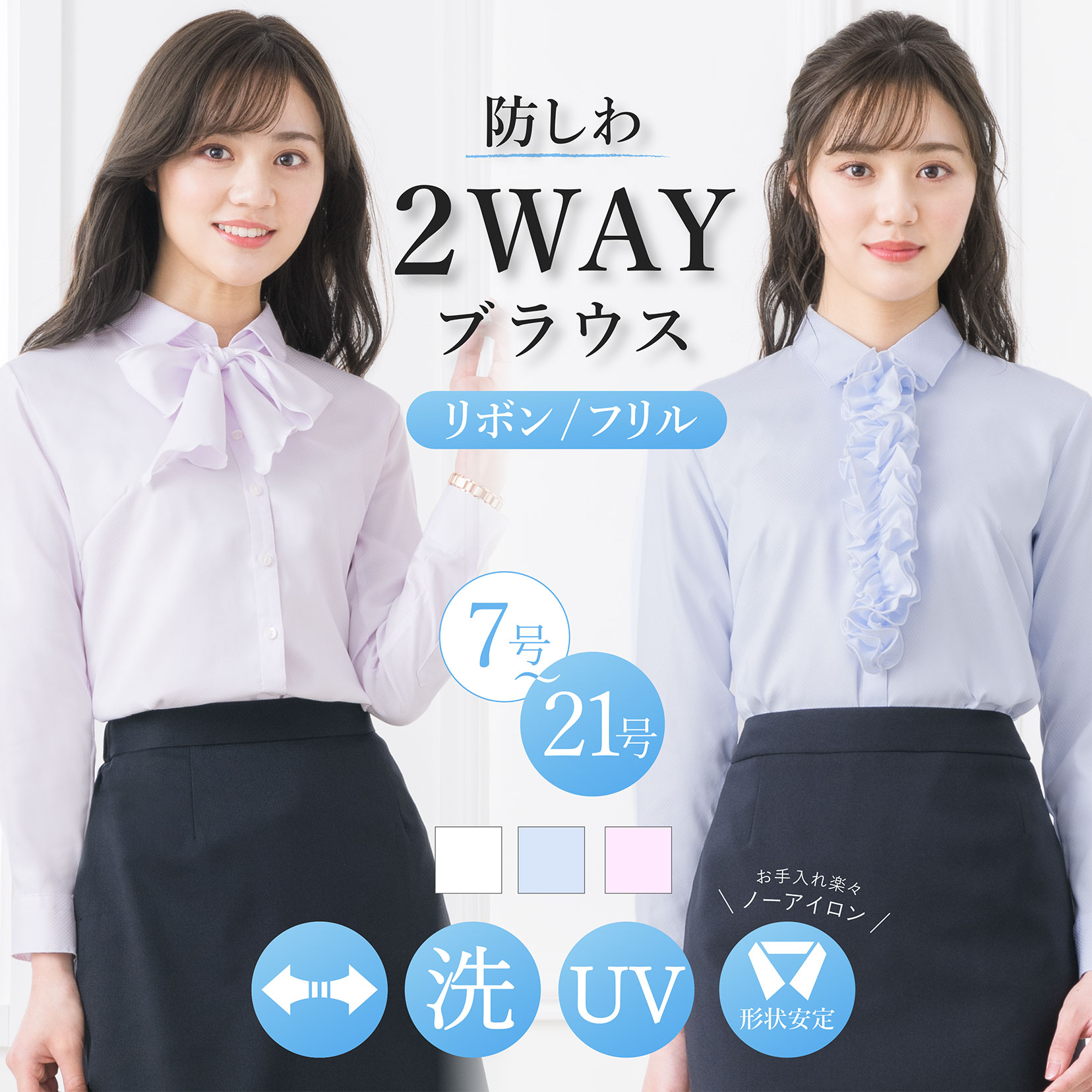
The second silhouette is the bow-tie blouse styling that captured social media attention after Sara Honda's post. This design features an integrated fabric ribbon that ties into an airy bow or rests as a loose knot down the chest. A bow tie instantly softens an austere black recruit suit. It adds volumetric depth, covers the sternum completely, and photographs exceptionally well from front-facing portrait angles. However, wind gusts outside graduation and matriculation halls can leave ribbons lopsided if not secured with a subtle hidden safety pin.
The third dominant option is the chiffon formal blouse, typically built with a stand collar or delicate gathered frill neck blouse trim. Made from layered georgette or lightweight polyester crepe, these tops drape naturally without sharp folds. They require minimal midday adjustments because there are no collar wings or fabric ties to blow around. This cut has become a staple for students who want a gentle, professional look without feeling tied to schoolgirl uniform aesthetics.
Ceremony Silhouette Comparison: Visual Impact and Practical Utility
To help incoming students navigate choices before spring arrival, this breakdown contrasts how each innerwear style performs across photographic presence, maintenance, and multi-year versatility.
| Cut & Silhouette | Visual Impression | Key Practical Strength | Common Pitfall to Watch |
|---|---|---|---|
| Skipper Collar(Open V-neckline) | Crisp, sharp, sporty, direct | Ideal for internships and formal job-hunting later | Lapels can bunch awkwardly beneath heavy outerwear |
| Bow-Tie / Pussy Bow(Ribbon neck tie) | Sophisticated, festive, photogenic | Draws light directly toward the face in snapshots | Knots loosen easily; requires readjustment before group photos |
| Chiffon Stand / Frill(Gathered high neckline) | Gentle, dignified, contemporary | Virtually wrinkle-free; stays perfectly in place all day | Fabric transparency requires careful camisole color matching |
| Standard Regular Collar(Full button-up) | Strict, conservative, institutional | Meets the strictest corporate interview guidelines | Can feel rigid, restrictive, and overly clinical for celebrations |
Fabric Choices, Opacity, and Undergarment Engineering
Ceremony days start early. Thousands of students stand under bright spring sun outside stadium gates before walking into dimly lit convention centers. Under intense morning light, blouse transparency can be an unexpected problem. Standard recruit suit shops sell packages including white blouses, but many are made from sheer, single-ply polyester fabrics.
Experienced upperclassmen share a clear rule across college forums: never wear stark white undergarments beneath a white entrance blouse. Pure white cotton creates a high-contrast shadow against bare skin, making bra outlines immediately visible through georgette fabric. Instead, seamless undergarments in beige, deep mocha, or muted skin-tone pink disappear completely under daylight. Double-layered chiffon fronts offer built-in protection against backlight, keeping family commemorative portraits crisp and worry-free.
Collar stability matters just as much. Soft stand-collar blouses usually have an elasticized or buttoned neckline that rests comfortably without creasing. Bow ties require a quick press with a handheld steamer the previous night to prevent limp ribbons. A micro-drop of double-sided fabric tape can anchor a bow knot directly to the jacket lapel, ensuring wind gusts outside the auditorium do not ruin spontaneous group selfies.
From the Budokan to the Classroom: Long-Term Wardrobe ROI
University entrance ceremony blouse purchases should not end up stuck in a closet after a single four-hour event. The initial investment, typically ranging between ¥4,000 and ¥9,000 ($28, $65), pays off when integrated into a student's everyday wardrobe.
College matriculation attire must serve dual roles across a student's academic path. While regular button-downs spend three years tucked away until third-year corporate internships begin, soft chiffon and stand collar styles move easily into daily university life. Paired with wide-leg denim, pleated midi skirts, or casual cardigans, a soft white formal innerwear piece transitions from auditorium pomp to seminar presentations, scholarship interviews, and university social mixers. Practical styling choices on day one yield sustained utility through graduation.
Frequently Asked Questions (FAQ)
Q1: Are bow-tie blouses considered too flashy or informal for strict university entrance ceremonies?
A1: Not at all. Matriculation ceremonies celebrate new beginnings rather than corporate evaluations. As illustrated by public figures like Sara Honda at Meiji University, elegant white bow-tie blouses paired with dark tailored suits are widely accepted as refined, tasteful, and festive across Japanese universities.
Q2: Should I choose an open skipper collar or a soft gathered stand collar for my ceremony?
A2: Choose based on neck comfort and long-term utility. Skipper collars offer a classic, energetic look that translates well into future strict job interviews. Stand collars and chiffon drapes offer wrinkle-free convenience and blend easily with casual separates for everyday campus life.
Q3: What color innerwear is appropriate for matriculation day?
A3: Pure white or soft off-white remains the standard baseline. Pale pastel tones like soft pink, mint, or ice blue appear occasionally, but white creates the sharpest contrast against dark navy or charcoal suits, providing optimal brightness for outdoor milestone photographs.
Navigating Your First Milestone in 2026
A university matriculation ceremony represents more than a dress code requirement. It marks an exciting transition from the prescribed guidelines of secondary education into independent young adulthood. While social decorum and respect for tradition keep the outer dark recruit suit firmly anchored, the inner blouse offers genuine room for self-expression. Choosing a collar cut that reflects personal confidence ensures that when you look back at your campus photos decades down the road, you see someone who felt entirely at home on their very first day.
