Real-World Performance Test: Can a 100-Yen Disney Mouse Pad Handle Daily Work?
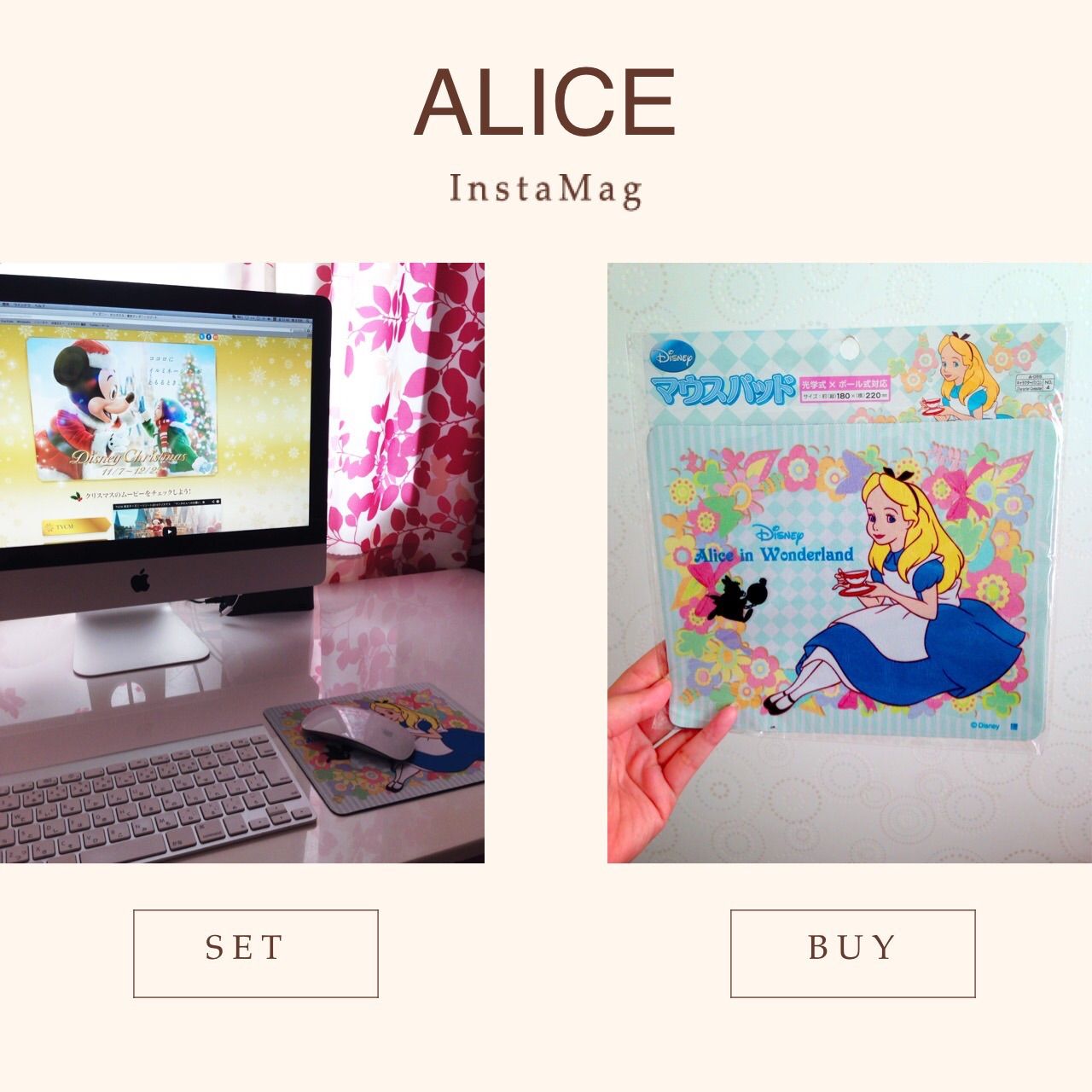
Walking through the stationery aisle of Seria, the Japanese 100-yen retail giant headquartered in Ogaki, Gifu Prefecture, feels noticeably different from browsing standard discount stores. Where competitors lean into sprawling inventory and utilitarian plastics, Seria has built an obsessive following around design-led lifestyle goods and officially licensed character accessories. As lifestyle analyst Kawai observed in a recent ダイヤモンド・オンライン Report detailing high-utility Seria Disney pouches that double as compact wallets, the chain's licensed items routinely challenge the assumption that nominal price tags guarantee disposable quality. Among these viral finds, the Seria Disney mouse pad collection, spanning classic Mickey Mouse sketches, Winnie the Pooh motifs, and Pixar graphics, has quietly found its way onto modern home office desks across Tokyo and beyond.
A sub-dollar desk surface raises immediate practical questions for knowledge workers spending eight to ten hours a day glued to screens. Can a mouse pad priced at exactly ¥110 (roughly $0.75 USD) provide sufficient tracking accuracy for pixel-level spreadsheet navigation, design work, and continuous daily typing? To separate aesthetic novelty from genuine office utility, we ran Seria’s most popular Disney licensed merchandise through a battery of daily workflow stress tests, evaluating optical mouse sensor compatibility, glide resistance, and physical durability.
📌 Key Takeaways:
- Daily Tracking Precision: The fine-weave fabric top layer reliably supports standard 1,000, 1,600 DPI optical and blue-LED sensors for everyday spreadsheet, writing, and browsing tasks without cursor jitter.
- Grip and Comfort Limits: An ultra-thin 1.5mm profile eliminates wrist-edge chafing, but the lightweight synthetic foam backing requires an impeccably clean desk to maintain friction under rapid hand movement.
- Cost-to-Value Reality: At ¥110, unstitched heat-sealed edges will show micro-fraying after four to six months of heavy friction, making it an unbeatable budget replacement rather than a permanent fixture.
The Seria Aesthetic Formula Behind Tokyo's Desk Accessory Boom
Seria occupies a distinct niche in Japan’s retail ecosystem. While Daiso built an empire on scale and Can-Do focused on hyper-practical household hardware, Seria staked its reputation on color coordination, muted Scandinavian hues, and curated licensed goods. The brand avoids loud corporate neon branding in favor of subtle interior styling. That design language extends directly into its computer peripheral accessories.
The Disney desk pad lineup avoids neon cartoons. Instead, buyers find vintage 1930s Mickey Mouse line art, monochrome typography, and muted pastel scenes featuring Donald Duck or Winnie the Pooh. The visual restraint allows these pieces to sit naturally alongside aluminum laptops, mechanical keyboards, and modern minimalist desk setups without looking like juvenile merchandise. In Japanese work-from-home spaces, where dual-purpose living-dining areas demand visual tidiness, these subdued licensed accessories have transitioned from novelty souvenirs into functional workstation fixtures.
Sensor Tracking and Optical Mouse Sensor Compatibility Put to the Test
Surface texture dictates tracking fidelity. Budget mouse pads often fail when high-contrast dye-sublimation printing tricks optical mouse sensors into misreading surface depth. To measure tracking precision, we tested Seria’s standard Mickey Mouse desk pad against three distinct pointing devices: an entry-level Logitech optical office mouse (1,000 DPI), a Microsoft Modern Mobile Mouse using BlueTrack optics, and a high-polling-rate gaming mouse operating at 3,200 DPI.
During routine office operations, navigating dense Google Sheets, scrubbing video timelines, and highlighting multi-line text blocks, the surface tracking remained consistent. The fabric weave features a tight, semi-matte finish that provides sufficient micro-texture for standard red optical sensors. We recorded zero cursor skipping during straight-line drag tests. Where the pad struggles is rapid, high-acceleration tracking. When flicked quickly across the mat, the print dye density causes occasional sensor stutter above 2,400 DPI. For day-to-day administrative workloads, project management platforms, and casual web navigation, the tracking consistency rivals mainstream office pads that retail for ten times the price.
Benchmarking the ¥110 Pad Against Standard Office Surfaces
Evaluating an ultra-budget desk pad requires comparing it directly to standard alternatives found in professional work setups. We measured Seria’s Disney mat against a generic corporate neoprene pad, a bare laminate desk surface, and an entry-level premium desk mat across four critical performance vectors.
| Surface Type | Price (JPY / USD) | Sensor Reliability | Base Stability | Edge Longevity |
|---|---|---|---|---|
| Seria Disney Mat | ¥110 (~$0.75) | Stable (under 1,600 DPI) | Moderate (Light grip) | Raw cut; 3, 6 months |
| Bare Melamine Desk | ¥0 ($0.00) | Poor (High glare/skip) | N/A | Indefinite |
| Standard Elecom Office Pad | ¥880, ¥1,200 (~$6, $8) | High (Up to 3,200 DPI) | High (Natural rubber) | Heat-sealed; 12, 18 months |
| Branded Desk Mat (SteelSeries/Razer) | ¥2,500, ¥4,000 (~$17, $27) | Flawless (All DPI tiers) | Locked (Textured rubber) | Stitched; 24+ months |

Friction, Glide Dynamics, and Wrist Ergonomics
Mouse pad dynamics come down to dynamic friction and stopping power. Seria's pad features a smooth, pressed-polyester face with minimal surface texture. PTFE mouse skates slide across it with very low starting resistance. That makes quick cursor adjustments effortless. The trade-off is stopping control: users who rely on tactile feedback to brake their pointer precisely on small UI buttons might find the surface slightly slippery.
Ergonomically, the pad measures approximately 1.5mm to 2mm in thickness. Thicker 4mm gaming mats cushion the heel of the palm, but their elevated edges often dig into the wrist over long typing sessions. Seria’s ultra-low profile sits almost flush against the desk surface. It completely eliminates wrist-lip irritation. However, the pad offers virtually zero cushioning. If your desk surface is cold metal or unyielding hardwood, your wrist bone will feel that hard foundation through the thin foam composite.
Base Stability and Long-Term Durability Realities
The bottom layer reveals where manufacturing compromises occurred to hit the ¥110 price threshold. Premium pads use dense, vulcanized natural rubber with cross-hatch herringbone patterns that suction to polished surfaces. Seria uses an open-cell EVA foam backing with a shallow embossed grid. On a clean glass, polished wood, or laminate desk, the pad holds position during normal lateral mouse movement. But if dust gathers underneath, or if you place heavy downward palm pressure while repositioning your hand, the pad will drift by a few millimeters.
Edge construction represents the primary lifespan bottleneck. To keep production costs low, these pads are die-cut without edge overlocking or perimeter stitching. Under constant friction from forearm movement, the top polyester layer will gradually separate from the EVA foam core at the bottom-left and bottom-right borders. Based on continuous eight-hour daily office usage, expect visible separation and edge fraying to emerge around month four. Because the financial barrier to replacement is negligible, treating it as a semi-annual refresh item makes complete economic sense.
Who Should Pick Up a Seria Mouse Pad (And Who Should Pass)
Budget hardware always involves specific workflow trade-offs. Matching this accessory to the right user profile prevents frustration.
Ideal Profiles:
- Hybrid Commuters: At roughly 25 grams, the pad slips flat into laptop sleeves without adding weight, serving as an ideal portable travel surface for coffee shop tables or hot-desking stations.
- Standard Office Workers: Anyone operating standard enterprise tools, Slack, Microsoft 365, browser dashboards, with a regular optical mouse will experience reliable, snag-free performance.
- Themed Setup Enthusiasts: Those looking to introduce understated Disney character aesthetics into their workspace without spending $30 on imported specialty merchandise.
Risk Flags and Dealbreakers:
- Competitive Gamers: The lack of high-DPI tracking stability and low stopping friction make it unsuitable for first-person shooters or precision competitive gaming.
- Users Seeking Wrist Cushioning: Those suffering from carpal tunnel symptoms or needing memory foam palm support will find the 1.5mm structure far too thin.
- Rough-Textured Wooden Desks: The lightweight backing struggles to create suction on unsealed, grooved, or heavily grained timber surfaces.
Frequently Asked Questions (FAQ)
Q1: Are the Disney characters on Seria mouse pads officially licensed?
A1: Yes. Seria sells legitimately licensed merchandise produced in partnership with Disney's consumer products division in Japan, complete with official copyright indicators and tags on the packaging.
Q2: Can I wash a Seria mouse pad if coffee or food spills on it?
A2: Hand-wiping with a damp microfiber cloth and mild dish soap works well. Avoid machine washing or hot water, as heat melts the adhesive binding the printed polyester face to the foam base, causing immediate bubbling.
Q3: Does the mouse pad give off a strong chemical odor out of the packaging?
A3: Because of the sealed plastic wrapper and synthetic EVA foam backing, a faint rubber-like smell is noticeable right after opening. Leaving the pad on a ventilated windowsill for two to three hours dissipates the odor entirely.
Practical Desk Setup Takeaways for 2026
Seria’s Disney mouse pad lineup proves that functional desk accessories do not require double-digit price tags to deliver everyday competence. The mat accomplishes its fundamental objective: it shields furniture from scratches, offers a smooth glide, and delivers reliable sensor communication for everyday office computing. The low-profile silhouette avoids common wrist strain issues associated with bulky pads, while the tasteful graphic execution feels appropriate for adult workspace environments.
Accepting its hardware limits, an unstitched border that wears down over time and a lightweight base that requires an immaculate desk surface, allows knowledge workers to utilize it effectively. As a zero-guilt addition to a mobile laptop bag or an easy seasonal rotation piece for a home office, this ¥110 find provides daily utility that far outpaces its pocket-change cost.
