Red Lobster Japan Fact-Check: Breaking Down Ownership Changes and the Kamiitabashi Branch
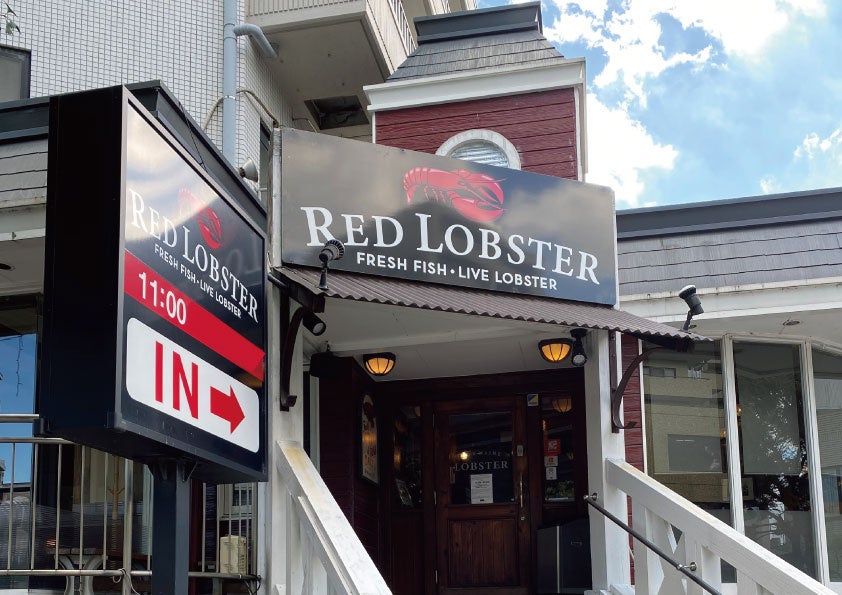
When corporate headlines announced that Red Lobster was filing for Chapter 11 bankruptcy in the United States, regular patrons of the Red Lobster Kamiitabashi branch in Tokyo feared their neighborhood seafood staple was about to vanish. Social media feeds in Japan filled with rumors that the long-standing restaurant along National Route 254 would soon board up its windows. Yet, as detailed in an official PR TIMES Report, the Kamiitabashi restaurant quietly reached its 37th anniversary celebration, keeping its live lobster tanks bubbling and dining rooms full of families cracking fresh claw meat.
The disconnect highlights a stark corporate separation between American parent operations and Tokyo casual dining. The US parent company buckled under soaring commercial real estate leases and a disastrous $20 Endless Shrimp financial impact that stripped tens of millions from cash reserves. Meanwhile, Red Lobster Japan Co. Ltd. operates as an independent franchise ownership structure completely isolated from Orlando's courtroom proceedings.
📌 Key Takeaways:
- Corporate Independence: US Chapter 11 bankruptcy filings carry zero legal authority over Red Lobster Japan, which operates as an autonomous domestic corporation.
- Operational Survival: Japanese outlets avoided catastrophic discounting schemes like unlimited shrimp promotions, focusing instead on high-margin family celebrations and domestic holiday events.
- Future Ownership: International buyout negotiations valued at approximately 30 billion Korean won point toward capital restructuring rather than local store closures.
The Disconnect Between Orlando Liquidation and Tokyo Diners
The panic across Tokyo food forums began the moment North American outlets began shuttering overnight in early 2024. News broke that the brand's American wing was preparing for court-mandated restructuring after closing scores of restaurants across 44 states. Japanese consumers automatically assumed the crisis would spill across the Pacific. Suburban Tokyoites who grew up dining at the Kami-Itabashi location took to platforms like X to ask if their local branch was doomed.
The panic proved groundless. Red Lobster Japan CEO Keisuke Otsuka promptly issued a formal clarification to steady domestic consumer sentiment. The Tokyo-based operating company confirmed that it shares branding and menu licenses, but carries neither the crushing lease debt nor the equity obligations weighing down the American parent. Red Lobster Japan remains a distinct legal entity responsible for its own balance sheet, procurement channels, and local employment agreements.
Why the Endless Shrimp Blunder Never Reached Japan
The American entity broke down due to systemic operational miscalculations. The most notorious failure was the decision to turn the limited-time Endless Shrimp promotion into a permanent, all-day $20 offering. Diners packed American dining rooms, consumed massive volumes of costly shellfish, and stayed for hours while paying razor-thin check averages. Operating losses climbed beyond $11 million in a single quarter as seafood procurement costs spiked.
Red Lobster Japan never ran such promotions. The Japanese business model treats American casual dining in Tokyo as an aspirational, celebratory family occasion rather than a discount binge. The live Maine lobster Japan menu is priced according to weight and market fluctuations, treating shellfish as a premium delicacy. Diners in Itabashi Ward visit for birthdays, anniversation milestones, and seasonal gatherings, paying healthy per-guest averages that insulate the business from margin erosion.
| Operational Factor | United States Outlets | Japan Outlets (e.g., Kamiitabashi) |
|---|---|---|
| Legal Standing | Chapter 11 Bankruptcy Restructuring | Solvent, Separate Japanese Entity |
| Shellfish Pricing Strategy | Fixed-price, all-you-can-eat discounting ($20) | Market-rate dynamic pricing & fixed plate margins |
| Real Estate Structure | Heavy private equity sale-leaseback burdens | Stable suburban roadside commercial leases |
| Core Consumer Occasion | Value-driven everyday casual dining | Celebratory family meals & multi-generational events |
Thirty-Seven Years of Seafood in Itabashi Ward
The Kamiitabashi branch occupies a distinctive place in Tokyo seafood restaurant history. Opening in mid-April 1987, the roadside venue launched during the height of Japan's bubble economy, when suburban American dining concepts were spreading rapidly along major Tokyo thoroughfares like Kawagoe Kaido. Unlike cramped central Tokyo establishments in Shinjuku or Shibuya, Kamiitabashi offered ample private parking, roomy American-style booths, and glowing glass lobster tanks that captivated generations of neighborhood children.
The restaurant survived Japan's lost decades, shifting demographics, and pandemic-era dining restrictions through stubborn neighborhood loyalty. Management actively leans into regional marketing rather than corporate austerity. When the Japanese calendar presents a June devoid of national holidays, Red Lobster Japan created its own traditions, declaring June 2 as a dedicated holiday to celebrate lobster dining and lift suburban spirits. Kami-Itabashi dining in Itabashi Ward thrives because the venue evolved into a community anchor rather than a cookie-cutter chain outpost.

The 30-Billion-Won Buyout Talks: What Capital Realignment Means
While the kitchen doors at Kamiitabashi remain open, boardroom maneuvering behind the scenes is reshaping the brand's executive future. Investigative financial reporting revealed that management rights for Red Lobster Japan entered buyout negotiations valued around 30 billion Korean won (roughly $22 million USD).
These private equity negotiations are driven by financial restructuring among international holding groups, not domestic branch liquidations. Foreign investment groups see value in stable, cash-flow-positive Japanese retail assets. For diners visiting the Kamiitabashi outpost, this type of financial transfer operates entirely above the restaurant floor. Supply chains for live North American shellfish, domestic employment terms, and local dining rooms remain intact under standard franchise operational covenants.
Frequently Asked Questions (FAQ)
Q1: Is the Red Lobster Kamiitabashi branch closing because of US bankruptcy?
A1: No. Red Lobster Japan Co. Ltd. is a completely distinct legal entity. American Chapter 11 bankruptcy filings do not impact daily operations, staffing, or store hours at Kamiitabashi or any other Japanese branch.
Q2: Why did American branches collapse while Tokyo branches remained stable?
A2: American operations suffered heavy losses from the permanent $20 Endless Shrimp deal, compounded by expensive sale-leaseback contracts created by private equity owners. The Japanese company avoided unlimited discounting, maintaining healthy margins by treating live lobster dining as a celebratory family occasion.
Q3: What do the reported 30-billion-won sale negotiations mean for Japanese customers?
A3: The potential sale represents a private equity ownership transfer of Red Lobster Japan's management rights. It involves corporate investment restructuring rather than physical store closures, meaning restaurant menus, customer rewards programs, and local operations continue as usual.
The Road Ahead for Tokyo's American Dining Classics
The survival of the Kamiitabashi restaurant proves that legacy foreign restaurant brands can thrive in suburban Tokyo if they respect local dining customs. Red Lobster Japan avoided the traps of financial engineering and destructive price-slashing that ruined its American counterpart. As long as the company maintains its high standard of hospitality and keeps its Maine lobster supplies reliable, the iconic red neon crustacean over Route 254 will continue welcoming suburban diners for decades to come.
