Rising Laundry Costs Spur Viral Demand for at-Home Professional Garment Finishing Hacks

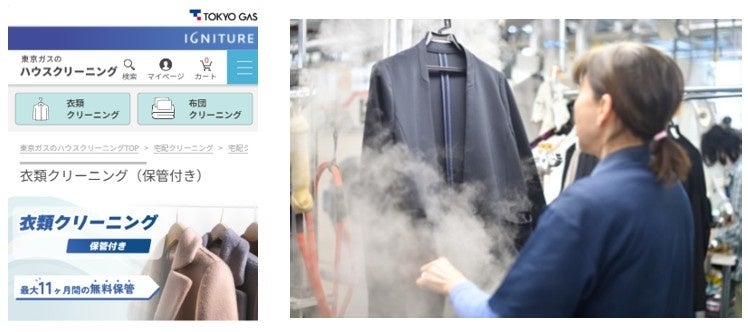
Commercial wardrobe maintenance has reached an inflection point. With energy surcharges and labor expenses pushing the average cost of dry cleaning a single winter overcoat or cashmere trench beyond $30 to $45 in major metropolitan areas, consumers are rethinking routine drop-offs. According to a seasonal consumer survey published in a PR TIMES Report, approximately 35% of consumers who experienced fabric damage, including moth holes, persistent mold, and fiber distortion, subsequently turned to professional cleaners for preventative care. Yet even as utility giants like Tokyo Gas, led by President Shinichi Sasayama, launch nationwide door-to-door delivery cleaning networks to capture household convenience, everyday clothing owners are turning the equation upside down.
Rather than outsourcing every rumpled lapel, an organized movement of textile enthusiasts and budget-minded professionals is adopting trade secrets from master tailors. The objective is precise: make garments appear as though they just arrived on a wire hanger wrapped in crisp poly film, without subjecting delicate fibers to industrial perchloroethylene solvent baths. Replicating that unmistakable, box-fresh finish requires understanding the exact physics of fabric maintenance: directional tension, moisture extraction, fiber lubrication, and structured pressing.
📌 Key Takeaways:
- Rising Laundry Care Costs: Commercial dry-cleaning inflation across 2024, 2026 has transformed routine drop-offs into an expensive luxury, sparking viral interest in high-end domestic fabric care.
- The Tension Principle: Professional garment finishing relies on simultaneous steam and directional pulling rather than flat surface crushing, a result easily mimicked with handheld garment steamer techniques.
- Strategic Maintenance: Spot treatment, mechanical de-pilling, and ironing with a pressing cloth preserve textile integrity while extending wear cycles between commercial washes by months.
The Economics Driving the At-Home Wardrobe Reset
Household maintenance budgets face unrelenting pressure. Between rising chemical procurement costs and the overhead of specialized equipment, neighborhood cleaners have adjusted price lists upward by 18% to 28% over the past two years. That jump hits hardest during the seasonal transition window, when heavy outerwear, thick cardigans, and tailored suiting come out of closets smelling stale and showing collapsed shoulder silhouettes.
The traditional reaction was simple: pack several canvas bags, drop them off at the counter, and collect an eye-watering bill a week later. Now, clothing owners are realizing that professional dry cleaners rarely use solvents to remove light wrinkles or restore garment posture. For surface wear, commercial shops rely on steam cabinets, vacuum pressing buck boards, and tensioning mannequins. When an office worker pays $15 to have suit trousers cleaned, 80% of the perceived value comes from mechanical pressing and odor removal, not solvent extraction. By deconstructing the steps cleaners use to achieve crisp silhouettes, home dressers can preserve their clothing without recurring counter fees.
Mastering Steam Tension and Garment Physics
Most people use steamers incorrectly. They dangle a jacket from a plastic hook, waft steam across the surface, and wonder why the hem remains wavy. Commercial puff irons and tunnel steamers work because the fabric is held taut while superheated steam passes completely through the weave, resetting the hydrogen bonds in the natural fibers.
To replicate this with handheld garment steamer techniques, anchor the bottom hem of the garment with one hand using a heat-resistant styling glove. Pull downward firmly to create mechanical tension. Hold the steamer nozzle directly against the interior or exterior fabric, moving upward against the grain at roughly 2 inches per second. The steam must penetrate the yarn while the fiber is stretched straight, allowing it to cool in an aligned state. For blazers and unstructured jackets, steam from the inside out around the chest canvas; this pushes the chest piece outward, recreating the barrel roll of a tailored jacket rather than flattening it against an ironing board.
The Pressing Cloth Method for Razor-Sharp Edges
Few details signal professional finishing faster than a razor-sharp trouser crease and a flat, crisp lapel roll. Yet running a domestic iron straight over dark worsted wool or gabardine is the fastest way to ruin a garment. The direct heat melts or crushes delicate surface scales, creating the telltale plastic sheen that permanently disfigures tailored clothing.
Ironing with a pressing cloth acts as a critical thermal barrier. A damp strip of unbleached cotton muslin or plain linen allows heat and steam to transfer through to wool fibers while preventing synthetic glossing. Set your iron to the wool setting with steam engaged. Place the pressing cloth over the crease, lower the iron, apply moderate body weight for 3 to 5 seconds, and lift cleanly off. Never drag the iron across wool; dragging stretches diagonal grainlines out of square. To set a crease permanently, follow immediately with a wooden tailor's clapper. Pressing the dense, unfinished wood block against the steamed fold traps the residual heat and pulls out ambient moisture, freezing the fabric into a knife-edge crease that lasts through multiple commutes.
Comparing Commercial Cleaners Against Domestic Finishing
Deciding when to tackle garment care at home versus when to send high-value pieces to a facility comes down to fabric composition, structural dirt, and time investment. The breakdown below details where DIY methods excel and where professional intervention remains necessary.
| Care Parameter | Commercial Dry Cleaning | DIY Finishing Hacks |
|---|---|---|
| Average Cost Per Item | $12, $45 per garment | $0.20, $0.85 (Steam/Electricity/Conditioner) |
| Turnaround Time | 3, 7 business days | 8, 15 minutes per piece |
| Fiber Longevity Impact | Solvents gradually strip natural lanolin | Zero chemical degradation if steamed properly |
| Stain Removal Capability | High (deep oils, oxidized grease, pigment) | Moderate (surface dust, light water spots) |
| Best Application | Post-season deep washes, silk gowns, down fills | Weekly suit refreshment, knit reshaping, de-pilling |
Cashmere, Wool, and Knitwear Architecture
Knitwear requires an entirely different playbook. Sweaters do not show crisp creases; their perceived quality comes from loft, softness, and the complete absence of pilling along friction zones. When wool or cashmere rubs against coat linings or desk surfaces, broken micro-fibers tangle into unsightly fuzz balls. This makes even a $400 sweater look aged within three wears.
Reclaiming that showroom loft starts with wool coat de-pilling and knit shearing. Avoid standard single-blade disposable razors, which easily snag woven loops and slice yarns. Use a dedicated motorized fabric defuzzer with an adjustable height ring, or an abrasive cashmere comb drawn strictly in parallel strokes along the yarn grain. Once the surface fuzz is cleared, restore the yarn's internal moisture. Natural wool is hair; when dehydrated by forced-air home heating, it turns brittle.
Delicate fabric restoration relies on a misting bottle filled with distilled water mixed with 1 to 2 drops of pure lanolin or cosmetic hair conditioner. Spritz the knit lightly from 12 inches away, place it flat on a thick Turkish towel, block the dimensions square by measuring the sleeve cuffs and hem, and steam gently from 2 inches above the surface. As the fibers drink in the moisture, the knit fluffs back to its original plush thickness.
Odor Neutralization and Seasonal Storage Prep
The final hallmark of professional dry cleaning is total sensory neutrality: no wardrobe mustiness, no faint sweat signatures, and no stale food odors clinging to the lining. Store-bought aerosol room sprays mask smells with synthetic perfumes, leaving behind a sticky residue that attracts dust and turns collars yellow over time.
Professional textile curators use high-proof, unflavored vodka or isopropyl alcohol cut with distilled water at a 1:1 ratio. Mist this solution thoroughly across armpit linings, trouser crotches, and coat interiors. Alcohol evaporates rapidly, binding to volatile organic compounds and pulling odor-causing bacteria out of the weave without leaving behind any scent. Follow this with a crisp collar finishing pass: run a warm styling iron over the collar stand with light starch or a natural rice water mist to restore firmness.
For seasonal garment storage prep, ensure clothes are completely dry before boxing or hanging. Trapped moisture invites clothes moths, whose larvae feed on lingering skin proteins. Store fine woolens and down coats in breathable, zippered cotton canvas bags rather than sealed plastic, preventing the moisture condensation that triggers costly mold outbreaks.
Frequently Asked Questions (FAQ)
Q1: Can handheld steaming fully replace commercial dry cleaning for wool coats?
A1: Steaming eliminates wrinkles, lifts flattened pile, and destroys odor-causing surface bacteria, handling roughly 80% of routine wear maintenance. However, it cannot extract deep petroleum oils, body grease, or ground-in street soot. Plan to steam and brush your coats across the winter, reserving professional solvent cleaning for once every 12 to 18 months.
Q2: Why does my suit jacket develop shiny patches after home pressing?
A2: Direct dry heat melts the cuticle scales on natural wool fibers, flattening them into a reflective, glossy surface. To prevent this, always place an unbleached cotton pressing cloth or linen towel between the iron and the garment, and rely on steam bursts rather than sustained direct contact.
Q3: How do DIY dry cleaning kits for home tumble dryers compare to professional shops?
A3: Home dryer sheets release mild water-based steam, deodorizing agents, and fabric conditioning perfumes inside the drum. They work well for loosening surface wrinkles and freshening unsoiled synthetic fabrics, but they do not spot-clean stubborn stains, reshape canvassed jackets, or deliver structural trouser creases.
What Lies Ahead for Garment Longevity
The economics of clothing care have shifted permanently. As dry-cleaning price points stay high throughout 2026, the reliance on automated outsourcing is giving way to hands-on fabric literacy. Caring for clothing is no longer viewed as a burdensome domestic chore; it is an act of asset protection. Fine woolens, double-faced cashmeres, and structured suiting can survive for decades when freed from aggressive, repeating solvent cycles.
Mastering mechanical steam tension, utilizing a pressing cloth, and establishing proper seasonal storage protocols yields wardrobes that consistently look tailored and pristine. With nothing more than a quality steamer, an abrasive comb, and basic humidity controls, anyone can walk out the door looking as though they pick up their wardrobe from the valet every morning.
