Safe Double Eyelid Solutions: Better Alternatives to Bobby Pins, Tapes, and Glues

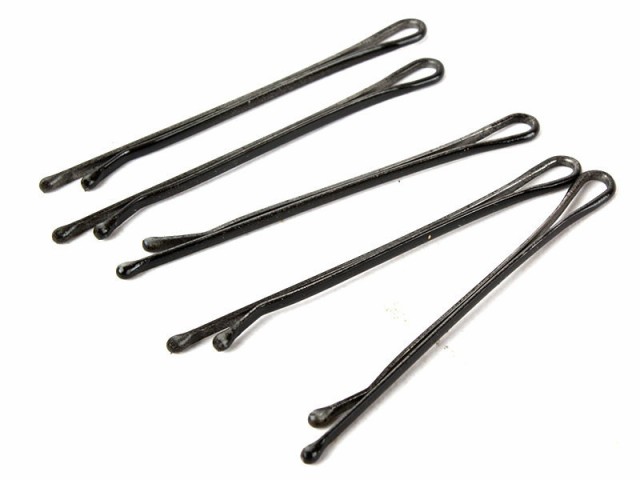
A disturbing beauty shortcut continues to recirculate across TikTok, Instagram Reels, and Xiaohongshu: teenagers and young adults pressing the rounded metal tip of a standard bobby pin into their upper eyelids, dragging it across delicate skin to force a crease line. Known in Japanese beauty forums as futae kusezuke using a hairpin, the DIY practice promises an instant supratarsal fold without surgery. Beneath the viral before-and-after videos lies an alarming physical toll. Ophthalmic surgeons and dermatologists report an influx of patients presenting with severe mechanical trauma, scratched corneas, and irreversible eyelid laxity caused directly by rigid metal styling tools.
The pursuit of an eyelid fold, long driven by East Asian cosmetic standards and global makeup trends, has spawned an entire underground taxonomy of hacks. For decades, consumers turned to over-the-counter tapes and polymer glues to achieve monolid crease training. When everyday adhesives lose their novelty or irritate the skin, high-risk household implements take their place. Navigating the desire for defined eyelids requires understanding the biological architecture of the ocular region, the genuine hazards of blunt metal tools, and the medical realities behind non-surgical eyelid options and permanent surgical interventions.
📌 Key Takeaways:
- The Direct Trauma: Pressing rigid metal pins into the periorbital tissue introduces an acute corneal scratch hazard and risks permanent bacterial keratitis from micro-abrasions.
- The Structural Fallacy: True biological double eyelids require internal fibrous attachments between the levator aponeurosis and the dermal tissue; surface compression cannot create a genuine permanent double eyelid crease.
- Cumulative Damage: Chronic stretching from glues, stiff tapes, and mechanical friction damages delicate elastin fibers, accelerating premature eyelid skin sagging and acquired ptosis risk.
- The Safer Reality: Medical solutions ranging from non-incisional buried suture techniques to full blepharoplasty provide predictable, sterile outcomes that eliminate daily tissue abuse.
The Social Media Roots of Bobby Pin Crease Training
The bobby pin eyelid hack stems from a widespread misconception about tissue memory. Online beauty tutorials claim that applying firm, repetitive pressure along the upper tarsal plate will eventually "train" the skin to fold naturally. Creators often demonstrate bending a coated steel hairpin into a curved clamp, resting it against the lid for minutes, or even sleeping with it secured under medical tape, to carve a mechanical crease.
The human eyelid features the thinnest skin on the human body, measuring a mere 0.5 millimeters in thickness. It lacks substantial subcutaneous adipose tissue and rests on an intricate network of fine micro-capillaries and nerve endings. When a metal hairpin compresses this barrier, it produces immediate swelling and focal inflammation. Users mistake this local inflammatory edema for a successful, forming crease. Within a few hours, as lymphatic drainage clears the localized fluid buildup, the crease collapses, prompting the user to apply even deeper pressure the following day.
Monolid anatomy differs fundamentally from lids with a natural fold. In individuals born with a distinct crease, tiny fibrous extensions branch off from the levator palpebrae superioris muscle, the muscle that elevates the eyelid, and anchor directly into the deep surface of the eyelid skin. When the eye opens, these anchors pull the skin inward, creating a crisp indentation. Without these internal muscular fibers, dragging an external piece of metal across the epidermis accomplishes nothing beyond surface trauma.
Severe Corneal Hazards and the Ophthalmologist Warning
The immediate physical danger of pressing a hairpin near the globe is mechanical eye injury. A sudden sneeze, a hand tremor, or an unexpected bump from a pet can drive the metal edge directly into the eye. Corneas are vulnerable to sudden blunt lacerations, which can compromise vision within seconds.
Clinical data from ophthalmology clinics across Tokyo, Seoul, and Taipei highlights a pattern of recurring injuries among young patients experimenting with beauty hacks. In a 2024, 2025 multi-center observational report on cosmetic ocular trauma, periorbital abrasions linked to non-medical domestic tools accounted for roughly 14% of non-accidental corneal injuries among teenagers. Common clinical presentations include:
- Corneal Epithelial Erosion: Direct scrapes tear away the protective epithelial layer of the cornea, causing photophobia, extreme pain, and an urgent risk of ulceration.
- Microbial Keratitis: Hairpins harbor environmental bacteria, hair care residues, and oxidized metals. Introducing these contaminants into micro-tears can ignite rapidly progressing infections caused by Pseudomonas aeruginosa or Staphylococcus aureus.
- Tarsal Plate Distortion: The tarsus provides rigid structural support to the eyelid. Chronic mechanical indentation can bend this fibrocartilaginous plate, leading to irregular astigmatism or trichiasis, where eyelashes turn inward and continually scratch the globe.
Every major ophthalmologist eyelid warning emphasizes a basic rule: blunt steel implements should never be placed within the periorbital frame. The margin for error is non-existent, and a deep corneal scar can permanently impair visual acuity, requiring therapeutic contact lenses or corneal transplant surgery to resolve.
Eyelid Skin Sagging and the Reality of Acquired Ptosis
Consumers who avoid catastrophic eye punctures still face progressive, cumulative tissue damage. When users abandon hairpins, they frequently transition to adhesive eyelid tapes, liquid polymers, and specialty glues. While safer than metal edges, these chemical solutions present distinct long-term complications.
Repeated application and aggressive peeling of strong adhesive strips strip away epidermal layers daily. This chronic friction triggers a defensive response known as lichenification, where the skin thickens, discolors, and loses its natural elasticity. Over months of uninterrupted wear, eyelid skin sagging accelerates dramatically. The stretched, redundantly hanging skin, medically categorized as pseudoptosis or dermatochalasis, frequently ends up masking the eye opening, making the eye appear significantly smaller than it did initially.
Beyond cosmetic sagging, continuous mechanical manipulation increases ptosis risk. Blepharoptosis occurs when the levator aponeurosis tendon stretches or detaches from the tarsal plate. The mechanical weight of heavy adhesive glues, paired with the constant downward traction when removing stubborn products, strains this delicate tendon. Plastic surgeons routinely encounter patients in their early twenties presenting with acquired aponeurotic ptosis directly tied to five or six years of aggressive adhesive use. Once the tendon thins or slips, topical treatments cannot repair it; corrective surgery becomes the only recourse.
Comparing Non-Surgical Crease Techniques and Clinical Alternatives
Selecting a method for eyelid enhancement requires weighing immediate appearance against ongoing biological cost. The table below outlines how common consumer practices compare to clinical interventions in terms of longevity, safety, and price ranges based on prevailing 2025, 2026 cosmetic benchmarks.
| Method | Permanence & Efficacy | Primary Safety Risks | Average Cost (USD) |
|---|---|---|---|
| Bobby Pin / Hairpin Hack | Temporary swelling only; zero permanent biological fold creation. | Corneal abrasion, deep bacterial infection, structural tarsal deformities. | $0 |
| Adhesive Tapes & Liquid Glues | Temporary (8, 14 hours per application). | Contact dermatitis, epidermal thinning, chronic skin laxity, aponeurotic ptosis. | $10, $35 / month |
| Targeted Massage & Crease Sticks | Negligible; temporarily manipulates superficial lymphatic fluid. | Mild periorbital bruising, dermal stretching through unlubricated friction. | $5, $20 |
| Buried Suture Technique (Non-Incisional) | Semi-permanent to permanent (lasts 3, 10+ years depending on anatomy). | Suture loosening, minor asymmetry, foreign body granuloma (rare). | $1,500, $3,500 |
| Full Incisional Blepharoplasty | Permanent anatomical creation of fibrous attachments. | Standard surgical risks: prolonged swelling, scarring, prolonged downtime. | $3,000, $6,500 |
Harm Reduction: Safer Non-Surgical Eyelid Options
For those unready or unwilling to consider surgical procedures, safer management strategies can minimize tissue degradation. Completely abandoning metal tools is step one. The second step involves choosing eyelid tape alternatives engineered to minimize traction and epidermal stress.
Water-activated mesh tapes represent a vast improvement over thick, rubber-based medical adhesives. These ultra-thin micro-porous films bond using tiny amounts of water rather than industrial-grade acrylates. They exert less drag on the skin barrier and blend seamlessly into natural skin tone, reducing the urge to peel and reapply throughout the day.
When using cosmetic adhesives, the removal routine matters far more than the product itself. Pulling, snatching, or ripping dry tape off the lid stretches the skin outward, breaking down microscopic elastin fibers. Removal requires gentle saturation with a dedicated bi-phase oil cleanser or micellar liquid. Holding an oil-soaked cotton pad against the closed eye for 20 to 30 seconds breaks down the adhesive polymers entirely, allowing the strip to glide away with zero physical resistance.
Individuals exploring periorbital massage should recognize its functional limits. Gentle manual lymphatic drainage can alleviate morning puffiness, which sometimes helps a subtle natural fold show through. However, massage cannot alter deeper musculoskeletal anatomy. When performing any facial routine near the ocular orbit, applying high-slip squalane or jojoba oil is non-negotiable to prevent drag.
When Medical Intervention Offers the Safer Path
Years of chronic adhesive use often leave patients with irritated, prematurely aged lids. Paradoxically, choosing a controlled medical procedure can preserve more long-term eyelid health than decades of daily chemical and mechanical trauma. Clinical interventions establish the necessary anatomical structures under sterile, regulated conditions.
For younger candidates with taut, thin eyelid skin and minimal fat deposits, the non-incisional buried suture method offers an effective blepharoplasty alternative. During this outpatient procedure, a plastic surgeon places microscopic, biocompatible nylon sutures through several pinpoint openings to join the tarsus to the subdermal tissue. The operation takes roughly 30 minutes, requires only local anesthesia, and creates minimal swelling. The resulting fold mimics the biological structure of a natural double eyelid without tissue excision.
For individuals who already exhibit heavy eyelid skin sagging, profound asymmetric fat distribution, or adhesive-induced dermatochalasis, incisional blepharoplasty remains the clinical gold standard. The surgeon removes excess, stretched skin, meticulously repositions underlying orbital fat pads, and anchors the dermis directly to the levator aponeurosis. While the initial recovery requires 10 to 14 days of downtime, the structural integrity of the lid is established permanently, ending the cycle of daily tape manipulation, glue-induced contact dermatitis, and creeping ptosis.
Frequently Asked Questions (FAQ)
Q1: Can consistent bobby pin or tape use eventually create a permanent double eyelid crease?
A1: No. A natural eyelid crease requires deep structural fibers connecting the levator muscle directly to the skin. External tools cannot generate these internal anatomical connections. Any long-lasting line that appears after years of tool or tape use is typically a premature wrinkle caused by broken elastin fibers and redundant, sagging skin, not a genuine supratarsal fold.
Q2: What should I do immediately if I accidentally scratch my eye with a bobby pin?
A2: Stop touching or rubbing the eye immediately. Avoid inserting contact lenses and do not apply over-the-counter medicated redness drops, which can irritate exposed internal tissue. Flush the eye gently with sterile saline solution, and visit an urgent care center or ophthalmologist within 12 to 24 hours. Corneal abrasions require professional evaluation and prophylactic antibiotic drops to prevent microbial keratitis.
Q3: How can I tell if my eyelid glue use has caused early ptosis?
A3: Early signs of acquired ptosis include feeling a persistent heaviness in the upper lids, unconsciously raising your eyebrows or forehead muscles to keep your eyes open, and noticing that your iris is partially covered by the eyelid margin when looking straight ahead. If you observe asymmetry or reduced visual field clearance, consult a board-certified oculoplastic surgeon for an evaluation.
Protecting Periorbital Health Moving Forward
The allure of low-cost beauty hacks will always persist on algorithm-driven video feeds. Yet the physical reality of the human ocular orbit remains unchanged: it is an exceptionally delicate, vulnerable biological structure that does not tolerate harsh friction, toxic adhesives, or improvised metal implements. Sacrificing long-term tissue elasticity and risking corneal integrity for a fleeting social media trend represents an unsustainable cosmetic trade-off.
Achieving eye definition should never compromise functional vision or skin health. Embracing safer application protocols, recognizing the limits of non-surgical crease training, and consulting licensed ophthalmic and plastic surgery professionals ensure that aesthetic choices protect periorbital health for decades to come.
