Sakoshi Oyster Shortage Rumors Exposed: Are Direct Sales Stands Actually Running Out?
Whispers of an acute winter oyster harvest shortage began circulating across Kansai wholesale auctions in late 2025, triggering panic among seafood lovers heading toward Ako City. Sakoshi Bay oysters hold an elite reputation for their sweet finish, plump meat, and remarkably low water loss during cooking. When preliminary reports from Hyogo coastal fisheries pointed to fluctuating water temperatures and lower raw yields offshore, seafood forums braced for bare counters at dockside retail shops.
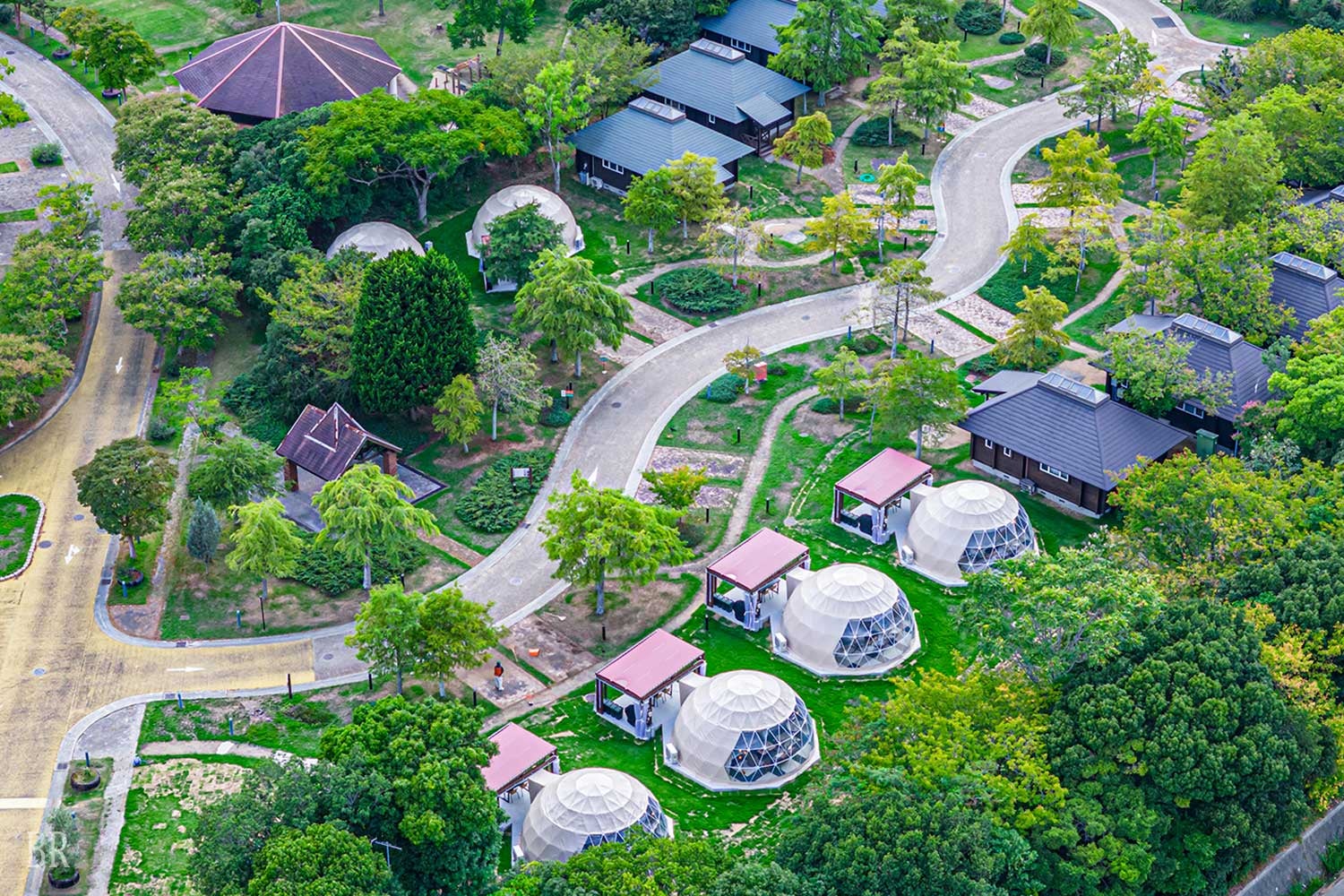
Yet the situation on the ground tells a vastly different story. While broad wholesale channels have absorbed supply tightening, farm direct sales stands flanking Sakoshi Port remain active. Municipal operators and local hospitality partners have backed this availability with high-profile seasonal activations, as detailed in an official PR TIMES Report outlining Ako Seaside Park's dedicated winter gourmet programs. Direct harbor visitors are discovering that fresh shucked oysters in shell and live culinary-grade stocks are still moving steadily off the docks.
📌 Key Takeaways:
- Supply Reality: Offshore harvests tightened in late 2025, but local direct retail stands secured priority allocation over open wholesale auctions.
- The Infrastructure Buffer: Ako producers deployed high-capacity live oyster holding tanks to stabilize seasonal oyster availability against sudden winter supply dips.
- Buyer Strategy: Early arrival remains essential; dockside retail stalls and seafood BBQ market stands regularly exhaust morning walk-in quotas by 1:00 PM.
The Scramble Across Sakoshi Port's Waterfront Stalls
The narrow roads threading past Sakoshi Station toward the harbor see heavy morning traffic each winter. Drivers make the pilgrimage from Osaka, Kobe, and Okayama with insulated cooler boxes stacked in their trunks. In early January 2026, chatter across Japanese food forums suggested that seasonal oyster availability had cratered, leaving stalls shuttered. That rumor misdiagnosed the mechanics of Ako City seafood retail.
The waters of Sakoshi Bay benefit from nutrient-dense runoff carried down by the Chigusa River. Because the bay is sheltered, oysters mature in a single year, yielding delicate shells packed with firm, creamy meat. When regional environmental shifts slowed initial yields across western Japan, primary producers in Sakoshi redirected their harvest priorities. Instead of dumping volume into distant commodity auctions, harvesters funneled their premier hauls directly to their own retail storefronts along the harbor.
How Live Holding Tanks Shield Direct Sales From Open-Water Slumps
The secret behind Sakoshi’s stable storefront volume sits right behind the retail counters: heavy investments in live oyster holding tanks. Rather than relying exclusively on daily runs by dredging boats, established outfits maintain onshore recirculating seawater systems equipped with intensive ultraviolet sterilization. These tanks act as physical shock absorbers against adverse weather and fluctuating open-water catches.
Venues like Kaisen Donya Jo demonstrate how harbor merchants adapted. While general regional news broadcasts warned of a lean winter catch in early 2026, operators equipped with commercial tank arrays continued serving customers at adjoining seafood BBQ market stands. Oysters pulled from these filtration tanks purge sediment and maintain optimal freshness without losing water weight. When storms keep the harvesting fleet tied to the pier, direct sales inventory draws from several days of purified reserves, ensuring retail customers walk away with full bags.
Field Breakdown: Retail Prices, Quotas, and Harvest Metrics (2024, 2026)
Evaluating the market requires parsing wholesale distribution against harbor-side farm stands. Direct buyers experience a very different price structure than urban supermarkets, which face transport markups and third-party bidding pressure.
| Metric / Indicator | 2024 Harvest Baseline | 2025 Initial Harvest | 2026 Current Season |
|---|---|---|---|
| Sakoshi Port Wholesale Prices (per kg, shell-on) | ¥900, ¥1,100 | ¥1,100, ¥1,350 | ¥1,250, ¥1,500 |
| Dockside Direct Retail (per kg, shell-on) | ¥1,000, ¥1,200 | ¥1,100, ¥1,300 | ¥1,200, ¥1,400 |
| Shucked Oyster Containers (500g fresh meat) | ¥2,200, ¥2,500 | ¥2,400, ¥2,800 | ¥2,600, ¥3,000 |
| Daily Retail Stand Sell-Out Window | 2:30 PM, 4:00 PM | 1:00 PM, 2:30 PM | 11:30 AM, 1:00 PM |
The numbers clarify what casual buyers misinterpret as an absolute shortage. While wholesale prices climbed roughly 25% to 35% across Kansai central markets between 2024 and 2026, farm direct stands absorbed much of that surge. Shell-on pricing at harbor counters rose modestly, generally staying within a narrow band of ¥1,200 to ¥1,400 per kilogram. The real operational shift is time. Tight aggregate volumes mean stands burn through daily quotas hours earlier than they did two seasons ago.
The Rise of Samurai Oyster Branding and Culinary Demand
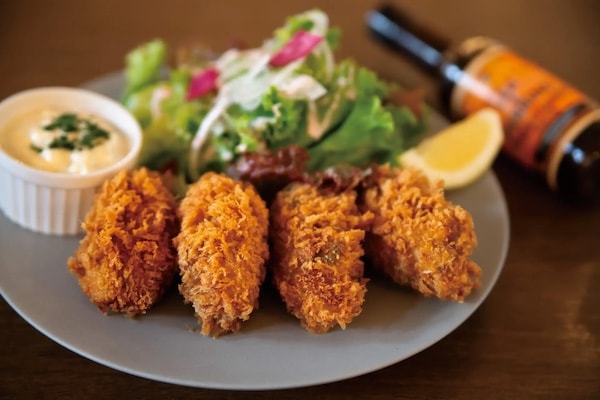
Aggravating the perception of scarcity is the surging commercial profile of Sakoshi's trademarked exports. High-end restaurants across Hyogo and Osaka aggressively secure branded hauls under the Samurai Oyster label. In Kobe's bustling Sannomiya district, Western-style establishments like Yoshokuya Kobe Doushan showcase seasonal deep-fried oysters sourced directly from Sakoshi. Their menus emphasize the signature density of the meat, which retains its size without shriveling in hot frying oil.
Because premium culinary accounts lock down forward contracts for graded batches, urban diners often assume the docks have run dry. In practice, local fisheries maintain a firm boundary between contractual restaurant allocations and open harbor sales. Harvesters understand that local drive-in traffic represents their core community base. Even when commercial trucks haul bulk lots toward Kobe and Osaka kitchens before dawn, harbor retail stalls retain their designated morning inventory.
Navigating Ako's Seafood BBQ Markets and Dockside Counters
Scoring the freshest lot requires adjusting to harbor logistics rather than relying on tourist timetables. Sakoshi's direct sales network consists of independent family fishery storefronts, cooperative retail stations, and full-service seafood pits clustered around the port basin.
Walk-in customers seeking live oysters should aim for the early operating window between 8:30 AM and 10:30 AM. Stalls pack purchases in heavy plastic bags layered with crushed ice or load them directly into personal cooler boxes. For travelers without home cooking equipment, venues featuring charcoal grills allow customers to purchase a basket of fresh catch, shuck it at an open-air table, and consume it within sight of the harvesting rafts. Those who delay their arrival until mid-afternoon face empty display shelves, not because the bay stopped producing, but because savvy locals arrived first.
Frequently Asked Questions (FAQ)
Q1: Are Sakoshi oyster stands sold out for the 2026 winter season?
A1: No. Dockside retail shops continue operating daily throughout the winter. However, because aggregate catches are lower this season, individual retail quotas sell out earlier in the day, frequently by noon on weekends.
Q2: What is the difference between Sakoshi oysters and typical Pacific oysters?
A2: Sakoshi Bay oysters are cultivated in clean, nutrient-dense waters sheltered from open ocean currents. They reach market size in about one year. As a result, the shells are thinner, the meat is creamy without strong briny bitterness, and the oysters release minimal water when grilled or steamed.
Q3: Can I buy raw shucked oysters for sashimi consumption directly at the docks?
A3: Yes. Direct sales stands offer both fresh shucked oysters in shell and pre-shucked containers certified for raw consumption (生食用). Every batch undergoes mandatory ultraviolet water purification cycles before release.
Securing Fresh Catch Along the Ako Coast in 2026
The narrative of a crippling oyster crisis in Sakoshi unravels once you step onto the concrete piers of Ako City. Macro pressures have certainly trimmed open-market shipping numbers, nudging metropolitan restaurant prices higher and compressing dockside operating hours. Yet the core infrastructure, rooted in high-capacity purification tanks, direct-to-consumer farm counters, and protected bay cultivation, remains fundamentally sound.
Visitors who adjust their expectations around timing rather than scarcity will find Sakoshi's stalls operating as they always have. Arrive early, bring a well-insulated cooler, and skip the secondary city retailers. The freshest harvest in western Japan is waiting right at the water's edge.
