Seasonal Swallow Nesting Surge: The Critical 24-Hour Survival Window for Fallen Chicks
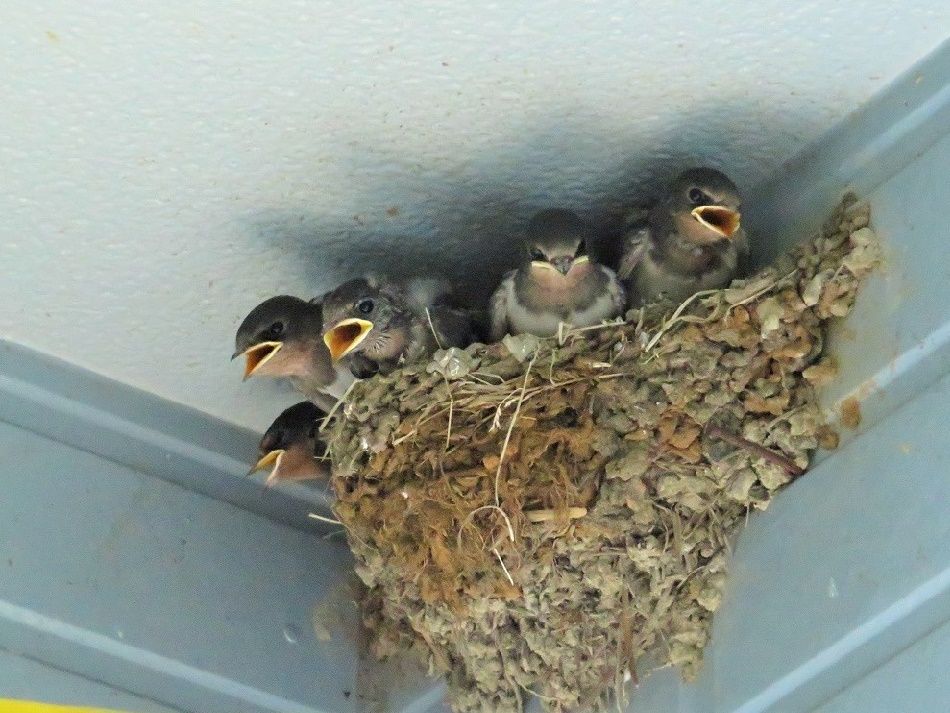
Every spring across suburban neighborhoods and transit hubs, barn swallows build mud cups along the undersides of eaves, parking structures, and train station rafters. When summer heatwaves spike or clutches of five grow too large for a fragile mud rim, homeowners and commuters encounter a sudden emergency: a naked or partially feathered chick splayed across the pavement below. The impulse to gather the bird up, place it in an old shoebox, and offer milk or sugar water is almost universal, yet this reflexive reaction kills thousands of birds annually.
Intervening with a grounded swallow requires swift triage rather than domestic caretaking. These birds possess specialized metabolic demands and hyper-sensitive respiratory tracts that make traditional household pet care lethal. Navigating the crucial first 24 hours demands clinical precision: identifying the exact developmental stage, restoring lost body heat, and executing immediate re-nesting protocols before metabolic depletion sets in.
📌 Key Takeaways:
- The Golden Rule: Immediate re-nesting represents the highest statistical chance of survival; wild parents will reliably resume feeding if the chick is warm and returned safely.
- The Fatal Mistake: Administering water, milk, or soaked bread directly into the beak causes rapid pulmonary aspiration and severe gastrointestinal necrosis.
- Legal Reality: Barn swallows are strictly protected under federal and international wildlife statutes, meaning unauthorized long-term captive rearing carries steep civil penalties.
Barn Swallow Nesting Dynamics and Why Chicks Fall
Barn swallows (*Hirundo rustica*) are architectural opportunists. They build hemispherical nests using hundreds of individual pellets of mud bound with grass stems, adhering them to vertical masonry, wood beams, or concrete overhangs. While structurally resilient under ideal conditions, these nests face immense physical strain as the brood matures. By day twelve after hatching, four to six chicks each weigh approximately 18 to 22 grams, placing immense load on drying mud brackets exposed to rising urban temperatures.
Chicks do not fall out of their nests solely by accident. Nest failure follows three primary patterns: intense sibling competition for incoming aerial insects, parasitic infestations such as blood-sucking bird mites that force nestlings to flee the cup, and structural breakdown caused by rain softening the mud adhesion. In high-density nesting sites, extreme afternoon heat can drive unfeathered chicks to the edge of the rim seeking air, causing them to slip onto hard surfaces below. Understanding the root cause determines whether the chick can simply go back into the original nest or requires a modified substitute structure.
Nestling vs. Fledgling Identification: The Split-Second Decision
Before touching any wild chick, rescuers must diagnose its physical developmental stage. Intervening with a bird that does not need rescue wastes crucial parental effort and disrupts natural survival conditioning. Barn swallows pass through distinctly visible stages that dictate whether human assistance is warranted or harmful.
| Stage | Physical Markers | Primary Threat | Immediate Action |
|---|---|---|---|
| Hatchling (Days 1, 4) | Closed eyes, pink translucent skin, sparse down, incapable of sitting upright. | Rapid hypothermia within 15, 20 minutes; circulatory collapse. | Warm immediately to 38°C; return to original nest or call a rehabilitation center. |
| Nestling (Days 5, 14) | Eyes open, pin feathers emerging in dark sheaths, yellow gape flanges, cannot grip perches. | Ground predation, hypothermia, dehydration. | Inspect for trauma; re-nest in existing mud cup or mount a makeshift replacement box. |
| Fledgling (Days 18, 22) | Fully feathered, short tail, strong foot grip, hops, flutters short distances along the ground. | Domestic cats, road traffic, unnecessary human kidnapping. | Leave alone; elevate onto a nearby low branch or wall if domestic pets are present. |
Fledglings spend roughly 24 to 48 hours testing their wings and building pectoral muscle density near ground level. Parents watch from phone lines or roof ridges, diving down to deliver flies while calling out warnings. Unless a fledgling shows visible blood, asymmetrical wing droop, or cat contact, it does not require clinical rescue.
The First Hour: Emergency Warming and Re-Nesting Protocol
Hypothermia is the swiftest killer of fallen nestlings. A chick found on cold concrete loses core heat rapidly because its autonomic thermoregulation does not mature until feathers unfurl. When an unfeathered swallow feels cold to the touch, its digestive organs shut down. Attempting to feed a cold chick leads to gut stasis, where food rots in the stomach and releases lethal toxins.
Wrap a hot water bottle or chemical heating pad in a clean cloth towel and place it beneath a small cardboard box. Line the box with dry paper towels folded into a cup shape to brace the chick's legs, preventing developmental splay-leg deformity. The environmental temperature for a naked nestling must hover strictly between 35°C and 37°C (95°F, 98.6°F). Never place a chick directly onto an unshielded heat source; their paper-thin skin burns within seconds.
The widespread belief that wild birds abandon offspring touched by human hands is completely false. Passerines have minimal olfactory tracking capability and rely overwhelmingly on visual and auditory cues. Once the chick feels warm and active, returning it to the original nest is the primary objective. If the original mud structure collapsed, construct a makeshift nest box using a shallow plastic container or strawberry carton with drainage holes punched through the base. Line it with dry paper towels, never loose string or cotton batting that can tangle around limbs, and securely tape or wire it within 30 to 50 centimeters of the original nesting site. Parent swallows tracking the begging calls will adopt the substitute nest within two hours.
Emergency Hydration Dangers and Kitchen Food Pitfalls
The single most destructive act well-intentioned rescuers commit is dropping tap water, sugar solutions, or milk directly into an open beak using an eye-dropper or syringe. Birds do not swallow like mammals. The avian glottis, the airway opening to the lungs, sits squarely at the base of the fleshy tongue. Liquid squeezed into the mouth cascades straight down the trachea, causing instantaneous asphyxiation or secondary fungal pneumonia within hours.
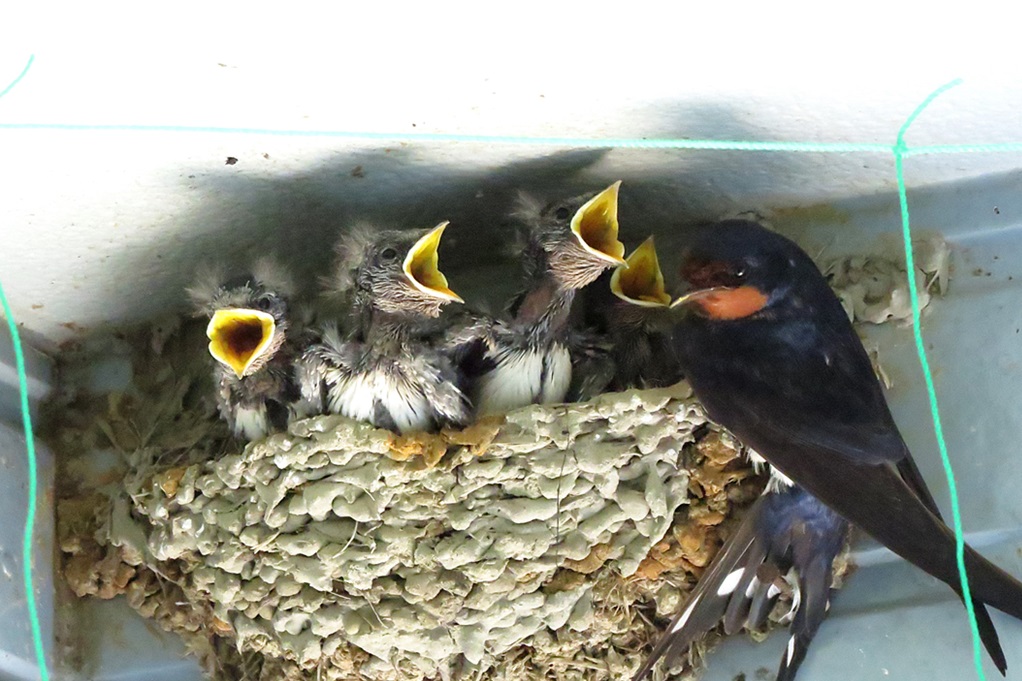
Wild swallows are strict aerial insectivores. In nature, nestlings receive 100 percent of their physiological moisture through the soft tissues of chewed flies, aphids, and midges delivered by adults. They do not drink surface water. Under emergency wildlife rehabilitation standards, oral fluid therapy is administered exclusively via sterile feeding tubes directly into the crop by licensed personnel using isotonic electrolyte blends heated to core body temperature.
Offering processed household foods causes systemic metabolic breakdown. Bread expands inside the digestive tract, blocking the passage of actual nutrients while offering zero caloric value. Milk triggers violent bacterial diarrhea because birds lack the lactase enzyme necessary to break down mammalian sugars. Cat or dog kibble, while protein-dense, contains incorrect mineral balances, excessive iron, and artificial preservatives that degrade avian liver tissue within days.
Managing Insectivorous Diets When Rescues Face Delays
When bad weather or severe structural destruction prevents immediate re-nesting, locating an authorized wildlife rehabilitation center is the only viable path to long-term survival. If transport logistics require overnight housing, caretakers must understand the severe nutritional demands of insectivorous young.
Swallow metabolism operates at breakneck speed. During daylight hours, nestlings require feeding every 15 to 20 minutes from dawn until dusk. In an emergency setting where professional intervention is delayed past several hours, licensed rehabilitators utilize specific emergency insect rations:
Small mealworms with the chitinous heads crushed, freshly molted white mealworms, or gut-loaded field crickets with the spiny jumping legs removed offer emergency protein. Dip each insect lightly in distilled water to deliver hydration naturally through the food bolus. Using blunt tweezers, gently present the insect above the chick’s bill; the begging reflex triggers automatically. Feed only until the neck bulge indicates the crop is comfortably full, and never feed a bird that feels cold to the touch. Do not feed after dark. Swallows naturally sleep through the night without food, provided ambient warmth remains stable.
Legal Realities and Long-Term Rehabilitation
Attempting to permanently raise a swallow chick at home crosses major legal boundaries. In the United States, the Migratory Bird Treaty Act of 1918 makes it a federal crime to capture, possess, or transport wild native birds, their nests, or their eggs without active federal and state permits, with violations carrying fines up to $15,000. Similar protections apply across the United Kingdom under the Wildlife and Countryside Act 1981, and in Japan under the Wildlife Protection and Hunting Management Law, which expressly bans the unauthorized capture and keeping of swallow species.
These legal protections exist for biological reasons. Hand-reared swallows routinely fail to survive in the wild. Parent swallows do not simply feed their young; they conduct extensive flight-training maneuvers, demonstrate how to draft behind storm fronts, and teach fledglings how to catch evasive aerial prey mid-flight. Chicks raised without conspecific role models develop behavioral deficits, feather damage from improper cage bars, and nutritional deficiencies that cause primary flight feathers to snap during their first autumn migration.
When re-nesting proves impossible, the finder's sole legal and biological duty is safe stabilization followed by immediate handoff to a wildlife rehabilitation center. Facilities registered with regional conservation agencies have access to specialized flight aviaries, veterinary antibiotics, and cohorts of other orphaned swallows, ensuring the bird develops the physical resilience required for migratory life.
Frequently Asked Questions (FAQ)
Q1: What should I do if the original mud nest is too high to reach safely?
A1: Never risk personal safety on dangerous ladders. Construct a makeshift nest using a small plastic basket lined with dry paper towels and secure it as high up as possible on the same wall or beam, keeping it shaded from direct midday sun. If the parents hear the chick calling within a few yards of the old location, they will locate and feed it.
Q2: The chick fell and hit concrete. How do I know if it has internal injuries?
A2: Check for active bleeding from the bill or vent, pale or gray mucosal tissue inside the mouth (which indicates severe circulatory shock), or limp, unresponsive legs. If a chick lies flat on its side, shows seizures, or holds its head back at an unnatural angle, transport it immediately to an avian veterinarian or wildlife center; re-nesting a dying chick will not save it.
Q3: How long can a fallen nestling survive on the ground without food?
A3: A young, unfeathered chick will succumb to hypothermia and hypoglycemia within 2 to 4 hours on cool ground. Older, feathered chicks can survive up to 8 hours without parental feeding, but their condition deteriorates rapidly as dehydration sets in. Warm the bird inside a padded box before executing any other emergency plan.
Preserving Urban Swallow Habitats
The presence of barn swallows under concrete eaves reflects the intersection of natural migratory flyways and expanding urban landscapes. As modern architectural trends shift toward sleek, anti-perch surfaces and sealed building designs, the available nesting footprint for these aerial insectivores shrinks each decade. Preserving existing mud nests, tolerating early-summer droppings using simple cardboard catch-trays mounted beneath the cups, and responding to grounded chicks with scientific protocol preserves an essential ecological service: a single swallow family consumes up to 800 flying insects per day, keeping mosquito and agricultural pest populations naturally balanced.
