See the Difference: Real Proof You Can Craft Professional Gold Medals with 100-Yen Supplies

Every spring and autumn, event organizers face the same budget bottleneck. Across elementary school sports days, grassroots martial arts tournaments, and classroom recognition ceremonies, ordering fifty to two hundred engraved metal awards rapidly consumes hundreds of dollars. Commercial custom medallions cast in zinc alloy typically retail between $3.50 and $7.00 per unit, plus shipping and mold tooling fees. When a regional recreation department or a primary school teacher operates on a shoestring budget, factory-cast hardware simply falls out of reach.
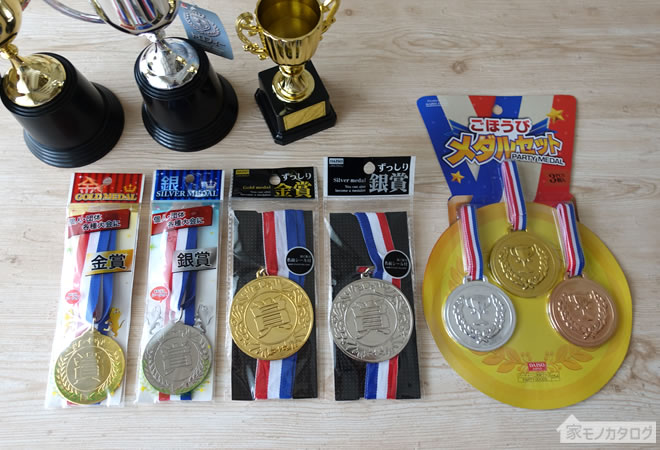
A thriving craft subculture rooted in Japan's 100-yen retail ecosystem has engineered a practical escape from this financial trap. Leveraging staple inventory from chains like Daiso, Seria, and CanDo, teachers and community organizers routinely fabricate gold medals that rival commercial awards in both visual weight and dimensional finish. The process requires neither expensive resin-casting setups nor laser cutters. By combining high-density EVA craft foam, aluminum embossing foil, and specific acrylic finishes, anyone can churn out durable, showstopping medallions for less than thirty-five cents apiece.
📌 Key Takeaways:
- Cost Efficiency: Crafting awards with 100-yen supplies drops per-unit expenses down to $0.25, $0.40, slashing costs by over 90% compared to standard wholesale suppliers.
- The Core Technique: Layering high-density foam substrates beneath heavy-gauge aluminum embossing foil creates authentic mechanical relief that mimics stamped sheet metal.
- Production Scaling: Utilizing cardstock templates and low-temperature hot glue assembly enables single crafters to assemble batches of thirty medals in under two hours.
The Budget Reality Driving the 100-Yen Medal Movement
School athletic meets, known in Japan as undokai, often demand hundreds of participation and podium tokens within tight operational allowances. Purchasing off-the-shelf plastic medals yields hollow, brittle discs that snap before students even board the afternoon bus. Parents and teachers turned to home crafters on Instagram, YouTube, and X for alternatives, sparking an explosion of 100-yen shop craft hacks focused on tactile realism.
The cultural shift gained momentum as Japanese retail chains expanded their crafting aisles between 2022 and 2026. What used to be aisles of flimsy party favors transformed into dedicated zones for jewelry making, vinyl cutting, and leathercrafting. Crafters quickly discovered that these raw materials possess mechanical properties well-suited for industrial design replication. High-density EVA foam sheets withstand substantial compression without tearing, while metal-backed scrapbooking foils hold structural creases with sharp clarity.
When economic inflation tightened event budgets globally over the past three years, the technique migrated across international craft forums. Dollar store craft supplies in North America and discount variety shops in Europe hold near-identical materials. The objective remains constant: eliminate the hollow plastic look and construct an award that carries genuine physical gravitas when placed around a competitor's neck.
Anatomy of the Build: Materials That Replicate Real Brass
Achieving a professional finish requires understanding material density and surface reflection. Cheap DIY medals fail because they look flat, flimsy, and visibly paper-based. Beating that perception requires a multi-layered structure that introduces relief, beveling, and controlled light reflection.
The foundation begins with high-density EVA foam sheets, typically found in 2mm to 5mm thicknesses in the stationery or children's craft aisle. This material acts as the core core disc, offering shock resistance and a firm, rubbery resistance that feels substantial in hand. Instead of gluing flat paper prints on top, makers apply adhesive-backed metal craft foil or thick aluminum craft tape. This metallic skin behaves like soft tooling brass, accepting indentations without wrinkling.
The neck loop demands equal care. Thin polyester cord screams amateur assembly. Swapping cord for 25mm double-face satin award ribbons or grosgrain trim elevates the tactile profile immediately. A medal suspended from ribbed grosgrain or custom rosette ribbons creates a clean drape against clothing, mimicking Olympic-style medal presentation ribbons rather than carnival trinkets.
Cost and Durability Benchmarks Across Fabrication Methods
Before launching a batch build, organizers must balance labor time against material strength and final visual appeal. The table below outlines how common fabrication techniques compare across key performance metrics.
| Fabrication Method | Unit Cost (USD) | Build Time per Unit | Impact Resistance | Visual Rating (1, 10) |
|---|---|---|---|---|
| Cardstock & Foil Sticker | $0.12, $0.18 | 2, 3 mins | Low (Bends easily) | 3.5 / 10 |
| EVA Foam + Embossing Foil | $0.28, $0.42 | 4, 6 mins | High (Absorbs drops) | 8.5 / 10 |
| Air-Dry Clay / Resin Casting | $0.65, $1.10 | 15, 25 mins (Excl. cure) | Moderate (Prone to chipping) | 7.0 / 10 |
| Commercial Zinc Alloy Medal | $3.50, $6.50 | 0 mins (Factory lead: 3 wks) | Extreme (Solid metal) | 9.5 / 10 |
Precision Techniques: From Embossing Foil to Custom Rosettes
The standout visual feature of high-end medals is sharp surface embossing. Professional mints strike molten planchets under hundreds of tons of hydraulic pressure. At home, embossing foil techniques recreate this look through simple line displacement.
First, trace your design onto cardstock templates using thick chipboard or heavy watercolor paper. Cut out central motifs, such as laurel wreaths, numeric placements ("1", "2", "3"), or event insignias. Secure these cutouts directly onto your base EVA foam core with adhesive. Next, lay heavy gold craft foil over the assembly. Using a ball stylus, wooden cuticle pusher, or the capped end of a ballpoint pen, burnish the foil down into the crevices surrounding your relief cutouts.
The foil locks down against the background while holding the profile of the raised elements. To mimic antique gold plating, lightly rub dark brown acrylic paint or water-based shoe polish across the debossed grooves, wiping away excess paint from the high ridges with a microcloth. This wash settles into the recesses, exaggerating shadows and producing immediate antique patina.
For younger awardees or celebratory ceremonies, framing the central disc within a pleated fabric rosette adds volume. 100-yen shops sell pre-pleated satin tape in their wrapping aisles. Pinning and hot gluing this ribbon into concentric circular folds turns a basic 60mm foam disc into an opulent commander-class rosette medal.
Assembly Traps That Make Handcrafted Medals Look Cheap
Tackling fifty medals in an evening often leads to avoidable quality mistakes. The most frequent pitfall involves solvent incompatibility. Spraying standard metallic gold spray paint directly onto open-cell styrofoam or cheap polystyrene discs melts the plastic instantly, leaving an uneven, pitted surface that cannot be salvaged. EVA foam resists aerosol solvents much better, but acrylic metallic paints applied via synthetic sponge brushes consistently deliver smoother finishes without chemical degradation.
Another major flaw stems from hot glue assembly errors. When joining the satin award ribbon to the foam backing, using high-temperature glue guns can warp thin EVA foam and leave bulbous lumps visible through the fabric. Switch to low-temperature mini glue guns. Lay a flat bead across the ribbon ends, sandwich the fabric between the primary medallion disc and a secondary 1mm foam backing cover, and compress the joint between two heavy books for thirty seconds. This produces a flat, industrial-grade mechanical bond that prevents ribbons from detaching under tension.
Watch out for loose ribbon cuts. Cheap satin frays immediately upon contact with skin or clothing. Run every ribbon edge quickly across the outer blue flame of a disposable lighter for a half-second. The heat melts the polyester fibers instantly, sealing the cut with a clean, invisible bead that resists fraying permanently.
Batch Production Playbook for Schools and Sports Days
Building fifty sports day prizes or classroom reward medals single-handedly requires an organized assembly line approach. Hand-cutting dozens of concentric circles using craft scissors inevitably produces jagged, irregular perimeters that betray the project's handmade origin. Invest in a heavy-duty circular lever punch or a rotary compass cutter from the 100-yen stationery section to guarantee uniform circle diameters across every single piece.
Set up designated stations along your workspace:
- Die Cutting: Punch all EVA foam backing discs and cardstock relief layers in one uninterrupted block.
- Embossing & Foil Wrap: Apply adhesive foil to cores, burnish borders with your stylus, and trim perimeter overlaps.
- Aging Treatment: Apply quick acrylic washes across relief recesses and blot clear with dry paper towels.
- Ribbon Prep: Cut ribbons to standard 32-inch lengths, heat-seal frayed edges, and arrange them into V-folds.
- Final Marriage: Hot glue ribbon tails between front and back foam discs, clamping them under weighted boards to dry flat.
Maintaining separation between cutting, gluing, and painting phases prevents wet paint or adhesive residue from contaminating clean ribbon stock, keeping your batch pristine from first unit to last.
Frequently Asked Questions (FAQ)
Q1: What is the most authentic-looking gold paint for 100-yen materials?
A1: Rich gold acrylic pastes or Japanese craft enamel markers offer significantly better specular reflection than budget spray paints. Look for paints labeled "Antique Gold" or "Brass" rather than "Bright Gold," as the latter often exhibits a garish, greenish-yellow tint under indoor lighting.
Q2: Can younger students safely help build these medals?
A2: Yes, provided adult supervision manages the heating and sharp cutting tools. Children excel at embossing foil onto cardstock templates using blunt wooden styluses and burnishing tools. Adults should exclusively handle compass cutters, rotary blades, and hot glue guns.
Q3: How heavy do these medals feel compared to real stamped metal?
A3: An EVA foam and foil medallion weighs approximately 15 to 25 grams, which is lighter than a solid 80-gram cast metal medal. To add satisfying heft, sandwich a standard steel flat washer (available in hardware packs at 100-yen stores for roughly $0.08 each) inside the core between two foam layers before wrapping with foil.
The New Standard for Grassroots Recognition
The value of an award does not originate from an expensive manufacturing invoice. It stems from the celebration of achievement, personal effort, and shared milestone moments. Spending vast sums on mass-produced metal tokens often siphons resources away from essential equipment, venue rentals, or team activities.
Mastering these 100-yen fabrication techniques puts professional-grade recognition back into the hands of local coaches, educators, and community volunteers. With a few sheets of high-density foam, heavy embossing foil, and smart ribbon assembly, anyone can hand out awards that competitors will treasure long after the final whistle blows.
