Shingo Katori's TV Drama Soundtrack Timeline: Tracking Every Hit Through 2026
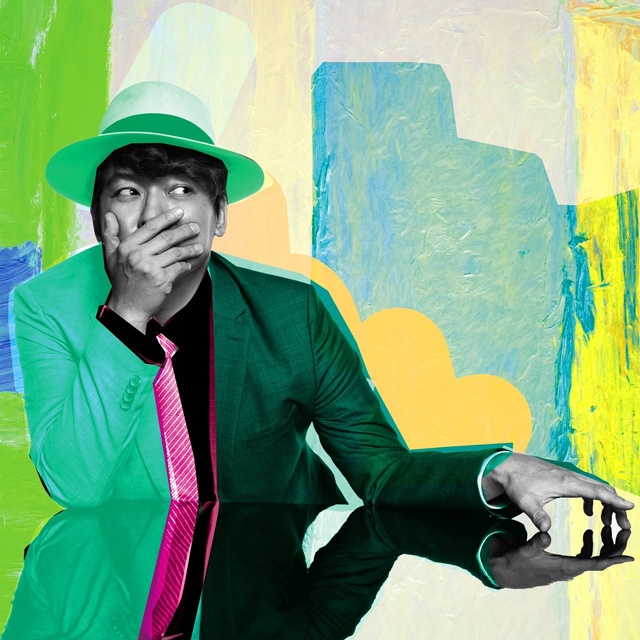
When Fuji TV announced that Shingo Katori would take the lead in the Thursday Theater serial Nippon Ichi no Saitei Otoko: Watashi no Kazoku wa Nisemono Datta, the news marked an official end to an 11-year absence from the network's flagship serials. As detailed in a CDジャーナル Report on the production, Katori stepped back into commercial television's coveted 10:00 PM slot not merely as an actor, but as the vocal anchor providing the show's musical signature. His return closed a dramatic loop that began in 2013, when he last headlined a Fuji TV drama backed by a era-defining pop anthem.
For more than three decades, television music in Japan operated on a symbiotic model: the lead actor’s musical output drove viewership ratings, while serial cliffhangers propelled physical CD sales into the stratosphere. Few performers embodied that powerhouse formula quite like Katori. Tracking his theme songs offers a direct line into the shifting mechanics of the Japanese drama OST ecosystem, from mid-2000s boyband dominance to the artist-driven independence of modern J-pop.
📌 Key Takeaways:
- The Historic Return: Katori's role in Nippon Ichi no Saitei Otoko represented his first Fuji TV lead role in 11 years, paired with his own musical theme.
- The Golden Age Benchmark: The 2013 school comedy Kasukana Kanojo served as the peak of his boyband era, propelled by SMAP's smash single "Joy!!".
- Creative Rebirth: Following the launch of Atarashii Chizu, Katori pivoted from polished idol anthems to jazz-funk and alternative pop collaborations, altering his soundtrack footprint permanently.
The Sonic Evolution of a Primetime Television Staple
Commercial television in Tokyo during the late 1990s and 2000s ran on star power. When a member of SMAP was cast as a Fuji TV lead actor, the theme song was rarely an afterthought; it was an event engineered to dominate the Oricon charts. Katori spent his formative twenties navigating this high-stakes machinery. Directors did not merely hand him scripts; music producers tailored sweeping orchestral pop and brass-heavy refrains around his on-screen persona.
His roles frequently balanced slapstick energy with bruised vulnerability. Television producers recognized that contrast immediately. They paired his energetic comedic characters with bright, hook-driven anthems, while saving lush ballads for his dramatic turns. Over twenty years, this approach turned Japanese television serials into high-yield promotional vehicles. When a prime-time drama ended each week, the final note of the theme song lingered through the credits, cementing the emotional resonance of the narrative.
How "Joy!!" Defined the Peak of Katori’s Network Stardom
In spring 2013, Fuji TV aired Kasukana Kanojo, casting Katori as an unmotivated middle school teacher who moves into an apartment inhabited by a ghost, played by Anne Watanabe. The serial was warm, eccentric, and required a theme song that could unite high school cast members and family audiences. Enter "Joy!!", composed by singer-songwriter Yuko Andō.
The track abandoned the moody synths prevalent in early 2010s dance-pop in favor of a joyful, Motown-inflected rhythm section. The song went straight to number one, moving over 300,000 physical copies in its first tracking week. The tie-in video featured a flash mob of hundreds of dancers alongside the drama’s teenage cast. It was a massive cultural footprint. Yet, it also proved to be the twilight of an era: "Joy!!" was one of the last major drama tie-ins SMAP released before their eventual disbandment in December 2016.
Timeline of Major Shingo Katori Dramas and Musical Signatures
Across three decades, Katori's television projects documented the evolving sound of Japanese pop culture, shifting from collaborative band singles to auteur-driven solo projects.
| Year / Network | Drama Title | Theme Song & Artist | Stylistic Significance |
|---|---|---|---|
| 2006 (Fuji TV) | Saiyuki | "Around The World" by MONKEY MAJIK | Bilingual pop-rock that captured the fantasy serial's kinetic, globe-trotting pace. |
| 2008 (Fuji TV) | Bara no Nai Hanaya | "Zutto Issho sa" by Tatsuro Yamashita | City Pop royalty meeting prime-time Getsuku melodrama; an absolute benchmark in OST ballads. |
| 2012 (TBS) | MONSTERS | "MONSTERS" by The MONSTERS | A brassy, collaborative pop unit formed with co-star Tomohisa Yamashita. |
| 2013 (Fuji TV) | Kasukana Kanojo | "Joy!!" by SMAP | The definitive feel-good school drama anthem; his final Fuji TV theme of the decade. |
| 2021 (TV Tokyo) | Anonymous | "Anonymous (feat. WONK)" by Shingo Katori | Dark, sophisticated neo-soul highlighting social media toxicity; uncredited at launch. |
| 2025 (Fuji TV) | Nippon Ichi no Saitei Otoko | Original Theme by Shingo Katori | Marks his formal 11-year Thursday Theater return with a gritty, self-reflective edge. |

Rebuilding Primetime Presence Through Independent Soundscapes
When Katori, Goro Inagaki, and Tsuyoshi Kusanagi formed Atarashii Chizu in autumn 2017, industry observers questioned whether commercial television networks would dare hire them. The Japanese entertainment landscape had long been governed by rigid talent agency arrangements that locked out independent creators. For years, Katori turned his creative energy toward contemporary visual art, fashion design, and streaming releases.
The turning point arrived in January 2021 with the TV Tokyo crime drama Anonymous: Keishicho ”Yubisatsujin” Taisakushitsu. The production took an unusual gamble with its music. When the premiere episode ended, a moody, English-lyric soul track rolled over the credits without an artist attribution. Online discussions exploded with speculation. Two weeks later, the credits revealed the truth: Katori had partnered with experimental soul band WONK to record the track.
The sonic palette of "Anonymous" discarded the shiny packaging of traditional agency pop. Instead, listeners heard syncopated drums, muted jazz chords, and lower-register vocals that reflected the psychological toll of digital harassment. By asserting ownership over his musical style, Katori proved that post-idol projects could match the artistic rigor of Tokyo's indie music scene.
Inside the Fuji TV Comeback with Nippon Ichi no Saitei Otoko
The premiere of Nippon Ichi no Saitei Otoko: Watashi no Kazoku wa Nisemono Datta in the Fuji TV Thursday Theater slot was an undeniable statement. Playing a flawed, morally ambiguous protagonist who builds an artificial family dynamic for selfish ends, Katori took on material far removed from the upbeat archetypes of his youth. The role demanded a musical counterpart with equal bite.
Unlike standard television opening themes that function as pure hype tracks, the music crafted for Nippon Ichi no Saitei Otoko mirrored the drama’s underlying cynical humor. By producing and performing his own serial soundtracks, Katori stepped away from being a mere casting asset. He controlled the musical rhythm of the show, proving that veteran actors in Japan can sustain creative authority even after extended network absences.
Frequently Asked Questions (FAQ)
Q1: Why was there an 11-year gap between Katori’s lead roles on Fuji TV?
A1: Following SMAP’s disbandment in late 2016, Katori formed the creative unit Atarashii Chizu alongside former bandmates. The transition to independent management caused a prolonged absence from prime-time terrestrial dramas, which only began shifting with his 2021 TV Tokyo drama and culminated in his 2025 Fuji TV return.
Q2: Did Shingo Katori sing every theme song for the dramas he starred in?
A2: No. While many of his iconic roles featured tracks by SMAP or his solo identity, several of his most celebrated serials used songs by external artists, such as Tatsuro Yamashita’s "Zutto Issho sa" for Bara no Nai Hanaya and MONKEY MAJIK’s "Around The World" for Saiyuki.
Q3: How did "Anonymous" change his approach to soundtrack releases?
A3: Released in 2021, "Anonymous feat. WONK" was initially aired without revealing the vocalist's identity. Its blend of modern soul and jazz signaled a break from polished boyband pop, establishing Katori as a credible collaborator alongside progressive indie musicians.
What Shingo Katori’s Soundtrack Legacy Means for J-Pop Television
Television soundtracks in Japan no longer hold a monopoly on breaking new pop acts. Streaming platforms, viral social algorithms, and animated features have diversified how audiences discover music. Yet the career trajectory of Shingo Katori demonstrates the enduring narrative impact of an iconic voice attached to weekly storytelling. His catalog bridges the gap between mass-broadcast pop phenomena and modern artist-led independence. Television will continue to evolve, but the blueprint Katori established across three decades remains a masterclass in how drama themes can anchor public memory.
