Skiing on a Budget: How to Choose the Best Shimamura Socks for Snowboarding and Skiing
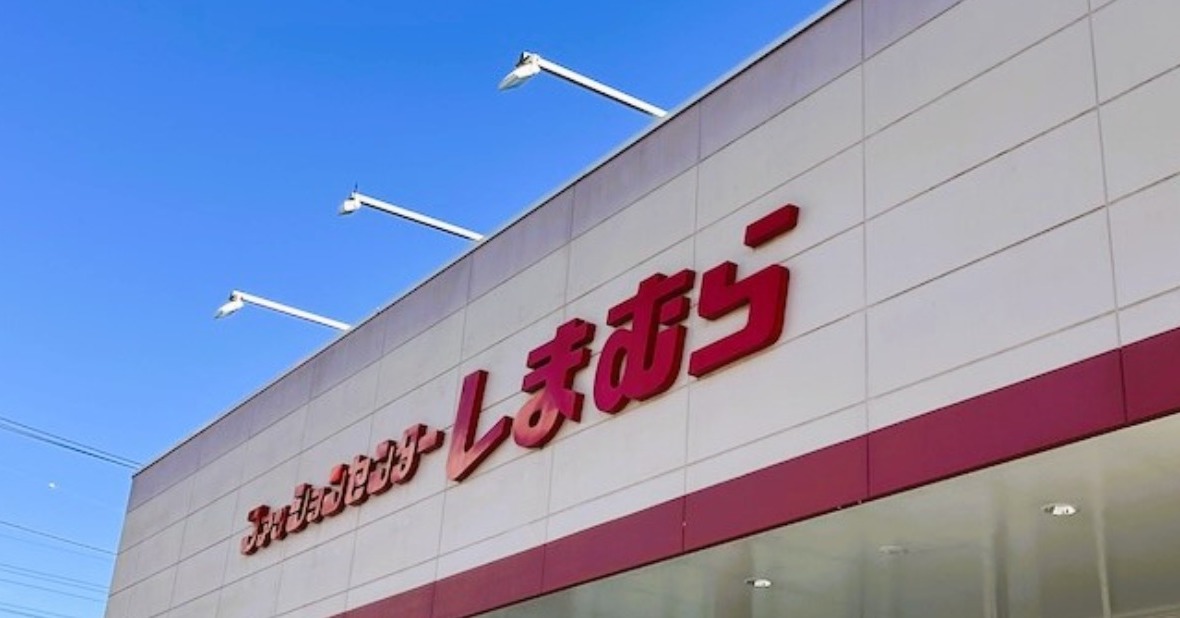
Lift tickets across Hokkaido and Nagano have surged past ¥9,000 a day, pushing winter travelers to rethink every purchase in their luggage. When premium outdoor brands charge upwards of $35 (¥5,000) for a single pair of merino ski socks, budget-conscious skiers heading to Japan are looking elsewhere. Many now make supply runs to suburban strip malls, hunting down low-cost base layers and specialized footwear at Shimamura, the country's dominant off-price clothing retailer. The brand's rapid expansion into functional performance lines, including its recent compression and pile-cushioned athletic releases analyzed in an ITmedia Report on its chocoZAP collaboration, proves that value apparel can mimic technical engineering.
The core question for skiers and snowboarders is practical. A cheap everyday sock will bunch up, soak in sweat, and leave your shins bruised against rigid polyurethane boot tongues. Finding the right pair on Shimamura's crowded racks requires knowing what materials to look for, what structural features to avoid, and where discount garments hit their physical limits on freezing mountain descents.
📌 Key Takeaways:
- The Value Proposition: Shimamura offers thick, acrylic-blend pile socks and compression models for ¥400 to ¥900, roughly 80% cheaper than dedicated alpine brands.
- The Boot Bite Factor: True ski performance requires specific over-the-calf coverage and concentrated shin padding to prevent friction burns against rigid ski boot tongues.
- Moisture Management: Budget thermal socks rely on hollow synthetic fibers rather than natural merino wool, meaning sweat saturation can become an issue on multi-day outings.
- The Verdict: Ideal for recreational snowboarders and casual resort skiers; hard-charging freeriders and touring skiers should stick to technical alpine footwear.
The Rise of Suburban Supply Runs Across Japan’s Snow Country
Foreign visitors landing at New Chitose or Tokyo typically make a beeline for direct resort shuttles. Experienced powder hounds, however, often detour to local road stations and suburban shopping plazas. Shimamura winter apparel has developed a quiet following among winter resort seasonal staff, lifties, and local instructors. They do not buy these garments for prestige. They buy them because mountain work destroys textiles rapidly, and replacing a pair of socks for ¥500 makes financial sense.
The retail chain operates over 1,400 stores across Japan, focusing on high-turnover essentials. While Shimamura does not brand its products as dedicated alpine ski gear, its winter catalog heavily features cold-weather cushioning, thermal work socks, and zoned-compression athletic hosiery. These garments share key construction traits with entry-level ski gear: reinforced heel pockets, terry-loop shin zones, and ribbed arches. For riders building a ski trip packing list on a shoestring, these racks offer an alternative to resort village retail shops where prices are marked up heavily.
Shin Padding, Compression, and Blister Prevention
Downhill skiing transfers hundreds of pounds of force directly through your tibias into the plastic tongue of a ski boot. If a sock lacks targeted shin padding or slips downward inside the liner, the friction creates shin bite, a painful combination of skin chafing and tissue bruising. Snowboard boot fit presents a different challenge: heel lift causes continuous rubbing against the Achilles tendon, making blister prevention a priority.
Standard casual tube socks fail instantly here because cotton absorbs sweat, loses its shape, and wrinkles inside the shell. Shimamura's high-performance socks, by contrast, use blended synthetic yarns with elastic ribbed banding around the ankle and arch. Look for packages indicating "full pile" (裏パイル) or "support knit" (サポート編み). These variations provide the continuous cold-weather cushioning required to fill minor negative space inside rental boots, keeping your foot locked in place without restricting blood flow.
| Feature | Shimamura Heavy-Duty Pile Socks | Specialized Alpine Ski Socks (Smartwool / Dissent) |
|---|---|---|
| Price Point | ¥400, ¥900 ($2.70, $6.00) | ¥3,800, ¥6,200 ($25, $42) |
| Primary Fibers | Acrylic, Polyester, Polyurethane blends | Merino Wool (50, 65%), Nylon, Elastane |
| Shin Cushioning | Uniform medium-to-heavy pile loops | Anatomically mapped, high-density padding |
| Moisture Control | Moderate; relies on synthetic evaporation | Superior; natural wool moisture buffering |
| Odor Retention | Requires washing after every single day | Naturally antimicrobial; multi-day wear capable |
| Height | Mid-calf to high-calf (check packaging carefully) | Strictly Over-the-Calf (OTC) |
Managing Sweat and Sub-Zero Foot Warmth on the Slopes
Cold feet on a chairlift rarely stem from insufficient sock thickness. Instead, poor blood flow or trapped perspiration causes the chill. Your feet generate up to 200 milliliters of sweat during a strenuous powder session. If your moisture-wicking fabric cannot disperse that water vapor, it condenses against the cold plastic boot shell, cooling your toes rapidly once you sit still.
Dedicated ski socks rely on merino wool, which absorbs moisture vapor internally while remaining dry against the skin. Shimamura thermal ski socks use an acrylic-polyester matrix, often marketed under in-house names like "FIBER HEAT", as a merino wool alternative. Acrylic excels at trapping dead air, retaining sub-zero foot warmth at a fraction of wool's cost.
Synthetic yarns dry quickly, but they lack the natural vapor-absorption properties of animal fibers. If your boots fit tightly, thick acrylic socks will trap sweat against the footbed. To make budget gear work in sub-zero conditions:
- Avoid wearing two pairs of socks at once. Doubling up constricts circulation and guarantees frozen toes.
- Pull your thermal base layer leggings up above your boot cuff so only the sock sits inside the shell.
- Swap to a fresh, bone-dry pair during lunch if you sweat heavily on morning tree runs.
Matching Shimamura Socks to Your Ski or Snowboard Setup
Ski boots and snowboard boots interact with socks in entirely different ways. Skiers lock their feet into rigid, zero-flex plastic shells where precision is everything. Custom boot-fitters will tell you that thinner socks provide better control and fewer pressure points. If you are renting loose entry-level ski boots, a mid-weight Shimamura pile sock fills voids and cushions your shins. If you own performance boots with an aggressive 120-flex rating, thick discount socks will compress your toes, numb your soles, and ruin your edge control.
Snowboard boots are softer, warmer, and flex forward at the ankle. This extra motion creates friction across the back of the ankle and over the top of the foot. Snowboarders benefit substantially from the plush loops found in Shimamura's thickest winter work socks. The internal terry cushioning dampens vibrations from icy terrain and protects the foot from lace pressure over the instep.
Make sure the pair you buy is explicitly cut over the calf. Mid-calf crew socks slip down inside snowboard boots within three turns, bunching into an agonizing knot around your lower ankle. Inspect the packaging in the store: look for terms like "High Sox" (ハイソックス) or "Long" (ロング丈) to guarantee the cuff clears the top of the boot.
How to Select the Right Pair on the Sales Rack
Stepping into a Japanese discount store can be disorienting. Floor-to-ceiling racks display hundreds of options, ranging from business dress hose to fleece-lined loungewear. To locate the pieces that actually hold up on a mountain, head to the men's workwear and activewear section rather than the general lifestyle aisle.
Focus your search on three specific features:
- Examine Fiber Composition: Check the back label for the fiber breakdown. You want acrylic (アクリル), polyester (ポリエステル), and polyurethane (ポリウレタン). Avoid any pair with more than 20% cotton (綿). Cotton absorbs water, stays wet, and leads directly to frostnip on windy ridgelines.
- Test Elastic Recovery: Stretch the cuff and arch horizontally with your hands. Quality compression support should snap back instantly into shape. If the fabric feels loose or weak, it will sag into your boot heel by noon.
- Inspect Interior Loops: Turn the sock inside out. You want dense, uniform terry loops across the heel, sole, and shin. Loose, sparse loops flatten after an hour of pressure, eliminating the sock's protective cushioning.
Pairing these budget socks with quality footbeds or standard rental gear lets you allocate your travel budget where it actually changes your trip: premium avalanche safety gear, backcountry guiding, and hot bowls of slope-side ramen.
Frequently Asked Questions (FAQ)
Q1: Can I wear Shimamura casual "FIBER HEAT" room socks inside my ski boots?
A1: No. Loose, fluffy room socks (ルームソックス) lack elastane and structure. They will bunch up inside the boot, cut off capillary blood flow to your toes, and cause severe blisters within an hour. Stick exclusively to fitted athletic socks with compression ribbing and over-the-calf lengths.
Q2: How many pairs of budget socks should I bring for a week-long ski trip?
A2: Pack four to five pairs. Unlike merino wool, synthetic acrylic and polyester blends do not resist odor-causing bacteria. Wearing a synthetic pair two days in a row will result in foul odors and reduced warmth due to salt buildup from dried sweat. Wash them between uses or rotate through fresh pairs daily.
Q3: Will Shimamura socks work for backcountry ski touring?
A3: They are not recommended for touring. Skinning uphill involves thousands of repetitive heel-lift strides, creating intense friction. Backcountry users need precision-engineered, graduated-compression socks made of high-grade merino wool to prevent catastrophic blisters and handle severe temperature swings miles from shelter.
Smarter Gear Spending on Winter Mountain Trips
Budget winter gear is not about buying the cheapest item on the shelf; it comes down to understanding which components of your kit demand precision engineering and which allow for practical compromises. A high-end ski jacket or a dialed-in MIPS helmet protects your life and keeps you safe in severe storms. Your socks, while critical for daily comfort, do not always require a luxury price tag if you understand boot dynamics, synthetic fabric behavior, and proper fit.
For occasional resort skiers, families outfitting kids who outgrow their gear annually, and snowboarders using forgiving boots, Shimamura provides a practical, low-cost fix. Choose high-calf synthetic models with dense cushioning, steer clear of cotton blends, and keep a dry backup pair in your jacket pocket. You will stay warm on the slopes all day while keeping your travel budget intact.
