Sound and Posture Clues: How to Tell Dog Hiccups from Reverse Sneezing on Sight
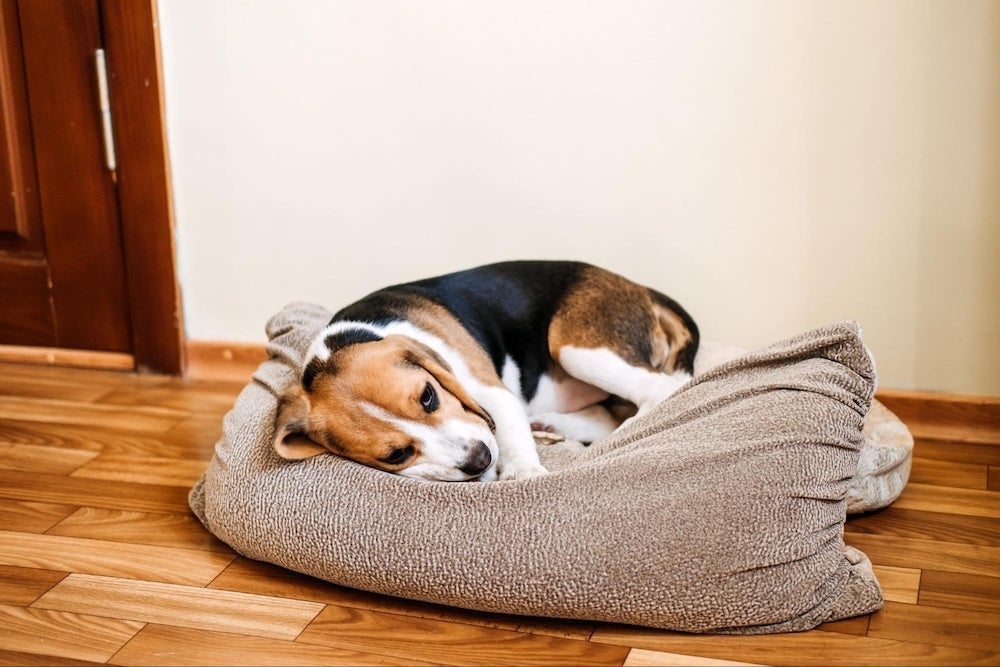
A rhythmic, convulsive thumping in a dog's chest often catches pet owners completely off guard. The animal stands frozen, its belly bouncing inward every few seconds, emitting quiet, muted squeaks or sharp throat catches. In online pet communities, queries seeking clarity on sudden spasms, often searching variations of "dog hiccup-like sounds", spike after frantic late-night recordings. While spontaneous hiccups occur routinely across all breeds, owners frequently confuse benign diaphragm twitches with mechanical airway blockages or violent episodes of paroxysmal respiration.
Differentiating an everyday hiccup from a genuine respiratory obstruction comes down to biomechanics, sound frequency, and body stance. An exhaustive veterinary analysis released via a PR TIMES Report documented that while involuntary spasms in dogs are overwhelmingly harmless gastrointestinal or nervous system events, misreading severe respiratory distress symptoms in dogs as mere hiccups delays lifesaving intervention. Knowing precisely what happens within your dog’s chest cavity during these episodes separates a calm wait-and-see moment from a sprint to the emergency clinic.
📌 Quick Summary:
- Core Acoustic Distinction: Classic hiccups produce faint, repetitive chest-bump squeaks on exhalation, whereas reverse sneezing creates a loud, rapid snorting inhalation through the nose.
- Postural Cues: Dogs experiencing reverse sneezing extend their necks, flare their elbows outward, and stand stiffly, while ordinary canine diaphragm spasms involve relaxed postures with passive abdominal twitching.
- Urgent Red Flags: Pale or blue gums, abdominal heave without air exchange, and gagging with white foam demand immediate clinical care rather than home observation.
The Mechanics Behind Canine Diaphragm Spasms and Puppy Hiccups
A true canine hiccup functions almost identically to a human one. The diaphragm, the dome-shaped sheet of muscle separating the thoracic cavity from the abdomen, suddenly contracts involuntarily. This abrupt spasm instantly closes the glottis, snapping the vocal cords shut and generating an audible, rhythmic "hic" sound.
These canine diaphragm spasms emerge most frequently following physiological disruptions in the digestive tract. Rapid swallowing during feeding forces swallowed air into the stomach, irritating the phrenic and vagus nerves that control diaphragm contractions. Consequently, observing dog hiccups after eating dry kibble or gulping bowl water too quickly is routine.
Age also dictates vulnerability. A puppy rapid breathing hiccups episode happens routinely during or immediately after high-arousal play sessions. Because a young dog's internal organs and nervous system remain in active development, slight emotional surges, rapid temperature changes, or brief panting bouts irritate the phrenic nerve. In puppies under 8 months old, brief bouts lasting 5 to 15 minutes are standard developmental quirks that fade as muscular control matures.
Reverse Sneezing and Paroxysmal Respiration: The Snorting Spasm
The condition that causes the most immediate panic among owners is reverse sneezing in dogs, medically classified as paroxysmal respiration. Rather than expelling air forcefully outward through the nose to clear a nasal passages irritant, the dog rapidly, violently pulls air inward through the nasopharynx.
The resulting sound resembles a goose honk, a violent snort, or an alarming asthma attack. During paroxysmal respiration, an irritation of the soft palate or nasopharyngeal mucosa triggers an involuntary spasm of the pharyngeal tissue. Household dust, airborne pollen, household aerosols, or even microscopic nasal mites or irritants lodged in the nasal passages set off the sequence.
A dog experiencing a reverse sneeze maintains full consciousness and alertness. While the animal looks and sounds distressed, the episode rarely compromises oxygen saturation. Episodes typically resolve spontaneously within 30 to 90 seconds. Massaging the dog’s throat gently or briefly covering its nostrils with two fingers forces the animal to swallow, which realigns the displaced soft palate and breaks the spasm loop instantly.
Visual Diagnostics: Distinguishing Respiratory Distress from Benign Spasms
Telling these conditions apart requires observing canine postural cues rather than relying entirely on audio clips, which can distort volume and tone. A dog with simple hiccups typically lies down or wanders around casually, unfazed by the rhythmic twitching of its flank. A dog in the throes of paroxysmal respiration or mechanical airway distress locks its body in place.
| Symptom Profile | Benign Diaphragm Hiccup | Reverse Sneezing Episode | Choking or Airway Obstruction |
|---|---|---|---|
| Sound Produced | Muffled clicking or squeaking; repetitive cadence every 1, 3 seconds | Loud, snorting nasal honk; rapid inhalation bursts | Silent gagging, high-pitched stridor, or frantic retching |
| Postural Stance | Relaxed; sitting, lying, or casually walking around | Rigid stance; extended neck, widened elbows, flared ribs | Panicked pacing, pawing at mouth, hunched posture |
| Air Movement | Uninterrupted regular breathing between spasms | Violent intake of air through the nose | Zero or severely limited air exchange despite chest expansion |
| Average Duration | 2, 15 minutes | 30, 90 seconds | Continuous until cleared; fatal within 3, 5 minutes if total |
Evaluating dog choking versus reverse sneezing requires checking the mouth and eyes immediately. If an object lodges in the pharynx, the dog exhibits panicked distress: eyes widen, saliva drips excessively, and the chest heaves outward while no air moves past the vocal folds. Conversely, during reverse sneezing, air flows vigorously, it just sounds dramatic.
Kennel Cough, Collapsing Trachea, and Chronic Irritants
When atypical sounds shift from isolated events to recurring daily rituals, structural pathologies or infectious agents enter the diagnostic picture. Owners frequently confuse kennel cough vs hiccups because the infectious hacking can end with a dry swallow or retch that mimics a hiccup convulsion.
Infectious tracheobronchitis generates an unmistakable, dry, hacking cough reminiscent of a honking horn, often triggered whenever a collar exerts gentle pressure on the throat. The cough is productive or dry, but unlike hiccups, it persists over multiple days, worsens during physical exertion, and carries systemic symptoms like mild lethargy or ocular discharge.
Tracheal collapse symptoms present another frequent diagnostic trap, particularly in toy breeds such as Yorkshire Terriers, Pugs, Pomeranians, and Chihuahuas. As the cartilage rings supporting the windpipe weaken, the airway flattens during forceful inhalation. The resulting sound is a harsh, repetitive honk triggered by excitement, heat, or collar tension. If left unmanaged, the chronic friction inflames the respiratory lining, creating a cycle of coughing that closely resembles severe, unresolved reverse sneezing fits.
Emergency Protocols: Identifying Veterinary Red Flags for Breathing
While hiccups, reverse sneezes, and mild throat tickles resolve without medical intervention, genuine respiratory emergencies require fast clinical identification. Respiratory distress symptoms in dogs can deteriorate rapidly due to the animal's limited heat-exchange capacity and metabolic oxygen demands.
Every dog owner should commit these non-negotiable veterinary red flags for breathing to memory:
- Cyanosis (Mucous Membrane Color): Lift your dog's upper lip. Healthy gums display a bright pink hue. Gums showing pale white, muddy gray, or blue-purple tones indicate severe hypoxia.
- Press firmly on the pink gum tissue above the canine tooth and release. The blanched spot must return to its original pink shade in under 2 seconds. Prolonged refill indicates vascular shock or respiratory failure.
- Abdominal Heaving (Orthopneic Posture): If your dog sits up with its neck stretched completely straight, ribs flaring dramatically, and the abdominal wall pulling inward forcefully to suck air, the dog is in orthopneic respiratory distress.
- Persistent Froth or Sputum: Continuous coughing that terminates in pink-tinged or foamy white fluid often points toward pulmonary edema or congestive heart failure rather than an isolated spasm.
- Any hiccup-like spasm or breathing anomaly that persists continuously for longer than 60 minutes requires a physical evaluation to rule out diaphragmatic hernias, neurological lesions, or foreign body aspiration.
Frequently Asked Questions (FAQ)
Q1: Why does my puppy get hiccups every time we wake up or finish playing?
A1: Rapid shifts in heart rate, breathing cadence, and nervous excitement stimulate the phrenic nerve in young dogs. Because a puppy's thoracic musculature is still developing, minor fluctuations in diaphragm tension trigger harmless bouts that subside on their own within minutes.
Q2: Can I give my dog water or human hiccup remedies to stop an episode?
A2: Never give home remedies, vinegar, sugars, or force water down a dog's throat during an active spasm, as this poses a serious risk of aspiration into the lungs. Let the dog drink naturally if it chooses, or encourage swallowing during a reverse sneeze by gently massaging the neck.
Q3: How do I know if my dog swallowed a foreign object or is just reverse sneezing?
A3: Examine air movement and behavioral panic. During a reverse sneeze, the dog pulls air in through the nose forcefully and remains calm between snorts. If a dog is choking on a foreign object, it will pace frantically, claw at its mouth, salivate excessively, and struggle to inhale without producing normal air sounds.
Actionable Steps for Managing Dog Airway Health
Navigating canine respiratory noises requires clinical detachment and methodical observation. When your dog starts making convulsive sounds, refrain from screaming or physically shaking the animal, which elevates its heart rate and worsens oxygen consumption if an obstruction exists.
Instead, pull out your phone and record a clear 15- to 30-second horizontal video focusing directly on the dog’s chest movement, neck extension, and face. This video serves as the single most effective diagnostic tool for your veterinarian, who rarely gets to witness sporadic spasms inside the examination room.
Check the color of the dog's oral tissue, look for signs of panic or pawing at the muzzle, and offer a quiet, well-ventilated space. If the spasms dissipate within a brief window and your dog resumes wagging its tail, eating, and breathing rhythmically, you witnessed an ordinary hiccup or transient reverse sneeze. If the breathing remains laboured, uneven, or discolored, bypass home diagnostics and proceed straight to the nearest emergency veterinary facility.
