Stop Cutting Your Sweatpants: The 3-Minute Trick That Shortens Track Pants Without Scissors or Stitches
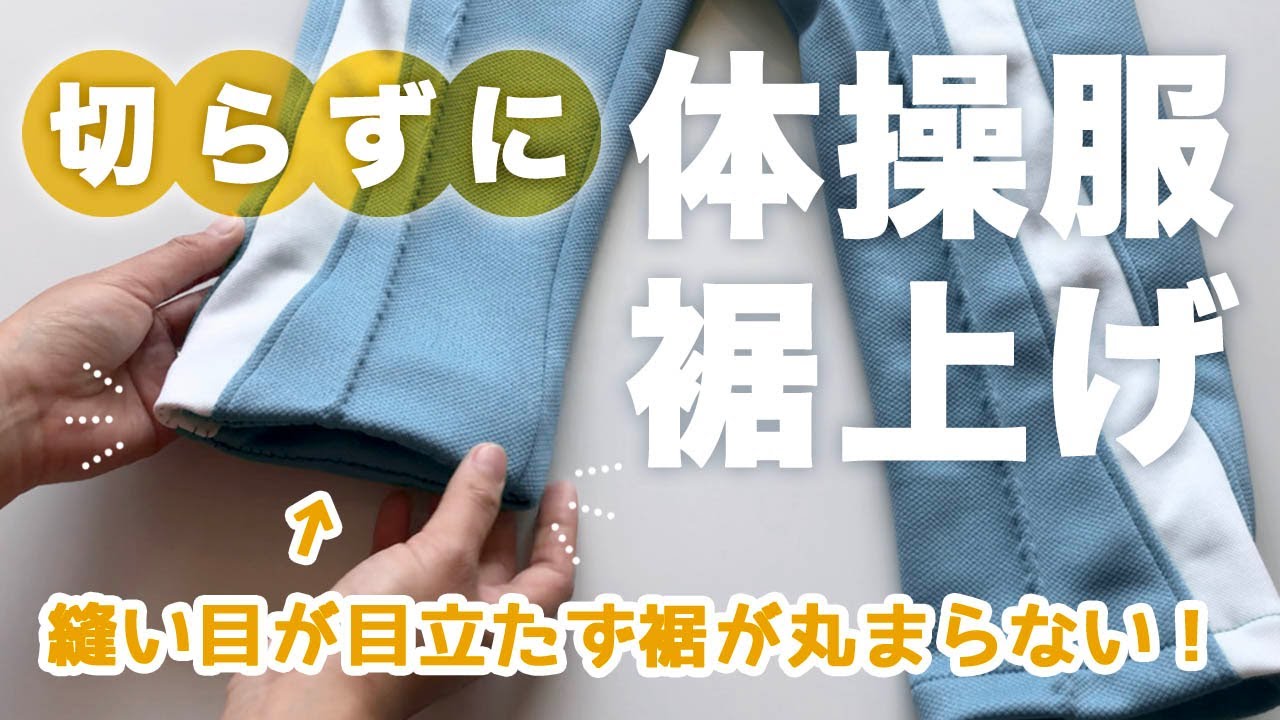
Standard inseam sizing has long treated human legs as an industrial monolith. Walk into any sporting goods shop or scroll through online athletic retailers, and you will find performance trousers cut for one average height per waist size. For millions of people, buying athletic fleece or technical joggers guarantees several extra inches of fabric pooling around ankles, dragging under muddy sneakers, or shredding against pavement.
The immediate impulse often ends in disaster. Grabbing kitchen shears turns a $70 pair of track pants into an unraveled, fraying mess within two wash cycles. Professional tailoring, conversely, can cost between $15 and $30, frequently rivaling the original price of the garment, while introducing stiff, puckered seams that ruin the fluid drape of synthetic knits. A widespread wave of DIY garment adjustments has bypassed tailoring entirely, driven by wardrobe stylists and runner communities who developed a zero-needle, reversible method that shortens pants in under three minutes without removing a millimeter of fabric.
📌 Key Takeaways:
- The Immediate Solution: A basic household rubber band or hair tie creates a clean, internal fold that locks cuffs at shoe level without altering the exterior silhouette.
- The Fabric Hazard: Cutting jersey or brushed French terry breaks warp-knit loops, causing catastrophic laddering that sewing machines cannot easily salvage.
- Long-Term Durability: For permanent adjustments without stitching, low-melt polyamide hem tapes outperform standard adhesives by preserving synthetic stretch.
Why Off-the-Rack Track Pants Rarely Fit Real Proportions
Modern athletic apparel relies on standardized grading systems designed around uniform body ratios. A men's medium or women's large typically ships with a fixed 31- or 32-inch inseam. If you possess a shorter leg-to-torso ratio, or simply prefer to wear your pants at the natural waist rather than the low hips, you end up stepping on the heels of your tracksuit bottoms.
Footwear complicates the geometry. Bulky runners provide a platform that keeps excess hem length off the floor, but low-profile canvas shoes or bare gym floors leave raw cotton-blend cuffs dragging through dirt. On running tracks, trailing fabric poses a genuine tripping hazard.
When owners attempt alterations, they quickly discover that activewear resists traditional tailoring. Unlike woven dress trousers or rigid denim, sweatpants and technical track pants rely on circular knits, micro-polyester filaments, or elastane blends. Standard straight-stitch sewing machines snap when applied to high-stretch cuffs. Thread tension binds the ankles, destroying the casual drop of the fabric.
The Inversion Trick: How to Shorten Pants in Three Minutes Flat
The quickest, most accessible fix requires no tools beyond two elastic hair ties or durable household rubber bands. This technique works equally well on straight-leg track pants, ribbed-cuff joggers, and nylon tearaway bottoms.
Put on the pants alongside the footwear you plan to wear. Pull the pant leg down smooth over your ankle. Take an elastic hair tie, preferably cloth-covered to avoid hair pulling or skin irritation, and slide it over your foot, positioning it around the outside of the pant leg at the exact spot where you want the new hem to rest.
From there, grab the excess fabric hanging below the band. Pull it slightly outward, tuck it underneath the elastic, and fold it upward inside the pant leg. The folded fabric rolls up against your calf or lower ankle, while the original, finished factory cuff remains visible or gently folded beneath. Pull the outer layer of the pant downward so it drapes naturally over the band. The hair tie creates a secure tension ring that holds the folded excess completely hidden on the interior side of the leg.
The entire process takes less than ninety seconds per leg. It creates an instant jogger-style break that stays put during casual walks, weightlifting sessions, and sprints across town. When laundry day arrives, slide off the hair ties, shake out the legs, and wash the garment without worrying about glued joints or torn stitches.
Comparing Non-Invasive Hemming Methods for Activewear
Different fabrics and daily use cases demand distinct alteration strategies. The table below breaks down the four most common no-sew adjustments across practical metrics.
| Method | Durability & Longevity | Setup Time | Fabric Compatibility |
|---|---|---|---|
| Elastic Band Inversion | Temporary (removable per wear) | 2, 3 minutes | All knits, fleece, and nylon shells |
| Low-Melt Fusible Tape | Semi-permanent (15, 25 washes) | 8, 12 minutes | 100% polyester, cotton-poly blends |
| Self-Adhesive Fabric Strips | Short-term (1, 3 wears) | 4, 6 minutes | Smooth polyester and technical shells |
| Safety Pin Pleating | Emergency use only | 1, 2 minutes | Heavy fleece only (damages thin knits) |

Applying Thermal and Adhesive Tapes to Synthetic Activewear
When a temporary inversion fold is insufficient and you want a flat, finished edge that survives the washing machine, adhesive web tapes provide a durable alternative. Activewear, however, presents a serious technical challenge: heat sensitivity.
Traditional iron-on hemming web is formulated for cotton canvas, linen, and denim. These adhesives melt at temperatures above 300°F (149°C). If you press an iron that hot onto a 100% polyester track pant, the synthetic yarns will melt, creating an unsightly, brittle patch that shines permanently under light.
Use low-melt stretch bonding tape engineered specifically for synthetic fabrics. Turn the track pants inside out and fold the excess fabric to the desired length. Press a dry crease using an iron set strictly to the synthetic or low-heat nylon setting, always placing a clean, damp cotton pressing cloth between the iron and the pants.
Insert the bonding web directly inside the fold, ensuring no adhesive extends beyond the hemline. Press firmly for 8 to 10 seconds without sliding the iron back and forth. Sliding pushes the melted adhesive outward, creating stiff bumps. Allow the fabric to cool completely for fifteen minutes before wearing. The bond remains flexible, flexing along with the knit rather than snapping like cheap fabric glue.
Why Scissors Ruin Sweatpants and Track Suits
The temptation to cut long pants straight across with fabric scissors is widespread. Cut-off denim shorts work because the woven structure frays evenly into a soft fringe. Activewear behaves differently.
Knitted fabrics, such as looped French terry, double-knit jersey, and athletic fleece, are built from continuous interlocking yarn loops. Severing those loops removes all crosswise tension. As you walk, the raw edge curls upward toward the outside of the pant leg, exposing the rough interior loops. Over the course of three wash cycles, the threads unravel unevenly, shedding lint throughout your machine and forming a jagged, crooked hemline.
Windbreaker fabrics and nylon track pants fail for another reason. Synthetic filaments split along the cut line, generating tiny fray strands that snag against zippers and velcro. You also permanently forfeit the original weight distribution. Pant makers balance track suits with double-folded hems or ribbed elastic bands. Cutting that weight off makes the pant bottoms flutter loosely around the shins, ruining the intended drape of the silhouette.
Frequently Asked Questions (FAQ)
Q1: Will the rubber band trick cut off my blood circulation during long wear?
A1: No, provided you use the right material. Avoid thin, high-tension office rubber bands against bare skin. Use soft, fabric-covered elastic hair ties with moderate stretch. Position the band around the pant cuff rather than directly against your skin, checking that you can comfortably slide two fingers under the band while standing.
Q2: Can I wash track pants with iron-on hem tape in warm water?
A2: Wash them in cold or lukewarm water on a gentle cycle. High-temperature wash cycles and high-heat tumble dryers soften synthetic adhesive bonds over time, causing the hem to separate. Air-drying your altered track pants extends adhesive life beyond 25 washings.
Q3: How do I shorten track pants that feature bottom ankle zippers?
A3: The rubber band inversion hack is the only reliable no-sew solution for zipped cuffs. Simply leave the zipper zipped to the point of your desired fold, apply the hair tie just above the zipper pull, and fold the excess upward inside the leg. Never attempt to cut or glue through metallic or nylon zipper tracks, as doing so destroys the zipper stop and jams the slider.
Sustainable Wardrobe Management for Activewear
The urge to alter athletic apparel quickly often collides with modern textile realities. Fast alterations do not require destructive cutting or costly tailoring bills. By treating garments as modular shapes rather than disposable fabric, quick inversion adjustments preserve the resale and donation value of performance gear while solving inseam mismatch immediately.
Keeping garments in their original, uncut condition ensures that track pants can adapt alongside changing footwear styles, personal preferences, or subsequent owners. When a three-minute, zero-cost trick provides an invisible hem without sacrificing structural integrity, reaching for the scissors becomes obsolete.
