Sumo Do, Sumo Don't Official Soundtrack Breakdown: Complete Tracklist & Credits
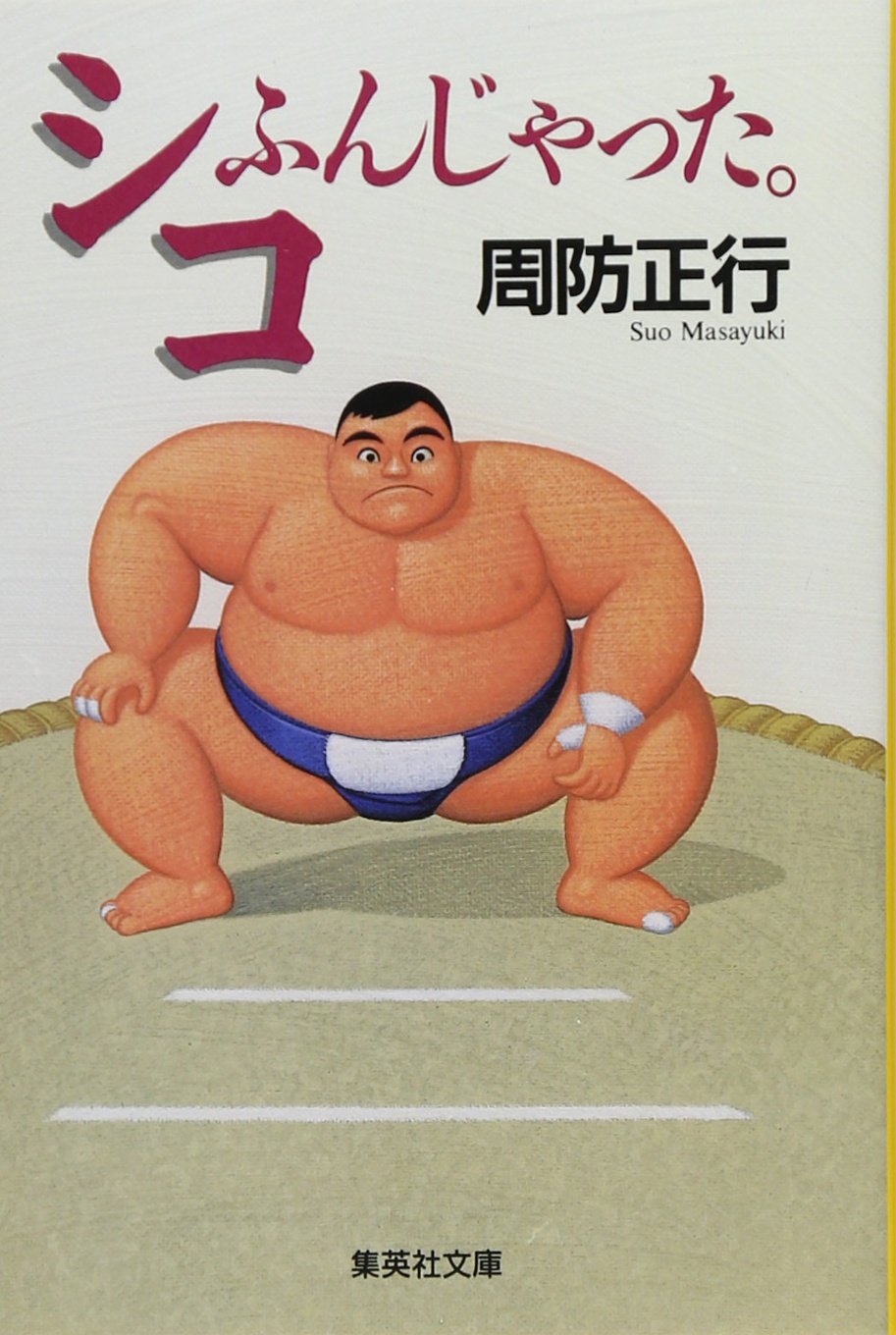
When director Masayuki Suo released Sumo Do, Sumo Don't (Shiko Funjatta.) in 1992, the college sports comedy upended Japanese cinema box offices. The story of reluctant college student Shuhei Yamamoto, played with neurotic charm by Masahiro Motoki, earned five Japanese Academy Film Prizes, including Best Picture and Best Director. Yet among diehard cinephiles and soundtrack collectors searching for "シコふんじゃった 曲" across Japanese streaming platforms, the film's lasting legacy is inextricably tied to its quirky acoustic textures, composed by the director's brother, Yoshikazu Suo.
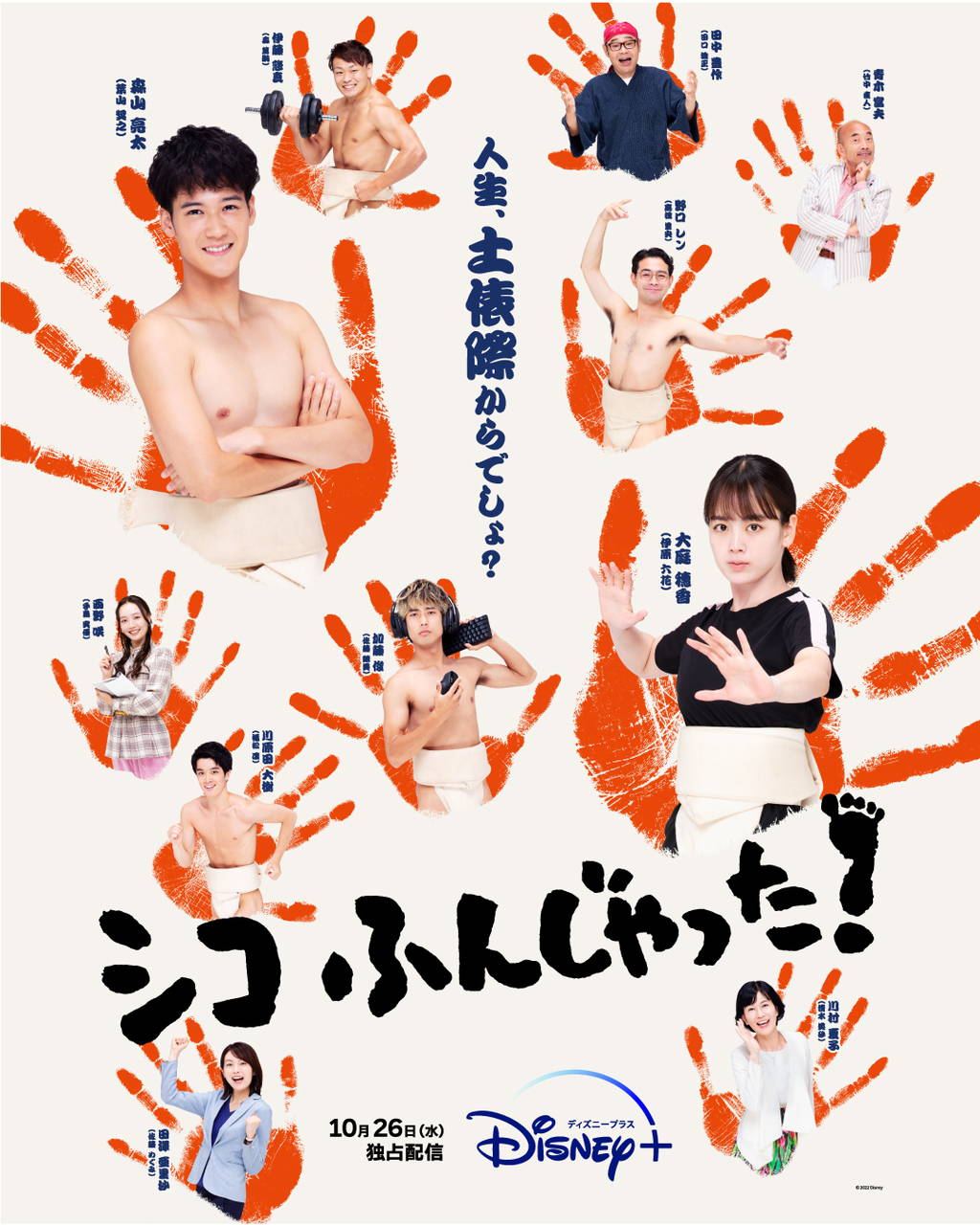
Interest in the franchise surged again after Disney Plus launched its ten-episode sequel series, bringing the threadbare Kyoritsu University sumo club into modern collegiate sports. International audiences quickly ran into a common frustration: tracking down verified song credits, separating the 1992 original film score from the modern Disney Plus series insert songs, and locating active streaming links across global platforms remain surprisingly difficult. Here is the verified track-by-track breakdown, production background, and current streaming availability for the music of Sumo Do, Sumo Don't.
📌 Key Takeaways:
- The Composer: Yoshikazu Suo composed and arranged the award-winning orchestral and acoustic score for both the 1992 original film and the Disney Plus reboot.
- The Sound Identity: The score rejected traditional booming taiko drums in favor of mandolins, banjos, folk accordion, and light pop rhythms to highlight collegiate absurdity.
- Platform Availability: The remastered film cues and series themes stream on Apple Music, Spotify Japan, and YouTube Music via Teichiku and Walt Disney Records.
How Yoshikazu Suo Reinvented Japanese Sports Scoring
Conventional Japanese sports films rely heavily on brass fanfares, soaring strings, and deep percussion. For Sumo Do, Sumo Don't, Masayuki Suo wanted the exact opposite. He handed scoring duties to Yoshikazu Suo, an arranger already known in Tokyo commercial circles for mixing folk instrumentation with dry, deadpan orchestration. The brief was simple: treat the ancient, ceremonial world of sumo not like an epic battle, but like an awkward undergraduate chore.
Yoshikazu built the main theme around pluck-heavy strings, bouncy acoustic guitars, and off-kilter woodwinds. When Masahiro Motoki's character steps onto the clay ring clad only in an ill-fitting mawashi, the music refuses to flatter him. It skips lightly along with eccentric, ragtime-infused rhythm. That sonic counterpoint won Yoshikazu Suo the Japanese Academy Film Prize for Best Music Score in 1993, alongside his score for Boku wa Benkyou ga Dekinai, establishing a collaborative sibling partnership that later produced the international smash Shall We Dance? (1996).
The 1992 Original Film Tracklist and Master Credits
The original album release, issued by Teichiku Records on CD in early 1992 (Catalog No. TECN-15147), captured the film's exact blend of pastoral warmth and comedic humiliation. The master tracklist contains both narrative incidental cues and the distinct vocal numbers played during practice montages and tournament sequences.
Track listings on original physical pressings feature 18 core compositions:
- 1. "Shiko Funjatta - Main Title" (Composed & Arranged by Yoshikazu Suo), 2:48
- 2. "Campus Life / Reluctant Recruit" (Acoustic ensemble, arranged by Yoshikazu Suo), 1:35
- 3. "The Dojo of Dust" (Mandolin and rhythm box), 2:12
- 4. "Mawashi Shock" (Comical brass and bass clarinet), 1:18
- 5. "First Bout on the Dohyo" (Percussion and dry rhythm), 2:04
- 6. "Ringo no Kimochi" (Apple's Feelings) (Vocals: Frank Chickens / Kazuko Hohki; Lyricist/Arranger credit), 3:15
- 7. "Summer Training Camp Blues" (Slide guitar, mouth harp), 2:22
- 8. "Smiley Aoki's Secret" (Pizzicato strings), 1:44
- 9. "British Sumo" (Marching band variation), 1:52
- 10. "Sweat, Clay, and Rice" (Folk acoustic ensemble), 3:01
- 11. "League Tournament Fanfare" (Mock-pomp brass), 1:10
- 12. "Tachiai Tension" (Minimalist low strings and timpani), 2:38
- 13. "Defeat and Awakening" (Solo piano and accordion), 3:12
- 14. "The Final Bout (Kyoritsu's Pride)" (Full chamber ensemble), 4:05
- 15. "Victory Without Glory" (Uptempo reprise), 2:19
- 16. "Shiko Funjatta - Reprise / End Title" (Arranged by Yoshikazu Suo), 3:42
- 17. "Bonus Track: Dohyo Voices" (Field recordings & atmosphere), 1:05
- 18. "Main Theme (Concert Arrangement)" (Synthesizer & chamber mix), 3:30
Notable among the tracklist is the inclusion of avant-garde pop group Frank Chickens, fronted by London-based Japanese performer Kazuko Hohki. The group's subversive, witty pop sensibilities provided the off-kilter sonic signature that separated Suo's film from standard 1990s studio comedies.
Production Comparison: 1992 Feature Film vs. 2022 Disney Plus Series
Thirty years after the original film swept awards season, Disney Plus and production company Altamira Pictures produced an episodic revival. To understand how the franchise's music shifted between analogue cinema and episodic streaming, look at the concrete production contrasts below.
| Production Dimension | Original Feature Film (1992) | Disney Plus Series (2022, 2023) |
|---|---|---|
| Lead Composer | Yoshikazu Suo | Yoshikazu Suo (with modern studio arrangers) |
| Primary Musical Style | Chamber acoustic, mandolin, dry percussion | Hybrid acoustic-orchestral, J-Rock insert cues |
| Label & Distribution | Teichiku Entertainment (Physical CD / Vinyl) | Walt Disney Records / Digital Streaming |
| Featured Vocal Artists | Frank Chickens (Kazuko Hohki) | Contemporary Japanese indie artists & youth pop |
| Runtime & Cue Count | 18 tracks (approx. 41 minutes) | 32 episodic cues across 10 episodes |
| Major Industry Honors | Japan Academy Film Prize: Best Music Score (1993) | Featured on Tokyo OTT Drama Sound Design showcases |
The Modern Evolution: Disney Plus Series Insert Songs
When the Disney Plus series brought Kyoritsu University back to the screen, co-directors Masayuki Suo, Shogo Kusano, and Masatatsu Yamauchi faced an aesthetic dilemma. How do you appeal to college athletes in the 2020s while keeping the idiosyncratic musical identity of 1992 alive?
Yoshikazu Suo returned to re-orchestrate his original motifs, updating the main theme with crisper dynamic mastering and adding electric bass lines. The production team layered contemporary Japanese indie rock into the training sequences. Protagonist Ryota Moriyama (played by Wataru Ichinose) and female wrestler Honoka Oba (Mayu Hotta) train against punchy guitar riffs instead of 1990s synthesizer loops.
Fans on Japanese message boards and Reddit cinema communities frequently discuss the training montage music from Episode 3 and Episode 7. Unlike Western sports shows that lean heavily on licensed hip-hop hits, the Disney Plus series kept the acoustic core intact. The score preserves the bittersweet, slightly awkward rhythm of students struggling through physical conditioning.
Where to Stream the Sumo Do, Sumo Don't Music Online
Licensing Japanese film scores abroad is notoriously messy. Finding original release tracks requires knowing the right publisher and metadata tags. Here is where the music lives across current digital platforms:
1. Spotify (Global and Japan Catalog):
The original 1992 score is listed primarily under its Japanese title, 周防義和 (Yoshikazu Suo), シコふんじゃった。 オリジナル・サウンドトラック. You can find it by searching the composer's profile or through curated Japanese 90s cinema compilation albums. The modern Disney Plus arrangements appear under Shiko Funjatta! Original Soundtrack issued via Walt Disney Records Japan.
2. Apple Music:
Apple Music provides high-resolution lossless streaming for Yoshikazu Suo's catalog. Searching "Yoshikazu Suo Sumo Do, Sumo Don't" surfaces the remastered film suite. The Disney Plus episodic cues are linked directly under the official television soundtrack profile.
3. YouTube Music & Official Japanese Channels:
Teichiku Entertainment's archival division maintains digital tracks for the 1992 release on YouTube Music. If you are hunting for the vocal track "Ringo no Kimochi" by Frank Chickens, searching directly under Frank Chickens' catalog is often faster than browsing the film's master playlist.
4. Physical Secondary Markets:
If you collect original CDs, physical pressings of TECN-15147 trade on Yahoo! Japan Auctions, Mercari Japan, and Discogs for approximately $18 to $45, depending on the condition of the obi strip.
Frequently Asked Questions (FAQ)
Q1: Who composed the main theme for Sumo Do, Sumo Don't?
Yoshikazu Suo composed, arranged, and directed the original soundtrack for the 1992 movie, winning the Japan Academy Film Prize for Best Music Score. He also returned to supervise the soundtrack for the 2022 Disney Plus sequel series.
Q2: What is the insert song playing during the 1992 training montage?
One of the most recognizable vocal numbers in the film is "Ringo no Kimochi" (Apple's Feelings) performed by Frank Chickens, the UK-based Japanese experimental pop band led by Kazuko Hohki.
Q3: Is the Disney Plus soundtrack identical to the 1992 film album?
No. While the Disney Plus series retains Yoshikazu Suo's original melodic motifs and themes, it features newly recorded arrangements, modern mixing, and updated insert tracks designed for episodic television pacing.
Q4: Why is the soundtrack hard to find under English search queries?
Most digital platforms register the copyright under Japanese metadata: シコふんじゃった。 and the composer's Kanji name, 周防義和. Searching by the English title alone often leads to empty result pages on Spotify and Apple Music.
The Lasting Legacy of Yoshikazu Suo's Composition
Great sports movies usually convince you that their heroes are giants. Sumo Do, Sumo Don't succeeds because its music insists the characters are completely ordinary. Yoshikazu Suo understood that college students standing shivering in a cold dohyo do not need Wagnerian horns. They need a warm acoustic guitar, an earnest mandolin, and melodies that treat human vulnerability with genuine affection.
Whether you are revisiting Masahiro Motoki's classic 1992 bouts or following modern Kyoritsu University wrestlers on Disney Plus, the score remains one of the sharpest, most delightful achievements in Japanese cinematic scoring. Add the tracks to your playlist, search under the original Japanese metadata, and hear how an underdog sports comedy found its timeless rhythm.
